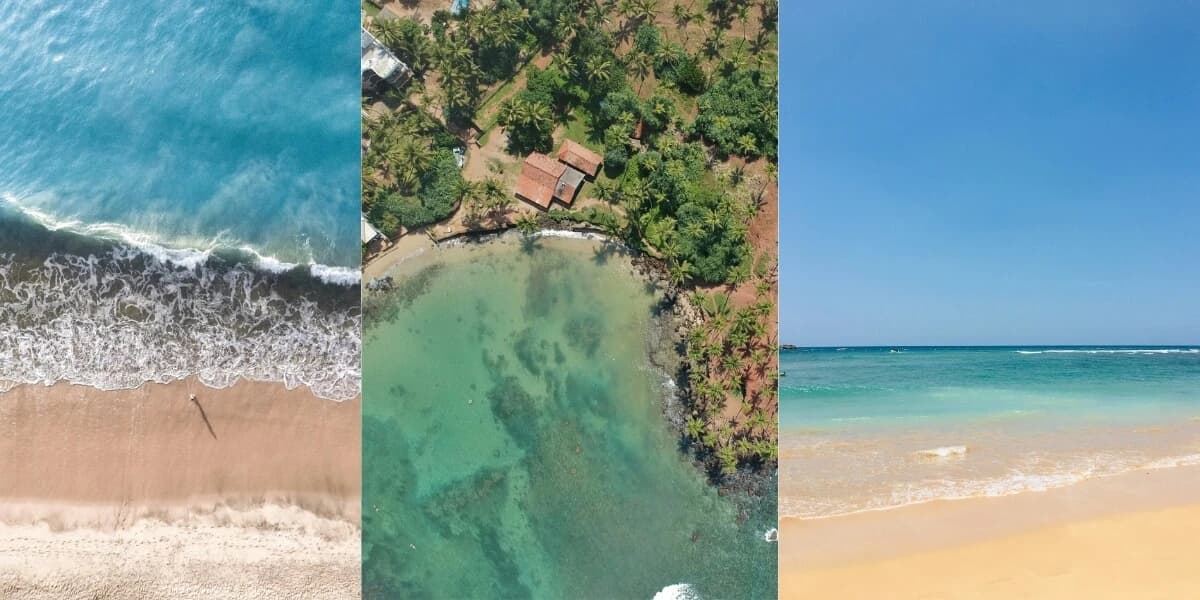
The One Thing You Need to Understand First
Sri Lanka's beaches are governed by monsoons, not calendars.
The south and west coasts (Bentota down to Tangalle) have their best beach weather from November to April — calm seas, reliable sunshine, minimal rain.
The east coast (Arugam Bay up to Trincomalee) has its best beach weather from May to September — dry skies, flat turquoise water, and a fraction of the crowds.
Visit the wrong coast in the wrong season and you'll find rough seas, red swimming-ban flags, and closed beachfront restaurants. Visit the right coast and you'll wonder why anyone goes anywhere else.
This guide covers both coasts. The beaches are organised by what you want to do, not by geography, because nobody plans a beach holiday by latitude.
For Swimming: Beaches Where the Water Actually Cooperates
Unawatuna
Coast: South | Best months: November–April | Distance from Galle: 6 km
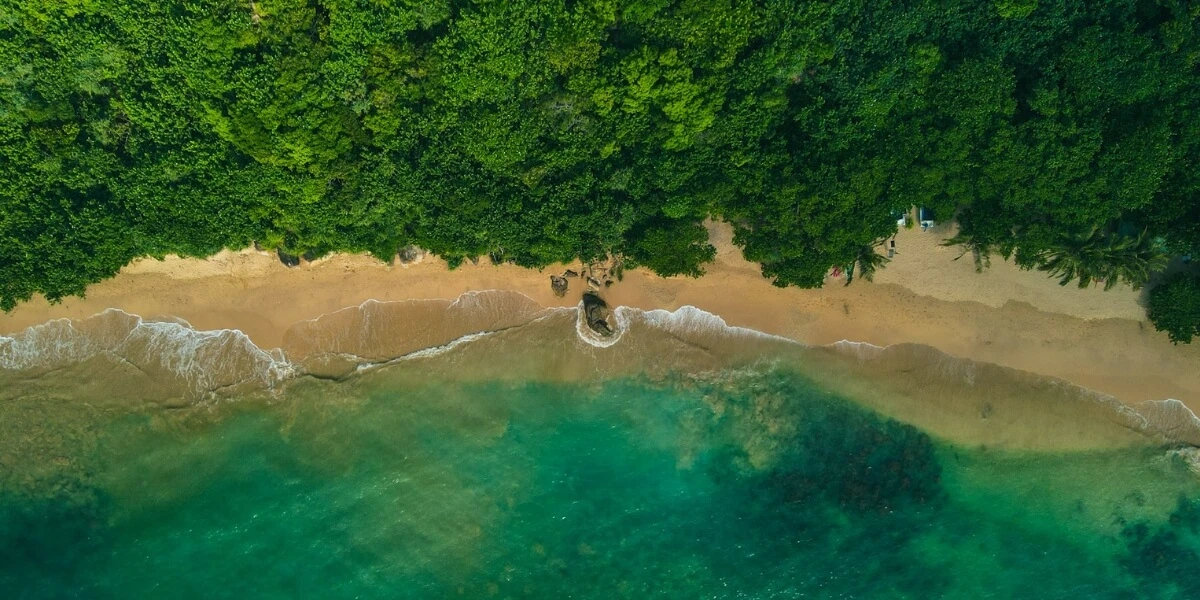
Unawatuna is the south coast's most reliable swimming beach. A natural reef breaks the swell before it reaches shore, creating a sheltered bay with calm, swimmable water for most of the peak season. The beach curves in a gentle crescent, the sand is golden, and the water is genuinely warm — 27–29°C year-round.
The development has been significant. Sun loungers, restaurants, and guesthouses crowd the beachfront. During January and February, Unawatuna feels busy in a way that some travellers love (atmosphere, options, nightlife) and others don't (noise, touts, limited sand space).
Honest note: Unawatuna's reef protection means the surf is minimal, which makes it perfect for swimming but dull for surfers. If you want waves, go elsewhere. If you want to float in warm water and walk to Galle Fort afterwards, this is your beach.
Budget: Beachfront accommodation $20–80/night. Meals $3–10. Sun lounger rental $2–5/day.
Passikudah
Coast: East | Best months: May–September | Distance from Batticaloa: 35 km
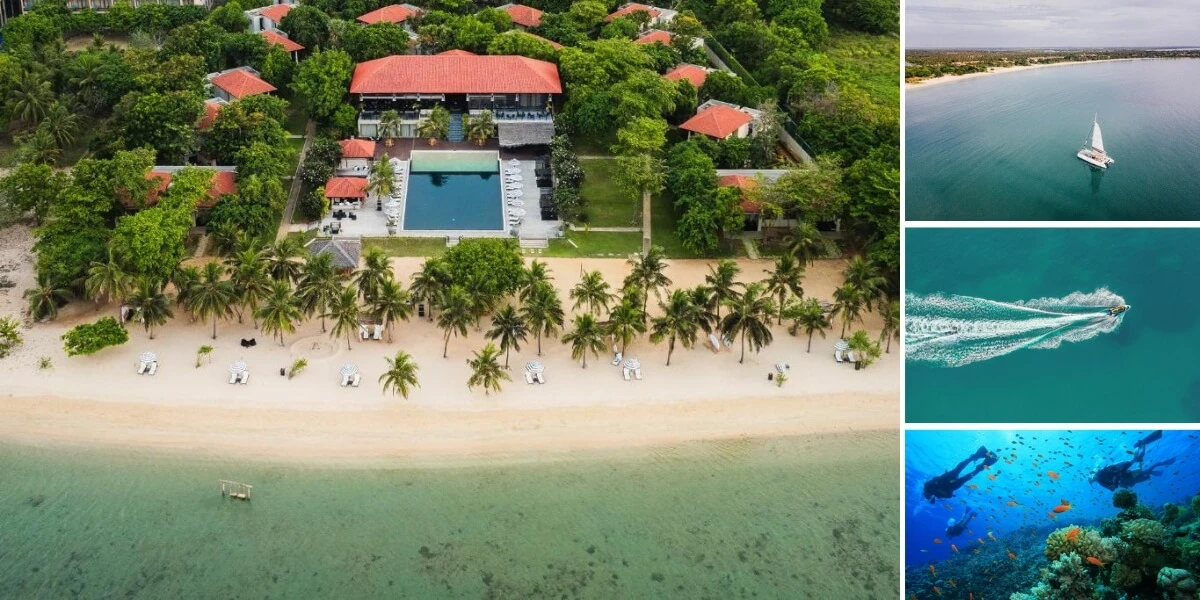
If Unawatuna is the south coast's best swimming beach, Passikudah is the east coast's answer. A shallow bay extends hundreds of metres from shore — you can wade out chest-deep and still see your toes. The water is impossibly calm, impossibly blue, and impossibly warm.
Passikudah is less developed than the south coast beaches, with a handful of resorts and guesthouses rather than a strip of bars. This makes it quieter, more relaxed, and better for families who want sand and water without the scene.
Budget: Hotel rooms $30–120/night. Fewer independent restaurants than the south — most visitors eat at their accommodation.
Dalawella (Wijaya Beach)
Coast: South | Best months: November–April | Distance from Galle: 8 km
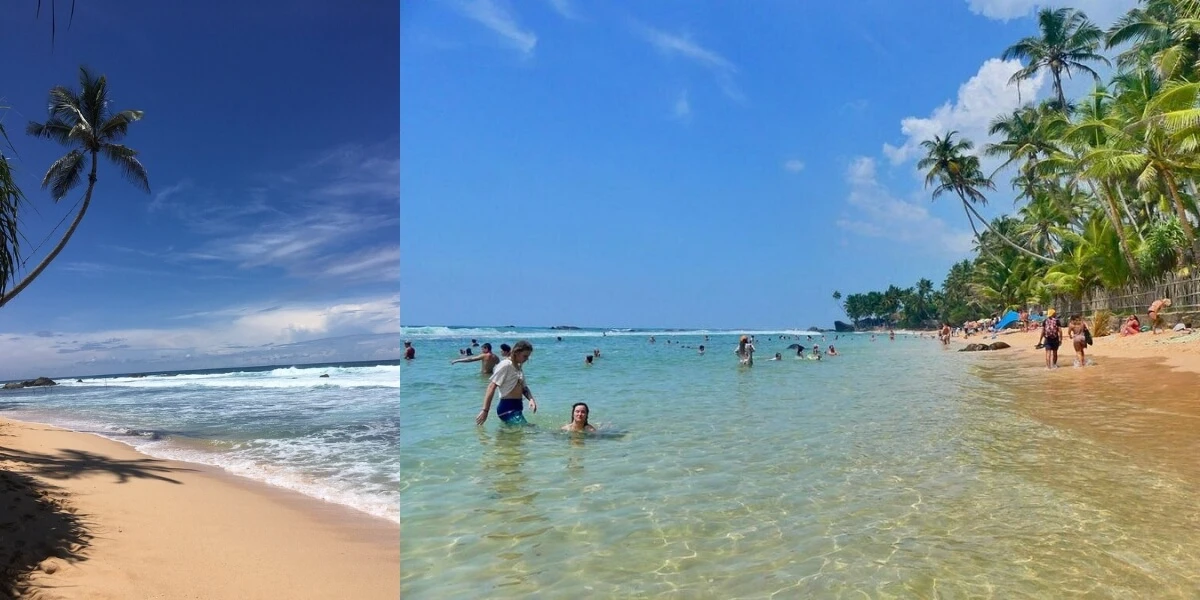
Just east of Unawatuna, Dalawella has a reef-protected lagoon that creates a natural swimming pool. The water is shallow, clear, and frequently visited by sea turtles — snorkelling here often means floating alongside them. It's a smaller, quieter alternative to Unawatuna with the same calm-water advantage.
Known locally as Wijaya Beach (after the popular beachfront restaurant), this is one of the south coast's best spots for families with young children.
Budget: Accommodation $15–60/night. Lunch at Wijaya Beach restaurant $5–10.
For Surfing: From First Wave to Point Break
Weligama
Coast: South | Best months: November–April | Vibe: Friendly, accessible, optimistic
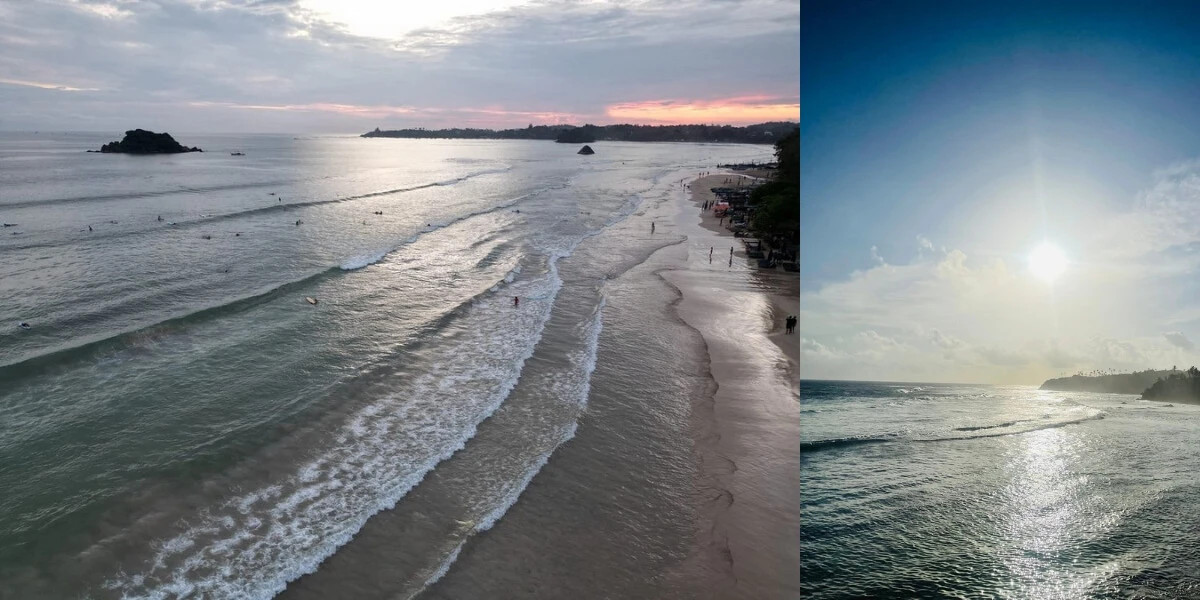
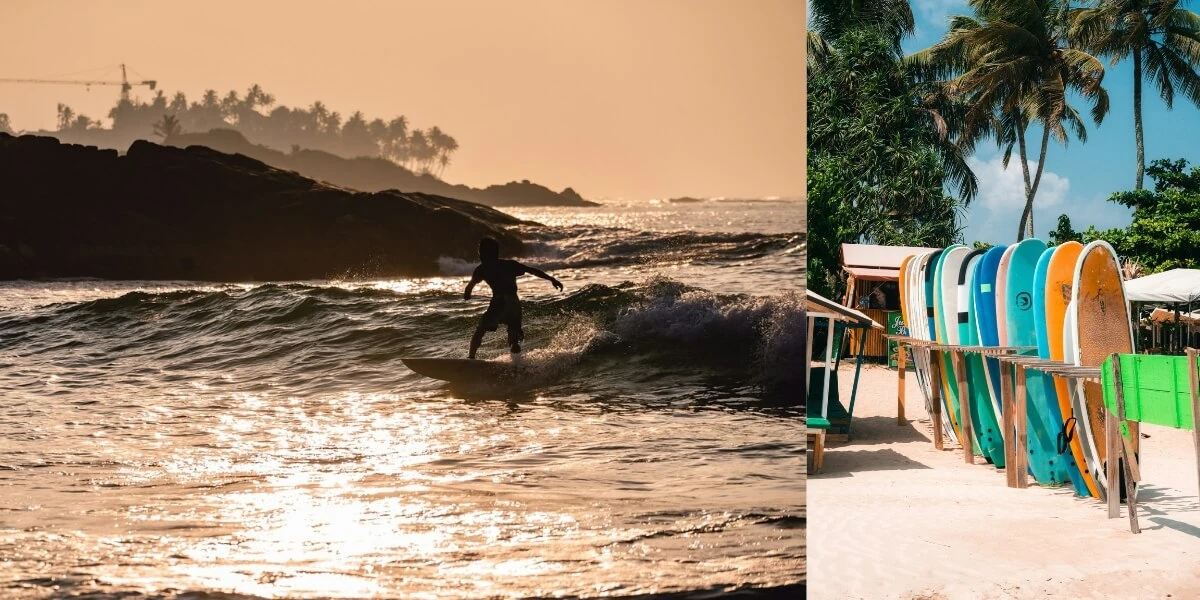
Weligama is where most people learn to surf in Sri Lanka, and it's the right place to do it. The 2-kilometre bay has a sandy bottom, gentle rolling waves, and a break that's forgiving enough for total beginners to stand up on their first session. Dozens of surf schools line the beach, lessons cost $15–30 for 90 minutes including board rental, and the atmosphere is encouraging rather than competitive.
The town itself has a backpacker energy — hostels, surf camps, smoothie bowls, and sunburnt Europeans comparing wave counts. It's not sophisticated, but it's fun.
For intermediate surfers: The western end of the bay has slightly steeper waves. But if you're past the beginner stage, you'll quickly outgrow Weligama and want to move down the coast.
Hiriketiya
Coast: South | Best months: November–April | Vibe: Bohemian, compact, effortlessly cool
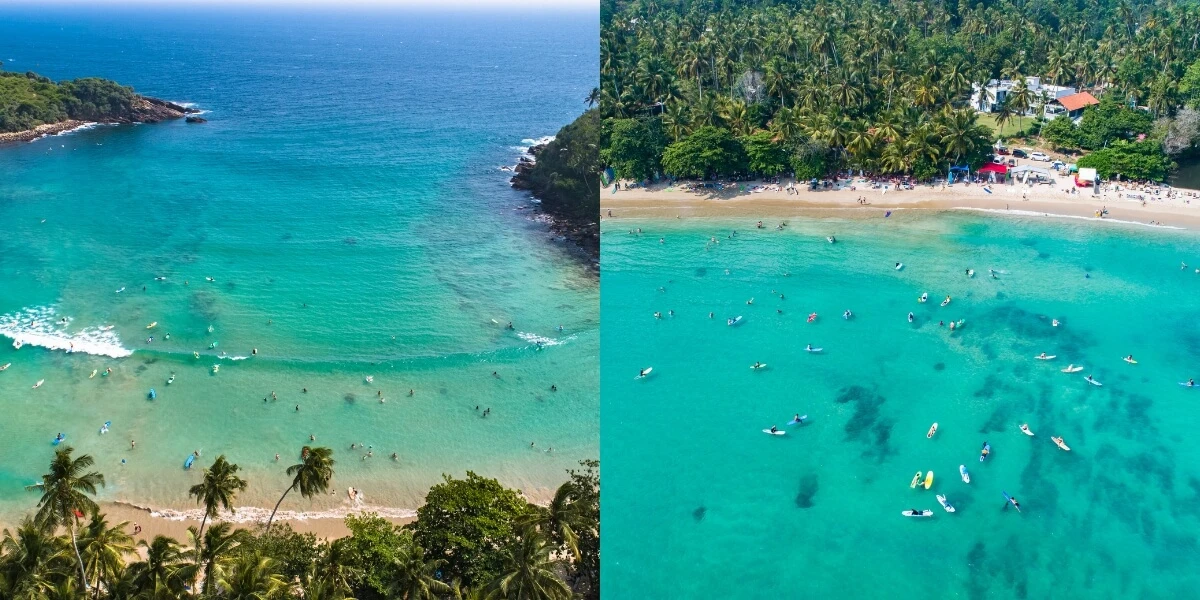
Hiriketiya has transformed from a quiet cove into one of Sri Lanka's trendiest beach destinations in the space of five years. A horseshoe-shaped bay tucked between two jungle headlands, it offers a beach break suitable for beginners and intermediates, with enough variety to keep you engaged for several days.
But Hiriketiya's appeal extends beyond the waves. The surrounding hills are dotted with boutique guesthouses, yoga shalas, and cafés that serve better coffee than most Sri Lankan cities. The vibe is Canggu-meets-Sri-Lanka — surf in the morning, yoga in the afternoon, seafood dinner at a wooden table on the sand.
Budget: Accommodation $15–60/night. Surf lesson ~5,000 LKR ($17). The café scene is pricier than typical Sri Lankan restaurants — expect $5–10 for meals at the popular spots.
Arugam Bay
Coast: East | Best months: May–September | Vibe: Legendary, laid-back, single-minded
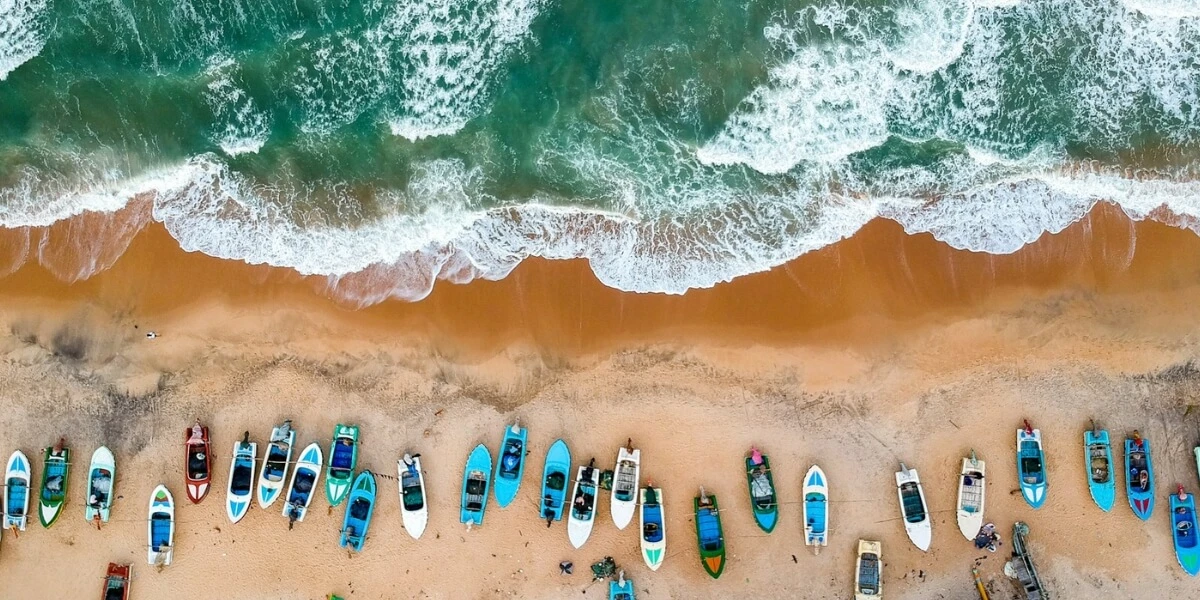
Arugam Bay is Sri Lanka's premier surf destination and one of the world's best point breaks. The main break — a fast, hollow right-hander — draws experienced surfers from across the globe during peak season. But the area has multiple breaks suited to different levels: Whiskey Point for intermediates, Peanut Farm for long rides, and the main beach for beginners.
The town itself is surf-centric and unpretentious. Sandy roads, barefoot restaurants, board racks outside every guesthouse. During peak season (June–August), it's busy with an international surf crowd. Outside those months, it's a sleepy fishing village.
Important: Arugam Bay is on the east coast, which means it's only accessible during the opposite monsoon season to the south coast. Don't try to add it to a December-March south-coast trip without understanding that the weather patterns are reversed.
Budget: Dorm beds $5–10. Private rooms $15–40. Surf board rental $5–10/day. Meals $3–8.
Midigama and Ahangama
Coast: South | Best months: November–April | Vibe: Serious surf, increasingly hip
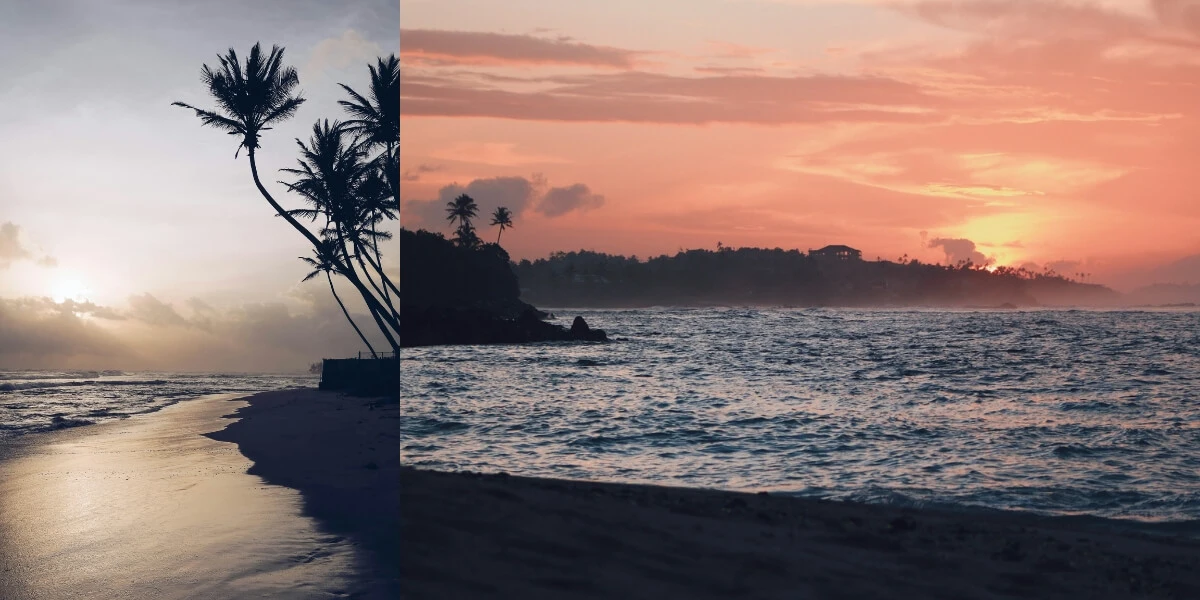
These adjacent towns between Weligama and Galle are where south coast surfing gets real. Midigama's reef breaks — including the famous Ram's Right — are powerful, fast, and best left to experienced surfers. Ahangama, slightly to the east, offers a mix of reef and beach breaks suitable for intermediate riders, along with a growing café and co-working scene.
If Weligama is surf school and Hiriketiya is surf lifestyle, Midigama-Ahangama is surf craft. The waves are better, the crowds are smaller, and the attitude is more serious.
Hikkaduwa
Coast: South | Best months: November–April | Vibe: Established, busy, versatile
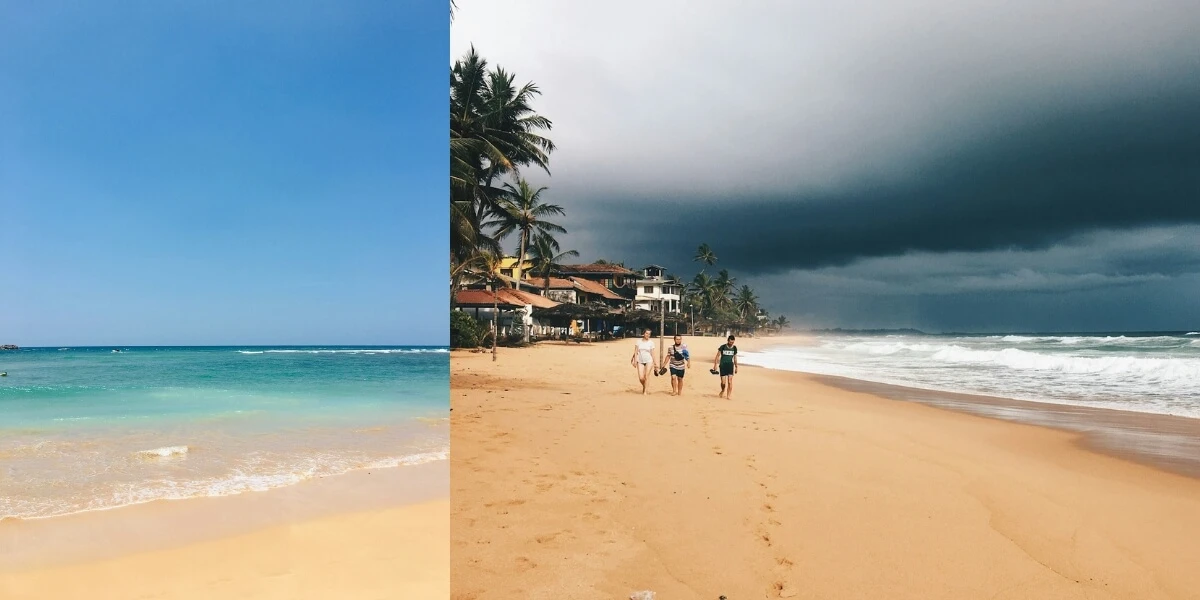
Hikkaduwa was Sri Lanka's first surf town — international surfers discovered it in the 1960s — and it remains the most developed beach on the south coast. The main break is suitable for beginners and intermediates, with reef breaks nearby for more experienced riders.
Beyond surfing, Hikkaduwa offers the Coral Sanctuary (decent snorkelling when conditions are calm), sea turtles that swim close to shore, and a beach strip packed with restaurants, bars, and guesthouses. It's the most "resort-style" surf town on the south coast — convenient but not intimate.
Honest note: Hikkaduwa has more beach vendors and touts than anywhere else on the south coast. They're gentle and not aggressive, but if you prefer a quieter atmosphere, continue south to Ahangama or Hiriketiya.
For Solitude: Beaches Where You Can Actually Be Alone
Tangalle
Coast: South | Best months: December–April | Distance from Mirissa: 1.5 hours
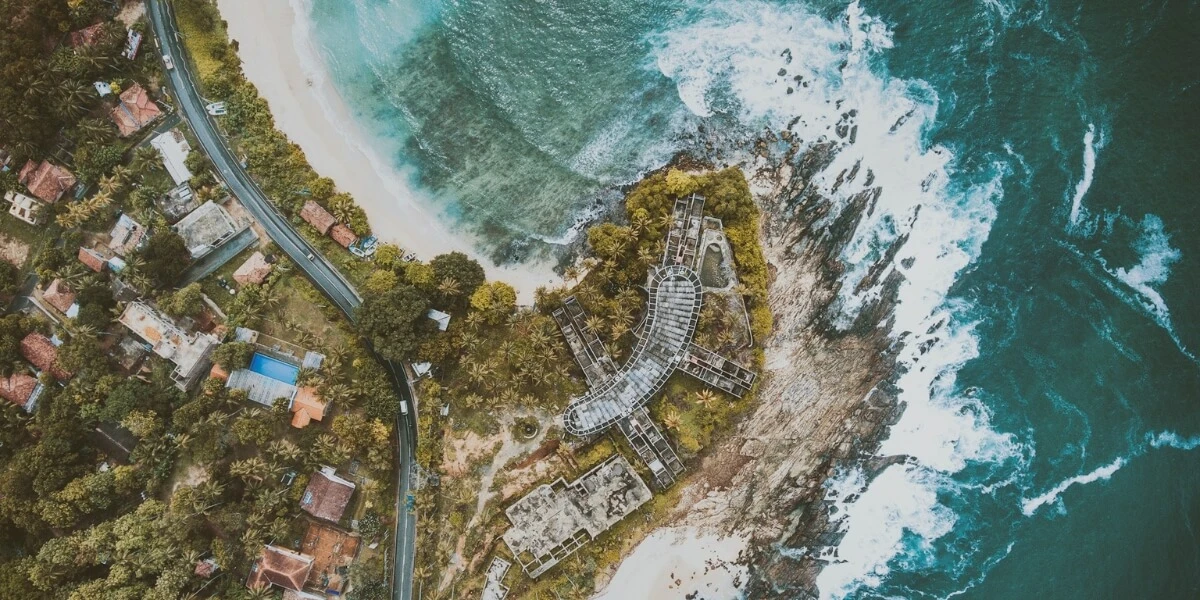
Tangalle has the longest, emptiest beaches on the south coast. While Mirissa and Unawatuna draw the crowds, Tangalle's wide stretches of sand remain genuinely peaceful — often you'll share a kilometre of beach with a handful of people and a few stray dogs.
The trade-off: the sea here is rougher than at the sheltered bays further west. Swimming is possible in some spots (Medaketiya Beach is usually the calmest), but this is primarily a beach for walking, watching, and doing very little at great length.
Bonus: The Rekawa turtle nesting beach is 10 kilometres east of Tangalle. Between January and April, you can join free, guided nighttime walks to watch sea turtles come ashore to lay eggs. No entrance fee, no crowds, no barriers — just you, a guide with a red-light torch, and a 100-kilogram turtle emerging from the Indian Ocean.
Budget: Tangalle is the south coast's best value. Accommodation $10–50/night. Meals $2–8.
Talalla
Coast: South | Best months: November–April | Distance from Dikwella: 5 km
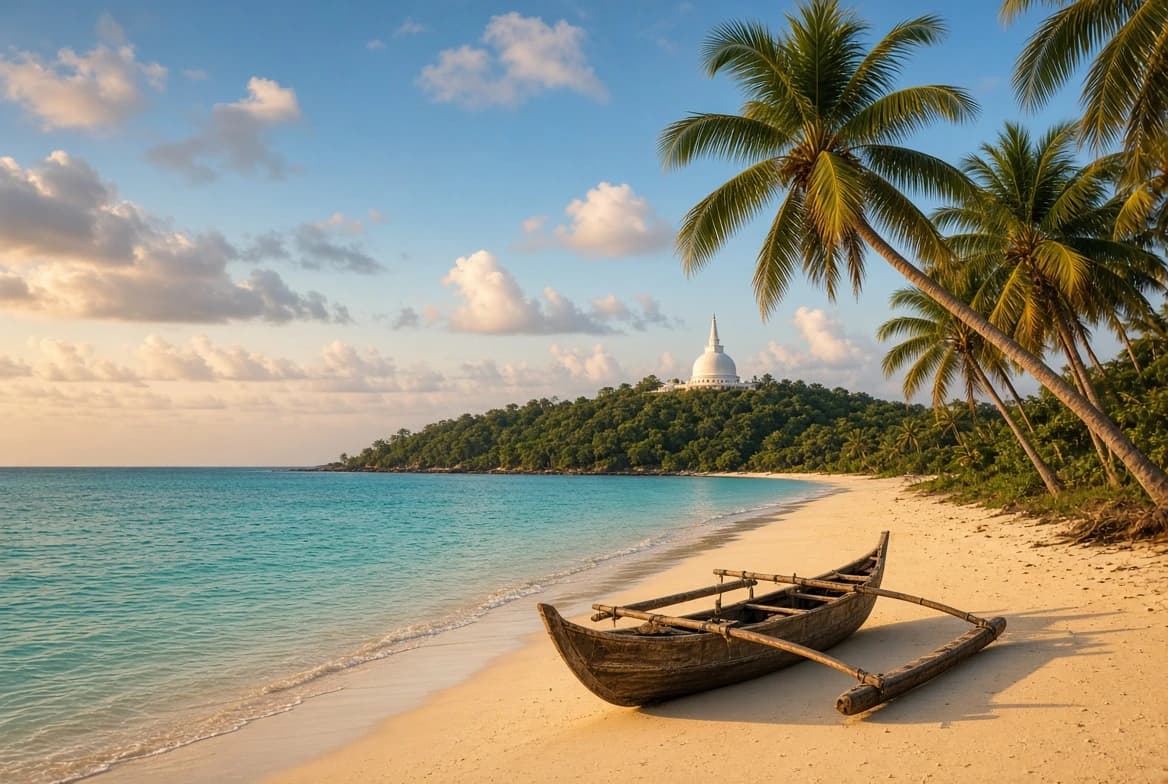
Talalla is the beach that south coast travellers tell each other about in whispered tones. A long arc of golden sand backed by coconut palms, with almost no commercial development. No strip of bars. No surf schools. No sun lounger rentals. Just sand, sea, and the sound of waves.
It's stunning — and it's empty precisely because it lacks the infrastructure that makes other beaches convenient. Bring your own towel, buy a king coconut from a roadside vendor, and settle in.
Nilaveli
Coast: East | Best months: May–September | Distance from Trincomalee: 16 km
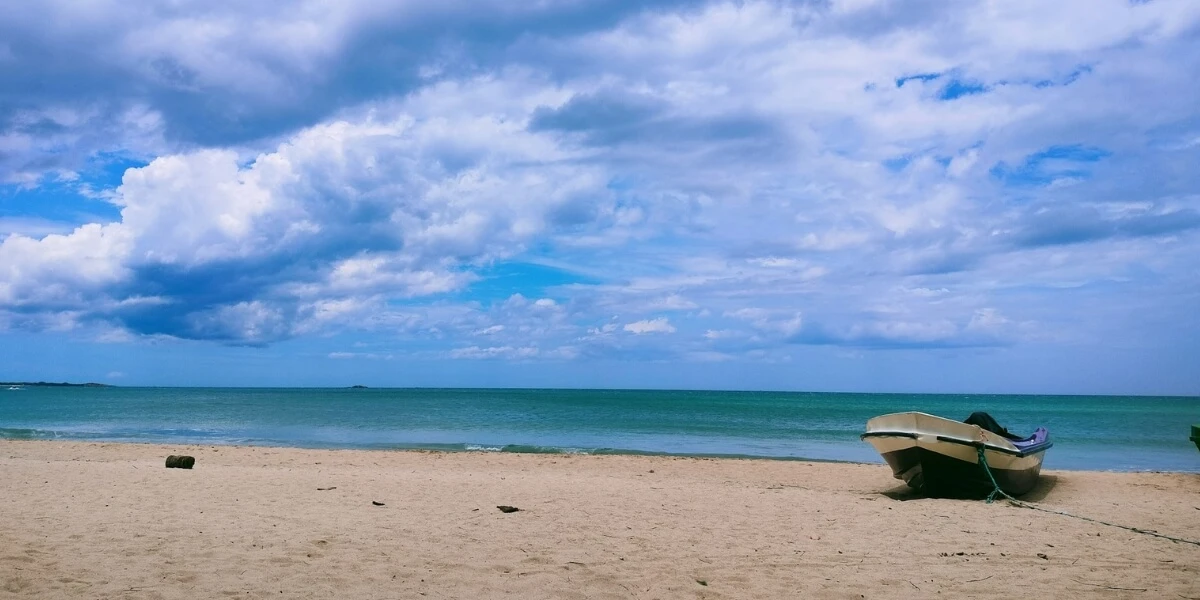
Nilaveli is the east coast's version of Tangalle — a long, white-sand beach with minimal development and genuine solitude. The water is calmer than Tangalle's, making it suitable for swimming during the east coast's dry season.
Just offshore lies Pigeon Island, one of Sri Lanka's best snorkelling sites, reachable by a 15-minute boat ride ($10–15 return). The coral is recovering from past bleaching events but remains colourful, and blacktip reef sharks are regularly spotted in the shallows.
Kalpitiya
Coast: Northwest | Best months: November–April (beach), May–October (kitesurfing) | Distance from Colombo: 3.5 hours
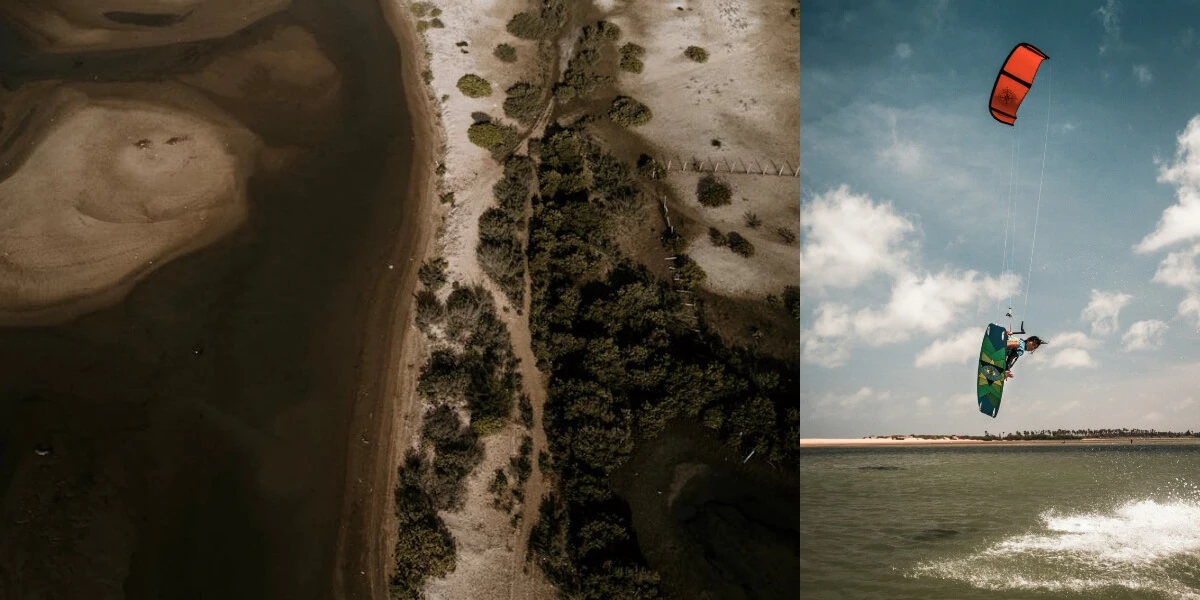
Kalpitiya is Sri Lanka's windiest coast, which makes it less conventional as a beach holiday and brilliant for kitesurfing and windsurfing. During the southwest monsoon (May–October), consistent winds and flat lagoon water create near-perfect conditions for kite sports, drawing an international community of riders.
Even outside kite season, Kalpitiya's beaches are long, empty, and wild — more dune-scape than postcard. Spinner dolphin watching trips run from the peninsula, with pods of hundreds common in the right season.
For Families: Beaches That Work With Children
Bentota
Coast: West | Best months: November–April | Distance from Colombo: 1.5 hours
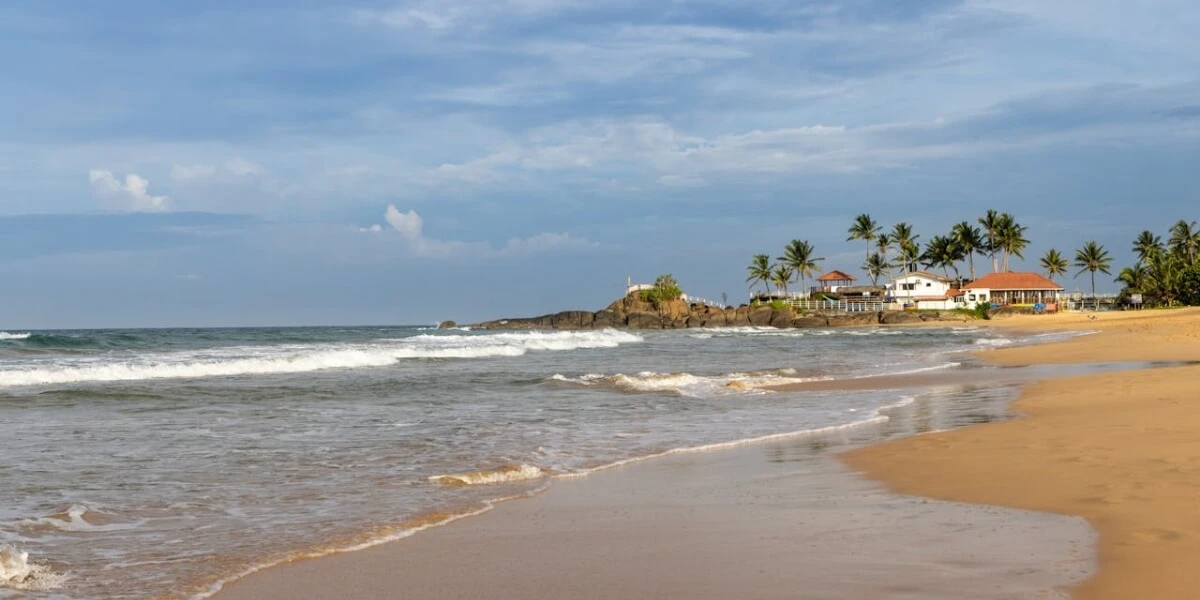
Bentota is the closest quality beach to Colombo and the south coast's most family-oriented destination. The beach is wide and golden, the water is calm enough for safe swimming (lifeguards are present), and a range of water sports — jet skis, banana boats, kayaking — keep older children entertained.
The area has more large resort-style hotels than anywhere else on the coast, which means reliable amenities (pools, kids' clubs, room service) but less independent character. Bentota is where Sri Lankan beach holidays resemble those in Thailand or Bali — efficient, comfortable, and slightly generic.
The river: The Bentota River runs parallel to the beach and offers boat safaris through mangrove forests — a gentle, family-friendly wildlife experience where you're likely to see water monitors, kingfishers, and crocodiles.
Passikudah
Already mentioned under swimming, but deserves a second mention for families. The shallow bay is essentially a natural paddling pool — toddlers can splash in warm, clear water without parents worrying about currents or waves. Limited development means fewer distractions and a slower pace.
Dalawella (Wijaya Beach)
Also mentioned above. The reef-protected lagoon, turtle sightings, and walkable distance from Unawatuna's restaurants make it an excellent family day-beach.
For Whale Watching: The Beach That Doubles as a Departure Point
Mirissa
Coast: South | Best months: November–April | Vibe: The south coast's social hub
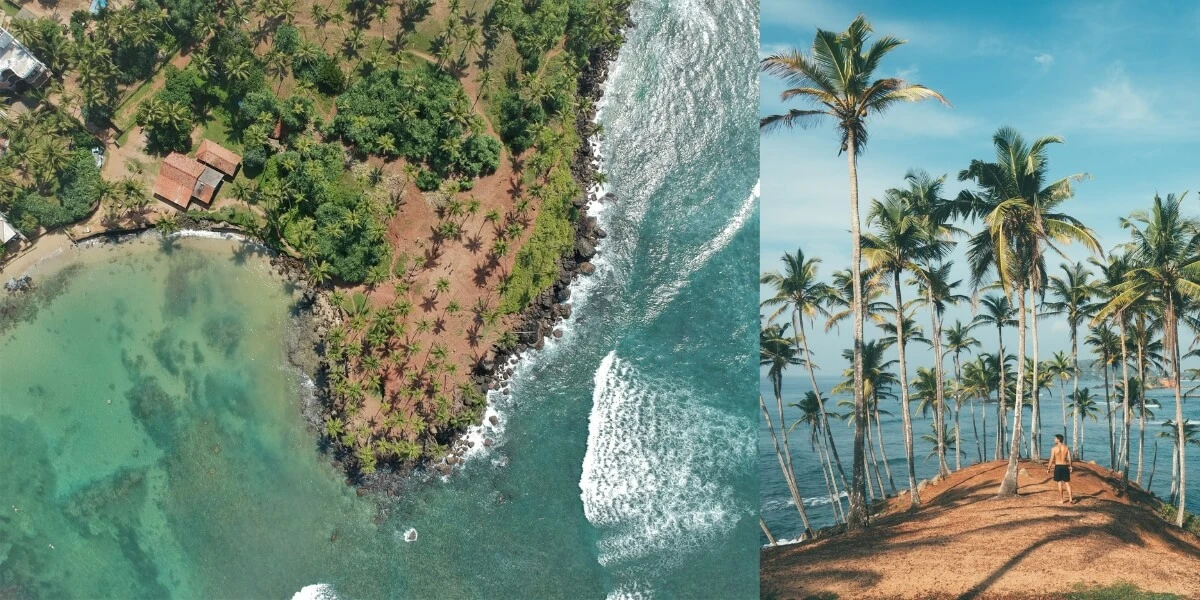
Mirissa is the south coast's most popular all-round beach — and for good reason. It's a crescent of sand framed by headlands, with enough wave action for casual surfing, enough calm water for swimming on good days, and a whale watching industry that launches from its harbour every morning between December and April.
Blue whales — the largest animals on earth — pass close to Sri Lanka's south coast during their annual migration. Mirissa's morning boat trips ($40–60, departing at 6:30 AM) give you a genuine chance of seeing them, along with sperm whales, fin whales, and spinner dolphins.
On the beach itself, Parrot Rock (climbable at low tide) and Coconut Tree Hill (the headland that launched a thousand Instagram posts) are the landmarks. The town behind the beach is a strip of guesthouses, restaurants, and bars that come alive at sunset.
Honest note: Mirissa is the south coast's party beach. If you want quiet evenings and empty sand, head to Tangalle or Talalla. If you want a sundowner with your toes in the sand and people to talk to, Mirissa delivers.
Budget: Accommodation $10–80/night. Whale watching $40–60. Meals $3–12.
The Three Beaches You Can Probably Skip
Every beach guide lists only highlights. Here are three popular beaches that consistently disappoint relative to expectations — not because they're bad, but because better alternatives exist nearby.
Negombo Beach
Negombo is the closest beach to the airport, and many travellers spend their first or last night here. The beach is functional — you can walk on it, watch the sunset, and see the fishing boats — but the water is murky, the sand is grey-brown, and the general atmosphere is more urban than tropical. If you have time, drive past Negombo to Kalpitiya or south to Bentota. If you're just killing time before a flight, one night is fine, but don't plan a beach holiday here.
Mount Lavinia Beach (Colombo)
Colombo's city beach has historical charm (the colonial-era Mount Lavinia Hotel sits on the headland) and is popular with locals on weekends. But the water quality is inconsistent, the beach is narrow, and the experience doesn't compare to anything further south. Worth a sunset drink at the hotel if you're in Colombo — not worth a dedicated trip.
Uppuveli
Often recommended alongside Nilaveli as a Trincomalee beach option, Uppuveli is closer to town but significantly less attractive. The sand is coarser, the development is scruffy, and the beach lacks the sweep and beauty of Nilaveli just a few kilometres north. If you're heading to Trincomalee's east coast beaches, continue to Nilaveli.
Beach-by-Beach Quick Reference
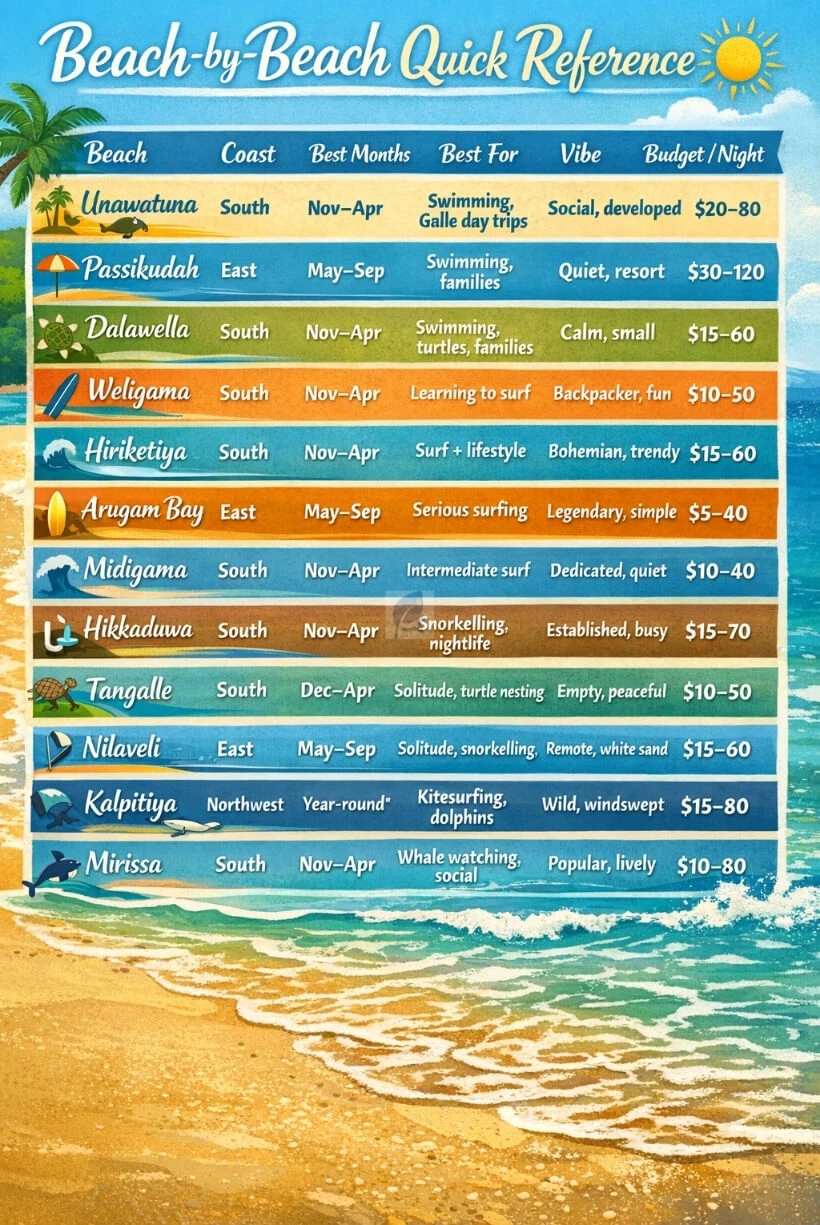
*Kalpitiya beach is best Nov–Apr; kitesurfing is best May–Oct.
Practical Beach Tips
Swimming safety: Sri Lanka's beaches can have strong currents and undertows, especially outside protected bays. Always check locally before swimming. Red flags mean no swimming — take them seriously. Lifeguards are present at the more popular beaches during peak season but not everywhere.
Sun protection: The equatorial sun is genuinely fierce. SPF 50 is not overkill. Reapply after swimming. The most common tourist health complaint in Sri Lanka is sunburn, not stomach problems.
Water temperature: 27–29°C year-round. No wetsuit needed. A rash vest is useful for sun protection and reef protection during surf sessions.
Beach etiquette: Sri Lanka is a conservative country. While bikinis are accepted on tourist beaches, topless sunbathing is not appropriate. Away from tourist areas, modest swimwear is respectful. When walking through villages to reach a beach, cover up.
Surf equipment: Board rental is available at all surf beaches ($5–10/day). Quality varies. If you're intermediate or above, inspect the board before renting — ding repairs can be rough. Bringing your own board on a flight to Sri Lanka is straightforward; most airlines accept surfboards as sports equipment for a fee ($50–100 each way).
Turtles: Five species of sea turtle nest on Sri Lanka's beaches. If you see a turtle on the beach — nesting or hatchlings — maintain distance, don't use flash photography, and don't touch. Several beaches (Rekawa, Kosgoda) have ethical turtle conservation projects worth visiting. Avoid the "turtle hatcheries" that keep turtles in small tanks for tourist photos — these are not conservation projects.
The Bottom Line
Sri Lanka's coastline offers something that very few destinations can match: genuinely different beach experiences depending on which coast you visit and when. The south coast in January and Arugam Bay in July feel like different countries.
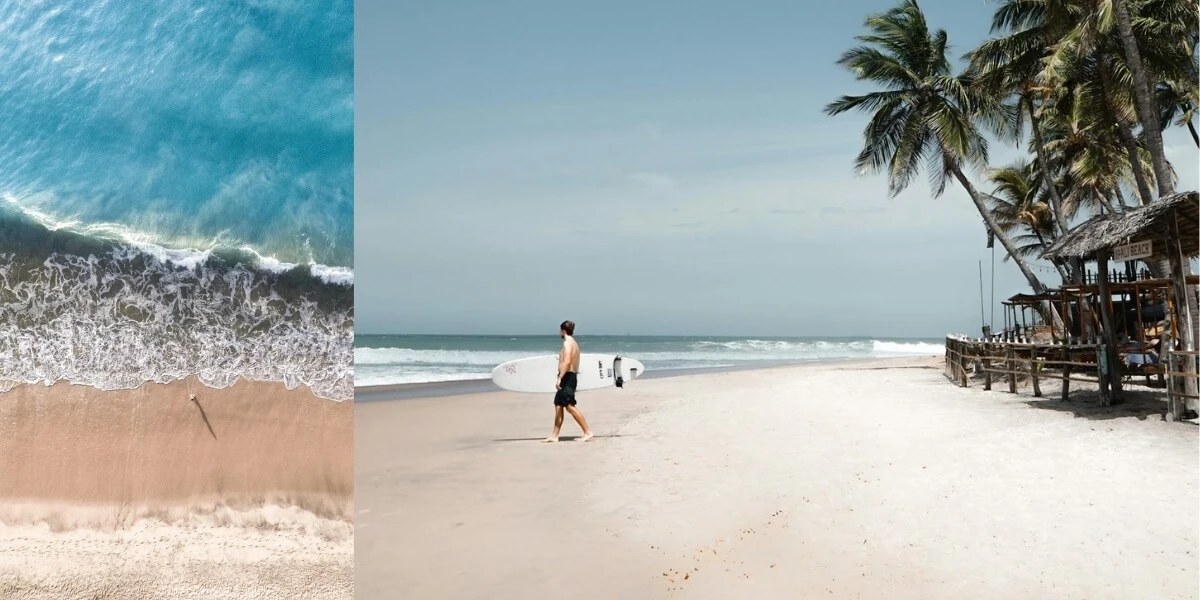
If you're visiting December to April, you have the entire south and west coast at your disposal. Start at Bentota or Hikkaduwa, work your way south through Unawatuna and Mirissa, and end at Tangalle for quiet. If surfing is the priority, base yourself in Hiriketiya or the Midigama-Ahangama stretch.
If you're visiting May to September, head east. Arugam Bay for surfing. Passikudah for swimming. Nilaveli for solitude. Trincomalee for whale watching.
And if you're visiting during a shoulder month? Pick a coast, pack a rain jacket, and go anyway. A Sri Lankan beach in an imperfect month is still a beach beside a warm, tropical ocean. There are worse problems to have.
This article is part of our comprehensive Sri Lanka travel series. For seasonal planning, see our guide to the best time to visit Sri Lanka. For route planning, see our Sri Lanka 10/14-day itinerary.
Key Takeaways for Quick Reference:
South/west coast beaches (Unawatuna to Tangalle): Best November–April. Calm seas, reliable sun.
East coast beaches (Arugam Bay to Trincomalee): Best May–September. Different monsoon, different world.
Best swimming: Unawatuna (south), Passikudah (east), Dalawella (south)
Best beginner surfing: Weligama (gentle waves, many schools, $15–30/lesson)
Best intermediate/advanced surfing: Arugam Bay (east), Midigama (south)
Best for solitude: Tangalle, Talalla (south), Nilaveli (east)
Best for families: Bentota, Passikudah, Dalawella
Best for whale watching: Mirissa (December–April, $40–60/trip)
Skip: Negombo (grey, urban), Mount Lavinia (city beach), Uppuveli (outshone by Nilaveli)
Water temperature: 27–29°C year-round. No wetsuit needed.
Turtle tip: Visit Rekawa for ethical, free night walks to see nesting turtles (Jan–Apr)
Surf board rental: $5–10/day at all surf beaches. Lessons: $15–30 for 90 minutes.
Places Mentioned(10)
Jungle Beach, Unawatuna.
269Q+FQV, Unawatuna, Sri Lanka
Pasikuda Beach
Pasikuda Beach, Sri Lanka
Dalawella Beach
Dalawella Beach, Unawatuna, Sri Lanka
Weligama Beach
XCFQ+V73, 34 Weligama By Pass Rd, Weligama 81700, Sri Lanka
Hiriketiya Beach
Hiriketiya Beach, Sri Lanka
Midigama Beach
Midigama Beach, Sri Lanka
Turtle Beach
303 Galle Rd, Hikkaduwa 80240, Sri Lanka
Nilaveli Beach
Nilaveli Beach, Sri Lanka
Kalpitiya Beach
6PC2+7JR, Kalpitiya, Sri Lanka
Mirissa Beach
Mirissa Beach, Mirissa, Sri Lanka
Tap a place card to see more details • Swipe to see all 10 places