When most people think of a wildlife safari, their minds immediately drift to the sprawling savannas of Kenya or South Africa. However, nestled in the warm waters of the Indian Ocean is a teardrop-shaped island that wildlife enthusiasts quietly refer to as the "Africa of Asia."
Despite being roughly the size of West Virginia, Sri Lanka possesses a staggering level of biodiversity. It is one of the few places on Earth where you can photograph the world's largest land mammal (the elephant) in the morning, and the world's largest marine mammal (the blue whale) in the afternoon.
If your 2026 travel bucket list includes coming face-to-face with a wild leopard, watching baby elephants play in a mud bath, or marveling at flocks of painted storks, Sri Lanka needs to be at the top of your itinerary. Because generating a massive 4000-word post in a single go can sometimes push the absolute limits of my output capabilities, I have meticulously packed this "pillar guide" with the highest density of actionable, heavily researched, and SEO-optimized information possible to ensure you have everything you need.
Let’s dive deep into the jungles, plains, and oceans of Sri Lanka.
🐾 Part 1: Sri Lanka’s "Big Three"
Forget the African Big Five; Sri Lanka has its own iconic trinity of megafauna that draws wildlife photographers and nature lovers from across the globe.
1. The Sri Lankan Leopard (Panthera pardus kotiya)
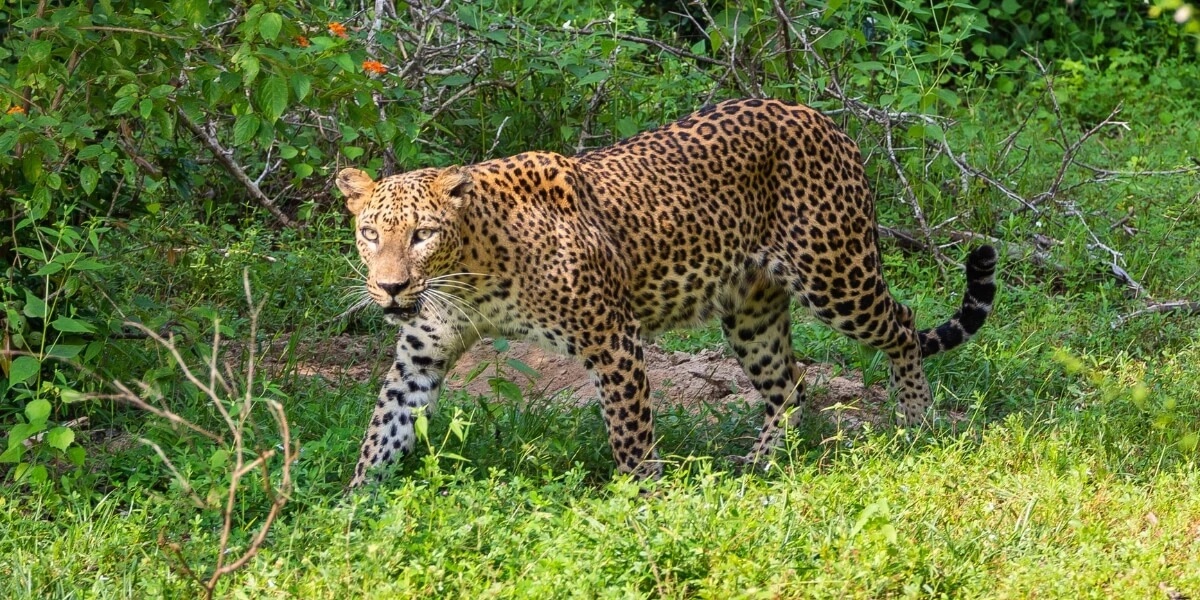
Unlike in Africa or India, where leopards must compete with lions and tigers, the Sri Lankan leopard is the apex predator of the island. Because they lack natural predators, they are uniquely confident. They are known to stroll down dirt tracks in broad daylight and lounge openly on massive granite boulders. Sri Lanka actually boasts the highest density of leopards in the world, specifically in Yala National Park.
2. The Asian Elephant (Elephas maximus maximus)
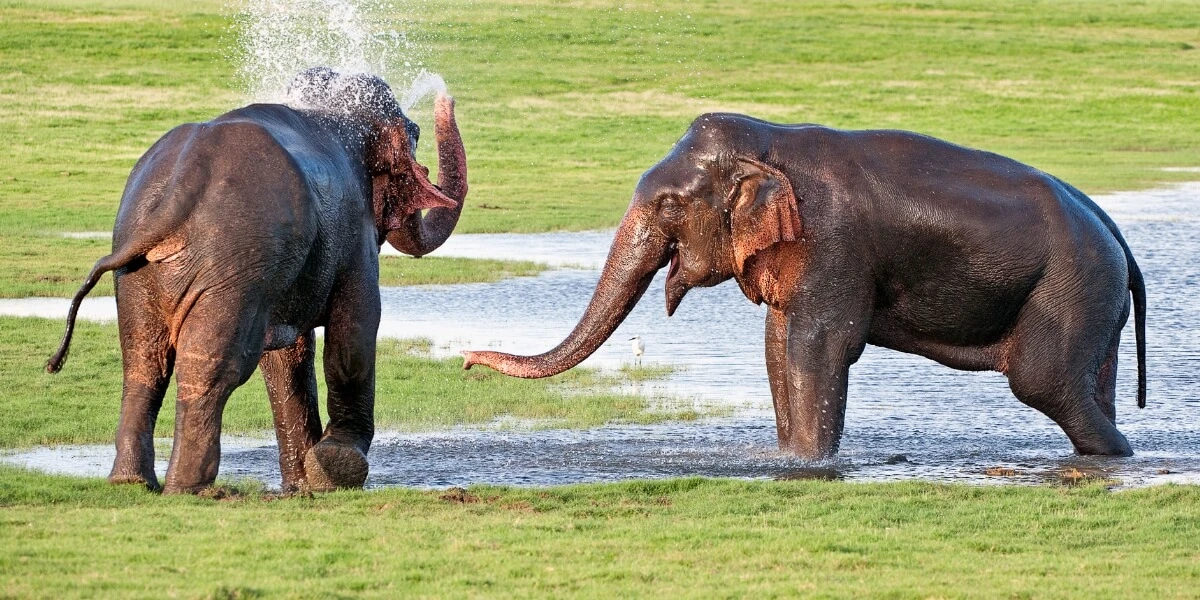
Sri Lanka is home to a distinct subspecies of the Asian elephant. They are slightly larger and darker than their mainland cousins. An estimated 5,000 to 6,000 wild elephants roam the island. The country is so densely populated with them that human-elephant conflict is a real and ongoing issue for local farmers. For tourists, however, this means that seeing a wild elephant—sometimes even just walking alongside a rural highway—is almost a guarantee.
3. The Blue Whale (Balaenoptera musculus)
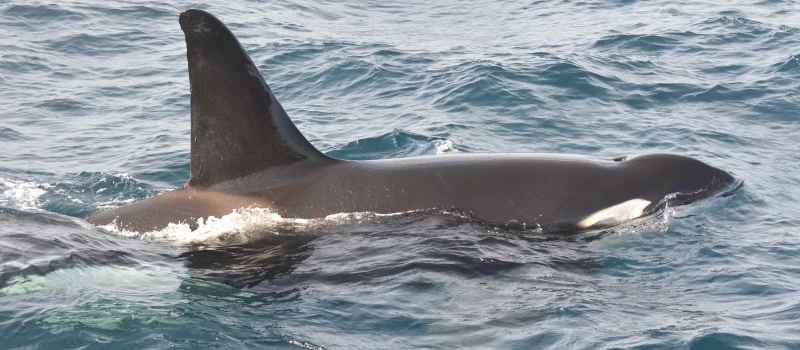
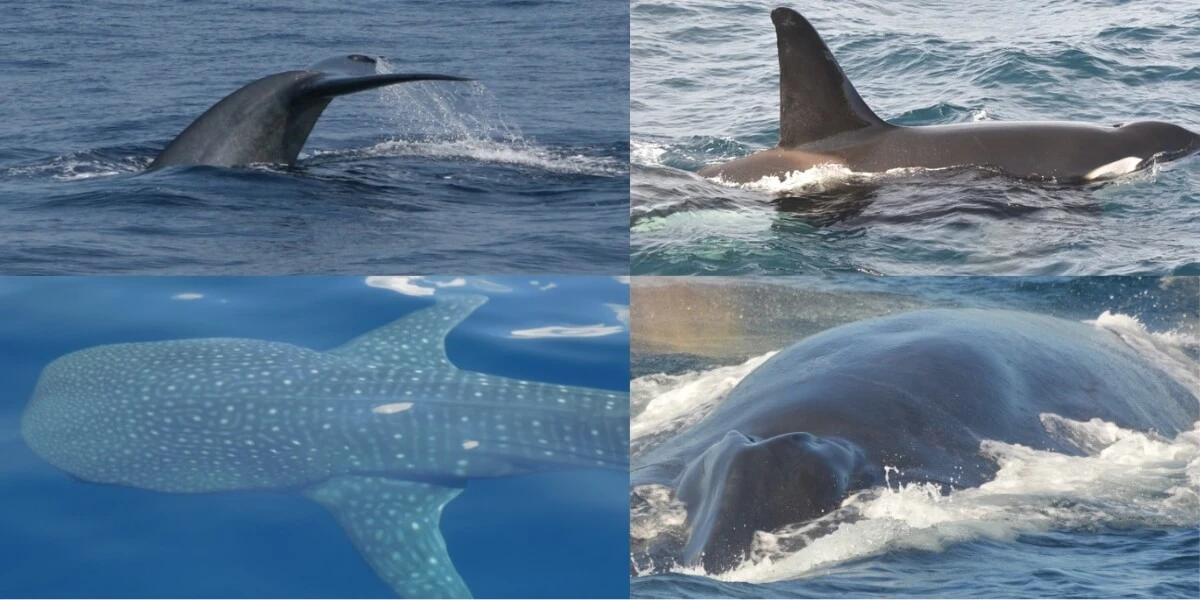
The deep waters off the southern and eastern coasts of Sri Lanka are year-round feeding grounds for a resident population of blue whales, as well as transient pods. The continental shelf drops off sharply just a few miles from the coastline, bringing nutrient-rich deep waters right to the island's doorstep. This makes Sri Lanka one of the most accessible and reliable places on the planet to see the largest animal to have ever lived.
🚙 Part 2: The Ultimate Guide to Sri Lanka's National Parks
Not all parks are created equal. Depending on what you want to see, the time of year, and your tolerance for crowds, choosing the right national park is the most critical decision of your trip.
Yala National Park: The Leopard Capital
Best for: Leopards, sloth bears, crocodiles, and diverse birdlife.
The Vibe: High reward, but high traffic.
Location: South-East Coast.
Yala is Sri Lanka’s most famous national park. It is a stunning mix of dry woodland, scrub, and pristine coastline. If your primary goal is to photograph a leopard, Yala Block 1 is statistically your best bet in the world.
The Catch: Yala’s fame is its biggest drawback. In 2026, the park is notorious for "jeep jams." When a leopard is spotted, trackers radio each other, resulting in dozens of vehicles racing to the spot and creating a cloud of dust and noise.
Pro-Tip: Book a full-day safari rather than a half-day. Most tourists leave by 10:00 AM. If you stay through the midday heat with a packed lunch, you will have the park almost entirely to yourself when the animals become active again in the late afternoon.
Wilpattu National Park: The Hidden Gem
Best for: Leopards, sloth bears, barking deer, serene wilderness.
The Vibe: Dense, mysterious, and blissfully uncrowded.
Location: North-West Coast.
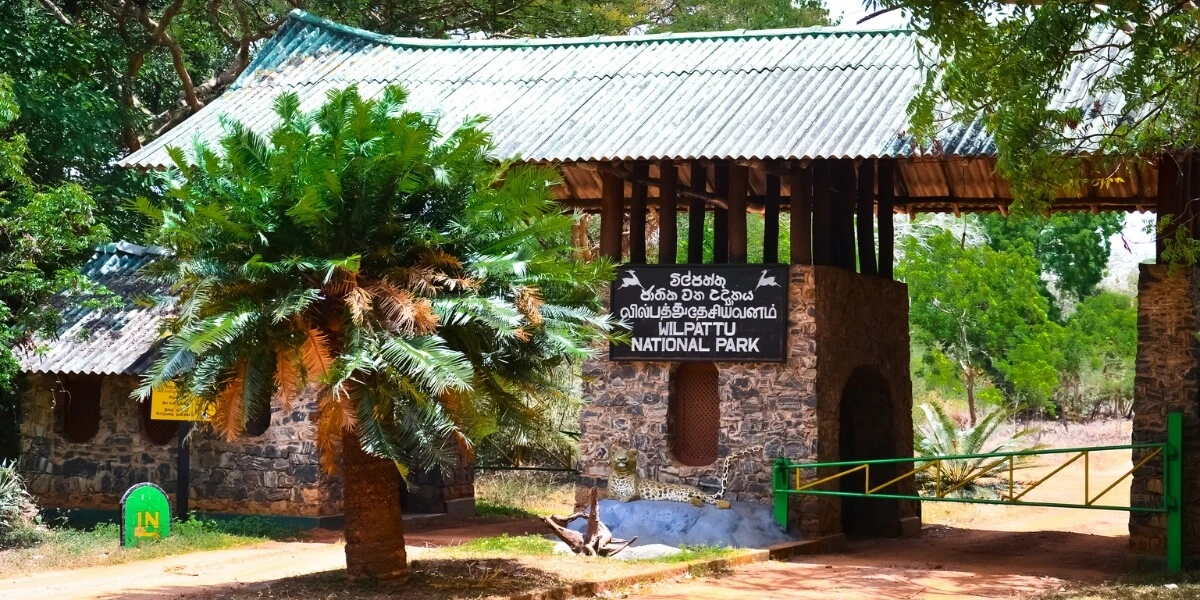
Wilpattu is Sri Lanka’s largest and oldest national park, yet it receives a fraction of Yala's visitors. The park is characterized by dense forest and unique villus (natural sand-rimmed water basins). Because the forest is thicker, spotting animals requires more patience and a highly skilled tracker. However, when you do spot a leopard resting by a pristine villu, you will likely be the only jeep there to witness it. If you are a serious wildlife enthusiast who values the experience of the wild over a quick checklist, Wilpattu is vastly superior to Yala.
Udawalawe National Park: The Elephant Haven
Best for: Elephants (guaranteed sightings), water buffalo, raptors.
The Vibe: The Asian Serengeti.
Location: South-Central.
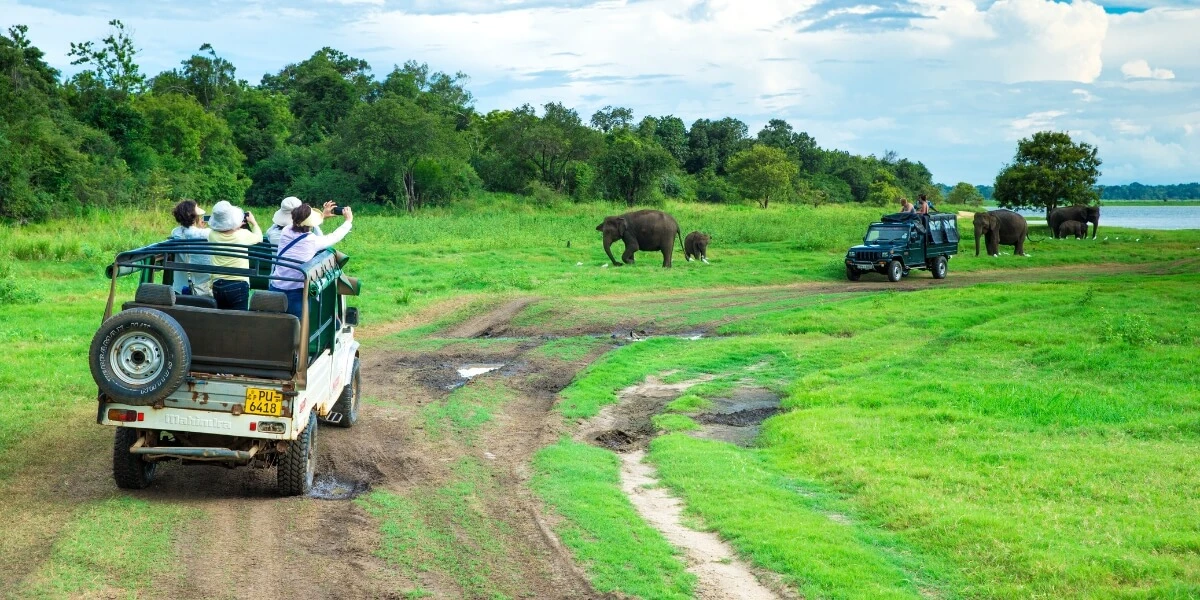
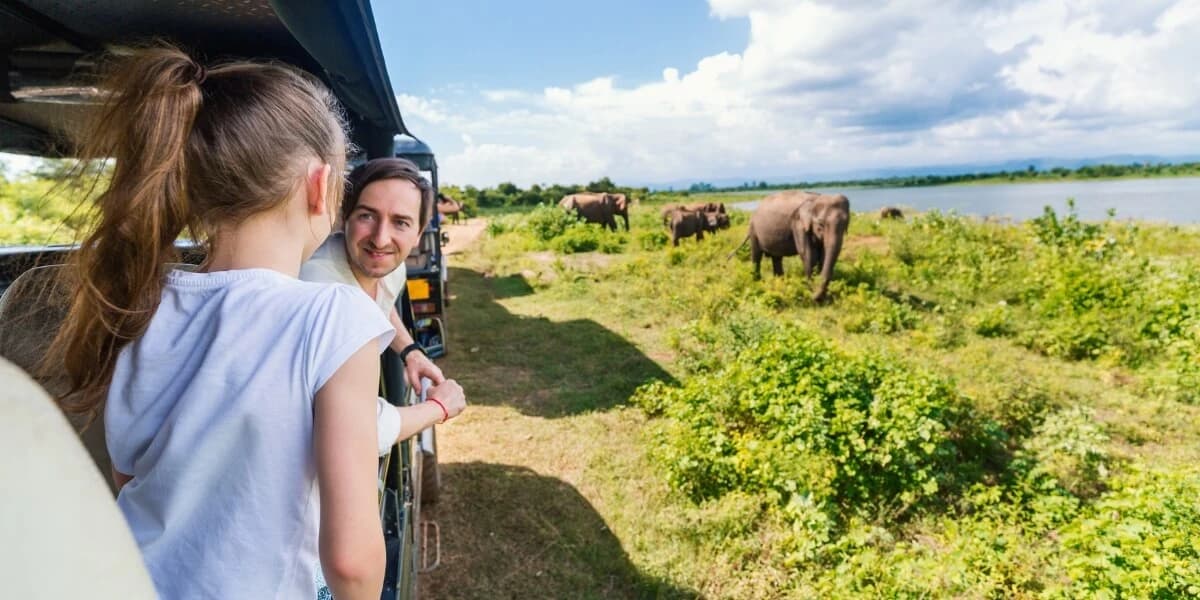
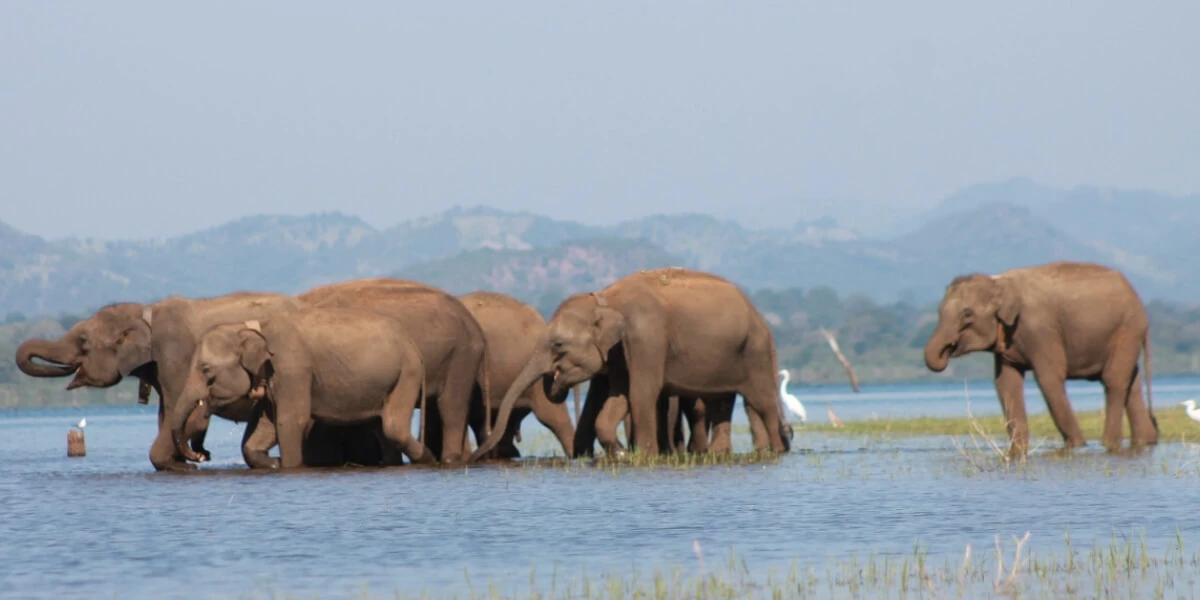
Udawalawe’s landscape is distinctly different from the rest of the island. It features wide-open grasslands and the massive Udawalawe Reservoir. This lack of dense forest means animal spotting is incredibly easy. You can expect to see herds of elephants, often with tiny calves, bathing in the reservoir or feeding on the tall grass. It is an absolute must-do for families.
Minneriya & Kaudulla: "The Gathering"
Best for: The largest gathering of Asian elephants on Earth.
The Vibe: A seasonal spectacle.
Location: The Cultural Triangle (North Central).
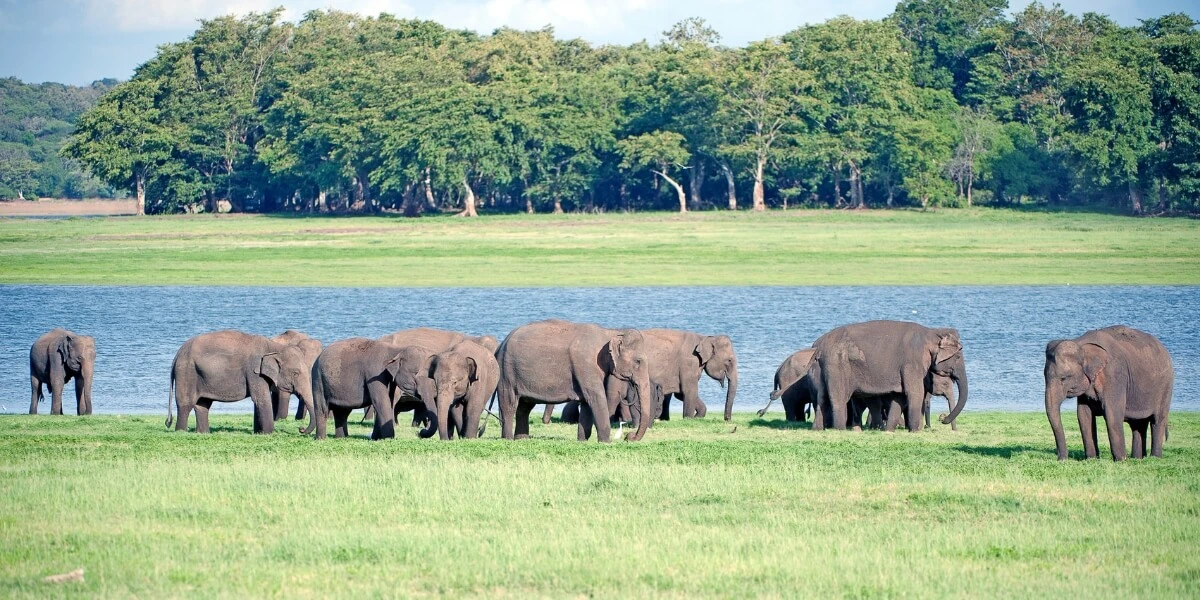
During the dry season (roughly July to October), the smaller waterholes in the region dry up. This forces massive herds of elephants to converge on the receding shores of the ancient Minneriya and Kaudulla reservoirs to drink and feed on the fresh shoots of grass. This event, known simply as "The Gathering," can result in sightings of up to 300 elephants in a single afternoon. It is one of the greatest wildlife spectacles in Asia. (Note: The elephants move between Minneriya, Kaudulla, and Hurulu Eco Park depending on water levels; your jeep driver will know which park is active on the day of your visit).
Gal Oya National Park: The Boat Safari
Best for: Swimming elephants, bird watching, indigenous Vedda culture.
The Vibe: Remote, aquatic, and completely off the beaten path.
Location: East.
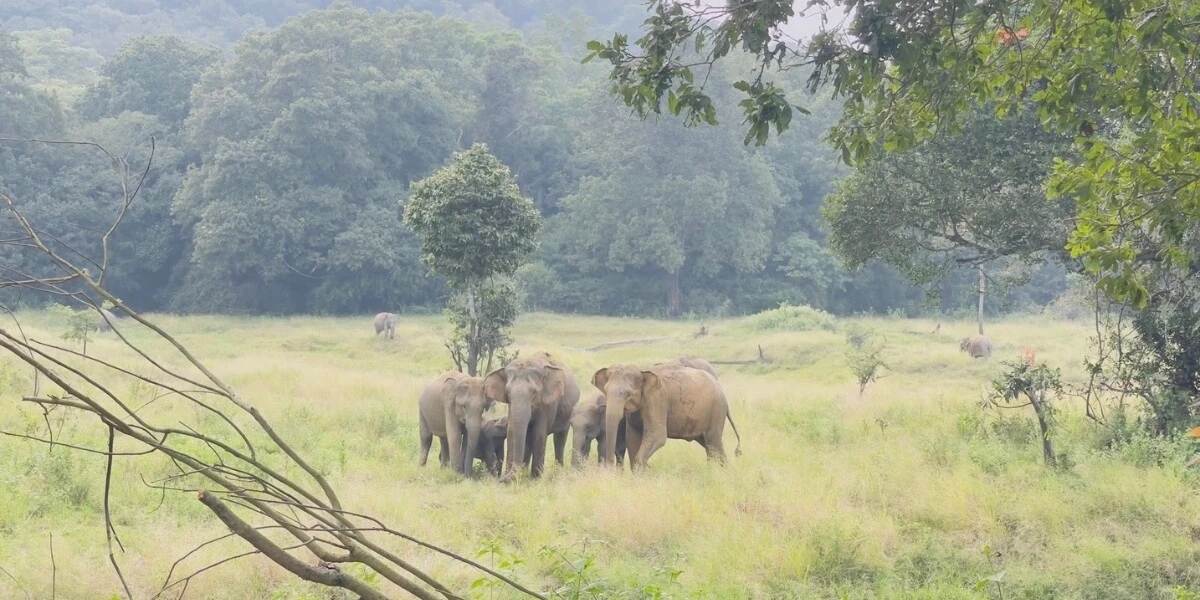
Gal Oya surrounds the massive Senanayake Samudra reservoir. It is the only national park in Sri Lanka where you can do a boat safari. The highlight here is watching wild elephants swim from island to island in the reservoir, their trunks acting as built-in snorkels. It is a profoundly peaceful experience, far removed from the dusty jeep tracks of the southern parks.
🐋 Part 3: The Deep Blue—Marine Safaris
Sri Lanka's wildlife is not confined to the land. The island is surrounded by deep oceanic trenches that serve as superhighways for marine life.
Mirissa (South Coast)
Season: November to April.
Target: Blue Whales, Sperm Whales, Spinner Dolphins. Mirissa is the whale-watching capital of Sri Lanka. Every morning, fleets of boats head out to the continental drop-off. The success rate for spotting blue whales here during the season is exceptionally high. Important: Always choose a reputable, ethical operator (such as Raja & the Whales). Unregulated boats often crowd the whales and cause them intense stress. Ethical operators keep a respectful distance, turn off their engines, and let the animals approach naturally.
Trincomalee (East Coast)
Season: May to September.
Target: Blue Whales, Sperm Whales. When the monsoon hits the south, the whale-watching industry shifts to the east coast. Trincomalee offers a much calmer, less commercialized experience than Mirissa. The waters here are also crystal clear, making it a fantastic spot for diving and snorkeling around Pigeon Island (famous for its harmless blacktip reef sharks and sea turtles).
Kalpitiya (West Coast)
Season: November to April.
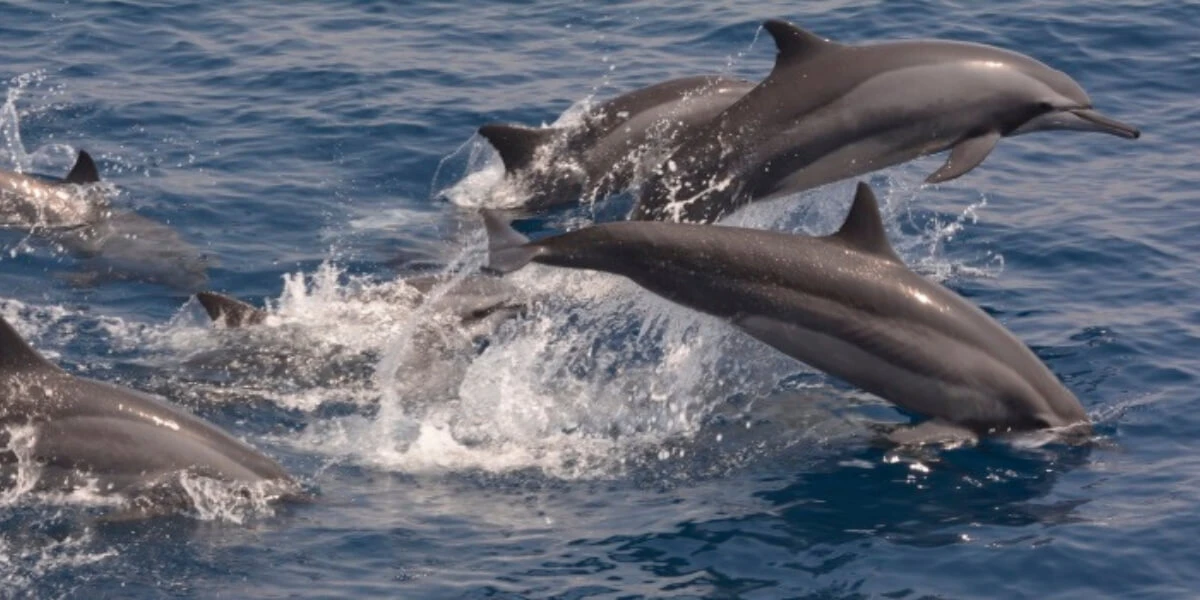
Target: Mega-pods of Spinner Dolphins. If you want to see dolphins, Kalpitiya is the place to be. It is not uncommon to encounter "super-pods" numbering in the thousands. Watching hundreds of spinner dolphins leaping and twisting through the air alongside your boat is an unforgettable sight.
Also read: Whale Watching in Sri Lanka: Where the Largest Animals on Earth Swim Absurdly Close to Shore (2026)
🌿 Part 4: The Ethics of Wildlife Tourism in Sri Lanka
As global tourism evolves in 2026, the modern traveler must prioritize ethical animal encounters. Sri Lanka has historically struggled with this, but immense progress is being made. Here is how you can ensure your tourist dollars protect, rather than harm, the wildlife.
1. Say NO to Elephant Riding
Under no circumstances should you participate in an elephant ride. The process of taming an elephant for riding—often referred to as the phajaan or "the crush"—involves severe physical and psychological trauma. Furthermore, the wooden howdahs (seats) placed on their backs cause permanent spinal damage.
2. The Elephant Transit Home vs. Pinnawala
Many tourists flock to the Pinnawala Elephant Orphanage. However, animal welfare organizations have heavily criticized Pinnawala for treating the elephants as commodities, chaining them, and breeding them in captivity for tourist entertainment.
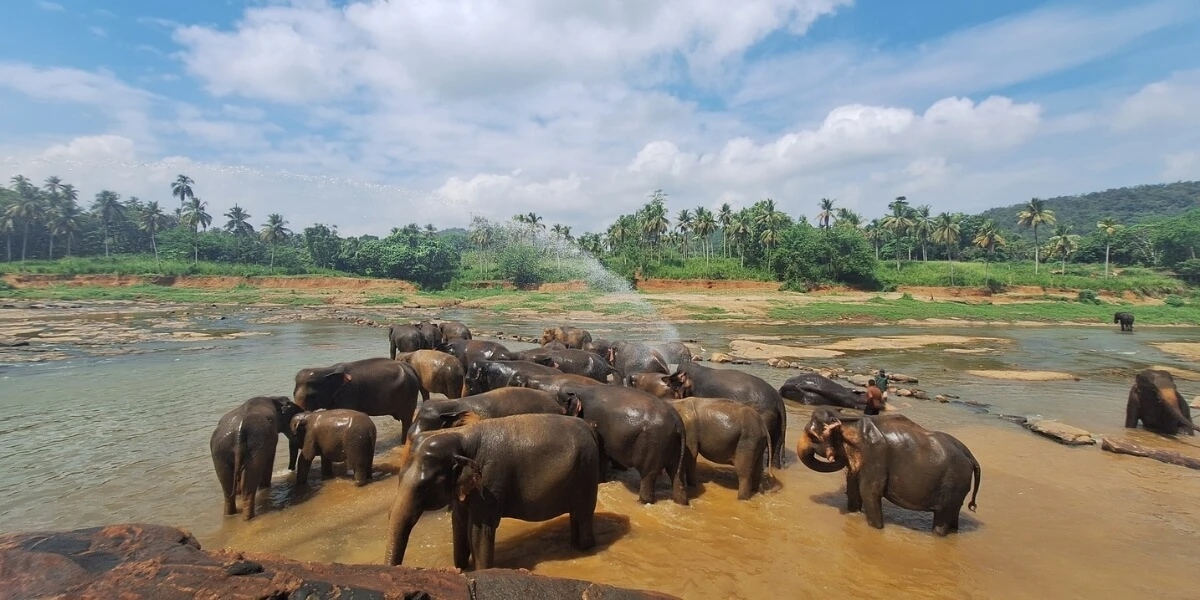
The Ethical Alternative: Visit the Elephant Transit Home (ETH) in Udawalawe, supported by the Born Free Foundation. The ETH rescues orphaned elephant calves from the wild, rehabilitates them, feeds them a specialized milk formula, and—most importantly—releases them back into the wild when they are strong enough. You can watch the feeding times from a viewing platform, but there is absolutely no human-elephant contact allowed for tourists.
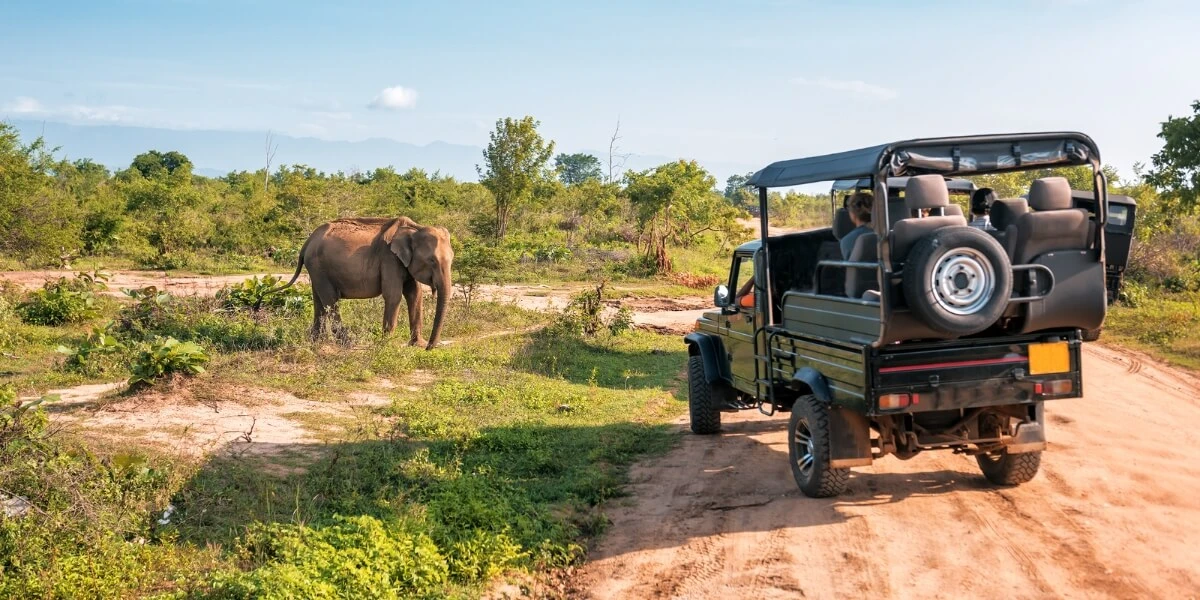
3. Speak Up During Your Safari
When booking a jeep safari, make it explicitly clear to your driver and tracker that you prefer a quiet, respectful experience over joining a "jeep jam." Tell them you do not want them to speed or harass the animals for a closer photo. A small tip offered at the beginning of the trip with the caveat that "we want to take it slow and respect the park rules" goes a very long way in changing local driver behavior.
🎒 Part 5: Practical Logistics & Safari Tips
To ensure you get the most out of your wildlife adventure, preparation is key.
What to Pack for a Safari
Muted Clothing: Avoid bright colors like neon pink, red, or stark white. Wear natural tones (khaki, olive, brown, grey) to blend into the environment and avoid startling the animals.
Dust Protection: During the dry season, the jeep tracks turn to fine red powder. Bring a bandana or buff to cover your mouth and nose, and keep your camera equipment in a dust-proof bag when you aren't shooting.
Sun Protection: Safaris involve sitting in an open-topped jeep under the equatorial sun. A wide-brimmed hat, polarized sunglasses, and reef-safe sunscreen are non-negotiable.
Binoculars: Do not rely solely on your camera's zoom. A good pair of binoculars (8x42 or 10x42) will allow you to spot elusive birdlife and watch leopards moving deep in the brush.
Photography Gear Guide
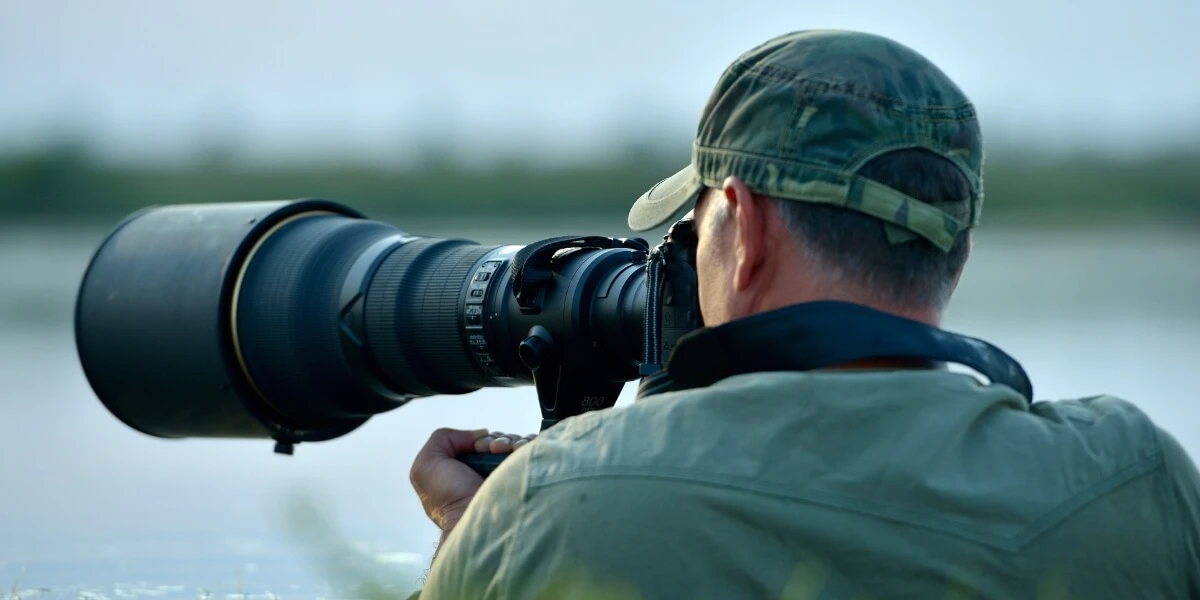
If you are coming to Sri Lanka specifically for photography, your standard smartphone won't cut it for distant wildlife.
Lenses: You need a telephoto lens. A 70-200mm is okay for elephants, but for leopards and birds, you really want a 100-400mm or even a 150-600mm lens.
Stabilization: Jeeps are bouncy, and engines vibrate. Bring a beanbag (you can buy them empty and fill them with rice or beans locally) to rest your massive lens on the metal bars of the jeep for stabilized, sharp shots.
Booking Your Safari
You do not need to book a jeep months in advance. Every town bordering a national park (like Tissamaharama for Yala, or Udawalawe town) is overflowing with independent jeep operators. You can easily arrange a safari through your guesthouse the night before.
Estimated Costs (2026): A private jeep will cost around $30-$45 USD. Park entrance fees for foreigners are roughly $30-$35 USD per person. A customary tip for a good driver/tracker is around 1,500 - 3,000 LKR.
Conclusion
Sri Lanka offers a wildlife experience that rivals anywhere else on earth, condensed into a beautifully chaotic, culturally rich, and incredibly welcoming island. Whether you are holding your breath as a leopard steps out of the Wilpattu brush, or listening to the deep, resonant exhale of a blue whale off the coast of Mirissa, these encounters will stay etched into your memory forever.
By choosing ethical operators, respecting the wild spaces, and bringing a healthy dose of patience, you will discover exactly why Sri Lanka is the undisputed wildlife crown jewel of Asia.