The Thing Nobody Tells You About Safari Costs
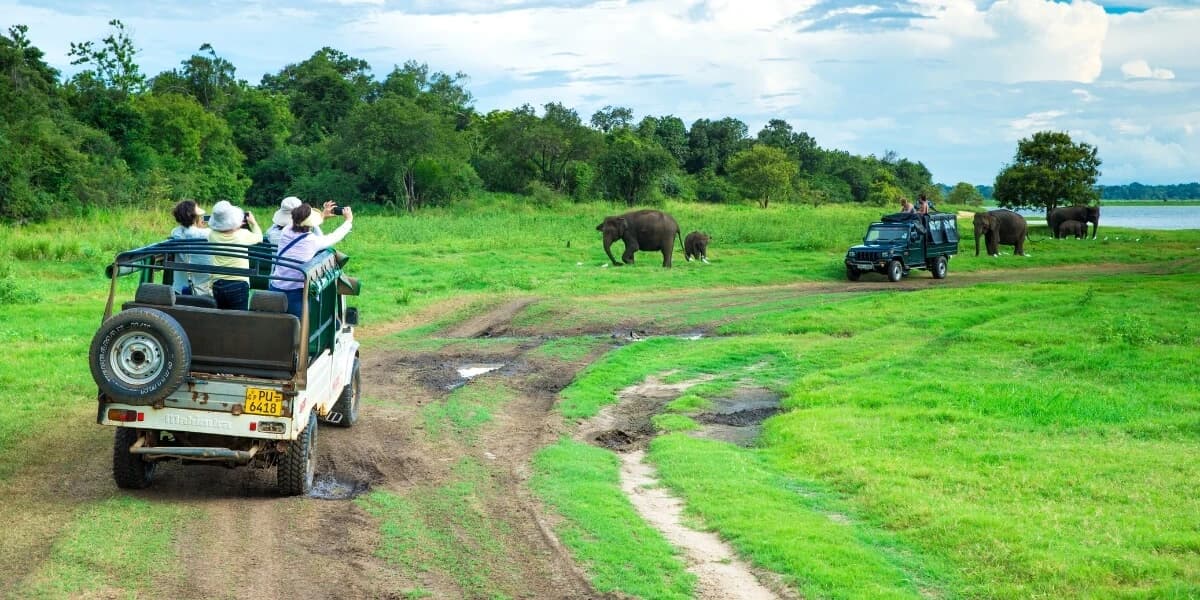
A safari in Sri Lanka is not the $15 adventure the travel brochures imply. It is the single most expensive activity most tourists undertake on the island, and the pricing is deliberately confusing.
Here is how it actually works.
There are three separate charges. The first is the national park entrance fee, set by the Department of Wildlife Conservation. As of January 2026, this is approximately $40 USD per adult for foreigners at the major parks — Yala, Udawalawe, Wilpattu, Minneriya, and Kaudulla. Horton Plains charges around $35. Children aged six to twelve pay roughly half. These fees are pegged in US dollars but paid in Sri Lankan rupees at the gate.
You cannot pay by card. Bring cash.
The second charge is the safari jeep. You cannot enter the parks on foot or in your own vehicle. A 4x4 with a driver is mandatory, and the cost is per vehicle, not per person. A half-day jeep at Yala runs between 14,000 and 17,000 LKR (roughly $45-55 USD). A full day is 28,000 to 34,000 LKR ($90-110). These prices are split among the passengers — most jeeps take up to six people — so the per-person cost drops significantly with a larger group.
The third charge is government tax and service fees, which add another 10-15% on top.
Add it all up. A solo traveller doing a half-day safari at Yala will pay approximately $90-100 USD all-in. A couple sharing a jeep: roughly $65-70 per person. A group of four: about $50-55 each. A full-day safari, which dramatically increases your chances of seeing the big animals, runs $110-130 per person for a couple.
These are not small numbers in a country where a rice-and-curry lunch costs $1.50. But here is the important part: which park you choose determines whether that $90 buys you the wildlife experience of a lifetime or four hours of inhaling diesel fumes behind a convoy of identical jeeps. Choose well.
The Six Parks Worth Considering (And What Each One Is Actually Best For)
Yala National Park: The Leopard Park (With Caveats)
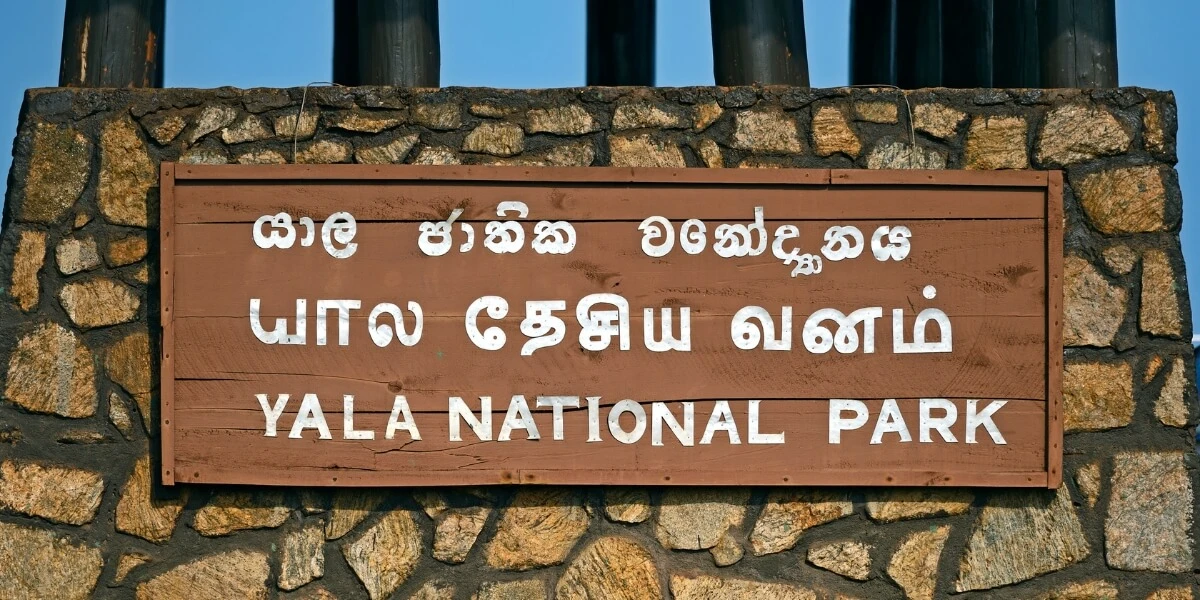
Yala is famous for one reason: it has the highest density of wild leopards on Earth. There are an estimated 350 across the park, with 25 to 50 in Block 1 — the only section most tourists visit. Your chances of seeing a Sri Lankan leopard here are legitimately better than anywhere else on the planet.
Now the caveats.
Yala is also the most visited national park in Sri Lanka, and during peak season — December through March — Block 1 becomes something close to a motorway. Two hundred jeeps is not an exaggeration on a busy morning. When a leopard is spotted, a traffic jam forms around it within minutes. Drivers jostle for position. Engines idle.
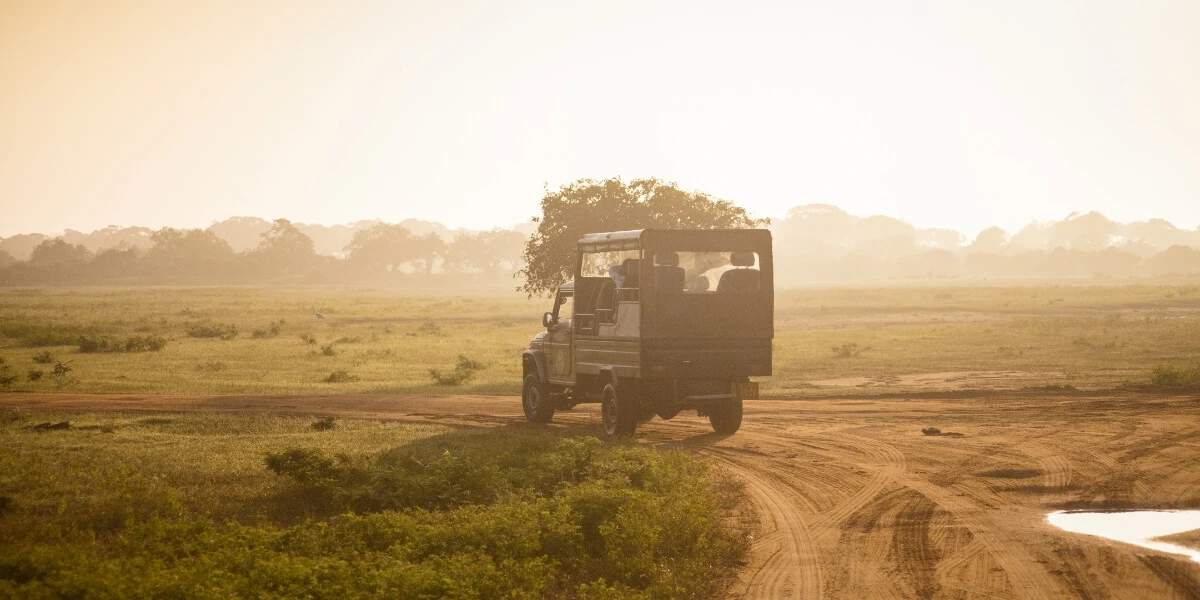
Tourists lean out of vehicles with telephoto lenses while the leopard, understandably, looks like it wishes it had chosen a different career.
The park itself is stunning — dry woodland, open grassland, waterholes fringed by ancient trees, and a coastline where the Indian Ocean crashes against rocks while crocodiles sun themselves nearby.
Besides leopards, you will almost certainly see wild elephants (around 300 live in the park), spotted deer, water buffalo, mongooses, monitor lizards, and extraordinary birdlife — over 200 species, including six endemic to Sri Lanka.
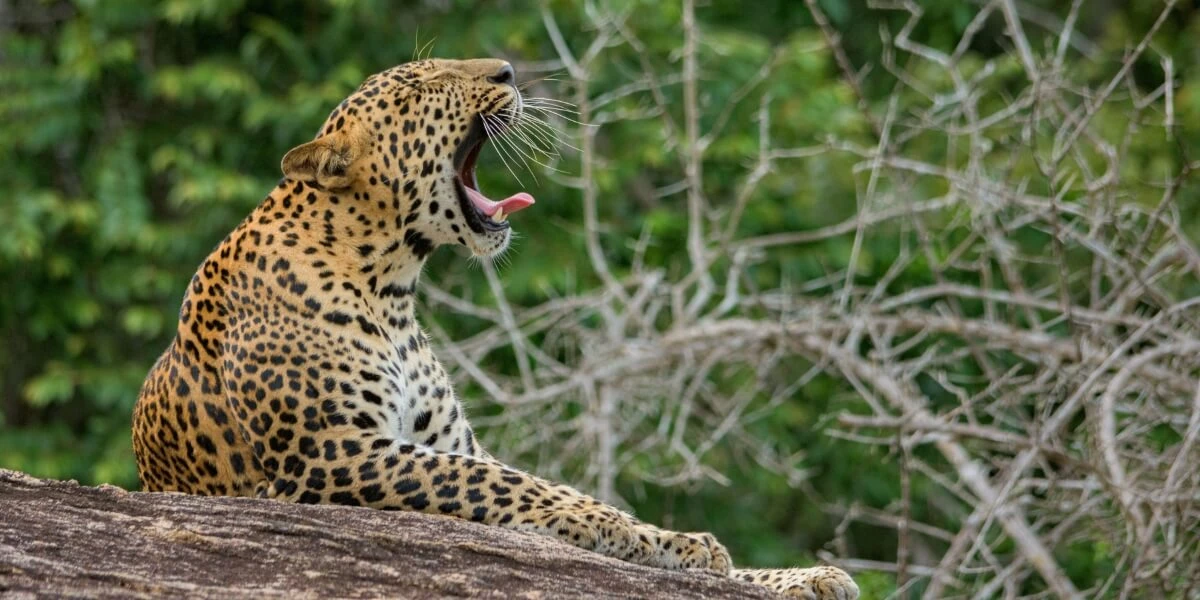
Who should go: Wildlife photographers with experienced guides who know leopard behaviour and can position early. Anyone for whom seeing a wild leopard is a genuine life goal. Visitors with the budget for a full-day safari or a dedicated lodge within the buffer zone, which allows multiple entries and dawn starts before the crowds arrive.
Who should not go: People who dislike crowds. First-time safari-goers who want an immersive, quiet experience. Budget travellers for whom $90+ per person represents a significant chunk of their daily spend. Families with young children who will get bored during the long dusty drives between sightings.
When to go: February to July offers the best leopard sightings — the dry season forces animals toward waterholes. The park closes in September and part of October for maintenance. Avoid the Christmas-to-New-Year window unless you enjoy being the 180th jeep at a waterhole.
What it costs: Entrance fee approximately $40 per adult. Half-day jeep $45-55. Full-day jeep $90-110. Total for two adults, half day: roughly $135-150. Full day: $220-260.
Udawalawe National Park: The One You Should Probably Choose Instead
If Yala is the park everyone talks about, Udawalawe is the park everyone who has been to both recommends.
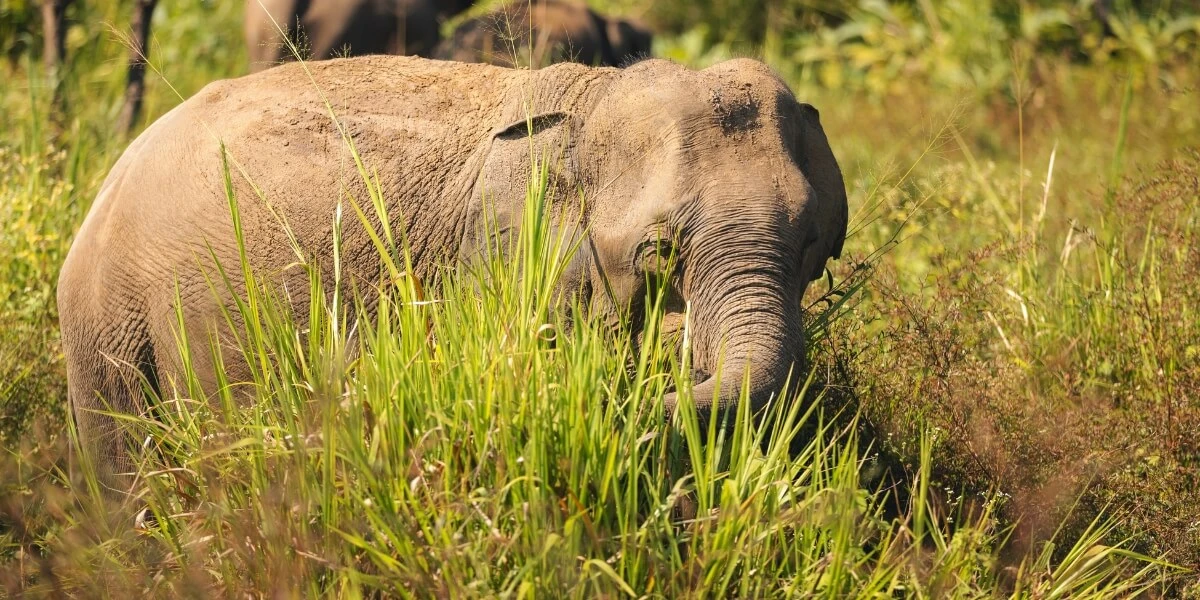
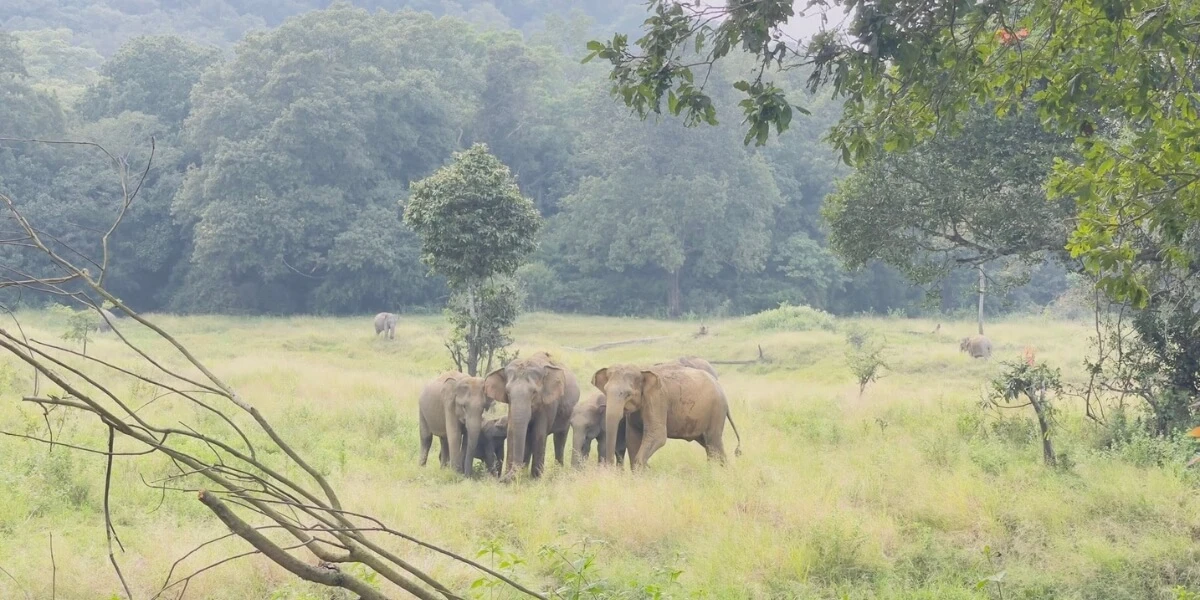
The reason is elephants. Udawalawe has the highest concentration of wild Asian elephants in Sri Lanka — several hundred roam freely across 308 square kilometres of open grassland, scrubland, and marshes.
Unlike the dense jungle of Yala where animals hide behind vegetation, Udawalawe's landscape is open. You see the elephants from a distance, watch them approach, and often find yourself surrounded by a herd with no other jeep in sight.
This is the critical difference. Udawalawe is less famous than Yala, which means fewer tourists, fewer jeeps, and a safari experience that actually feels like a safari rather than a guided tour through a car park.
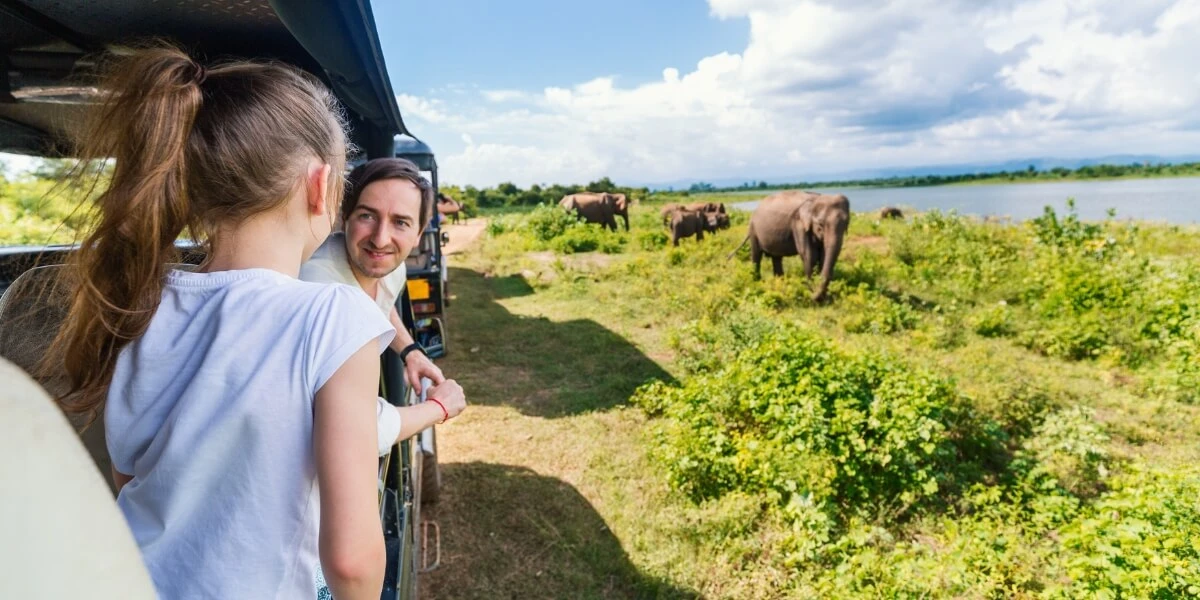
You will not see leopards here with any reliability — the population is small, perhaps 10-12 animals. But you will see elephants in numbers that make the Yala herds look modest. You will see peacocks displaying in the grassland. You will see water buffalo at the reservoir edge. You will hear the silence that makes wildlife viewing a genuinely moving experience rather than a photographic transaction.
The Elephant Transit Home near the park entrance is a rehabilitation facility where orphaned elephants are raised and eventually released back into the wild. It is the ethical alternative to the Pinnawala Elephant Orphanage, which animal welfare organisations have criticised for years. Feeding times — typically between 9 AM and noon, and again at 3 PM — are worth building into your visit.
Who should go: First-time safari visitors. Families with children (the open landscape and guaranteed elephant sightings keep everyone engaged). Budget-conscious travellers — Udawalawe offers arguably the best value safari in Sri Lanka. Anyone who wants the feeling of being in wild Africa without the African price tag.
Who should not go: Visitors whose primary goal is photographing leopards.
When to go: Year-round. Unlike many parks, Udawalawe has no closure period and no pronounced "best season." Elephants are visible any month. The dry season from May to September concentrates animals around water sources, making them marginally easier to spot.
What it costs: Entrance fee approximately $40 per adult. Half-day jeep $40-50. Total for two adults, half day: roughly $120-140.
Wilpattu National Park: The One for People Who Hate Crowds
Wilpattu is the largest national park in Sri Lanka and, by any reasonable measure, the most beautiful. It is defined by villus — natural sand-rimmed lakes scattered through dense jungle — and the wildlife gathers around these lakes in a landscape that feels untouched and ancient in a way that Yala's Block 1, with its gravel roads and jeep queues, does not.
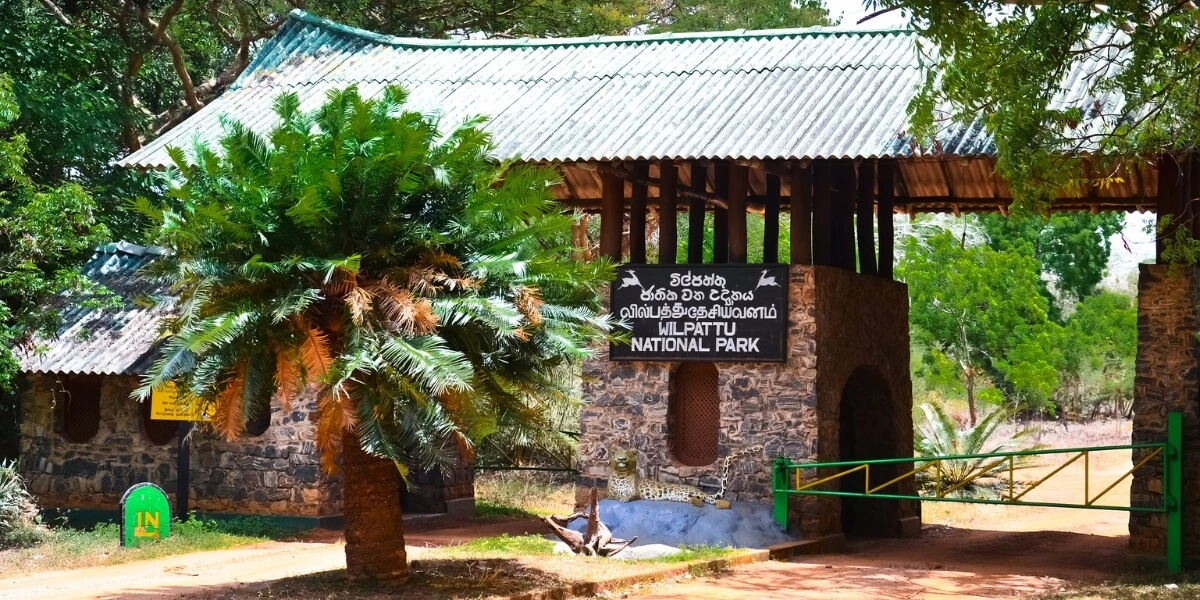
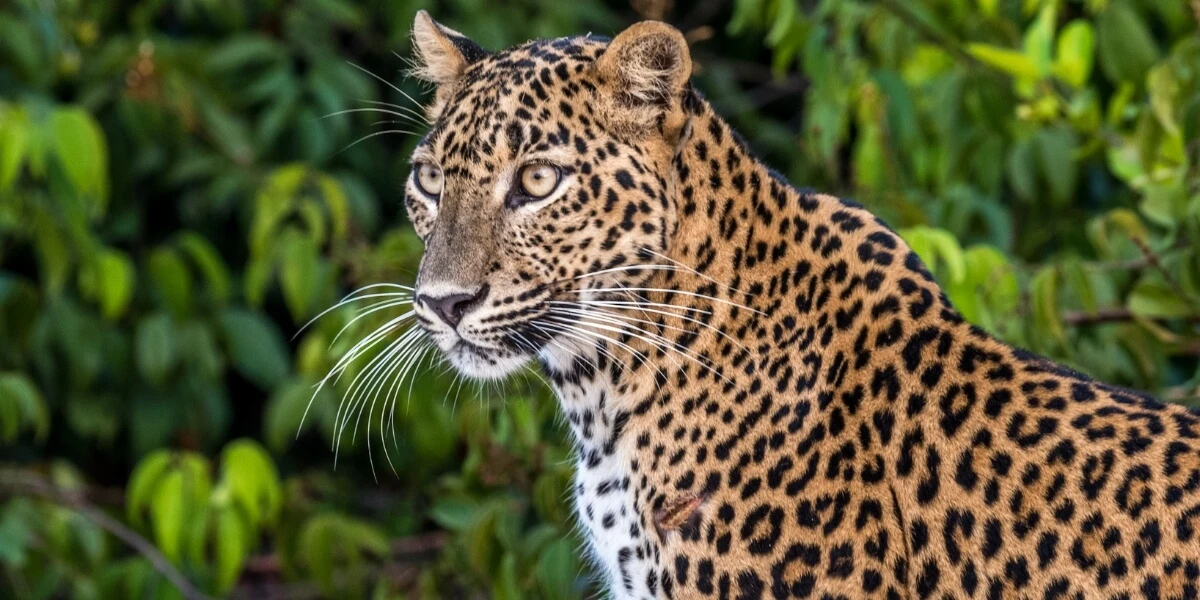
Wilpattu has leopards. It has sloth bears — large, shaggy, and almost comically dishevelled, and more commonly spotted here than in any other park. It has elephants, though in smaller numbers than Udawalawe. It has spectacular birdlife. And it has almost no crowds. On a weekday outside peak season, you may be the only jeep on the road for an hour at a time.
The park is located in the northwest, which makes it less convenient for the standard southern-coast itinerary. Most tourists visit Sri Lanka on a clockwise or anticlockwise loop that runs Colombo-Kandy-Ella-Yala-Galle. Wilpattu sits outside this loop, which is precisely why it is quiet. Getting there requires a dedicated detour — roughly three hours north of Colombo — but the reward is a park that offers the atmosphere that Yala has lost to its own popularity.
Who should go: Serious wildlife enthusiasts. Photographers who prioritise light and solitude over guaranteed sightings. Repeat visitors to Sri Lanka who have already done Yala. Anyone who values the quality of the experience over the quantity of animals counted.
Who should not go: First-time visitors on a tight schedule who cannot justify the detour. Anyone who wants guaranteed elephant herds.
When to go: February to October. The park can close temporarily during heavy monsoon rains.
What it costs: Entrance fee approximately $40 per adult. Jeep prices are comparable to Yala. The overall cost is similar, but you are paying for a fundamentally different experience.
Minneriya National Park: The Elephant Gathering (One of Nature's Great Spectacles)
Between July and October, something happens at Minneriya that has no equivalent anywhere else in Asia.
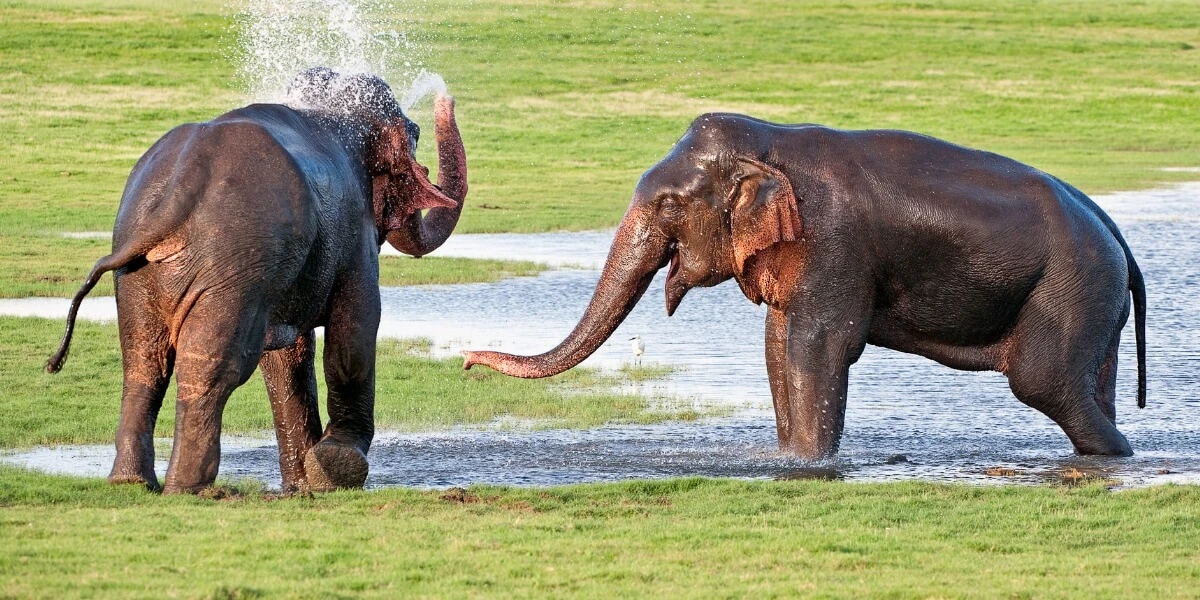
As the dry season drains the surrounding countryside, the ancient Minneriya Tank — a reservoir built by a king in the third century AD — becomes one of the last remaining water sources in the region. Elephants begin to arrive. Dozens at first, then hundreds. By mid-August, as many as 300 to 500 wild Asian elephants gather around the receding shoreline to drink, bathe, socialise, and feed on the lush grass exposed by the falling water.
It is called "The Gathering" and it is one of the largest concentrations of wild Asian elephants on the planet.
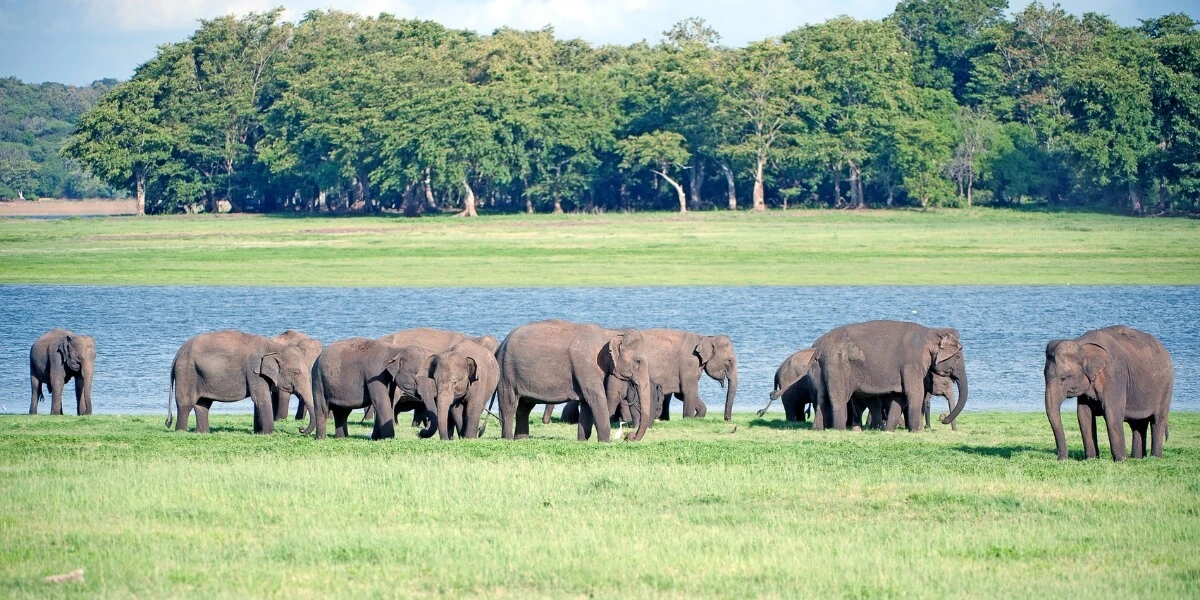
Outside the gathering season, Minneriya is a pleasant but unremarkable park. During The Gathering, it is extraordinary. Herds of 50 or more elephants move across the open plain. Bulls spar at the waterline. Calves play in the mud. The scale of it — hundreds of elephants in a single field of vision — is something that photographs struggle to convey.
Who should go: Anyone visiting Sri Lanka between July and October. This is a once-in-a-lifetime spectacle that requires no expert guide and no early wake-up.
Who should not go: Visitors outside the gathering season. From November to June, Minneriya is fine but unremarkable — the elephants disperse when the rains return.
When to go: July to October only. Peak gathering is typically August to September. Check locally for the precise timing, which shifts with rainfall.
What it costs: Entrance fee approximately $40 per adult. Half-day jeep $35-50. Total for two adults: roughly $115-140.
Bundala National Park: The Birdwatcher's Park
Bundala is a coastal wetland park between Yala and Hambantota. It is not glamorous. It does not have leopards. It will never appear on a "Top 10 Most Instagrammable Safaris" list. What it has is some of the finest birdwatching in South Asia and almost no tourists.
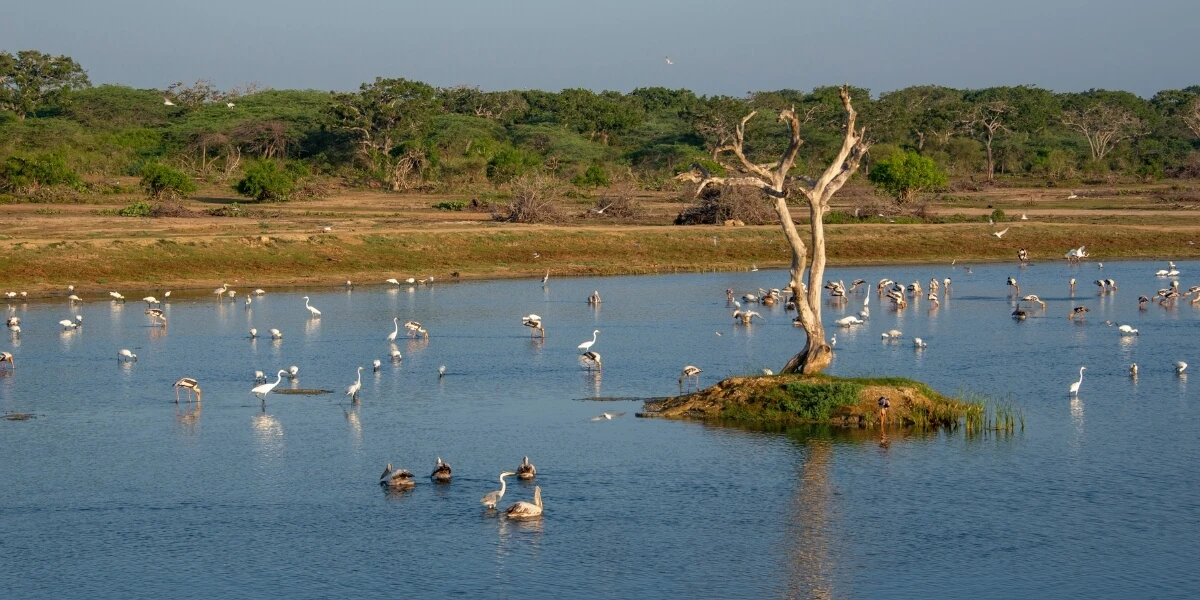
Between November and March, thousands of migratory birds descend on Bundala's lagoons and salt pans. Flamingos — greater and lesser — are the headline act, turning the shallows pink in good years. Painted storks, spoonbills, pelicans, and over 200 other species share the habitat.
Crocodiles bask on the mudflats. Between October and January, five of the world's seven sea turtle species come ashore to nest on Bundala's beaches.
It is quiet, it is cheap, and it rewards patience in a way that the big parks, with their guaranteed megafauna, do not.
Who should go: Birdwatchers. Wildlife photographers who want uncrowded conditions and unusual subjects. Travellers already visiting the southern coast who want a safari experience without the Yala price tag. Turtle enthusiasts visiting between October and January.
Who should not go: Visitors expecting big mammals. Bundala has elephants, but sightings are less frequent than Udawalawe. The landscape — lagoons, scrub, salt pans — does not have the dramatic grandeur of Wilpattu or the open savannah feel of Udawalawe.
When to go: November to March for migratory birds and nesting turtles. The park is open year-round but quieter and less rewarding outside the migration season.
What it costs: Entrance fees are lower than the major parks — approximately $25-30 per adult. Jeep costs are also lower. Total for two adults: roughly $80-100.
Gal Oya National Park: The One Nobody Knows About
Gal Oya is the hidden gem. Located in the east-central part of the island around Sri Lanka's largest reservoir — Senanayake Samudra — it offers something no other national park in the country provides: boat safaris.
You board a small boat at dawn and motor across the reservoir. Elephants swim between islands. Herds gather on the shoreline. The water is still. The light is extraordinary. And there is not a single jeep anywhere, because there are no roads — just water, wildlife, and silence.
Gal Oya is also home to the Vedda community, one of Sri Lanka's indigenous peoples, who offer guided cultural experiences for visitors. The combination of boat safari, jungle trekking, and indigenous culture creates a depth of experience that none of the more famous parks can match.
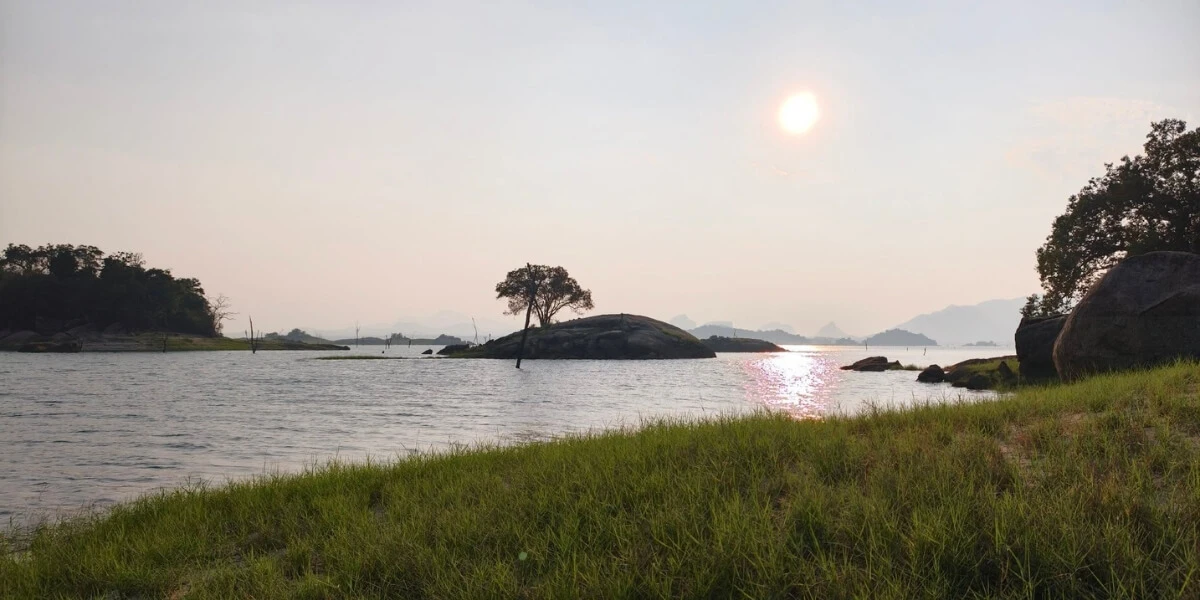
The catch: Gal Oya is remote. Getting there takes effort. Accommodation options are limited to a handful of lodges, the most notable being Gal Oya Lodge, which operates in partnership with the local community. This is not a half-day detour. It is a two-or-three-day commitment. But for travellers who want something beyond the standard itinerary, it is unmatched.
Who should go: Adventurous travellers with flexible itineraries. Anyone who has already seen the south-coast parks and wants something completely different. Wildlife photographers who want a boat-based perspective.
Who should not go: Visitors on tight schedules. Budget travellers — the remoteness and limited accommodation options mean Gal Oya is more expensive per night than parks with competition.
When to go: March to July is ideal. The reservoir levels are lower, concentrating wildlife along the shoreline and islands.
What it costs: Varies. Most visitors book through Gal Oya Lodge or a tour operator, and packages typically include accommodation, boat safaris, and meals. Expect $150-300 USD per person per day for the full experience.
The Decision Matrix: Which Park Matches Your Trip
If you want leopards and can tolerate crowds: Yala.
If you want elephants and a genuine safari feeling: Udawalawe.
If you want solitude and atmosphere: Wilpattu.
If you are visiting between July and October: Minneriya for The Gathering. Do not miss it.
If you love birds and quiet places: Bundala.
If you want something nobody else has done: Gal Oya.
If you can only do one and want the safest bet: Udawalawe. It delivers reliably, affordably, and memorably for every type of traveller.
How to Not Get Ripped Off (The Booking Reality)
Safari bookings in Sri Lanka are a minor industry of commissions, middlemen, and inflated pricing. Here is how to navigate it.
Your accommodation will offer to arrange a safari.
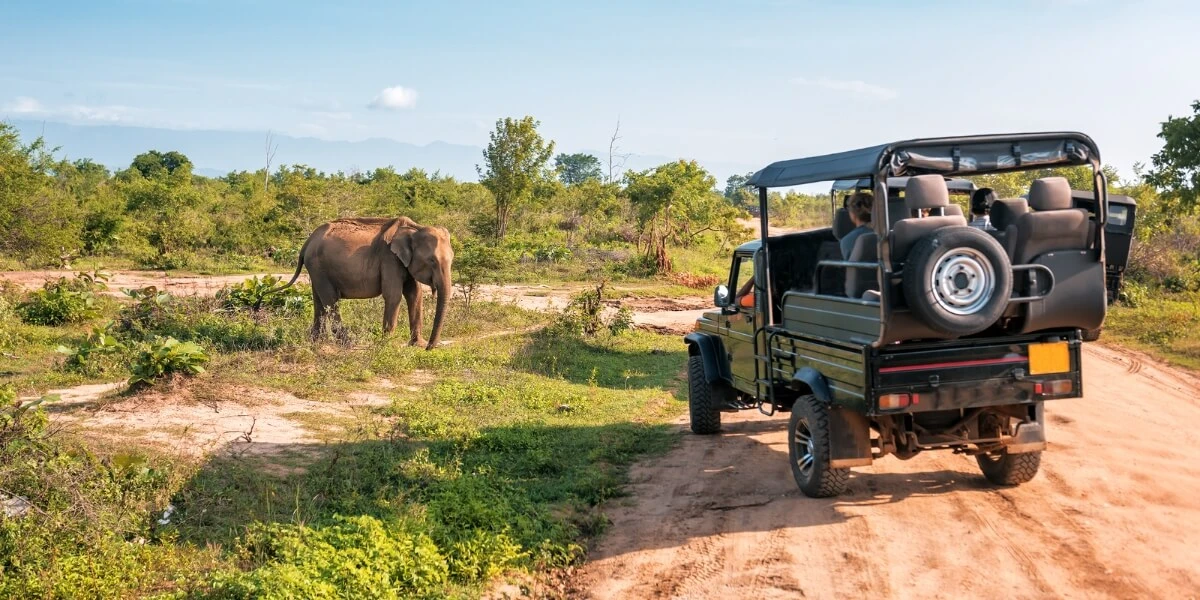
This is usually the simplest option. Guesthouses in Tissamaharama (for Yala), Embilipitiya or the park vicinity (for Udawalawe), and Habarana or Sigiriya (for Minneriya) all have relationships with local jeep operators. The markup is typically modest — 10-20% above what you would pay booking directly — and the convenience is worth it for most travellers.
If you want to book directly, go to the park entrance in the morning and negotiate with the jeep drivers who congregate there. This gives you the lowest price but the least control over the quality of the vehicle and the knowledge of the driver.
The third option — and the one we recommend for Yala specifically — is to book through a reputable operator in advance. Ask your accommodation for a recommendation and confirm the following details in writing before you pay: the exact vehicle you will ride in (not a different, worse one on the day), the maximum number of passengers (six in a jeep is legal but miserable — four is comfortable), whether the driver doubles as a guide or whether a separate naturalist is included, and what time you will enter the park.
Dawn safaris — entering the park when the gates open at approximately 5:30 AM — are dramatically better than mid-morning departures. Animals are active. Light is soft. And you are ahead of the convoy. If your operator cannot guarantee a dawn start, find one who can.
Avoid the tour packages sold by touts in Ella, Mirissa, and Unawatuna that bundle a Yala safari with hotel pickup and drop-off. These typically use the cheapest jeeps, the least experienced drivers, cram six passengers into every vehicle, and spend as much time on the road as in the park.
What to Bring (And What Everyone Forgets)
Cash in Sri Lankan rupees. The entrance gates do not accept cards. Full stop.
Water. At least two litres per person. The parks are hot, the jeeps are open, and dehydration turns a four-hour safari into an endurance test.
A hat and sunscreen. The equatorial sun at 10 AM in an open jeep is no joke.
Binoculars, if you have them. The animals are not always close, and a decent pair of binoculars transforms a distant grey shape into a leopard lying on a rock.
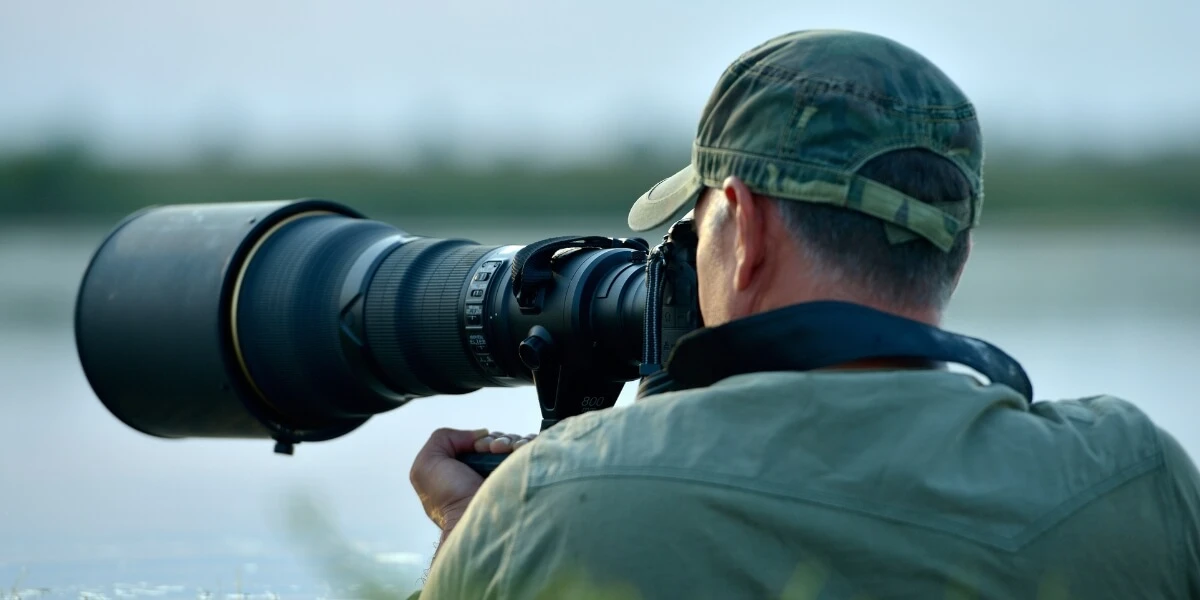
A camera with a zoom lens. Phone cameras are fine for elephants at close range but useless for birds and distant leopards. If you do not own a telephoto lens, some lodges and operators offer them for rent.
A light layer. Morning safaris start in darkness and the air at dawn, particularly in the hill-country parks, is cooler than you expect.
Insect repellent. The mosquitoes in Sri Lanka's national parks are enthusiastic and numerous.
Patience. Wildlife operates on wildlife time, not tourist time. The best sightings come to those who wait quietly, not those who demand their driver race to the next waterhole.
The Ethical Question: Elephants, Orphanages, and What You Should Support
Sri Lanka has a complicated relationship with its elephants. The island is home to approximately 7,500 wild Asian elephants — one of the largest populations in the world — and human-elephant conflict is a genuine, ongoing crisis. Elephants damage crops. Farmers retaliate. Young elephants are orphaned. The question of what to do with those orphans has produced both ethical successes and ethical failures.
The Pinnawala Elephant Orphanage, which many tour operators still include on itineraries, has been criticised by animal welfare organisations for years. Elephants are chained. Rides are offered. The conditions do not meet modern standards.
The Elephant Transit Home at Udawalawe operates on a fundamentally different model. Orphaned calves are rehabilitated with minimal human contact and released back into the wild when they are ready. It is not a petting zoo. You observe from a distance. The elephants behave like elephants, not like attractions. If you want to see captive elephants in Sri Lanka, this is the place to do it ethically.
Better still, see them in the wild. Udawalawe, Minneriya, and Yala all offer encounters with free-roaming herds that require no chains, no handlers, and no compromise.
Frequently Asked Questions
Which is the best safari in Sri Lanka for first-time visitors?
Udawalawe National Park. It offers reliable elephant sightings, open landscapes that make wildlife easy to spot, fewer crowds than Yala, lower costs, and a consistently rewarding experience regardless of season. It is the safest recommendation for any traveller who wants a single outstanding safari.
Is Yala National Park worth the hype?
Yes, if your primary goal is seeing a wild leopard and you are willing to invest in a quality guide and an early start. No, if you expect a serene wilderness experience — Yala's Block 1 is heavily trafficked during peak season and the crowds can detract from the experience. For most travellers, Udawalawe or Wilpattu will deliver a more satisfying overall safari.
How much does a safari in Sri Lanka cost in 2026?
A half-day safari for two adults costs approximately $120-150 USD all-in at the major parks (Yala, Udawalawe, Wilpattu, Minneriya), including entrance fees, jeep hire, and taxes. Solo travellers pay more per person. Groups of four to six pay less. Full-day safaris at Yala cost $220-260 for two adults.
Can I see leopards outside of Yala?
Yes. Wilpattu National Park has a leopard population and far fewer visitors, though sighting probability is lower than Yala's Block 1. Udawalawe has a small leopard population — sightings are rare but do occur. For the highest chance of a leopard encounter, Yala remains the best option.
When is the best time to see The Gathering at Minneriya?
July to October, with the peak typically in August and September. The exact timing depends on rainfall — in years with late rains, The Gathering may extend into October. In years with early rains, it may peak in July. Ask locally for current conditions.
Should I do a morning or afternoon safari?
Morning, without question. Gates open around 5:30 AM, and the first two hours offer the best wildlife activity, the best light for photography, and the fewest other vehicles. Afternoon safaris (entering around 2-3 PM) are a reasonable second option. Mid-morning safaris — starting at 8 or 9 AM — offer the worst combination of heat, crowds, and inactive animals.
Is the Pinnawala Elephant Orphanage ethical?
It has faced sustained criticism from animal welfare organisations regarding chaining practices and the offering of elephant rides. We recommend the Elephant Transit Home at Udawalawe instead, which rehabilitates orphaned elephants with minimal human contact and releases them into the wild.
Places Mentioned(7)
Yala National Park - Block VI
ලුනුගම්වෙහෙර ජාතික උද්යානය, Thanamalwila 91300, Sri Lanka
Wilpattu National Park
Sri Lanka
Kaudulla National Park
4V6P+78Q, Galoya Rd, Galoya 50150, Sri Lanka
Bundala National Park
Weligatta, bundala 82004, Sri Lanka
Minneriya National Park
Sri Lanka
Gal Oya Lodge
Rathugala, Wellassa, Galgamuwa, Inginiyagala Rd, Bibile 91500, Sri Lanka
Udawalawe National Park
Sri Lanka
Tap a place card to see more details • Swipe to see all 7 places