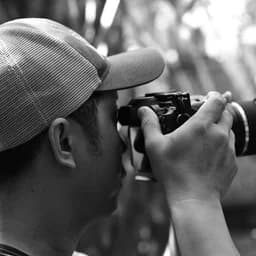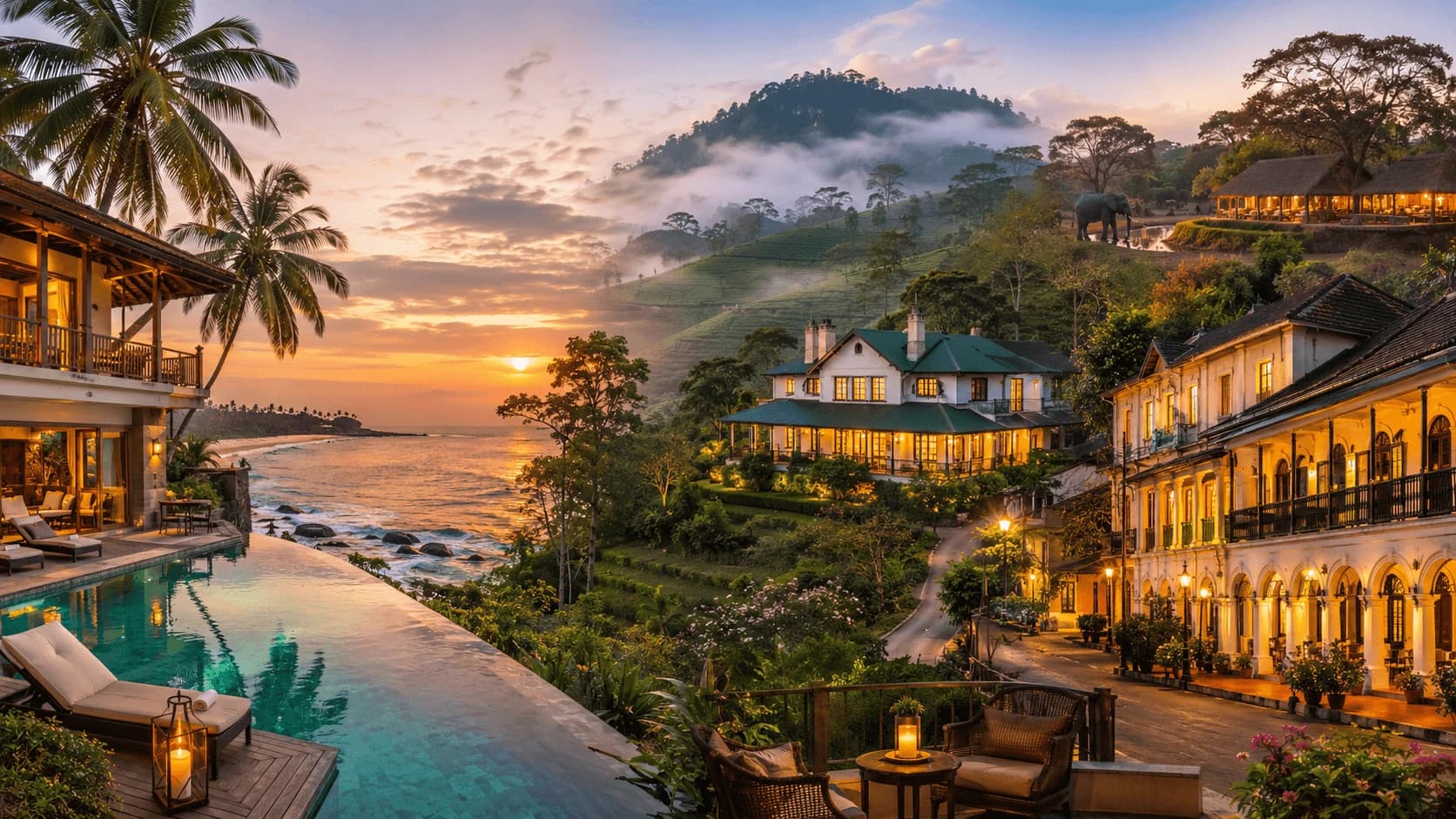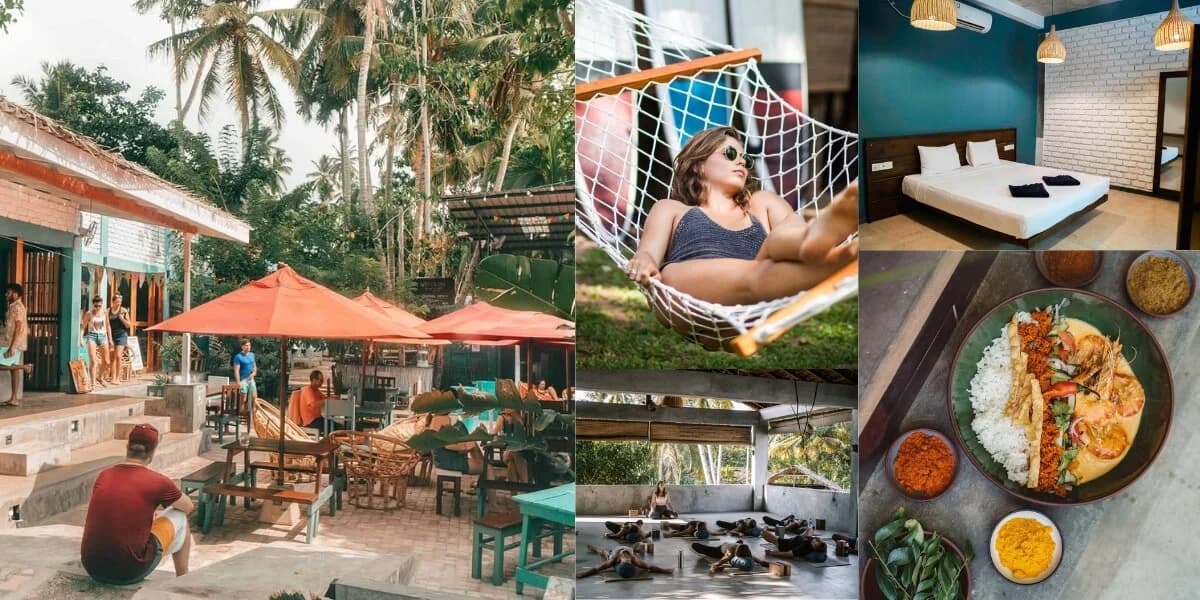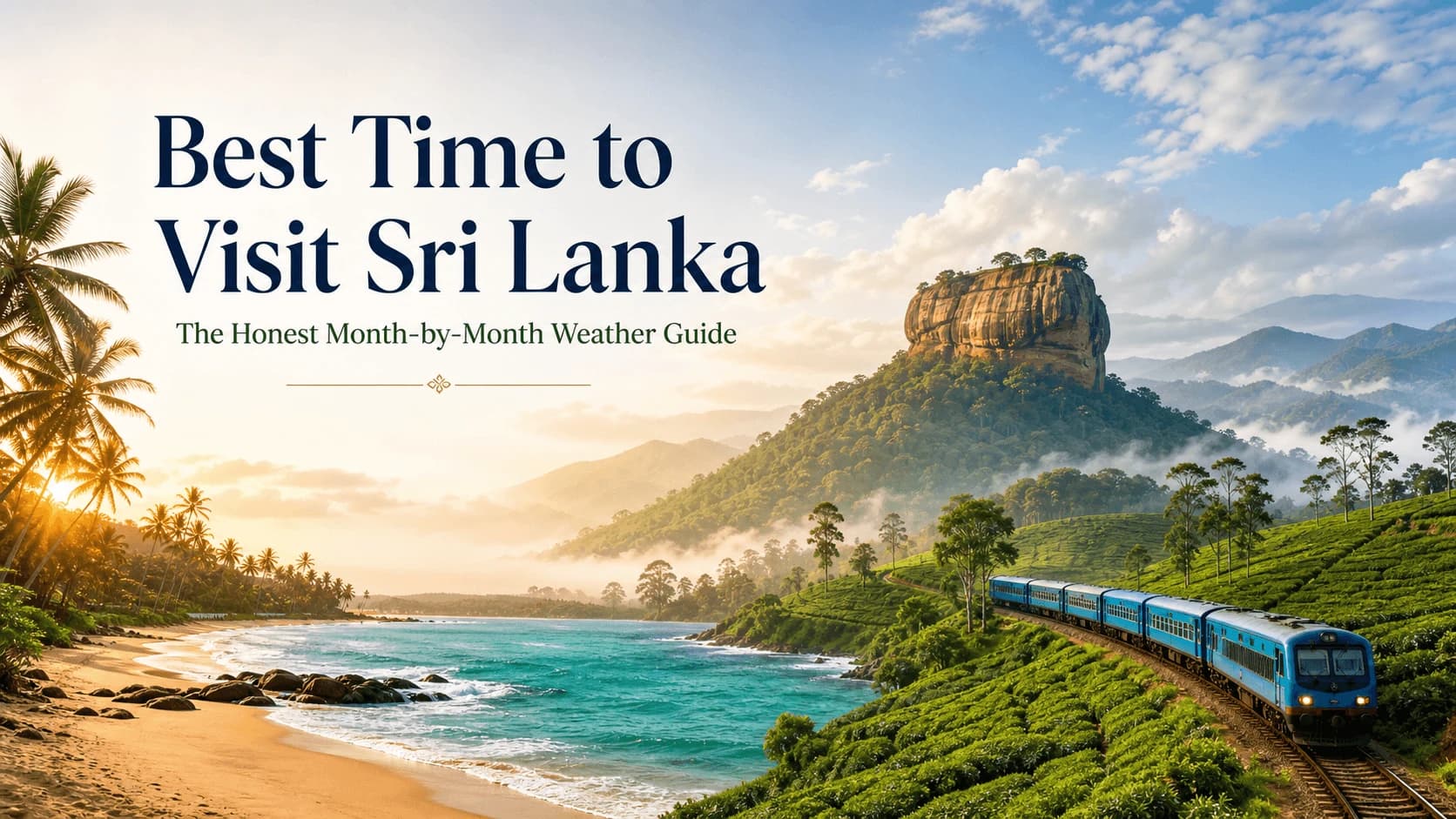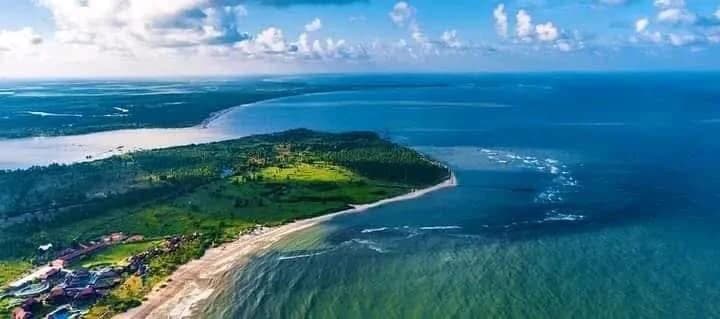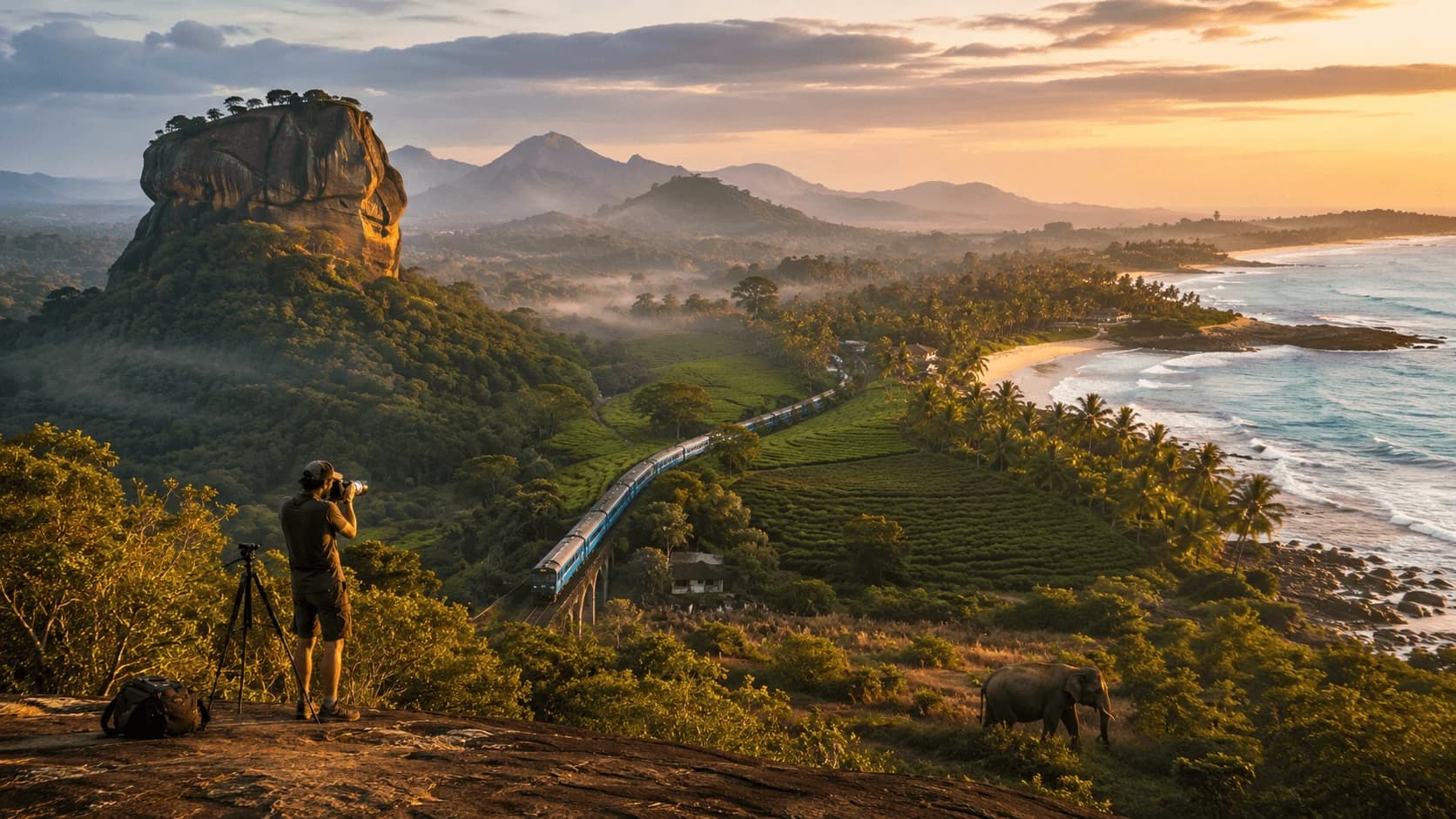
Sri Lanka is almost unfairly photogenic.
For a country you can cross in a day, it gives you an absurd range of scenes: ancient rock fortresses, misty tea fields, colonial streets, golden beaches, blue trains, jungle roads, elephants, leopards, fishermen, temples, waterfalls, markets, tuk-tuks, coconut palms, and sunsets that look edited before you even touch Lightroom.
But here is the honest truth.
The best Sri Lanka photos do not come from simply copying the same ten Instagram locations.
Yes, Sigiriya is stunning. Yes, Nine Arches Bridge is beautiful. Yes, Coconut Tree Hill in Mirissa looks good at sunset. But Sri Lanka is much richer than the obvious postcard shots.
The real magic is in the in-between moments.
A monk walking barefoot across warm stone in Anuradhapura.
A train guard leaning from a blue carriage in the hill country.
A tea plucker disappearing into morning mist.
A fruit seller arranging mangoes in Pettah.
A tuk-tuk driver waiting under a rain tree.
A leopard’s tail vanishing into Yala scrub.
A child flying a kite on Galle Face Green.
A fishing boat returning before sunrise on the east coast.
That is Sri Lanka.
This guide is for travellers who want to photograph the island properly — not just collect the same viral shots everyone else already has.
It covers the best photography locations in Sri Lanka, when to shoot them, what gear to bring, how to plan a photography-friendly route, how to photograph respectfully, and how to come home with images that feel like your trip, not someone else’s feed.
Why Sri Lanka Is So Good for Travel Photography
Sri Lanka works beautifully for photography because it has strong visual variety in a compact space.
In one trip, you can shoot:
Ancient architecture in Sigiriya, Dambulla, Polonnaruwa, and Anuradhapura.
Colonial streets in Galle Fort and Colombo.
Tea landscapes around Nuwara Eliya, Hatton, Haputale, and Ella.
Wildlife in Yala, Udawalawe, Wilpattu, Minneriya, Kaudulla, Bundala, and Gal Oya.
Beaches on the south, west, and east coasts.
Street life in Colombo, Kandy, Jaffna, Galle, Matara, and local towns.
Trains, stations, bridges, and mountain railways.
Temples, kovils, mosques, churches, and Buddhist sacred sites.
Food scenes, markets, spice shops, fish harbours, and roadside kitchens.
That variety is powerful for photographers because it keeps your visual story from becoming repetitive. A Sri Lanka album can move from ocean blue to tea green, from temple gold to jungle brown, from city chaos to mountain silence.
Sri Lanka’s official tourism listings also show how broad the island’s attraction mix is, covering places such as Sigiriya, Galle, Hikkaduwa, Kandy, Kalpitiya, Knuckles, Nuwara Eliya, Polonnaruwa, Sinharaja, Trincomalee, Wilpattu, and Yala.
The trick is not finding beautiful places.
The trick is photographing them at the right time, in the right way, with enough patience to move beyond the obvious frame.
The Best Time to Photograph Sri Lanka
The best time to photograph Sri Lanka depends on what kind of images you want.
For the classic south and west coast route — Galle, Mirissa, Weligama, Hiriketiya, Tangalle, Ella, Kandy, Sigiriya, and Yala — the safest photography season is usually December to March. This is when the south and west coasts generally have better beach weather, clearer skies, calmer seas, and active tourist infrastructure.
For the east coast — Trincomalee, Nilaveli, Uppuveli, Pasikuda, Batticaloa, and Arugam Bay — the strongest season is usually May to September.
For tea country, January to April often gives better chances of clear views, but mist can be beautiful at almost any time of year. In fact, tea country is one of the few places where “bad weather” can make better photos. Fog, drizzle, wet roads, moody valleys, and soft grey light can create far more interesting images than plain blue skies.
For wildlife, dry-season conditions can make animal movement easier to predict in some parks, but every park has its own rhythm. Yala, Udawalawe, Wilpattu, Minneriya, Kaudulla, Bundala, and Gal Oya all offer different photographic experiences.
For street photography, festivals, and cultural images, weather matters less than timing, respect, and patience.
The best light is simple:
Sunrise for landscapes, temples, beaches, and empty streets.
Early morning for markets, fishing harbours, tea estates, and safaris.
Late afternoon for portraits, beaches, and city scenes.
Blue hour for Galle Fort, Colombo, temple lights, and coastal silhouettes.
Overcast days for portraits, food, forests, and street photography.
Midday is the hardest time to shoot in Sri Lanka. The sun is high, contrast is harsh, people squint, colours flatten, and ancient sites become physically exhausting. Use midday for travel, lunch, editing, rest, hotel shots, interiors, or shaded details.
Best Photography Spots in Sri Lanka
1. Sigiriya: The Iconic Sri Lanka Shot
Sigiriya is probably Sri Lanka’s most famous photo location, and it deserves the attention.
The rock fortress rises dramatically from the flat central plains, surrounded by gardens, reservoirs, forest, and distant hills. The Sri Lanka Tourism Development Authority describes Sigiriya as an ancient rock fortress and palace ruin in the central Matale District, surrounded by gardens, reservoirs, and other structures, built during the reign of King Kassapa I from AD 477 to 495.
There are two main ways to photograph Sigiriya.
The first is from inside the site itself. This gives you the water gardens, stone stairways, lion paws, fresco areas, summit views, and ancient architecture. The second is from nearby viewpoints, especially Pidurangala Rock, where you can photograph Sigiriya as a giant shape rising from the landscape.
For most photographers, Pidurangala at sunrise is the money shot. You get Sigiriya in the distance, soft morning light, mist if you are lucky, and a wide view over the forest.
But do not only shoot the obvious wide frame.
Look for:
The symmetry of the water gardens.
People climbing the staircases.
Silhouettes near the summit.
Macaques moving through stone ruins.
Reflection shots after rain.
Details in brickwork and ancient walls.
Early morning mist over the jungle.
Best time to shoot: sunrise from Pidurangala, early morning inside Sigiriya, late afternoon for golden light.
Lens tips: wide-angle for landscapes, 24–70mm for travel scenes, telephoto for compressed views from Pidurangala.
Mistake to avoid: arriving late morning. The heat, crowds, and harsh sun will make the experience harder and the photos weaker.
2. Pidurangala Rock: The Best View of Sigiriya
Pidurangala is not just an alternative to Sigiriya. For photographers, it may be the better viewpoint.
The climb is shorter but rougher near the top. You need proper shoes, especially in the dark. At sunrise, you will often find other travellers waiting with cameras and phones, but the rock is wide enough to find your own angle if you move around carefully.
The classic shot is Sigiriya centred in the distance, with the sun rising nearby and the forest below. But the better shots often happen before or after the obvious sunrise moment.
Watch the colour changes. Watch the mist. Watch people sitting quietly on the rock. Watch the way the first light touches Sigiriya’s sides.
Best time to shoot: 30 minutes before sunrise until about one hour after sunrise.
Photography tip: expose for the highlights during sunrise, then lift shadows later if shooting RAW.
Respect tip: Pidurangala has a temple area near the base. Dress respectfully when entering temple spaces.
3. Dambulla Cave Temple: Low Light, Gold, and Sacred Atmosphere
Dambulla is one of the most important cultural photography locations in Sri Lanka.
The site is famous for its cave temples, Buddha statues, painted ceilings, and sacred atmosphere. SLTDA describes Dambulla as having the largest and best-preserved cave temple complex in Sri Lanka.
This is not a place for aggressive photography. It is a place to slow down.
The light inside the caves can be dim, warm, and uneven. That makes it challenging but beautiful. You are photographing gold surfaces, dark walls, shadowed statues, and devotional spaces. Flash should be avoided. In many sacred locations, flash is inappropriate or prohibited.
Focus on:
Hands offering flowers.
Oil lamps.
Ceiling paintings.
Statue silhouettes.
Bare feet on stone.
Pilgrims moving quietly.
Doorways framing the outside light.
Best time to shoot: early morning or late afternoon.
Camera tip: use a fast lens, raise ISO, shoot steady, and avoid flash.
Ethical tip: never pose disrespectfully with Buddha images. In Sri Lanka, turning your back to a Buddha statue for a selfie can be considered offensive.
4. Polonnaruwa: Ancient Ruins, Bicycles, Monkeys, and Stone
Polonnaruwa is one of the best places for ancient-city photography.
Compared with Anuradhapura, it feels more compact and easier to explore. You can photograph stone temples, Buddha statues, ruins, lakes, trees, monkeys, bicycles, and dry-zone landscapes.
The challenge is heat. Midday Polonnaruwa can be brutal.
Photographically, the light is also too harsh. Start early.
Look for frames where nature and history overlap: roots near stone, monkeys on ruins, cyclists passing ancient walls, shadows falling across carved surfaces.
Best time to shoot: early morning and late afternoon.
Lens tips: wide-angle for ruins, telephoto for monkeys and compressed stone details.
Mistake to avoid: trying to photograph every ruin equally. Build a story instead — wide establishing shots, medium scenes, human moments, details, and quiet frames.
5. Anuradhapura: Sacred Scale and Spiritual Photography
Anuradhapura is different from Polonnaruwa.
It feels more sacred, active, spread out, and devotional. This is one of the best places in Sri Lanka to photograph living Buddhist culture, but it requires sensitivity.
You may see pilgrims dressed in white, lotus flowers, incense, monks, stupas, prayer flags, temple trees, and families moving between sacred sites.
The best photographs here are not “tourist at monument” shots. They are quiet observations.
Photograph:
White-clad pilgrims walking toward stupas.
Flowers placed on stone altars.
Hands in prayer.
Long shadows near giant dagobas.
Monks under umbrellas.
Families resting under trees.
Moonstone details and carved steps.
Best time to shoot: sunrise, early morning, and late afternoon.
Respect tip: ask before photographing people closely. Avoid photographing private moments of prayer in an intrusive way.
Clothing tip: cover shoulders and knees. Remove shoes and hats where required.
6. Galle Fort: Sri Lanka’s Best Urban Photography Walk
Galle Fort is a dream for travel photographers.
It gives you colonial architecture, sea walls, lighthouse views, churches, mosques, cafes, boutique hotels, old doors, textured walls, schoolchildren, cricket games, cats, bicycles, vintage cars, and dramatic skies.
SLTDA notes that Galle reached the height of its development during the Dutch colonial period in the 18th century, which helps explain the fort’s distinctive architectural character.
Galle Fort is easy to photograph badly because everyone shoots the same lighthouse angle. That shot is fine, but do not stop there.
The better approach is to walk slowly.
Start before sunrise if you want empty streets and soft light. Shoot the ramparts, lighthouse, mosque area, sea walls, and old lanes. Later, photograph shopfronts, shadows, doors, cafes, and street details. At sunset, return to the ramparts for silhouettes.
Best time to shoot: sunrise, late afternoon, sunset, blue hour.
Photo ideas:
Lighthouse framed by palm trees.
People walking the ramparts at sunset.
Old doors and peeling walls.
Street cats in doorways.
Cricket games near the fort walls.
Cafe interiors with window light.
Reflections after rain.
Blue-hour street lamps.
Lens tips: 35mm or 50mm for street scenes, wide-angle for architecture, short telephoto for portraits and details.
Mistake to avoid: only photographing the lighthouse. Galle Fort’s best images are often in the side streets.
7. Colombo: Street Photography, Food, Markets, and Modern Sri Lanka
Colombo is underrated for photography.
Many travellers rush through it, but the city gives you a more current, complicated, and real visual story of Sri Lanka. It has colonial buildings, modern towers, markets, temples, seaside promenades, office crowds, street food, buses, tuk-tuks, railway tracks, luxury hotels, and working neighbourhoods.
Good Colombo photography areas include:
Pettah Market
Galle Face Green
Fort railway area
Slave Island
Gangaramaya Temple area
Independence Square
Red Mosque exterior in Pettah
Colombo Fort streets
Street food areas
Seaside sunset spots
Pettah is especially strong for colour, movement, signs, fruit, textiles, porters, vendors, and urban density. But it is also busy. Keep gear minimal, stay aware, and do not block people working.
Best time to shoot: early morning for markets, late afternoon for street life, sunset at Galle Face.
Photography tip: use a small camera setup. Colombo street photography works better when you move lightly.
Ethical tip: ask before close portraits. A smile and a small gesture toward your camera goes a long way.
8. Ella: Mist, Mountains, Trains, and Waterfalls
Ella is one of Sri Lanka’s most photographed hill country towns.
It has mountains, tea fields, waterfalls, hiking trails, viewpoints, cafes, railway tracks, and the famous Nine Arches Bridge. Recent travel coverage has also highlighted Ella’s mountain setting, tea landscapes, Nine Arches Bridge, waterfalls, and the Kandy-Ella rail experience as defining parts of the destination.
Ella is beautiful, but it is also busy. To photograph it well, you need timing.
Nine Arches Bridge is best early morning before the crowds build. The classic shot is the blue train crossing the bridge, but the quieter shots — mist around the arches, people walking the track, dogs sleeping near the rails, forest framing the bridge — can be more interesting.
Little Adam’s Peak is excellent at sunrise or late afternoon. Ella Rock is better if you want a longer hike and wider landscape views. Ravana Falls is easy to access but often crowded.
Best time to shoot: sunrise for hikes and Nine Arches, late afternoon for warm mountain light.
Photo ideas:
Train crossing Nine Arches Bridge.
Tea leaves with mountain background.
Misty valleys from Little Adam’s Peak.
Railway workers or station scenes.
Cafe balcony views.
Waterfall details.
Rain clouds moving through hills.
Mistake to avoid: walking on railway tracks carelessly. The trains are real, not props.
9. Kandy to Ella Train: Beautiful, Overhyped, Still Worth It
The Kandy to Ella train is one of Sri Lanka’s most famous travel photography experiences.
Yes, it is over-photographed. Yes, the hanging-out-of-the-door shot is everywhere. Yes, some people behave dangerously trying to recreate it.
But the journey itself is still visually powerful.
You get blue carriages, tea plantations, tunnels, stations, vendors, mountain curves, mist, forests, villages, and changing light. The best photos are not only from the door. They are inside the carriage too.
Photograph:
Hands holding train tickets.
Vendors walking through carriages.
Open windows and passing tea fields.
Station signs.
Passengers looking out.
Curves in the track.
Rain on windows.
Old fans, luggage racks, and seat details.
Best sections: around Nanu Oya, Haputale, Idalgashinna, and Ella.
Safety tip: do not lean dangerously from moving trains. No photo is worth a serious injury.
Camera tip: use a fast shutter speed for moving landscapes. Be ready before the scenery appears.
10. Nuwara Eliya and Tea Country: Green Layers and Soft Light
Tea country is one of Sri Lanka’s strongest photography regions.
Nuwara Eliya, Hatton, Haputale, Lipton’s Seat, Ramboda, Castlereagh, Bogawantalawa, and surrounding estates offer endless layers of green. SLTDA notes that Nuwara Eliya sits at 1,868 metres in the central highlands and is one of Sri Lanka’s important tea-producing areas.
The best tea country photos happen when you embrace weather.
Mist is not a problem. It is atmosphere.
Rain is not always bad. It makes leaves shine.
Clouds are not failure. They soften the light.
Shoot early morning for mist and workers in the fields. Shoot late afternoon for softer side light. Avoid flattening everything into one green blur. Look for lines, layers, human scale, roads, umbrellas, colour contrast, and texture.
Photo ideas:
Tea rows curving across hills.
Workers in colourful clothing.
Mist through eucalyptus trees.
Old tea factories.
Estate bungalows.
Train tracks through hills.
Waterfalls near roads.
Hands picking tea leaves.
Morning light over reservoirs.
Ethical tip: tea pluckers are workers, not props. Ask permission before close portraits and consider tipping respectfully if someone gives time for photos.
11. Haputale and Lipton’s Seat: Epic Hill Country Views
Haputale is less polished than Ella but often more rewarding for photographers.
Lipton’s Seat gives wide views over tea country, valleys, estates, and distant plains. The road itself is photogenic, especially early morning when mist moves through the tea.
The best plan is to leave before sunrise. Weather can change fast. You may get a perfect view for ten minutes and then complete cloud. That is part of the experience.
Best time to shoot: sunrise to early morning.
Lens tips: wide-angle for landscapes, telephoto for compressed layers of hills.
Mistake to avoid: arriving too late. By mid-morning, clouds often build and visibility can drop.
12. Mirissa: Coconut Palms, Harbour Life, and Whale Season Energy
Mirissa is known for beaches, whale watching, and Coconut Tree Hill.
Coconut Tree Hill is one of the most photographed coastal viewpoints in Sri Lanka. It is easy to understand why: red earth, leaning palms, blue ocean, and strong silhouettes. Travel photography tours commonly include it as a headline Mirissa photo stop, which shows how established it has become as a visual landmark.
But Mirissa has more to photograph than that hill.
Go early to the harbour. Photograph fishing boats, nets, workers, and morning activity. Walk the beach at sunrise. Shoot surfers, coconut sellers, dogs, cafes, and sunset silhouettes.
Best time to shoot: sunrise for quiet beach scenes, sunset for Coconut Tree Hill, early morning for harbour.
Mistake to avoid: treating Coconut Tree Hill as the only image. It is beautiful, but it is now heavily photographed.
Safety tip: be careful near cliff edges and rough sea areas.
13. Weligama and Ahangama: Surf Culture and Coastal Life
Weligama is perfect for surf photography.
The bay is wide, beginner-friendly, and full of movement. You can photograph surf lessons, boards, instructors, beach cafes, fishing boats, and soft evening light. SLTDA describes Weligama as a fishing town on the southern coast, known for its sandy bay, stilt fishermen, boutique hotels, and Taprobane island.
Ahangama is better for a more stylish, boutique, surf-culture feel. You get cafes, villas, reef breaks, palm-lined roads, and a younger creative scene.
Photo ideas:
Beginner surfers falling and laughing.
Surfboards lined on the beach.
Stilt fishermen silhouettes.
Taprobane Island from shore.
Palm shadows on roads.
Cafe lifestyle shots.
Golden-hour surf scenes.
Ethical note: some stilt fishermen now pose for tourist photos and may expect payment. Be clear and respectful before shooting.
14. Hiriketiya: Small Bay, Big Mood
Hiriketiya is compact, curved, and photogenic.
It has a horseshoe-shaped bay, surfers, palm trees, cafes, yoga energy, and a more intimate beach feel than Weligama. It is especially good for lifestyle photography: morning swims, surfboards, coffee, beach towels, scooters, and sunset scenes.
Because the bay is small, it can feel crowded. Shoot early if you want clean frames.
Best time to shoot: sunrise, early morning, late afternoon.
Lens tips: 35mm for lifestyle, telephoto for surfers, wide-angle for the whole bay.
Mistake to avoid: only shooting from the sand. Explore side angles, cafe viewpoints, and road approaches.
15. Tangalle: Wild Beaches and Empty Space
Tangalle is one of the best regions for photographers who want quiet coastal scenes.
The beaches are longer, wilder, and less crowded than the classic tourist beaches. You may find fishing boats, empty sand, rough waves, palms, lagoons, turtle nesting areas, and dramatic skies.
Tangalle is not always ideal for swimming, but visually it can be stronger than more crowded beaches.
Best time to shoot: sunrise and sunset.
Photo ideas:
Empty beach with one figure.
Fishing boats pulled onto sand.
Storm clouds over the ocean.
Palm silhouettes.
Long-exposure waves.
Lagoons and birdlife.
Beach dogs and local life.
Ethical tip: if visiting turtle nesting areas, follow all local rules. Do not use flash on turtles or hatchlings.
16. Trincomalee, Nilaveli, and Uppuveli: East Coast Light
The east coast gives a different colour palette.
The sea can look brighter, the beaches wider, and the mood slower. Nilaveli is about 20 km northwest of Trincomalee, according to SLTDA’s attraction listing, and is one of the key coastal areas in the district.
Trincomalee itself has temples, harbours, viewpoints, colonial traces, and Tamil culture. Nilaveli and Uppuveli are better for beach photography. Pigeon Island offers underwater possibilities if conditions are good, though reef protection and responsible tourism matter.
Best season: May to September.
Best time to shoot: sunrise on the east coast, early morning beach life, late afternoon town scenes.
Photo ideas:
Sunrise over the Indian Ocean.
Fishing boats on sand.
Koneswaram Temple details.
Cliff and sea views.
Beach dogs and quiet coastlines.
Snorkelling scenes.
Tamil food and market details.
17. Jaffna: Colour, Culture, Food, and Northern Light
Jaffna is one of Sri Lanka’s most rewarding regions for photographers who want something beyond the usual route.
The north has a different visual identity: Hindu temples, Tamil signage, palmyrah trees, causeways, islands, bicycles, markets, food stalls, colonial remains, dry landscapes, bright colours, and a slower rhythm.
Photographing Jaffna well requires respect and curiosity. It is not just “different-looking Sri Lanka.” It is a region with deep culture, memory, resilience, and identity.
Good subjects include:
Nallur Kandaswamy Kovil exterior.
Jaffna market.
Causeways to islands.
Delft Island landscapes.
Palmyrah trees.
Jaffna Fort.
Local food scenes.
Fishing villages.
Temple festivals, if timing allows.
Best time to shoot: early morning and late afternoon.
Ethical tip: be careful around religious sites and people at worship. Ask before portraits. Respect areas where photography is restricted.
18. Yala National Park: Leopards, Dust, and Dry-Zone Drama
Yala is Sri Lanka’s most famous safari photography destination.
It is known for leopards, but the park is visually rich even without them: dry scrub, lakes, peacocks, crocodiles, elephants, spotted deer, buffalo, birds, rocky outcrops, dusty roads, and coastal edges. SLTDA describes Yala as a national park with habitats including parkland, jungle, beaches, freshwater lakes, rivers, and scrubland.
Wildlife photography in Yala requires patience and realistic expectations.
You may see a leopard. You may not. If you only care about the leopard shot, you may miss everything else.
Best time to shoot: early morning and late afternoon safari drives.
Gear tip: bring the longest lens you can reasonably carry. A 100–400mm, 150–600mm, or similar telephoto range is ideal. For phones, use optical zoom if available and avoid heavy digital zoom.
Ethical tip: do not encourage drivers to chase animals, block roads, or crowd wildlife.
19. Udawalawe: Elephants and Open Landscapes
Udawalawe is excellent for elephant photography.
Compared with Yala, it often feels more open, which helps with cleaner animal images. It is also a strong choice for families because elephant sightings are generally more reliable.
Photograph:
Elephants crossing roads.
Calves near adults.
Dusty backlight.
Birds on buffalo.
Open grassland scenes.
Jeep silhouettes.
Waterholes.
Textural close-ups of elephants if they are naturally close.
Best time to shoot: early morning and late afternoon.
Photography tip: leave space in the frame around elephants. Environmental shots often feel stronger than tight zooms.
Ethical tip: never ask drivers to get too close to babies or separate animals from groups.
20. Wilpattu: Quiet Safari Photography
Wilpattu is for patient photographers.
It is one of Sri Lanka’s largest and oldest national parks, and SLTDA highlights its natural lakes, known as “willus,” as a distinctive feature.
Wilpattu is not always as immediately rewarding as Yala, but it can be more atmospheric. The forest, lakes, sandy tracks, and quieter safari experience can create a deeper visual story.
Best for:
Leopard possibilities.
Birdlife.
Forest roads.
Reflections in willus.
Slower wildlife storytelling.
Less crowded safari scenes.
Best time to shoot: early morning, late afternoon, and patient waiting near water.
Mistake to avoid: expecting constant sightings. Wilpattu rewards patience.
21. Minneriya and Kaudulla: Elephant Gathering Photography
Minneriya and Kaudulla are famous for elephants, especially during dry-season movement when large numbers can be seen around water sources depending on conditions.
SLTDA describes Minneriya as known for its ancient lake and wildlife sanctuary, with elephants as a major draw, and notes its location near Habarana and major world heritage sites such as Anuradhapura, Polonnaruwa, and Sigiriya.
For photography, this region is about scale. One elephant is beautiful. A herd moving across open land is something else.
Best time to shoot: late afternoon.
Photo ideas:
Elephant herds near water.
Dust and backlight.
Calves between adults.
Birds around tanks.
Wide landscape frames showing scale.
Ethical tip: stay quiet, keep distance, and avoid crowding herds.
22. Bundala: Birds, Wetlands, and Minimalist Wildlife Frames
Bundala is underrated.
SLTDA describes Bundala National Park as one of Sri Lanka’s foremost birdwatching destinations, protecting coastal wetland areas with abundant aquatic birdlife, while also hosting elephants, crocodiles, turtles, and other fauna.
For photographers who like birds, reflections, wetland landscapes, and slower safaris, Bundala is excellent. It is less about big-cat drama and more about quiet observation.
Best time to shoot: early morning.
Gear tip: bring a telephoto lens. Birds need reach.
Photo ideas:
Flamingos if present.
Reflections in lagoons.
Crocodiles near water.
Minimalist bird silhouettes.
Elephants in wetland context.
Sunrise over lagoons.
Best Sri Lanka Photography Itinerary
A photography-first itinerary should not rush. You need repeat mornings, weather flexibility, and enough time to wait for light.
10-Day Classic Photography Route
Day 1: Colombo
Street photography, Galle Face sunset, Pettah market if arrival timing works.
Day 2: Sigiriya
Drive to Cultural Triangle. Late afternoon lake or village photography.
Day 3: Pidurangala and Sigiriya
Sunrise at Pidurangala, Sigiriya site early, Dambulla in late afternoon.
Day 4: Polonnaruwa or Anuradhapura
Ancient city photography, temple scenes, ruins, monkeys, pilgrims.
Day 5: Kandy / Train Region
Temple, botanical gardens, city scenes, or transfer into hill country.
Day 6: Train to Ella / Tea Country
Railway photography, stations, tea landscapes.
Day 7: Ella
Nine Arches Bridge, Little Adam’s Peak, waterfalls, tea fields.
Day 8: Yala or Udawalawe
Afternoon safari.
Day 9: Galle Fort / South Coast
Heritage streets, lighthouse, ramparts, sunset.
Day 10: Mirissa / Weligama / Colombo
Beach sunrise, surf, harbour, return.
14-Day Photography Route
With 14 days, you can slow down and improve your images dramatically.
Colombo: 2 nights
Sigiriya / Cultural Triangle: 3 nights
Kandy or Hatton: 2 nights
Ella / Haputale: 3 nights
Safari park: 2 nights
Galle / South Coast: 2 nights
This gives you more than one chance at sunrise in key places. That matters. Weather, crowds, and light are unpredictable. One-night stops make photography stressful.
East Coast Photography Route: May to September
If travelling from May to September, consider:
Colombo
Sigiriya
Polonnaruwa
Trincomalee / Nilaveli
Jaffna
Pasikuda or Batticaloa
Arugam Bay
Ella
Kandy
Colombo
This route gives you culture, east coast sunrise beaches, Tamil cultural scenes, surf, and hill country.
What Camera Gear to Bring to Sri Lanka
You do not need the most expensive camera to photograph Sri Lanka well. You need the right setup for your style.
For Phone Photographers
A recent iPhone, Samsung, Pixel, or similar phone can create excellent Sri Lanka travel images.
Bring:
Power bank
Lens cloth
Waterproof pouch
Cloud backup
Small tripod if you shoot yourself
Enough storage
Protective case
Phone tips:
Use portrait mode carefully.
Clean your lens constantly.
Tap to expose for highlights.
Avoid too much digital zoom.
Shoot short video clips too.
Use grid lines for composition.
Capture ambient sound for reels.
For Mirrorless or DSLR Travellers
Ideal lightweight setup:
Wide-angle lens for landscapes and interiors.
Standard zoom for everyday travel.
Telephoto lens for wildlife and compressed landscapes.
Fast prime for portraits and low light.
Extra batteries.
Weather cover or dry bag.
Lens cloths.
Portable backup drive or cloud workflow.
A practical setup might be:
16–35mm or equivalent
24–70mm or equivalent
70–200mm or 100–400mm equivalent
35mm or 50mm prime
For wildlife-heavy trips, prioritise telephoto reach. For street and culture-heavy trips, prioritise a smaller, less intimidating setup.
Drone Photography in Sri Lanka
Drone rules can change, so always check current Civil Aviation Authority requirements before flying. Do not assume you can fly anywhere because other travellers did it.
Avoid flying near airports, military areas, national parks, religious sites, crowds, wildlife, and sensitive locations unless you have clear permission.
Even where legal, be considerate. A drone can ruin the atmosphere of a temple, safari, beach, or quiet village.
How to Photograph Sri Lanka Respectfully
This matters more than gear.
Sri Lanka is not a photo studio. It is a living country with sacred spaces, working people, private grief, religious practices, and communities that deserve respect.
Follow these principles:
Ask before close portraits.
Do not photograph people in vulnerable situations.
Do not interrupt religious practice.
Do not pose disrespectfully with Buddha statues.
Do not use flash in temples.
Do not block workers in markets.
Do not pressure children for photos.
Do not fly drones where they disturb people or wildlife.
Do not chase animals for a shot.
Do not climb restricted ruins or sacred structures.
Do not treat poverty as aesthetic content.
If someone says no, smile and move on.
If someone agrees to a portrait, show them the photo. That small moment can turn a transaction into a human exchange.
If someone gives time, performs, or poses, payment may be appropriate — but avoid creating uncomfortable pressure. Use judgement.
The best travel photography carries dignity.
Composition Tips for Sri Lanka
Sri Lanka’s visual richness can become overwhelming. Good composition helps you simplify.
Use Layers
Sri Lanka is full of layers: palm trees, ocean, people, tuk-tuks, temple walls, mountains, tea rows, mist, and animals. Use foreground, middle ground, and background to create depth.
Example: frame Sigiriya through tree branches with forest below and sky behind.
Look for Human Scale
Ancient sites, beaches, mountains, and tea fields become stronger when a person gives scale.
Example: one white-clad pilgrim walking near a giant stupa.
Use Leading Lines
Railway tracks, tea rows, fort walls, roads, bridges, temple steps, and coastline curves all make natural leading lines.
Example: tea rows leading toward a worker in the distance.
Shoot Details
Do not only shoot big views.
Details create memory: curry leaves in a pan, temple flowers, train tickets, wet sandals, tuk-tuk mirrors, cinnamon sticks, surf wax, elephant footprints, old door handles.
Wait for the Moment
A beautiful background is not enough. Wait for a person, bird, tuk-tuk, train, dog, wave, or shadow to enter the frame.
Sri Lanka rewards patience.
Editing Sri Lanka Photos Without Making Them Look Fake
Sri Lanka has strong natural colour. You do not need to destroy it with over-editing.
Avoid:
Oversaturated greens.
Neon-blue oceans.
Orange skin tones.
Crushed shadows.
Fake HDR.
Over-sharpened wildlife.
Unrealistic sky replacement.
Heavy teal-and-orange presets on everything.
Better editing approach:
Keep skin tones natural.
Protect highlight detail in white temple clothing.
Use gentle contrast.
Control greens carefully.
Warm sunrise and sunset slightly.
Keep mist soft.
Let cloudy days stay moody.
Crop with intention.
Remove distractions only when necessary.
A good Sri Lanka edit should feel warm, alive, and believable.
Best Photo Ideas for Reels and Short Videos
If you are creating social content, Sri Lanka is excellent for short-form video.
Shoot clips of:
Train doors and passing tea fields.
Tuk-tuk rides through palm roads.
Waves in slow motion.
Tea being poured.
Kottu being chopped.
Temple bells.
Market colours.
Safari dust.
Monkeys moving across ruins.
Rain on tropical leaves.
Sunrise hikes.
Bare feet entering temple grounds.
Surfboards lined on sand.
Coconut being cut open.
Galle Fort sunset walks.
Video tip: shoot short, steady clips of 3–6 seconds. Capture ambient sound. Do not only film yourself talking.
Common Sri Lanka Photography Mistakes
The first mistake is visiting famous spots at the wrong time. Nine Arches Bridge at midday is not the same as Nine Arches Bridge at sunrise.
The second mistake is photographing only landmarks. Your story needs people, food, movement, details, transport, weather, and quiet scenes.
The third mistake is overpacking the route. Photography needs time. If you change towns every night, you will miss the best light.
The fourth mistake is ignoring local etiquette. Temple photography in Sri Lanka requires respect.
The fifth mistake is chasing Instagram instead of observing the real scene. The best photo may be behind you.
The sixth mistake is forgetting weather protection. Sri Lanka can change fast. A small dry bag can save your camera.
The seventh mistake is being careless around trains, cliffs, waves, wildlife, and roads. A photograph is never worth injury.
Best Places for Different Photography Styles
Best for Landscapes
Sigiriya
Pidurangala
Ella
Haputale
Lipton’s Seat
Knuckles Range
Horton Plains
Tea country
Tangalle
Trincomalee
Best for Street Photography
Colombo
Pettah
Kandy
Galle Fort
Jaffna
Matara
Negombo fish market
Local bus stands
Railway stations
Best for Wildlife Photography
Yala
Wilpattu
Udawalawe
Minneriya
Kaudulla
Bundala
Gal Oya
Sinharaja
Best for Beach Photography
Mirissa
Weligama
Hiriketiya
Tangalle
Talalla
Unawatuna
Nilaveli
Uppuveli
Pasikuda
Arugam Bay
Best for Cultural Photography
Anuradhapura
Polonnaruwa
Dambulla
Kandy
Jaffna
Galle Fort
Colombo temples
Village festivals
Best for Food Photography
Colombo
Jaffna
Galle
Kandy
Ella cafes
Roadside rice and curry shops
Fish markets
Tea estates
Street food stalls
Final Advice: Photograph the Feeling, Not Just the Place
The best Sri Lanka photos are not always the cleanest, sharpest, or most famous.
Sometimes the best photo is slightly imperfect but emotionally true.
A rainy tuk-tuk window.
A tired surfer walking home.
A monk’s umbrella.
A grandmother selling flowers.
A train disappearing into mist.
A dog sleeping under a temple wall.
A family watching sunset in Galle.
A tea worker smiling for half a second before returning to work.
Sri Lanka is beautiful, yes.
But more importantly, it is alive.
If you photograph only the landmarks, you will come home with proof that you visited. If you photograph the light, people, weather, food, movement, silence, and small details, you will come home with the feeling of the island.
That is the difference between a Sri Lanka photo collection and a Sri Lanka story.