Why Sri Lanka Works for Surfing
The pitch is simple and it doesn't require exaggeration.
Sri Lanka sits between two monsoon systems. When the southwest monsoon (May–October) sends onshore winds and rain to the south coast, the east coast goes offshore, dry, and clean. When the northeast monsoon (November–April) hits the east, the south coast lights up. Two coasts, two seasons, twelve months of rideable waves.
The water temperature stays between 27°C and 29°C year-round. You will never need a wetsuit. A rash guard for sun protection is the only layer you'll consider, and on most mornings you won't bother with that either.
The breaks range from the gentlest beginner-friendly beach breaks in Asia to a world-class right-hand point break that hosted World Surf League qualifying events. Surf schools charge $15–30 for a lesson with a board. A week in a surf camp with daily coaching, yoga, and accommodation costs $150–350. Board rental runs $5–10 per day.
And then there's everything around the surfing — ancient temples, leopard safaris, the world's best cinnamon, rice and curry that costs $2, and a culture so warm that it occasionally feels implausible.
Sri Lanka isn't trying to be Bali or the Mentawais. It doesn't need to. It has its own thing, and that thing is very, very good.
The Two Seasons: When to Surf Where
Get this right and everything else falls into place.
South and West Coast: November to April
The primary season for most visiting surfers. The southwest coast receives consistent swells, offshore morning winds, and dry sunny weather from November through April, with January to March being the most reliable months.
This is where the majority of surf schools, surf camps, and surf-oriented accommodation are located. The towns from Hikkaduwa down through Weligama, Midigama, Ahangama, and Hiriketiya form Sri Lanka's south-coast surf corridor — a 60-kilometre stretch where every second guesthouse has a board rack and every sunset involves someone talking about waves.
Conditions: 2–5 foot waves on most days. Beach breaks, reef breaks, and point breaks. Mornings are typically cleanest with light offshore winds. Afternoons can get onshore and choppy. Water is clear, warm, and mostly surfable without reef booties (though they're smart for the sharper reef breaks).
East Coast: May to September
When the south coast goes quiet, the east coast — and specifically Arugam Bay — comes alive. The southwest monsoon sends consistent southeast swells to the east-facing shore, creating the long, peeling right-hand point breaks that made Arugam Bay internationally famous.
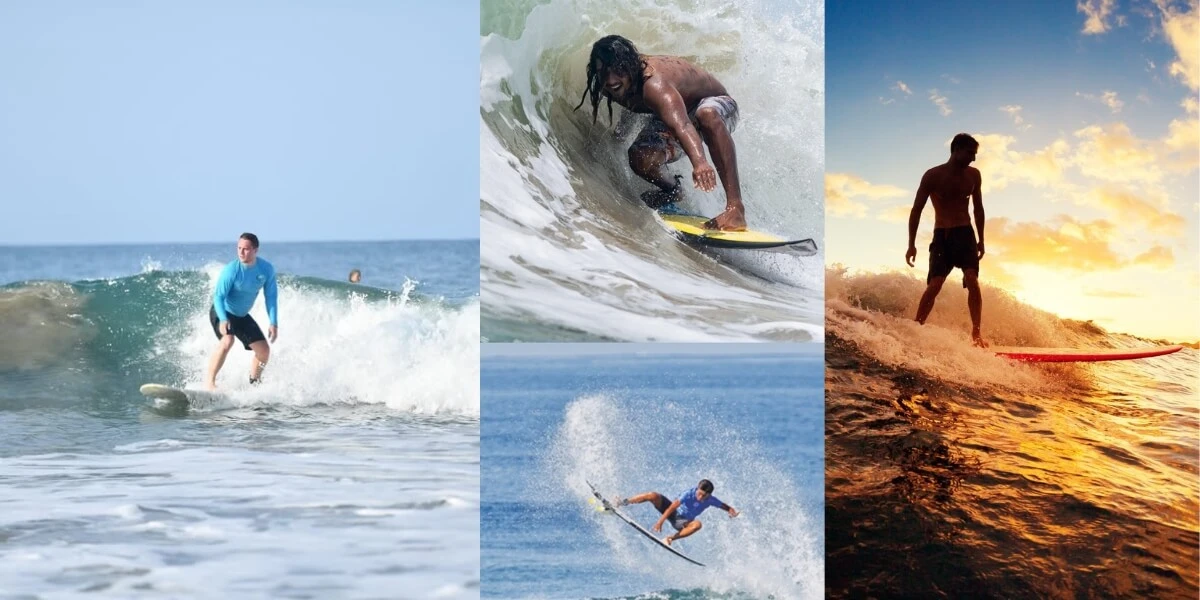
Conditions: More powerful and consistent than the south coast during its peak. The main breaks are right-hand point breaks over sand and rock — long, workable faces with the occasional barrel when the swell hits 4–6 feet. July to September produces the biggest and most consistent waves. May, June, and October are shoulder months with lower prices and smaller crowds, but less consistent swell.
The Transition Months
April: South coast winding down, east coast not yet firing. Waves possible on both coasts but inconsistent. Good month for a cheap trip if you don't mind gambling on conditions.
October: East coast shutting down, south coast not yet reliable. Similar story — you might score, you might not.
Quick Reference
Your Travel DatesGo HereVibeNovember–AprilSouth/west coastSurf schools, variety of breaks, yoga retreats, buzzing townsMay–SeptemberEast coast (Arugam Bay)World-class points, backpacker energy, wilder and quieterApril or OctoberEither (or both)Transition months — inconsistent but cheap and uncrowded
The Breaks: South and West Coast
Weligama — Where Everyone Learns
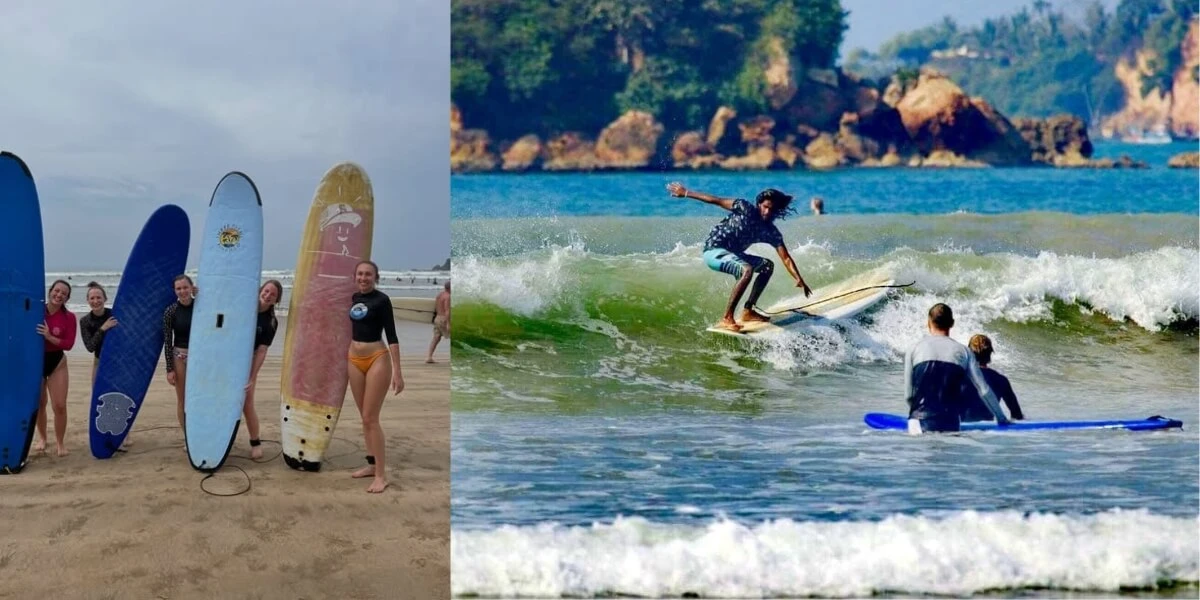
Level: Complete beginner.
The wave: A 7-kilometre horseshoe bay with the softest, most forgiving waves in Sri Lanka. Sandy bottom, waist-to-chest-high whitewash, and a gentle slope that lets beginners practise standing up without fear of reefs, rocks, or getting smashed.
Why it works: Weligama has the highest concentration of surf schools in the country — dozens of them lining the beach, all competing for students. This keeps prices low and quality generally high. A 1.5–2 hour lesson including board and instructor costs $15–30. Multi-day packages bring the per-lesson price down further.
The vibe: Busy and social. A mix of backpackers, families, and first-time surfers. The town behind the beach has good cheap restaurants and a growing café scene. Stilt fishermen still work the waters (though some now charge for photos).
Stay here if: You've never surfed before, or you want the easiest possible introduction.
Hiriketiya — The Bay That Became a Scene
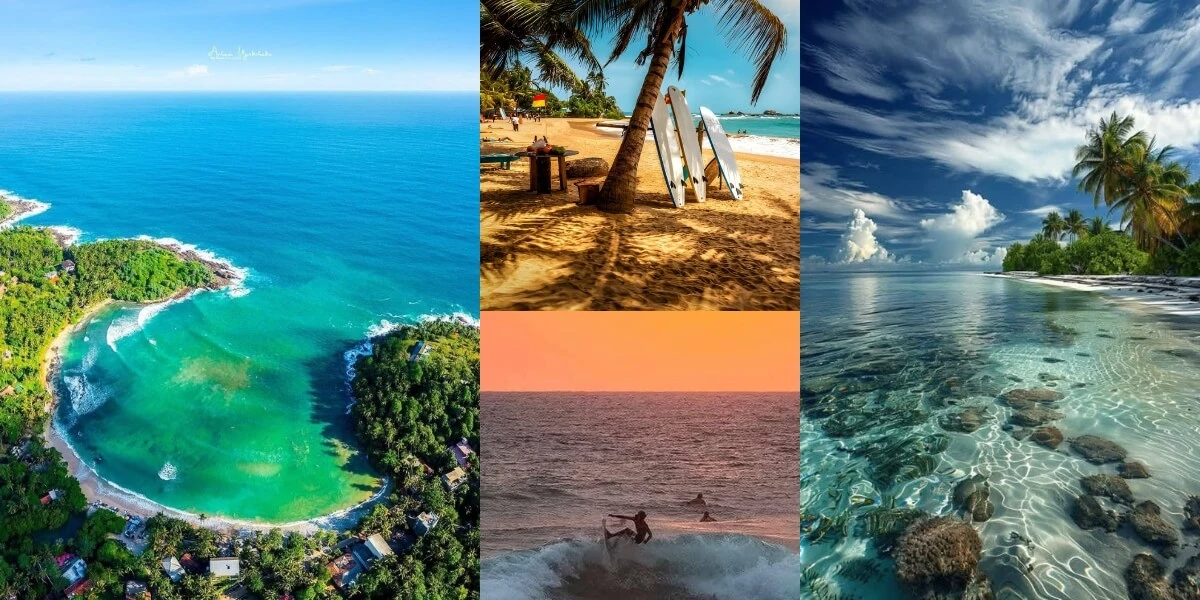
Level: Beginner to intermediate.
The wave: A compact horseshoe bay with both a beach break (good for beginners) and reef sections on the sides (fun for intermediates). The bay catches swell from multiple directions, so it's one of the most consistent spots on the south coast.
Why it works: Hiriketiya has transformed from a hidden gem into a fully developed surf-and-yoga town with boutique hostels, plant-based cafés, sunset bars, and a tight-knit community of long-stay surfers. The bay is small enough that you can see the whole break from any café on the beach.
The vibe: Bohemian. Think yoga at sunrise, surfing at mid-morning, açaí bowls for lunch, and a cocktail at sunset. The crowd skews young, international, and Instagram-aware. Prices are higher than surrounding towns but still reasonable by any international standard.
Stay here if: You want good waves plus good social life in a compact, walkable setting.
Midigama and Ahangama — The Intermediate Playground
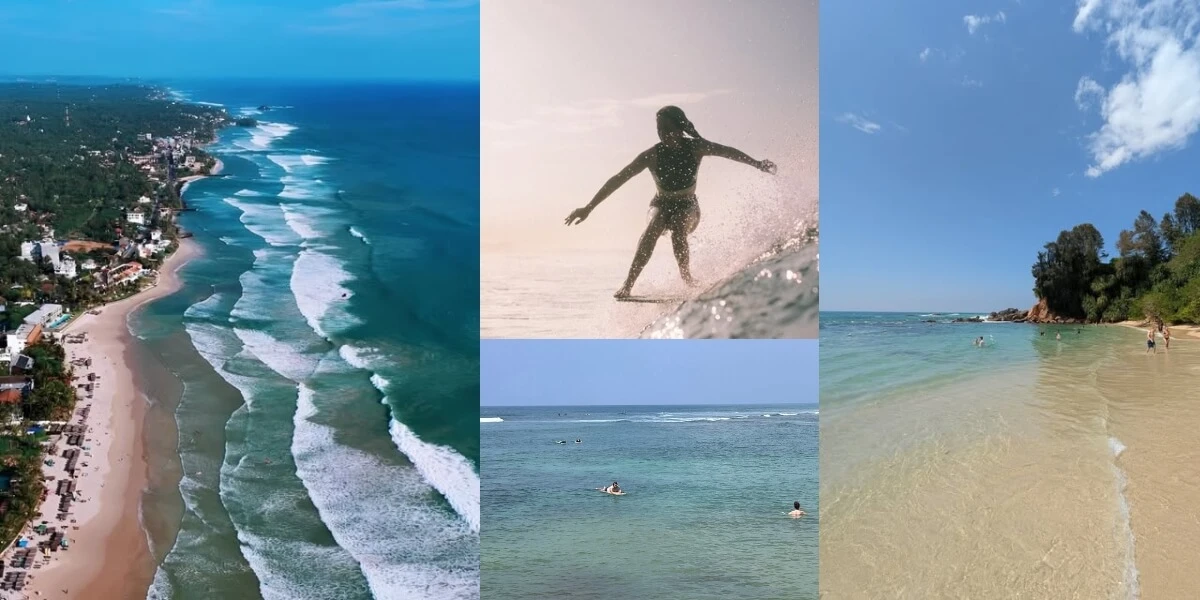
Level: Intermediate to advanced.
The waves: This stretch of coast between Weligama and Hiriketiya contains the highest density of quality reef breaks on the south coast. Named breaks include:
Coconuts (Midigama) — A right-hander over deep reef. Fast, fun walls with the occasional cover-up. Works best at mid to high tide with a solid swell. One of the most popular intermediate waves in Sri Lanka.
Lazy Left (Midigama) — A mellow, long left-hander perfect for longboarders and intermediates practising turns on open faces.
Ram's Right (Midigama) — A faster, punchier right. More advanced than Coconuts but in the same area.
Kabalana (Ahangama) — A powerful reef break with bigger, more hollow waves. For confident intermediates and above.
Marshmallow (Ahangama) — A friendlier reef break with a deeper bottom, making it less intimidating than the name of the neighbouring breaks might suggest.
Why it works: The variety. Within a short tuk-tuk ride, you can surf mellow lefts, punchy rights, and hollow reef breaks. The area is less touristed than Weligama or Hiriketiya, with a more local feel and cheaper accommodation.
Stay here if: You can already surf confidently and want to progress on reef breaks without the intensity of Arugam Bay.
Hikkaduwa — The Original
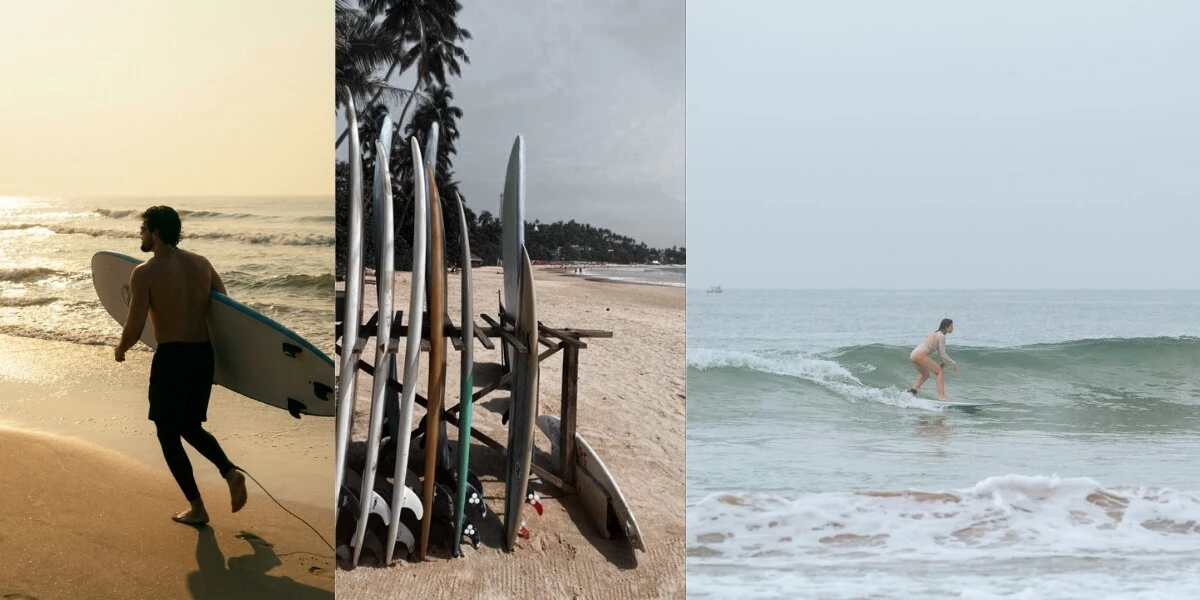
Level: Intermediate.
The wave: A series of left and right reef breaks along the headland. Hikkaduwa was Sri Lanka's first surf town — the place where the island's wave-riding culture began in the 1960s and 70s. The waves are good but not exceptional. The reef can be shallow at low tide.
The vibe: The most developed and nightlife-oriented beach town on the south coast. Good for surfers who want waves in the morning and bars at night.
Stay here if: You want a beach-town atmosphere with surf as one component of a broader holiday.
Mirissa — Surf Plus Everything Else
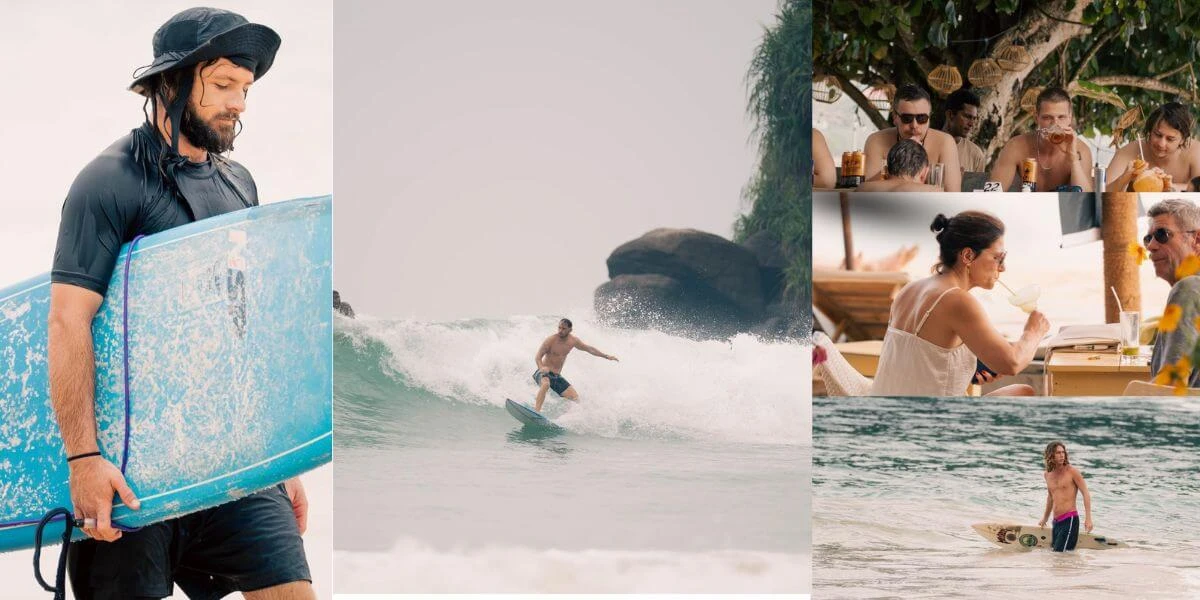
Level: Intermediate.
The wave: A right-hand reef break (Mirissa Left, confusingly) that produces long rides on solid swells. Not an everyday wave — it needs specific swell direction and size — but excellent when it works.
Why it matters: Mirissa is the south coast's social and logistical hub. Whale watching, a beautiful beach, a lively restaurant scene, and decent surf on good days. It's where most south-coast itineraries are based.
Stay here if: Surfing is part of your trip but not the entire point.
The Breaks: East Coast
Arugam Bay — The Main Event
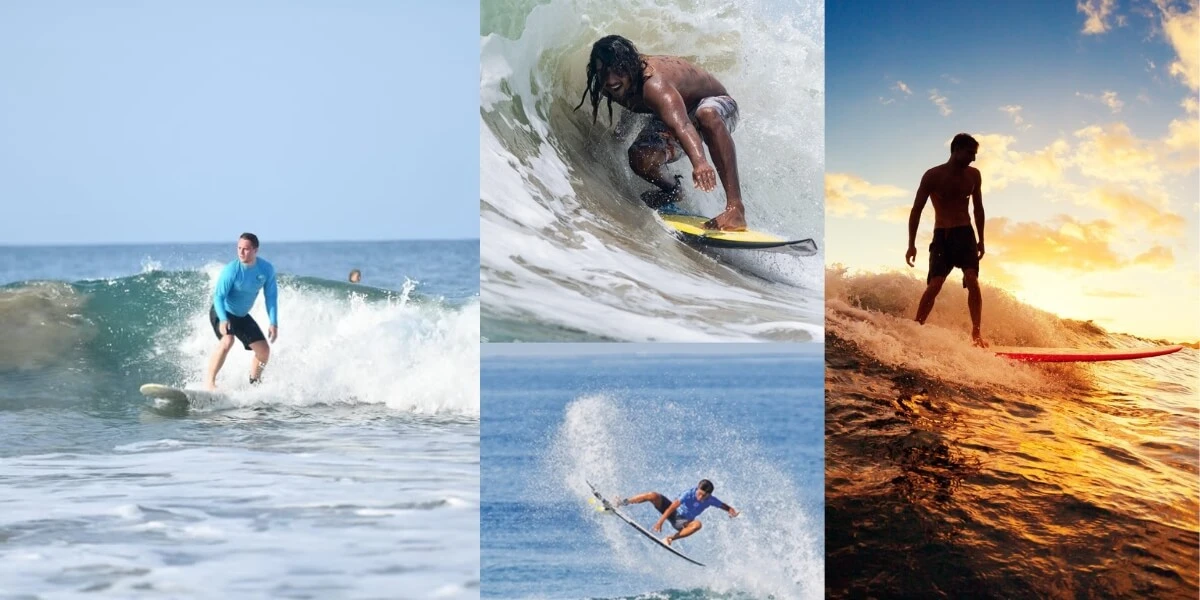
Level: Intermediate to advanced.
The wave: Main Point is the wave that put Sri Lanka on the global surf map. A long right-hand point break that peels for 300–500 metres on a good day, with fast wall sections, workable open faces, and barrel sections when the swell pushes to 4–6 feet. It's consistently rated among the best right-hand point breaks in Asia.
The wave has two main sections. The outside is fast and powerful — you need confidence and speed to make the first section. The inside mellows into a crumbly, friendly wave called Baby Point, which is where beginners can learn on the east coast.
The reality: Main Point gets crowded. During July to September, it's one of the busiest lineups in Sri Lanka, with surfers from around the world competing for waves. Localism is relatively mild compared to other world-class breaks, but respect, patience, and lineup etiquette matter.
The vibe: Backpacker paradise. Sand-floored restaurants, cheap bungalows, tuk-tuks to satellite breaks, reggae bars, and a community that forms and dissolves with the monsoon. Arugam Bay essentially shuts down from October to April — the town empties, many guesthouses close, and the waves stop.
Peanut Farm — Space and Quality
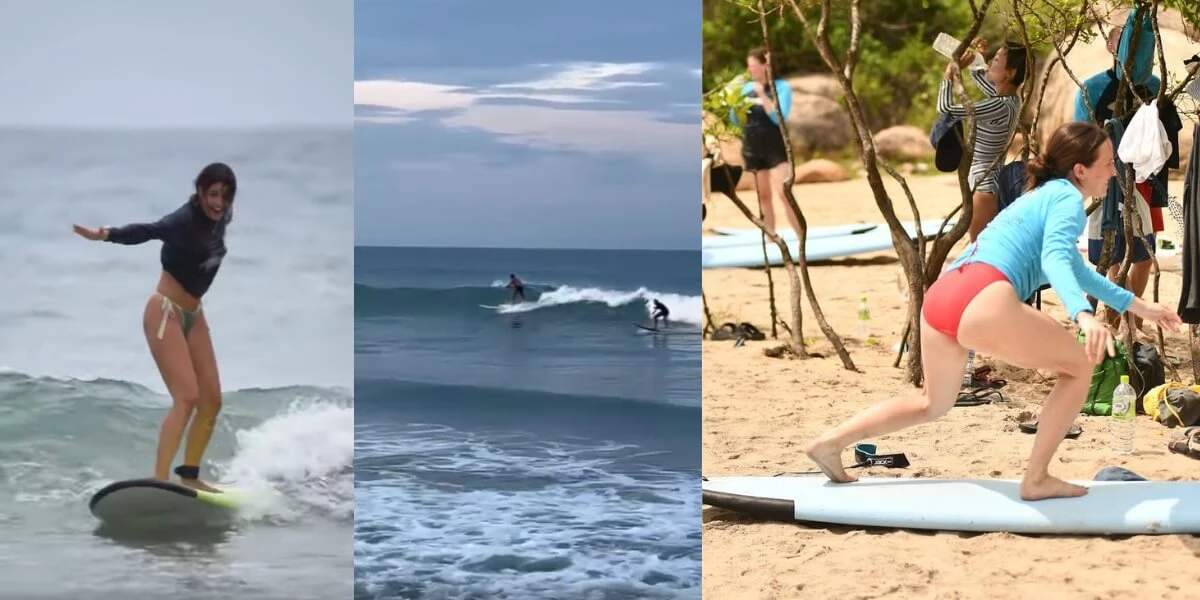
Level: Intermediate.
The wave: A right-hand point break 15 minutes south of Arugam Bay by tuk-tuk. Similar style to Main Point but less crowded and more spacious. The surrounding scenery — coconut palms, empty beach, occasional elephants from nearby Kumana National Park — is spectacular.
Stay here if: You want the east-coast point-break experience without the Arugam Bay crowds.
Whiskey Point — The Easy Right
Level: Beginner to intermediate.
The wave: A gentler right-hand break 10 minutes north of Arugam Bay. Sandy bottom, forgiving waves, and a collection of surf camps and guesthouses right on the beach. This is where beginners head on the east coast.
Stay here if: You're learning and want east-coast conditions without the intensity of Main Point.
Okanda — The Adventure
Level: Advanced.
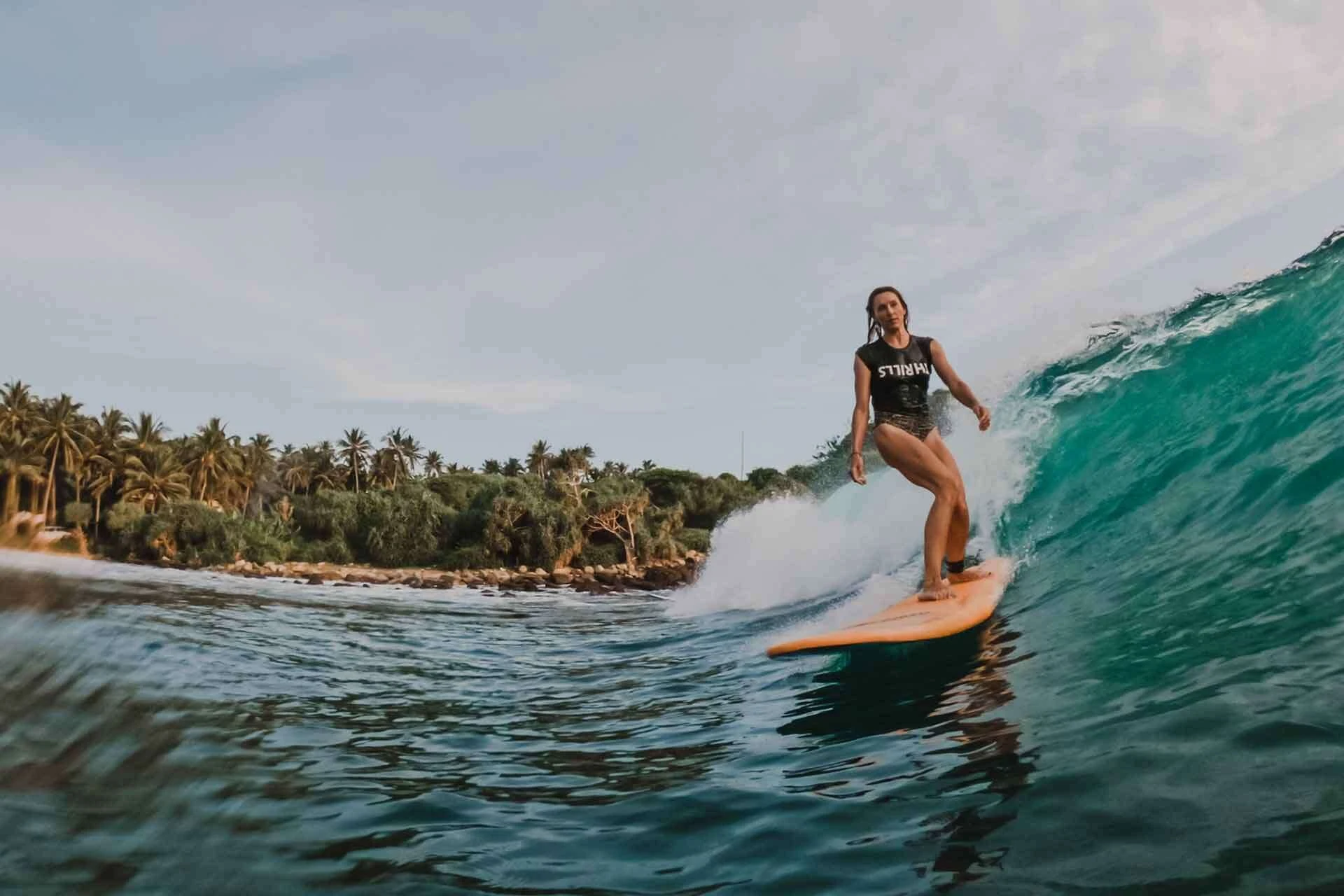
The wave: Remote, powerful, and accessed via Yala National Park territory. Long rides, uncrowded, and genuinely wild — elephants and wildlife are part of the experience. Getting here requires planning and commitment.
Go here if: You're an experienced surfer who wants an adventure that goes beyond the lineup.
Learning to Surf in Sri Lanka
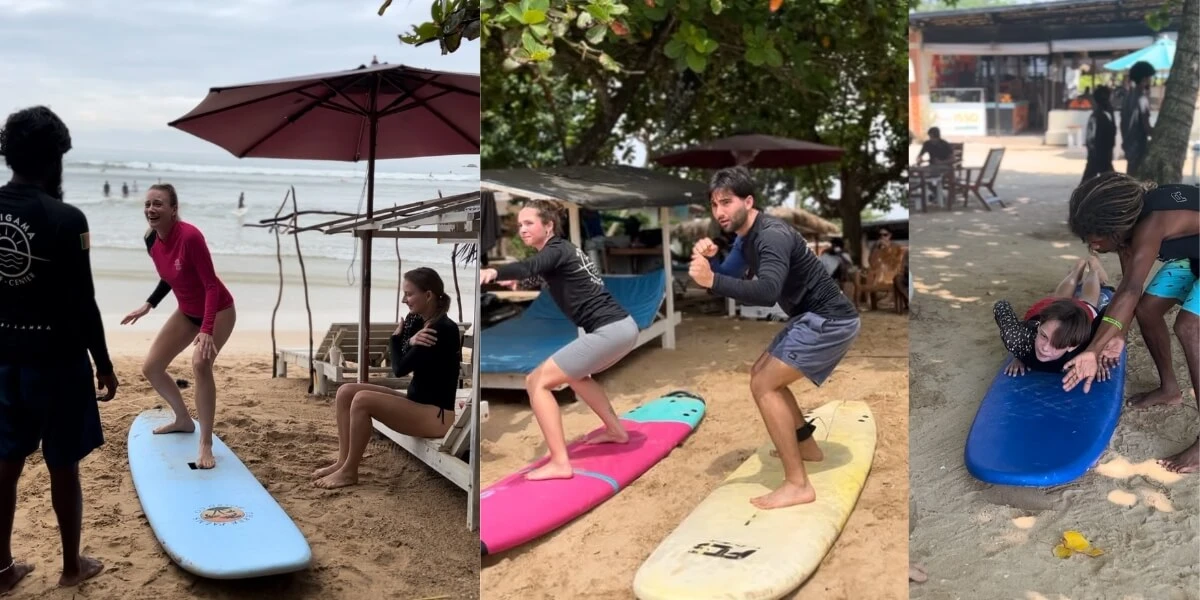
If you've never surfed before, Sri Lanka is one of the best places in Asia to start. The combination of warm water, sandy-bottom beginner breaks, affordable instruction, and a welcoming surf culture makes the learning curve as gentle as possible.
Where to Learn
South coast (November–April): Weligama is the default choice and the right one. The bay is purpose-built for first-timers. Hiriketiya is a close second, with smaller class sizes and a more intimate vibe.
East coast (May–September): Whiskey Point or Baby Point (the inside section of Main Point in Arugam Bay). Fewer schools than the south coast, but perfectly suitable for beginners.
What Lessons Cost
A single lesson (1.5–2 hours) including board and instructor: $15–30.
A multi-day package (5 lessons): $60–120, depending on school and season.
Board rental only: $5–10 per day for a foam or soft-top beginner board. Shortboards and fibreglass longboards slightly more.
Surf Camps
Surf camps combine accommodation, daily surf coaching, yoga, and usually some excursions (day trips to temples, waterfalls, safaris). They're the most efficient way to go from standing up to actually surfing in a week.
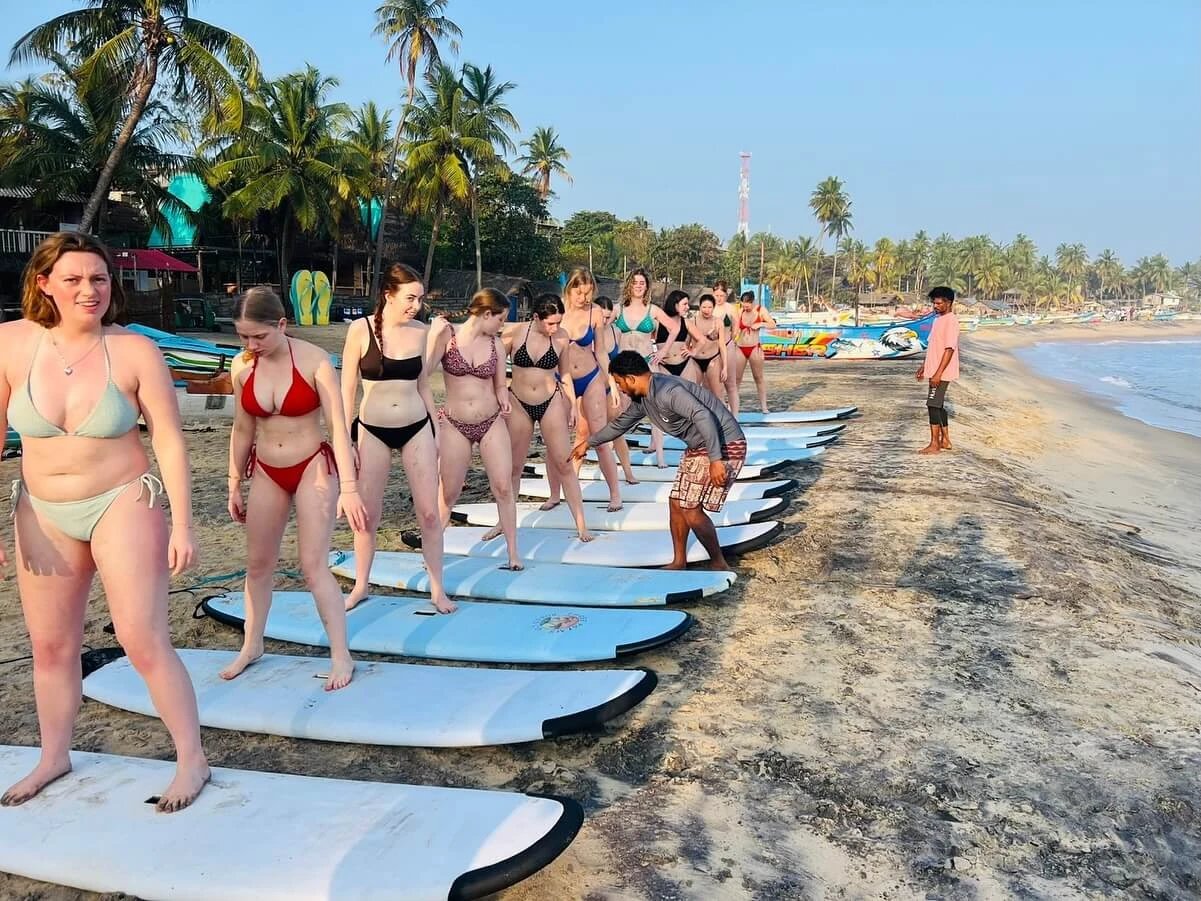
South coast camps (based around Weligama, Ahangama, Hiriketiya): $150–350 for a week including accommodation, daily coaching, and yoga. Premium camps with boutique accommodation and small group sizes: $400–800.
East coast camps (Arugam Bay area): Slightly cheaper. $120–300 for a similar package.
Progression: From Beach Breaks to Reefs
Sri Lanka is unusually good for this transition. The south coast's reef breaks — Coconuts, Lazy Left, Marshmallow — are deeper and more forgiving than the typical sharp, shallow reefs you'd encounter in Indonesia. They're reef breaks with training wheels, which makes them ideal for surfers graduating from Weligama's whitewash and wanting to try something more challenging.
Reef booties ($10–15 from any surf shop) are recommended for reef sessions — not because the reefs are unusually sharp, but because stepping on sea urchins is a universal buzz-kill.
Practical Details
What to Bring
Your own board: If you're an intermediate or above surfer and particular about your equipment, bring your board. Airlines flying to Sri Lanka generally accept surfboards as checked luggage (check your airline's specific policy and fees). Most airlines charge $30–60 each way for a board bag.
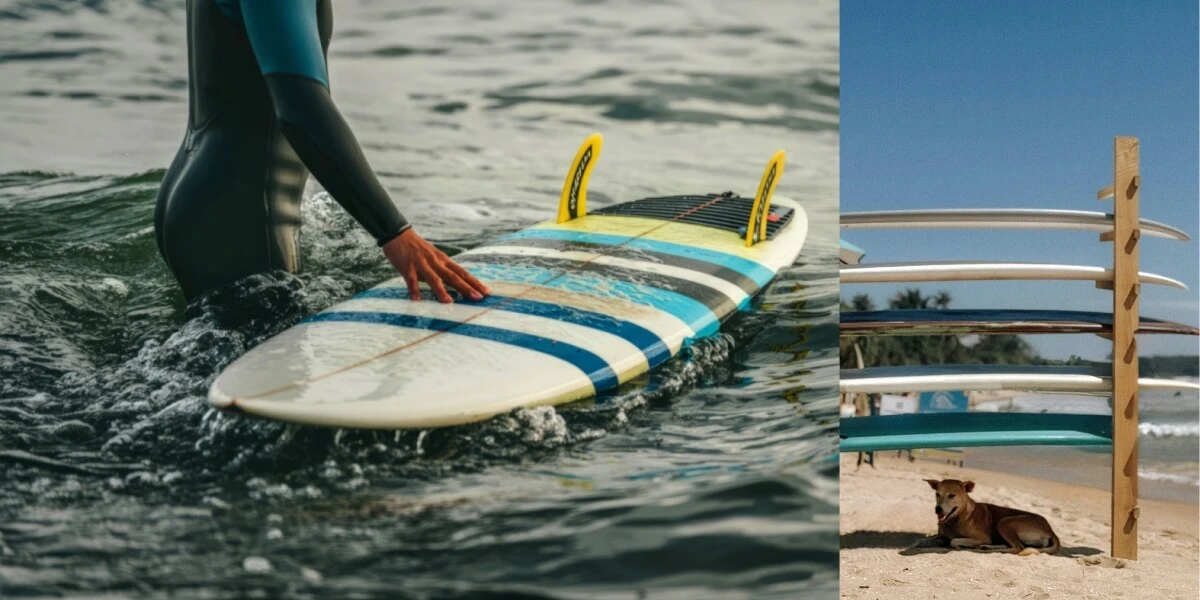
Or rent locally: Board rental is cheap and widely available on both coasts. Quality varies — check fins, dings, and wax before committing. Shortboards, longboards, and funboards are all rentable. High-performance shortboards are less common outside Arugam Bay.
Sun protection: This is non-negotiable and deserves emphasis. You'll be on the water for hours at a time in tropical equatorial sun. Surf-specific SPF 50 zinc on your face. Water-resistant sunscreen on your body. A rash guard if you burn easily. Reapply. The most common injury among surfers in Sri Lanka isn't reef cuts or hold-downs — it's sunburn.
Reef booties: Optional but smart for south-coast reef breaks.
First aid basics: Antiseptic for reef cuts (they get infected fast in the tropics), plasters, and ibuprofen.
Getting Around
Tuk-tuks are the standard surf-taxi on both coasts. On the south coast, a tuk-tuk between breaks (e.g., Weligama to Midigama) costs 300–800 LKR ($1–3). On the east coast, tuk-tuks between Arugam Bay and satellite breaks (Peanut Farm, Whiskey Point) cost 500–1,000 LKR.
Many surfers on longer trips rent scooters ($5–10/day). This gives maximum flexibility for chasing conditions between breaks. Just understand that Sri Lankan roads are chaotic and that most travel insurance policies exclude scooter injuries unless you hold a valid motorcycle licence.
Accommodation
Surf-town accommodation ranges from $8/night dorm beds to $100+ boutique hotels.
The sweet spot: $15–40/night for a private room with a fan (or air conditioning at the higher end), a balcony, and proximity to the break. This is where most travelling surfers land, and the quality at this price point in Sri Lanka is excellent.
Book ahead during peak season (December–February south coast, July–August east coast). During shoulder months, you can find accommodation on arrival and negotiate rates.
Food and Budget
Daily budget for a surf trip:
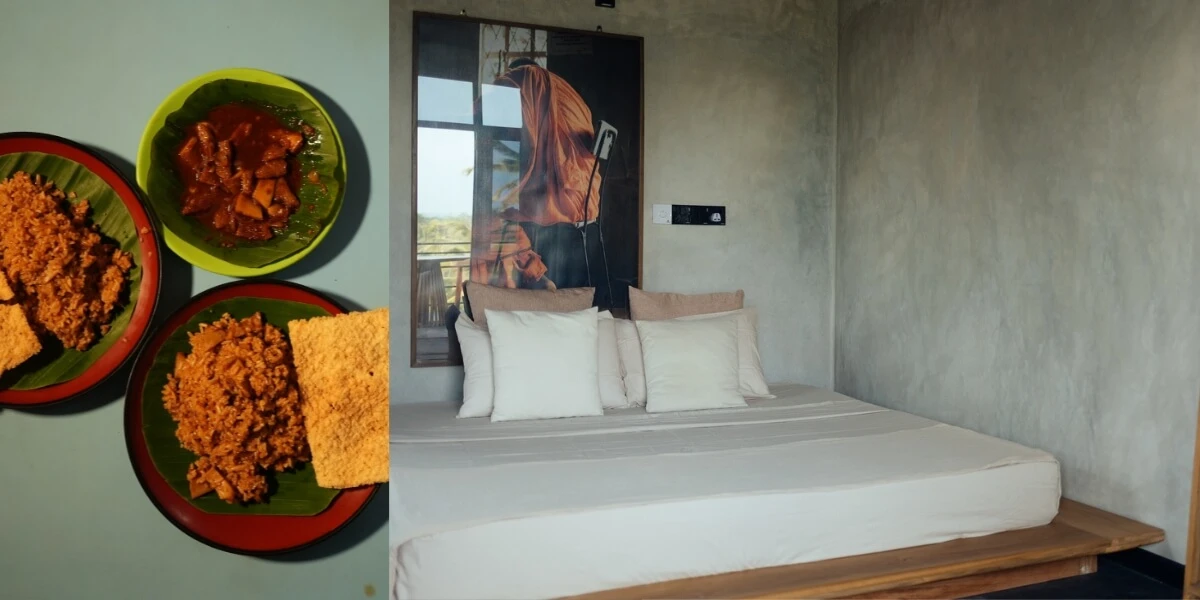
Budget ($25–40/day): Dorm or basic room, local restaurants (rice and curry $2–3), board rental ($5–10), tuk-tuks, and water.
Mid-range ($40–70/day): Private room with balcony, mix of local and tourist restaurants, daily board rental or camp package, occasional activity.
Comfortable ($70–120/day): Boutique hotel, restaurant meals, surf camp with coaching, day trips.
The south coast's surf corridor is excellent for budget travellers. Cheap, satisfying rice-and-curry lunches are everywhere. Hiriketiya and Weligama have growing café scenes where avocado toast and smoothie bowls cost $4–6 — expensive by local standards, affordable by any international measure.
The Surf Culture: What to Expect
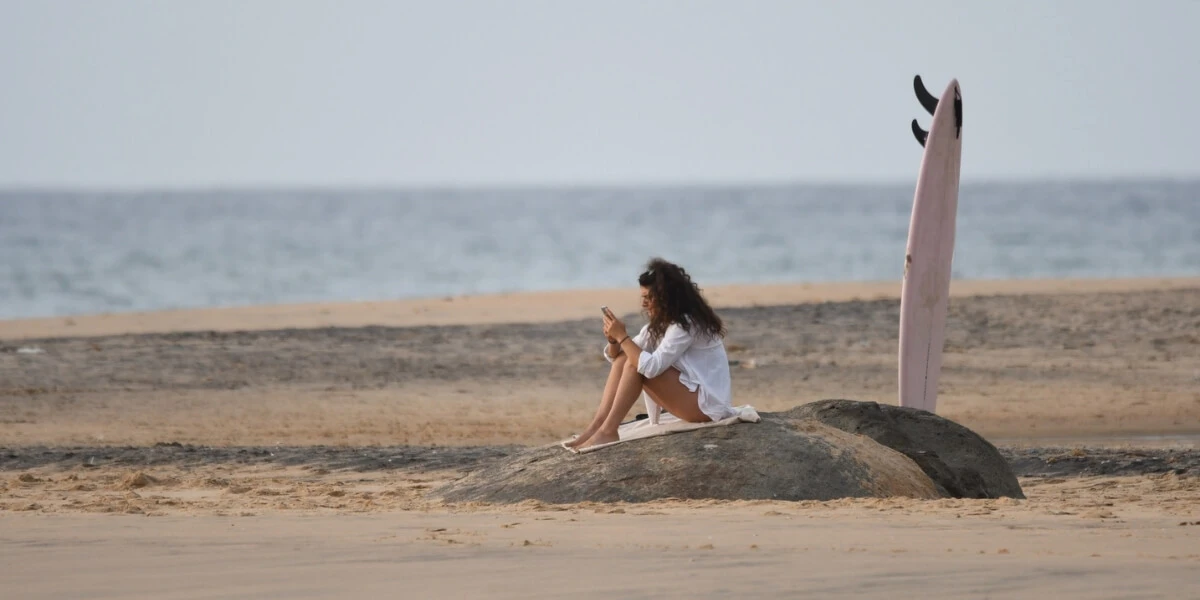
Sri Lanka's surf culture is still young compared to Indonesia, Australia, or Hawaii. There's less localism, less aggression in the water, and a generally relaxed atmosphere in most lineups. Local surfers are present and skilled — respect them, follow lineup etiquette, and you'll rarely have problems.
A few cultural notes specific to surfing in Sri Lanka:
Respect the community. Surf towns in Sri Lanka are places where people live, not resorts built for tourists. Keep noise reasonable, dress modestly when away from the beach, and support local businesses alongside the international-owned boutiques and cafés.
Surfboard damage scams. This was mentioned in our practical tips guide and bears repeating. Some rental operators may claim you damaged a board that was already damaged. Photograph your board before and after every rental. This is standard practice and any reputable rental shop will expect it.
Don't fly drones at surf breaks. Increasingly common and increasingly resented by other surfers and locals. Several breaks have unofficial or official drone restrictions. Ask before you fly.
The yoga-surf crossover is real. If you're staying in Hiriketiya, Ahangama, or any south-coast surf camp, yoga is essentially bundled into the experience. Morning yoga, surf, lunch, nap, surf, sunset yoga is a daily rhythm that millions of Instagram posts have documented and that genuinely works.
The Best Month-by-Month Cheat Sheet
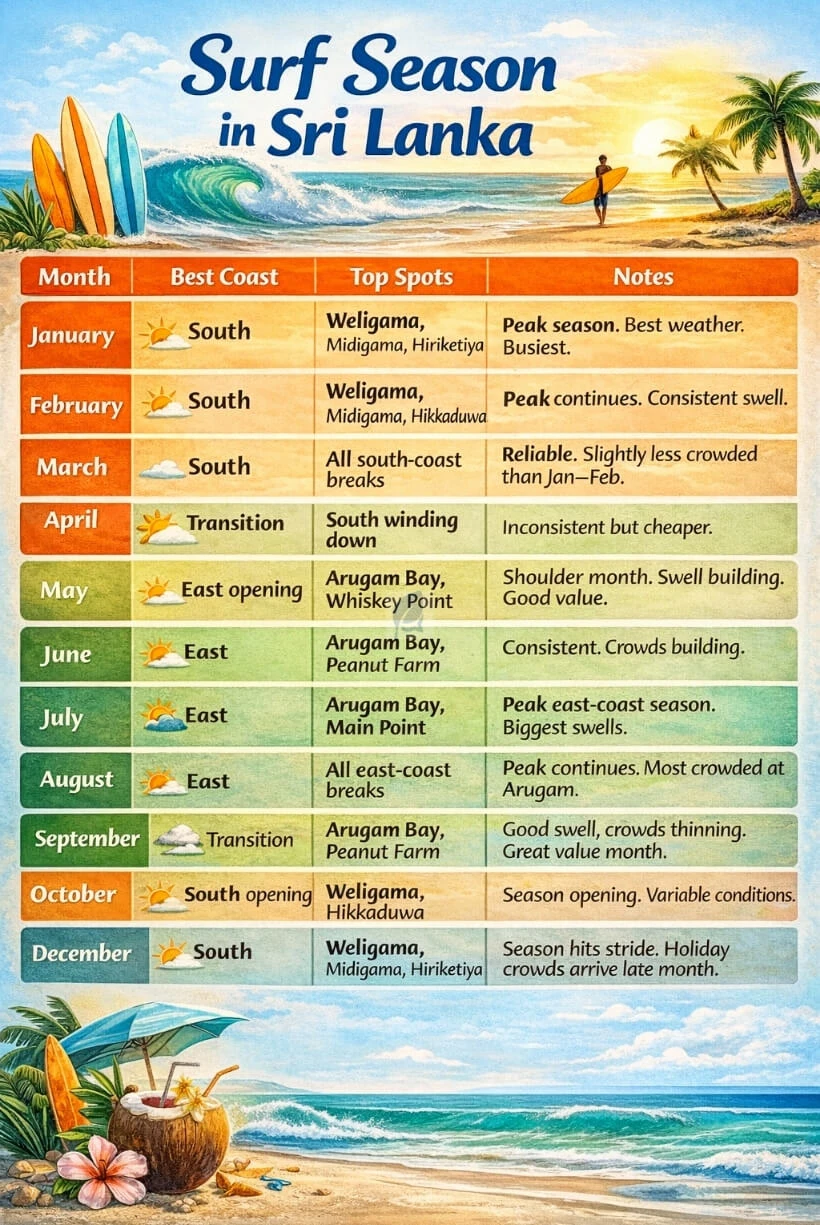
This article is part of our comprehensive Sri Lanka travel series. For beach options beyond surf breaks, see our best beaches in Sri Lanka guide. For south-coast planning, see our Galle Fort guide. For route planning, see our Sri Lanka 10/14-day itinerary. For seasonal timing, see our best time to visit Sri Lanka guide.
Key Takeaways for Quick Reference:
Year-round surfing: South coast Nov–Apr, east coast May–Sep. Switch coasts with the monsoon.
Water temperature: 27–29°C. No wetsuit. Ever.
Best beginner beach: Weligama (south coast). Sandy bottom, gentle waves, dozens of schools.
Best intermediate area: Midigama/Ahangama (south coast). Deep reef breaks, variety of rights and lefts.
Best advanced wave: Arugam Bay Main Point (east coast). 300–500m right-hand point break.
Lesson cost: $15–30 for 1.5–2 hours including board and instructor.
Board rental: $5–10/day.
Surf camp: $150–350/week (south coast), $120–300/week (east coast). Includes accommodation, coaching, yoga.
Daily budget: $25–40 (budget), $40–70 (mid-range), $70–120 (comfortable).
Sun protection: SPF 50 surf zinc, rash guard, reapply. The #1 injury is sunburn, not reef cuts.
Getting between breaks: Tuk-tuk ($1–3) or rented scooter ($5–10/day, licence required for insurance).
Peak crowds: Jan–Feb (south), Jul–Aug (east). Best value months: May, Sep, Oct.
Hiriketiya: The south-coast sweet spot — good waves, yoga, cafés, social scene, all levels welcome.
Arugam Bay: Shuts down Oct–Apr. Plan accordingly. World-class when it's on.
Places Mentioned(9)
Weligama Beach
XCFQ+V73, 34 Weligama By Pass Rd, Weligama 81700, Sri Lanka
Arugam Bay Beach
Arugam Bay Beach, Sri Lanka
Whisky Point Beach
WR4V+3VJ, Pottuvil, Sri Lanka
Okanda Beach
MQ2G+3F, Okanda, Sri Lanka
Mirissa Beach
Mirissa Beach, Mirissa, Sri Lanka
Bay Hiriketiya
Hiriketiya Rd, Dikwella 81200, Sri Lanka
Hikkaduwa Beach
Hikkaduwa Beach, Sri Lanka
Peanut Farm Beach
Peanut Farm Beach, Sri Lanka
Midigama Beach
Midigama Beach, Sri Lanka
Tap a place card to see more details • Swipe to see all 9 places