The Ultimate Sri Lanka Food Guide: Eating Your Way Across the Teardrop Island
When travelers first arrive in Sri Lanka, they usually come for the ancient ruins, the mist-draped tea plantations, and the promise of encountering wild leopards. But when they leave, the thing they can’t stop talking about—the memory that lingers longest on their palate and in their mind—is the food.
Sri Lankan cuisine is profoundly underrated on the global stage. For decades, it was often unfairly lumped in with Indian food by the uninitiated. But make no mistake: Sri Lankan food is entirely its own beast. It is a wildly complex, aggressively flavorful, and intensely aromatic culinary tradition forged by centuries of global trade, colonial history, and a tropical landscape that produces some of the finest spices in the world.
Whether you are navigating the chaotic, street-food-scented promenades of Colombo, sitting down to a feast in a mud-brick village home, or dining at a world-renowned seafood restaurant in a restored Dutch hospital, eating here is an adventure.
To help you navigate menus, street carts, and spice levels, I have put together the ultimate, encyclopedic guide to Sri Lankan food for 2026. This comprehensive deep-dive will cover exactly what to order, how to eat it, regional specialties, and a custom foodie itinerary.
Loosen your belt. Let’s dig in.
🌶️ Chapter 1: The Culinary DNA of Sri Lanka
To understand Sri Lankan food, you have to look at a map. Positioned perfectly on the ancient Silk Road trading routes, the island has been a magnet for merchants, explorers, and colonizers for over two millennia.
The Spice Island: Sri Lanka is the indigenous home of true cinnamon (Cinnamomum zeylanicum). It also produces world-class cardamom, cloves, nutmeg, mace, and black pepper. These spices are the bedrock of the local cuisine.
The Coconut: If spice is the bedrock, the coconut is the lifeblood. Sri Lankans use every part of the coconut. Coconut milk provides the creamy base for curries, grated coconut flesh makes up the ubiquitous sambols, and coconut oil is the primary cooking fat.
Cultural Melting Pot: The food is a beautiful collision of influences. You have indigenous Sinhalese agrarian traditions, vibrant Tamil flavors from the north, Moorish (Arab trader) influences bringing biryanis and sweets, Malay influences introducing savory sambals, and Dutch Burgher recipes that have evolved into beloved national dishes.
🍛 Chapter 2: The Non-Negotiable Staples (What You Must Eat)
If you leave Sri Lanka without trying every single item on this list, you haven't truly experienced the island.
1. Rice and Curry (The National Obsession)
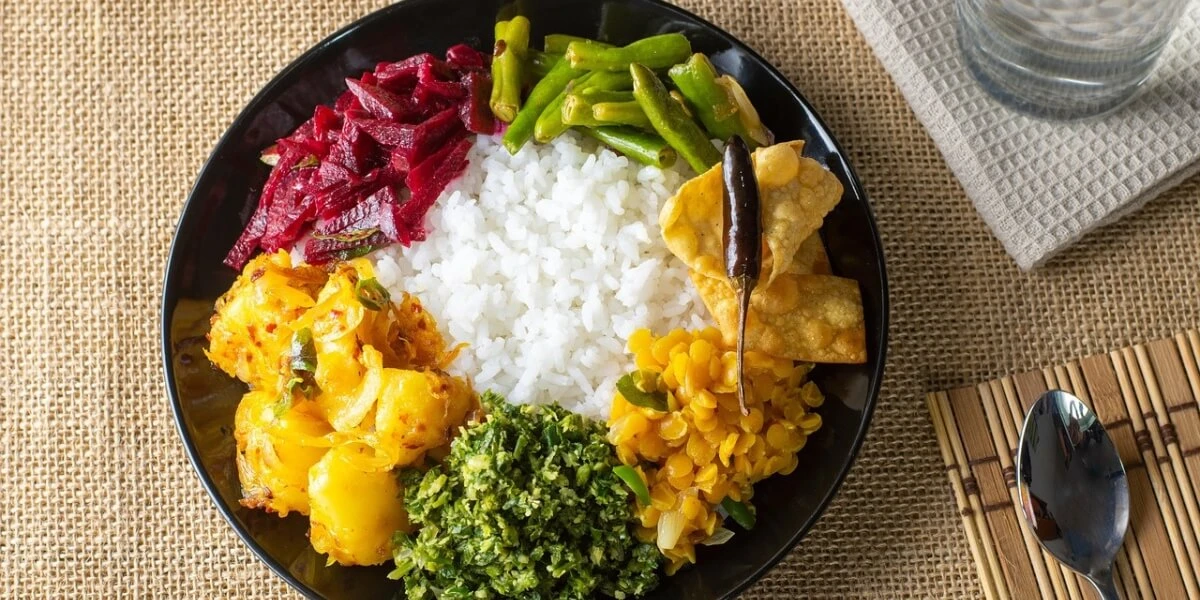
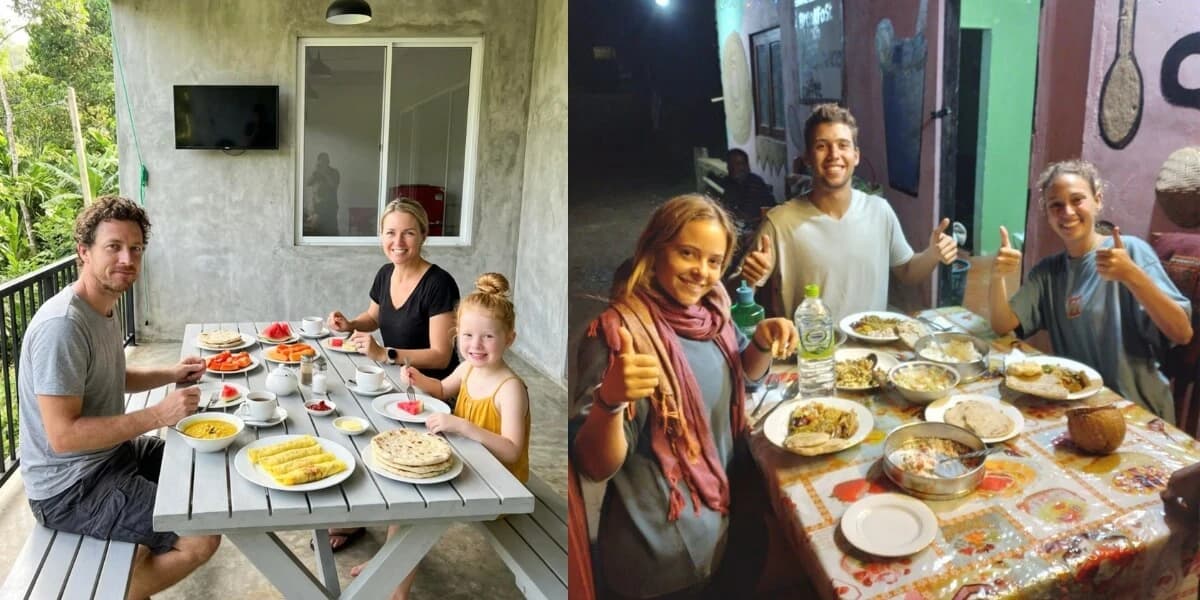
In Sri Lanka, you don't just eat "a curry." You eat "Rice and Curry." This is the staple meal, consumed by locals often for lunch and dinner. When you order this at a restaurant or guesthouse, you will be presented with a mountain of rice (usually short-grain Samba or red rice) surrounded by a constellation of smaller bowls.
The Meat/Fish: Usually one protein curry (chicken, black pork, fish, or mutton) cooked in a rich, deeply spiced gravy.
The Dhal (Parippu): A creamy, comforting red lentil curry cooked with coconut milk, turmeric, and mustard seeds. It is the glue that holds the meal together.
The Veggies: 2 to 3 seasonal vegetable curries. You might get tender jackfruit (polos), beetroot curry, tempered green beans, okra (bandakka), or bitter gourd.
The Sambols: Fresh condiments to cut through the richness (more on these later).
2. Kottu Roti (The Sound of Sri Lanka)
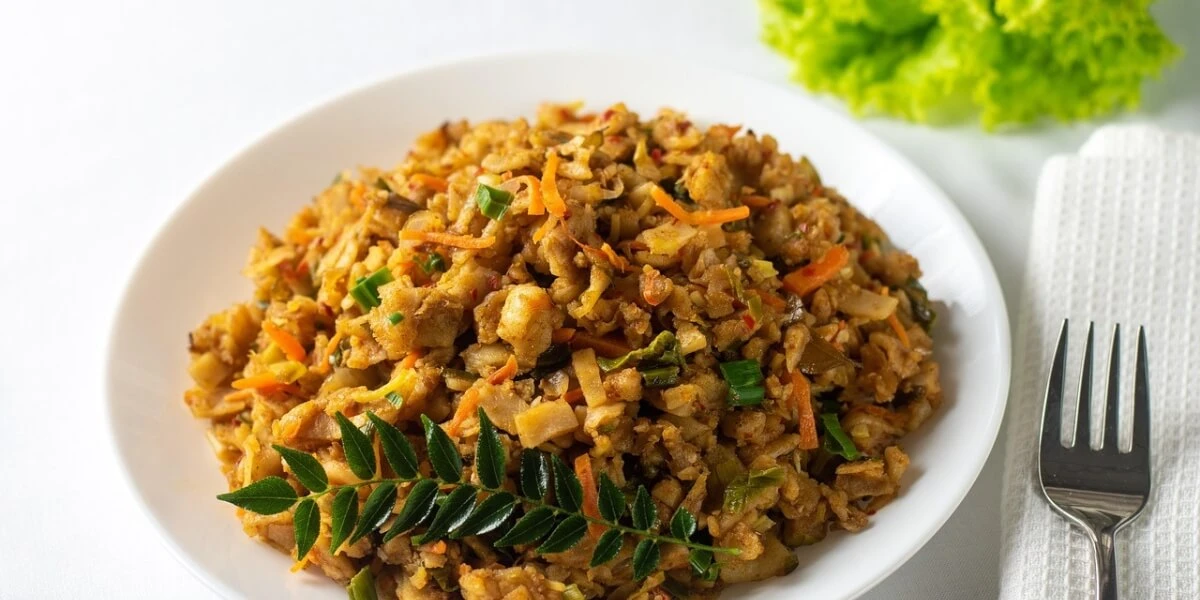
If Rice and Curry is the national meal, Kottu Roti is the national street food. You will usually hear Kottu before you see it. It is made by taking godamba roti (a thin, stretchy flatbread) and rapidly chopping it up on a hot griddle with vegetables, eggs, meat, and a generous pour of spicy curry gravy. The cook uses two blunt metal blades to chop the mixture, creating a rhythmic clack-clack-clack that echoes through the streets at night. It is the ultimate comfort food—savory, spicy, and texturally perfect.
3. Hoppers (Appa) and String Hoppers (Idiyappam)
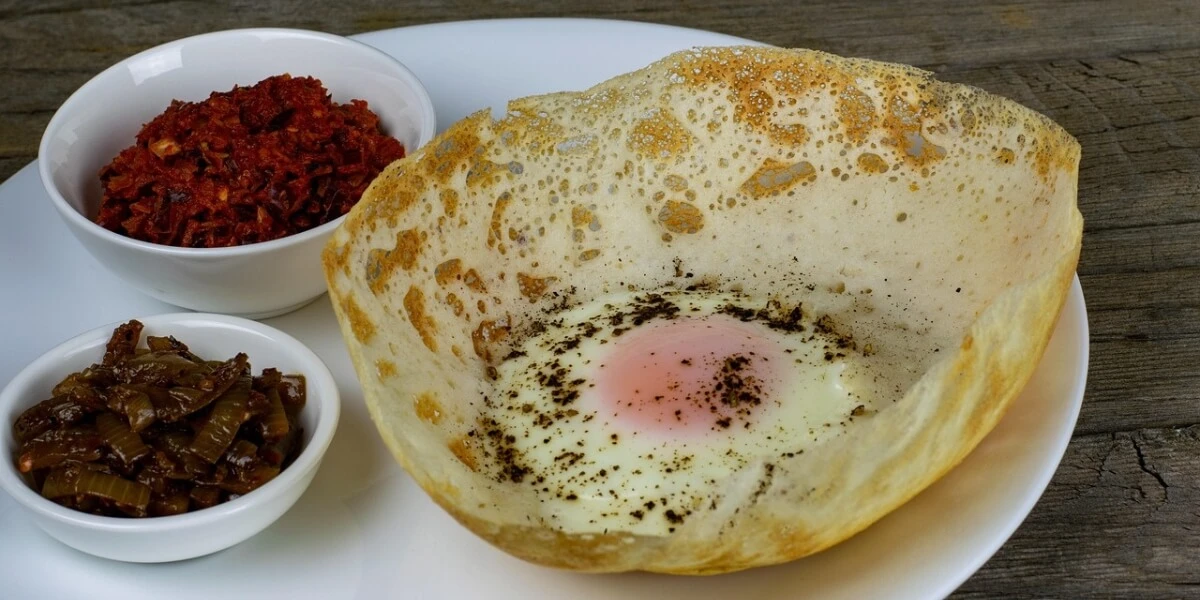
Hoppers are a breakfast and dinner staple that defy simple categorization.
Plain Hoppers: Made from a fermented batter of rice flour and coconut milk, cooked in a small, wok-like pan. The result is a bowl-shaped pancake with crispy, paper-thin edges and a soft, spongy center.
Egg Hoppers: A hopper with a whole egg cracked into the bottom while cooking. It is usually eaten with Lunu Miris (a fiery onion and chili paste).
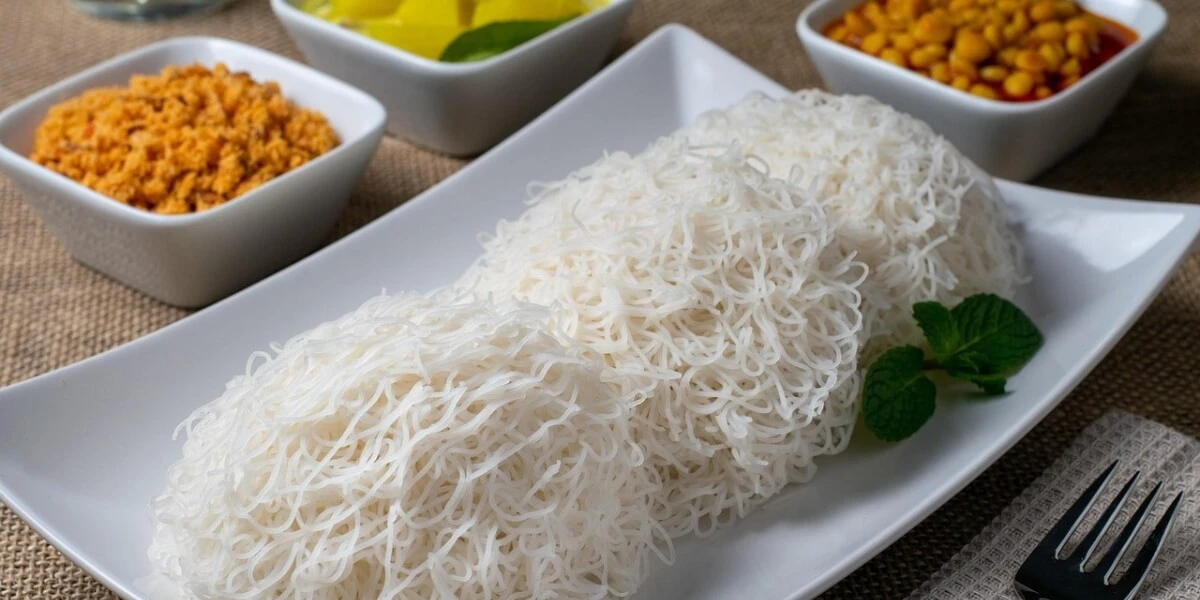
String Hoppers: These have nothing to do with regular hoppers. They are nests of steamed rice flour noodles, typically eaten for breakfast with dhal and coconut sambol.
4. Lamprais (The Dutch Burgher Legacy)
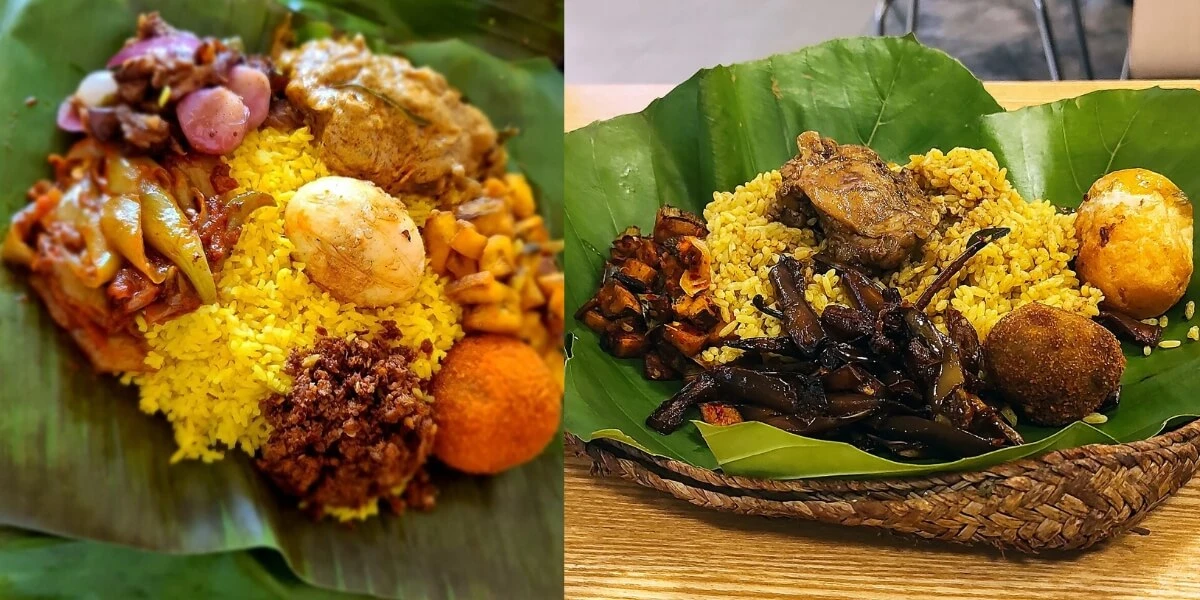
This is a labor-of-love dish born from Sri Lanka's Dutch Burgher community (descendants of Dutch colonists). Lamprais translates roughly to "lump of rice." It consists of rice boiled in a rich meat stock, accompanied by a mixed meat curry (traditionally a mix of pork, beef, and lamb), eggplant moju (a sweet and sour pickle), seeni sambol (caramelized onion relish), frikkadels (Dutch-style meatballs), and blachan (shrimp paste). All of this is wrapped in a banana leaf and baked slowly in an oven. The aroma when you unwrap the leaf is intoxicating.
5. Ambul Thiyal (Sour Fish Curry)
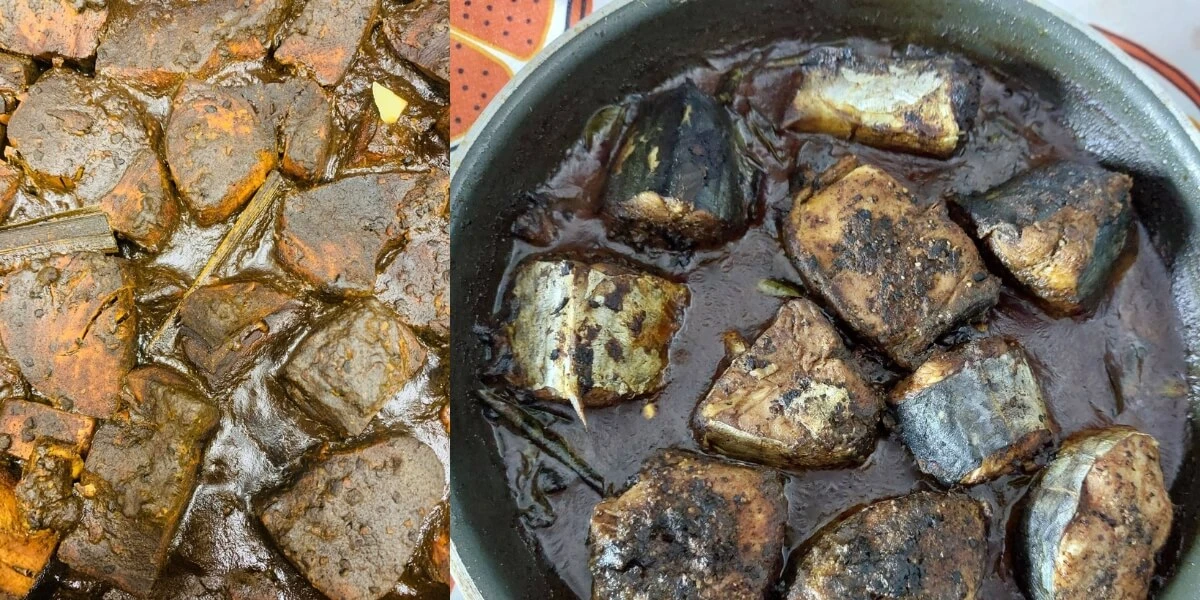
Originating in the southern coastal region of Ambalangoda, this is a unique, dry fish curry. Cubes of firm fish (usually tuna) are coated in a thick paste of black pepper, cinnamon, turmeric, garlic, pandan leaves, and—crucially—goraka. Goraka is a dried fruit that acts as a souring agent, giving the dish a distinct tartness and turning the fish a deep, dark brown. It was originally a method for preserving fish before refrigeration.
🥥 Chapter 3: The Sambols (The Soul of the Meal)
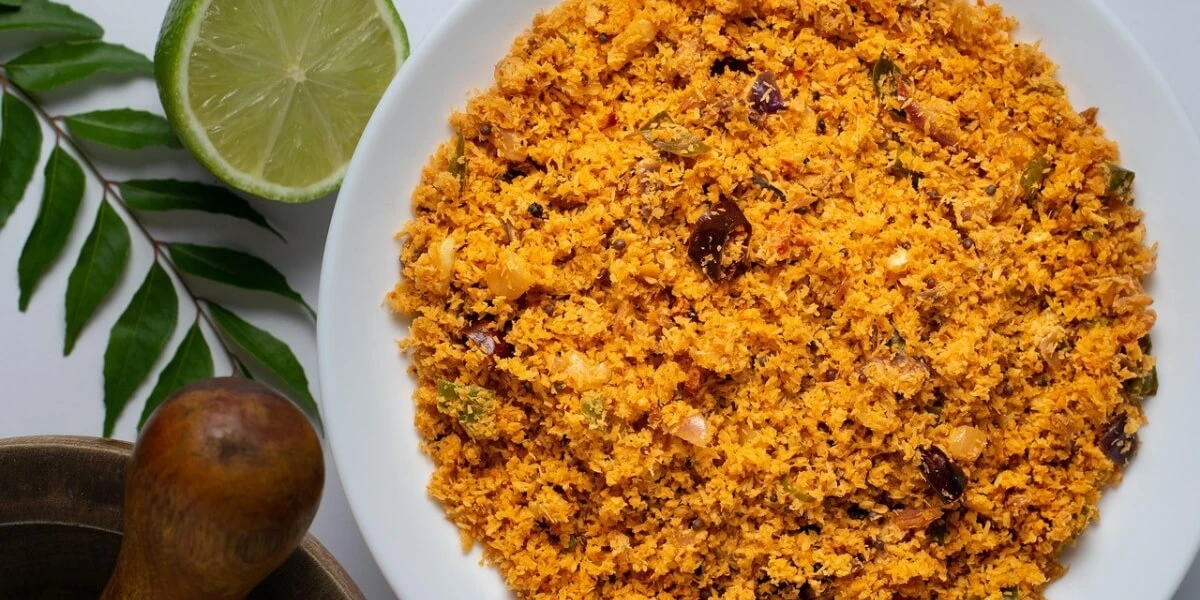
A Sri Lankan meal is incomplete without sambols. These are raw or lightly cooked condiments served on the side to add bursts of heat, acidity, and freshness to balance the heavy coconut curries.
Pol Sambol: The undisputed king. Freshly grated coconut crushed with dried red chilies, red onions, lime juice, and a pinch of Maldive fish (cured, dried tuna). It is bright orange, spicy, zesty, and highly addictive.
Lunu Miris: A potent paste made by grinding red onions, dried chili flakes, lime juice, salt, and Maldive fish. It packs a serious punch and is traditionally eaten with egg hoppers or milk rice (Kiribath).
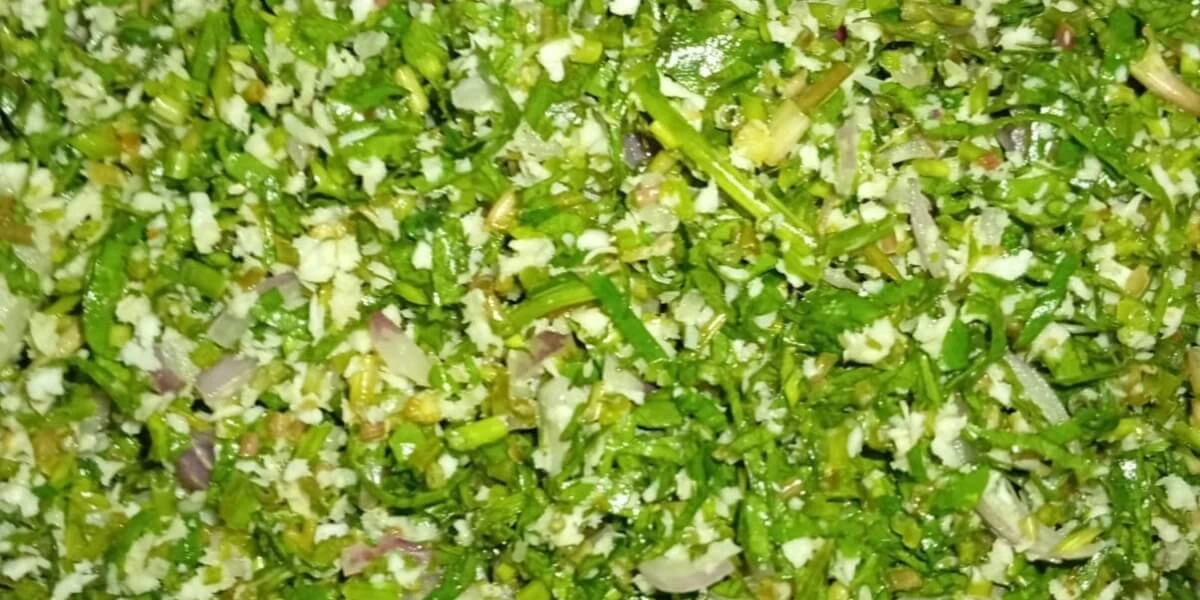
Gotu Kola Mallum: A highly nutritious, fresh green salad. Gotu kola (pennywort) is finely chopped and mixed with freshly grated coconut, lime juice, and a touch of green chili. It provides a bitter, herbal crunch.
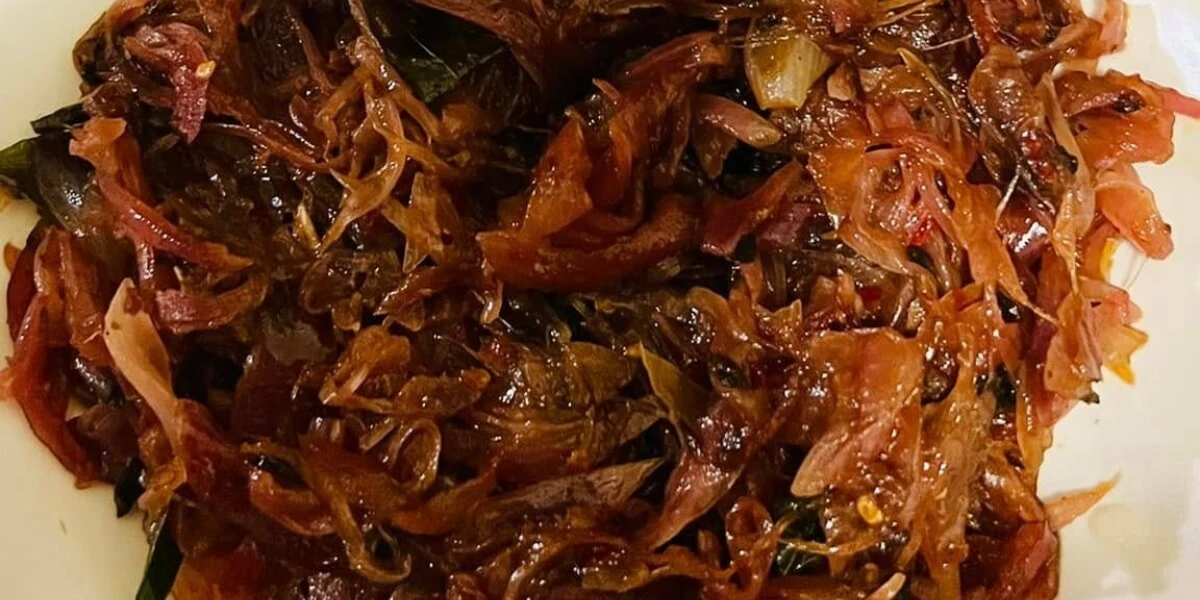
Seeni Sambol: A sweet and spicy caramelized onion relish cooked slowly with tamarind, cinnamon, and sugar. It is incredible when eaten with plain bread or inside a baked bun.
🗺️ Chapter 4: A Culinary Map (Regional Specialties)
Because Sri Lanka has diverse climates and distinct ethnic groups, the food changes dramatically depending on where you are on the island.
The North: Jaffna
The Jaffna Peninsula, recovering beautifully and highly accessible in 2026, is the heartland of Sri Lankan Tamil culture. The food here is markedly different from the south. It is generally spicier, uses less coconut milk, and heavily features the robust flavors of roasted curry powder and gingelly (sesame) oil.
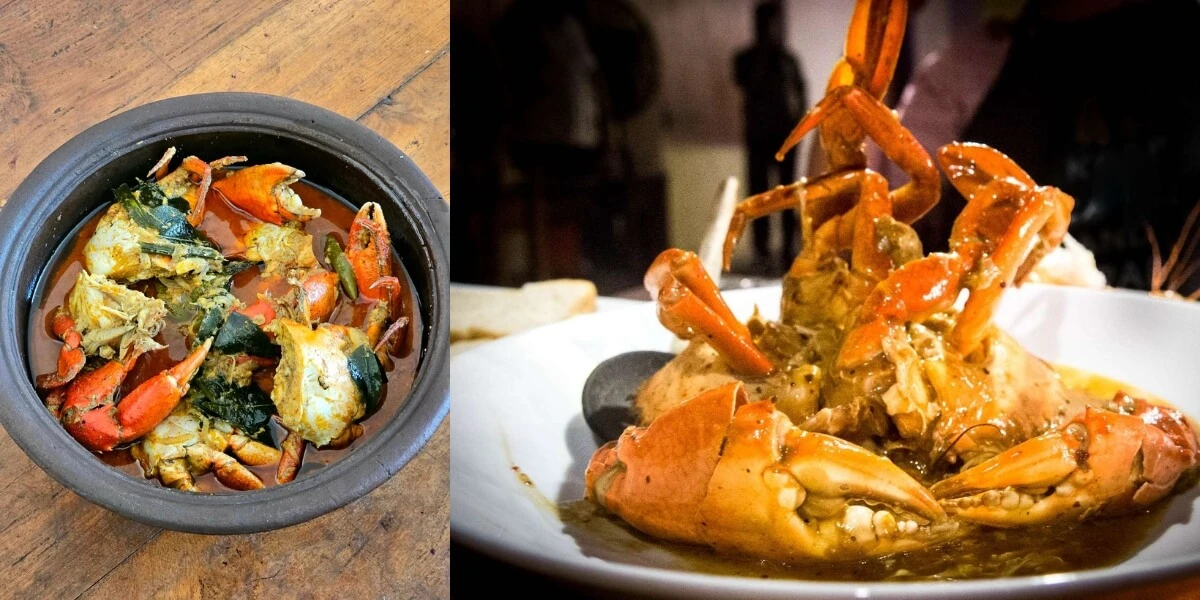
Jaffna Crab Curry: This is legendary. Massive mud crabs cooked in a fiery, deeply aromatic, reddish-brown gravy. Eating it is a messy, hands-on, utterly rewarding experience.
Odiyal Kool: A rich, thick, spicy seafood broth made with crabs, prawns, cuttlefish, and fish, thickened with odiyal flour (derived from palmyra palm tubers).
The South Coast: Galle & Mirissa
Where the Indian Ocean laps against golden beaches, seafood reigns supreme.
Fresh Catch: Expect to see massive displays of red snapper, seer fish (king mackerel), jumbo prawns, and calamari outside restaurants at night.
Malu Ambul Thiyal: As mentioned above, this sour fish curry is a southern staple.
The Hill Country: Kandy & Nuwara Eliya
As you climb into the misty mountains, the temperature drops, and so does the reliance on heavy seafood.
Hill Country Veggies: The cool climate allows for the cultivation of leeks, carrots, cabbages, and potatoes, which feature heavily in the curries here.
High Tea: A leftover from British colonial rule, enjoying a tiered stand of cucumber sandwiches, scones with cream, and delicate pastries paired with world-class Ceylon tea at a heritage hotel in Nuwara Eliya is a must-do.
The Capital: Colombo
Colombo is where everything collides. You can eat a $2 street food meal or a $100 fine-dining feast.
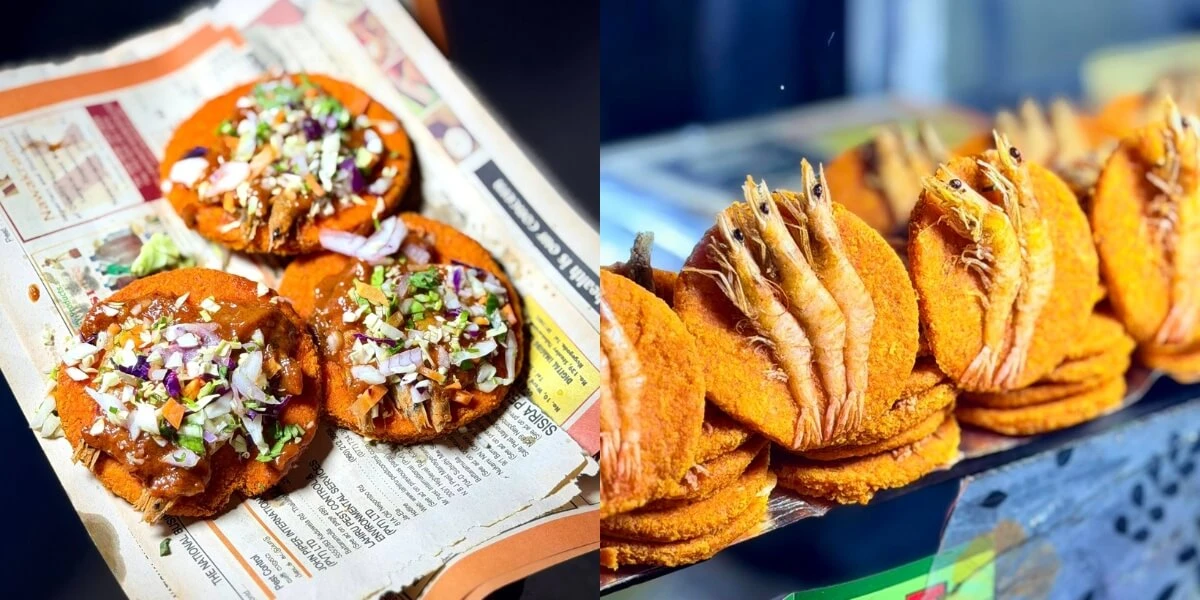
Isso Vadai: Head to Galle Face Green at sunset. Look for the carts selling deep-fried lentil patties with whole, head-on prawns baked right into the top.
The Ministry of Crab: Regularly voted one of Asia's 50 Best Restaurants, this Colombo institution celebrates the Sri Lankan Lagoon Crab.
🍹 Chapter 5: What to Drink in Sri Lanka
Navigating the beverage scene is just as fun as the food.
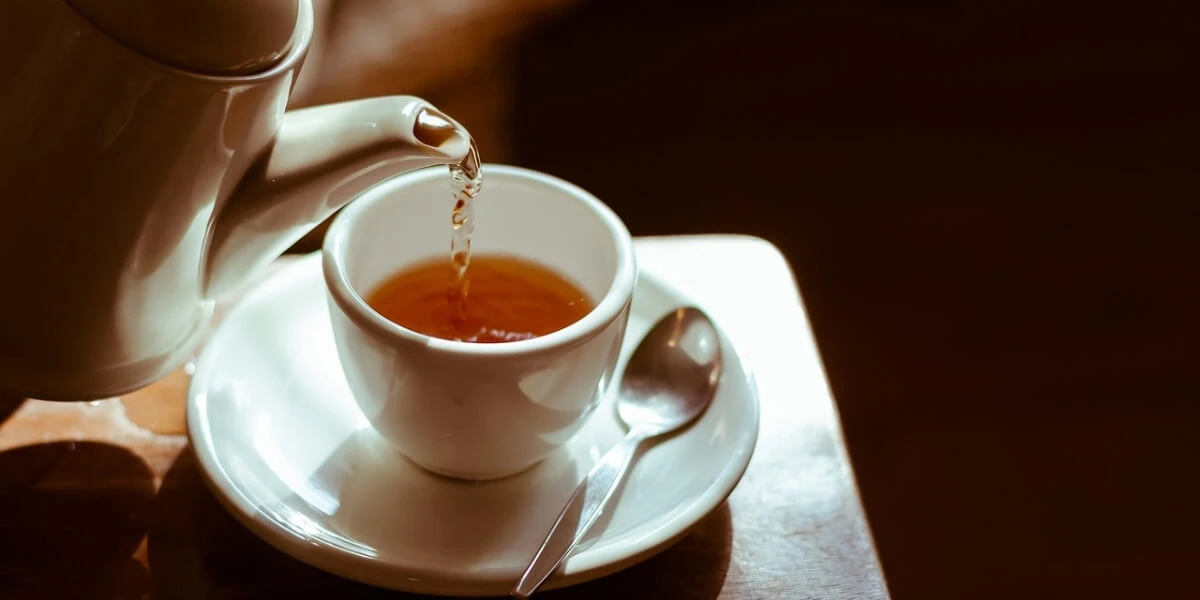
Ceylon Tea: Sri Lanka is one of the world's top tea exporters. Locals drink it strong, black, and very sweet.
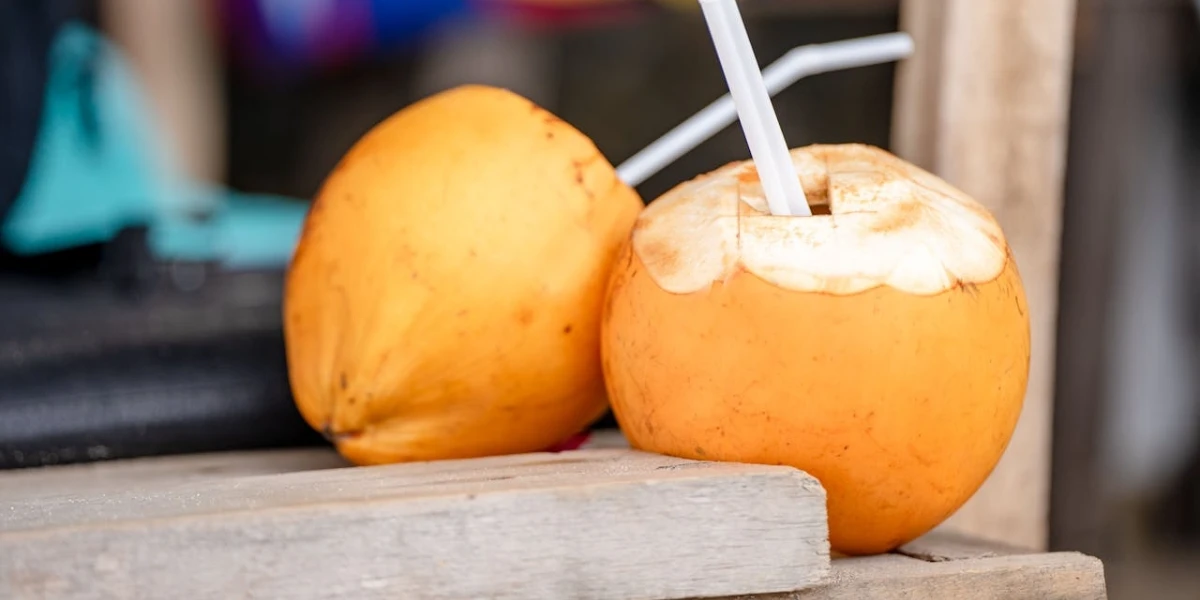
King Coconut (Thambili): You will see piles of these bright orange coconuts everywhere. The vendor will hack off the top with a machete and hand you a straw. The water inside is naturally sweet, slightly effervescent, and packed with electrolytes. When you finish drinking, hand it back; they will split it open and carve a "spoon" from the husk so you can scrape out the soft, jelly-like flesh inside.
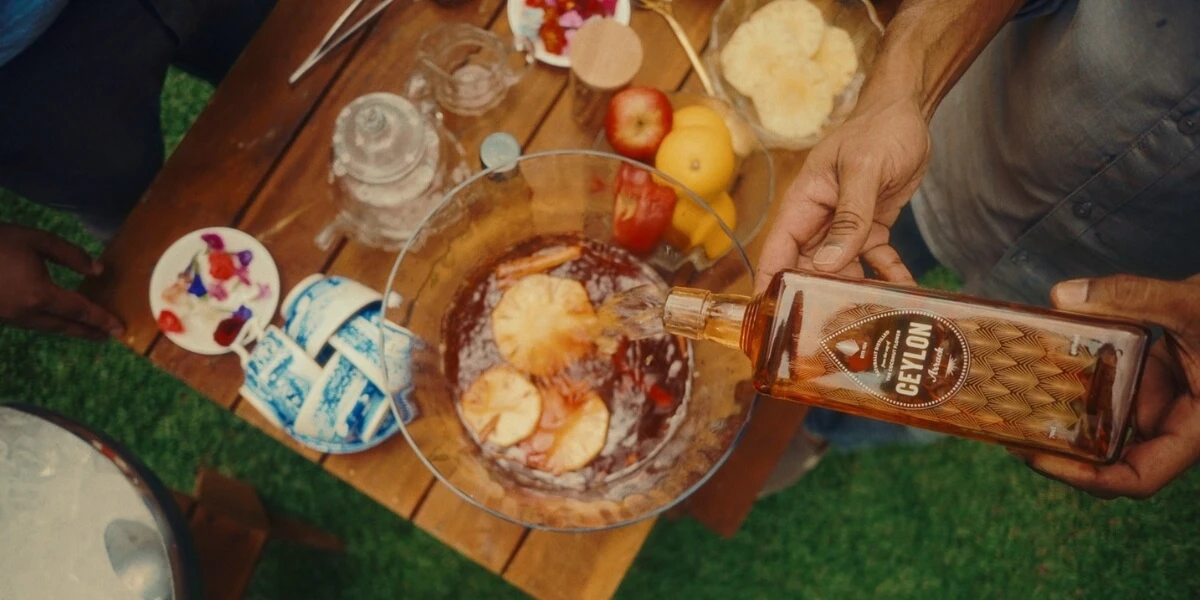
Arrack: The national spirit. It is distilled from the fermented sap of coconut flowers. It tastes like a cross between rum and whiskey. Drink it on the rocks or mixed with ginger beer.
Lion Lager: The ubiquitous local beer. It’s a crisp, refreshing lager that pairs perfectly with spicy food and 30-degree tropical heat.
Falooda: A vividly pink, wildly sweet concoction made with rose syrup, milk, basil seeds, vermicelli noodles, and topped with ice cream.
🍮 Chapter 6: The Sweet Side (Desserts)
Sri Lankans have a serious sweet tooth, often utilizing jaggery (unrefined palm sugar) which has a rich, caramel-like flavor.
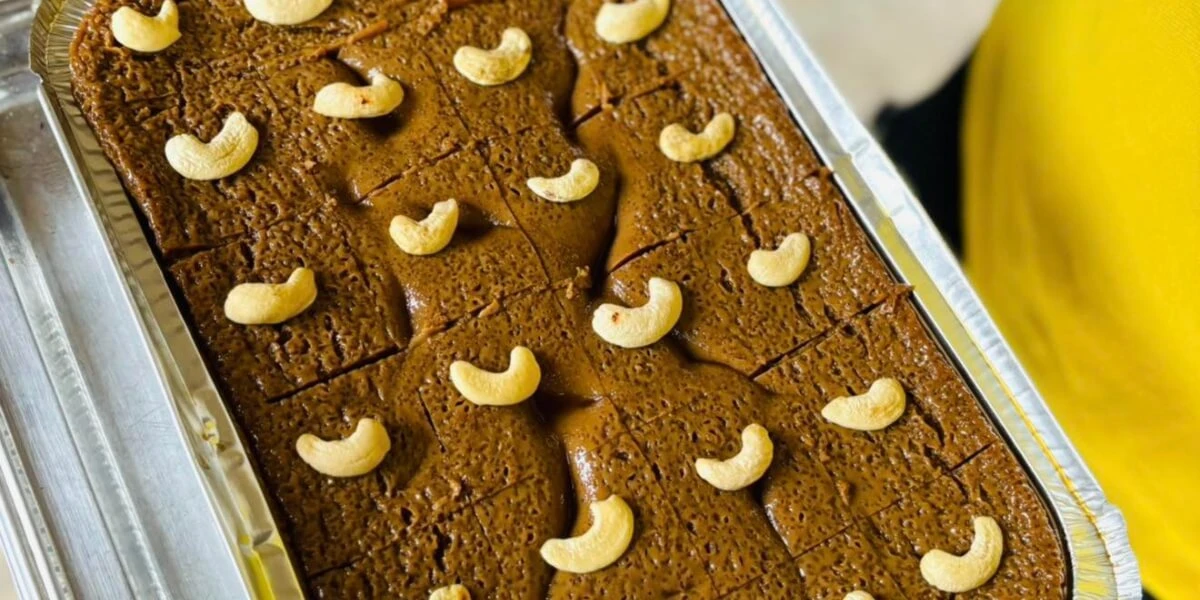
Watalappan: A decadent steamed pudding made from coconut milk, eggs, kithul jaggery, cardamom, and nutmeg. It has a slightly porous texture and is absolutely heavenly.
Curd and Treacle (Kiri Peni): Thick, sour buffalo curd (similar to Greek yogurt) served in traditional clay pots, drenched in sweet kithul treacle (a syrup tapped from the fishtail palm).
Kavum: Oil cakes made from rice flour and kithul treacle, deep-fried to create a spongy, sweet treat often eaten during the Sinhalese and Tamil New Year.
Kokis: A crispy, deep-fried savory-sweet biscuit shaped like a star or wheel, with Dutch origins.
🍽️ Chapter 7: The 10-Day Ultimate Sri Lanka Foodie Itinerary
If you want to design your trip entirely around eating, follow this route:
Days 1-2: Colombo Street Food & Fine Dining. Start your trip eating Isso Vadai at Galle Face Green at sunset. Book a table at Ministry of Crab for night one, and explore the bustling Pettah market for local sweets and fresh fruit on day two.
Day 3: Negombo Fish Markets. Wake up at 5:00 AM to visit the Lellama, one of the island's largest open-air fish markets. Watch the boats come in, and have a local guesthouse cook your freshly purchased tiger prawns for lunch.
Days 4-5: Kandy & The Spice Gardens. Drive to Kandy, stopping at a spice garden in Matale to see how vanilla, pepper, and cinnamon grow in the wild. In Kandy, eat traditional Kandyan sweetmeats and explore the municipal market.
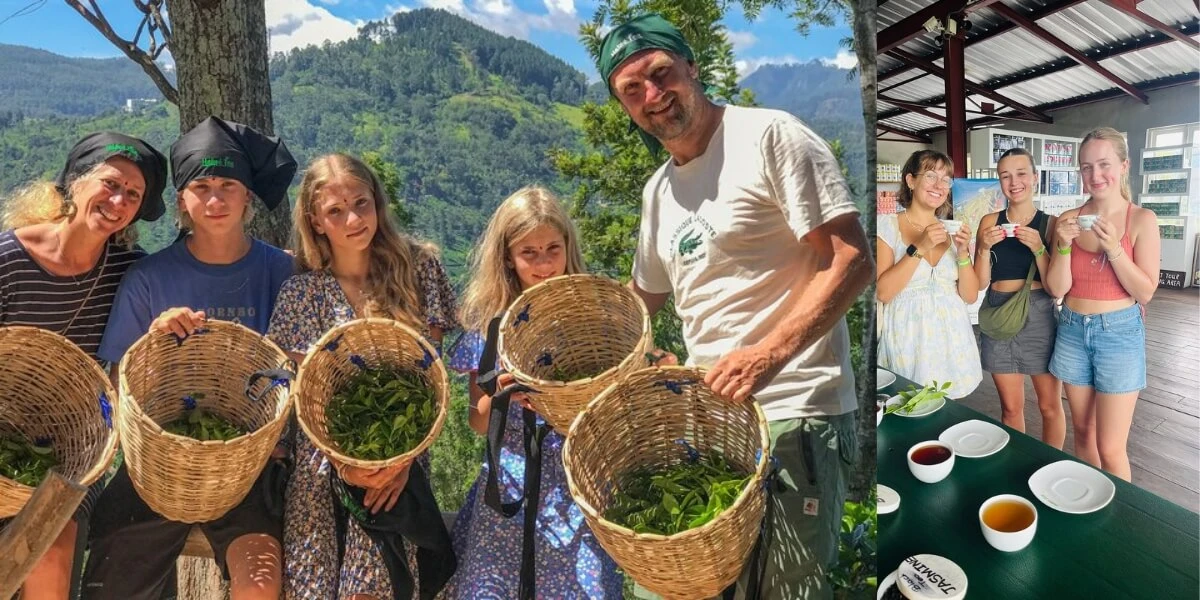
Days 6-7: Nuwara Eliya Tea Trails. Take the train into the mountains. Tour a working tea factory to learn the art of Ceylon tea production. Enjoy strawberries and cream (a local mountain specialty) and a colonial High Tea.
Days 8-9: Ella Cooking Classes. In the backpacker hub of Ella, enroll in a local cooking class. You will go to the market with a local chef, buy ingredients, and learn how to grate your own coconut and balance the spices to make a 5-curry feast.
Day 10: Galle Seafood Farewell. Head down to the south coast. Enjoy a final dinner inside the historic Galle Fort, indulging in a massive seafood platter and a chilled Lion beer.
💡 Chapter 8: Practical Tips for Eating in Sri Lanka
To ensure your stomach and your etiquette are in top form, keep these final tips in mind:
Eat With Your Hands: Sri Lankan food is designed to be eaten with the hands. Mixing the rice, dhal, and sambols together with your fingertips creates the perfect flavor profile in every bite. Crucial Rule: Only ever use your right hand to eat. The left hand is culturally reserved for bathroom hygiene and is considered unclean for dining.
The Water Rule: Do not drink the tap water. Always drink bottled, filtered, or boiled water. Use bottled water for brushing your teeth, and avoid ice in cheap street-side stalls (though ice in established restaurants and hotels is perfectly safe, usually made from purified water).
Managing the Heat: Sri Lankan food is spicy. If you have a low tolerance, say "Sere aduwen" (less spicy) when ordering. If you bite into a chili, don't drink water! Drink coconut milk, eat a spoonful of plain rice, or grab a piece of cucumber to neutralize the capsaicin.
Vegetarian & Vegan Paradise: Sri Lanka is one of the easiest countries in the world to be vegan. Because the cuisine relies heavily on coconut milk instead of dairy, and features a massive variety of vegetable and lentil curries, vegans can eat gloriously well without having to ask for special modifications. Just ask if the vegetable curries contain Maldive fish (which is sometimes used as a seasoning).
Conclusion
To travel through Sri Lanka is to take a masterclass in flavor. The cuisine tells the story of the island—a tale of ancient spice routes, colonial encounters, and an incredibly generous, resourceful culture. So, skip the familiar international restaurants, pull up a plastic chair at a roadside "Hotel" (the local term for a small restaurant), order a massive plate of Rice and Curry, and prepare to have your culinary worldview permanently altered.
Also read: Sri Lankan Food: 21 Must-Try Dishes & Where to Eat Them (2026)
Places Mentioned(1)
Ministry of Crab
Old Dutch Hospital Complex, 04 Hospital St, Colombo 00100, Sri Lanka
Tap a place card to see more details • Swipe to see all 1 places