Before You Plan Anything: Three Things to Accept
First, Sri Lanka is smaller than you think but slower than you expect. The island is roughly the size of Ireland or West Virginia, yet a journey that looks like two hours on a map frequently takes four. Roads wind through mountains. Buses stop constantly. The famous trains run on colonial-era tracks at colonial-era speeds. Factor in "Sri Lanka Time" — the affectionate local term for the pace at which things happen — and you'll understand why trying to see everything in ten days is a recipe for exhaustion, not memories.
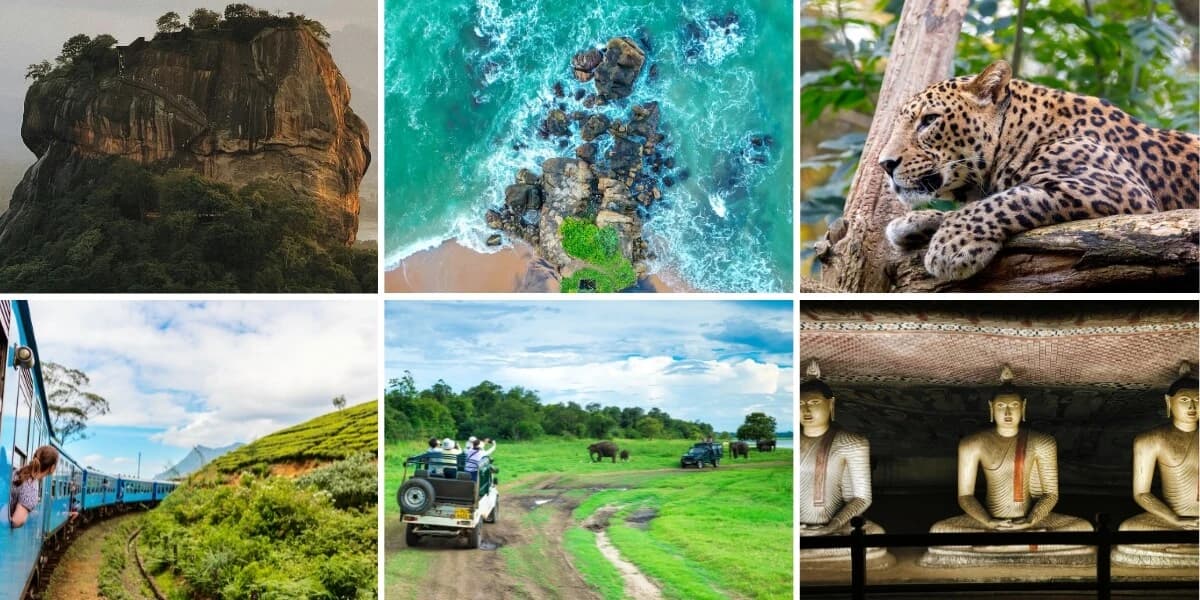
Second, you will not see everything, and that's fine. Sri Lanka has eight UNESCO World Heritage Sites, over a thousand kilometres of coastline, three distinct climate zones, the world's highest leopard density, one of the planet's best train rides, a food culture ranked seventh globally by Condé Nast, and 2,500 years of continuous civilisation. Two weeks covers the highlights. A month covers it properly. Ten days covers it if you're disciplined about what you skip.
Third, the route you choose should follow the weather, not the other way around. Sri Lanka's dual monsoon system means the best coast to visit changes with the season. If you're travelling December to April, head south and west. If you're travelling May to September, head east and north. This itinerary follows the classic December-to-April route (the one most first-time visitors take) with notes on how to adapt it for other seasons.
The Classic Route: The Shape of Your Trip
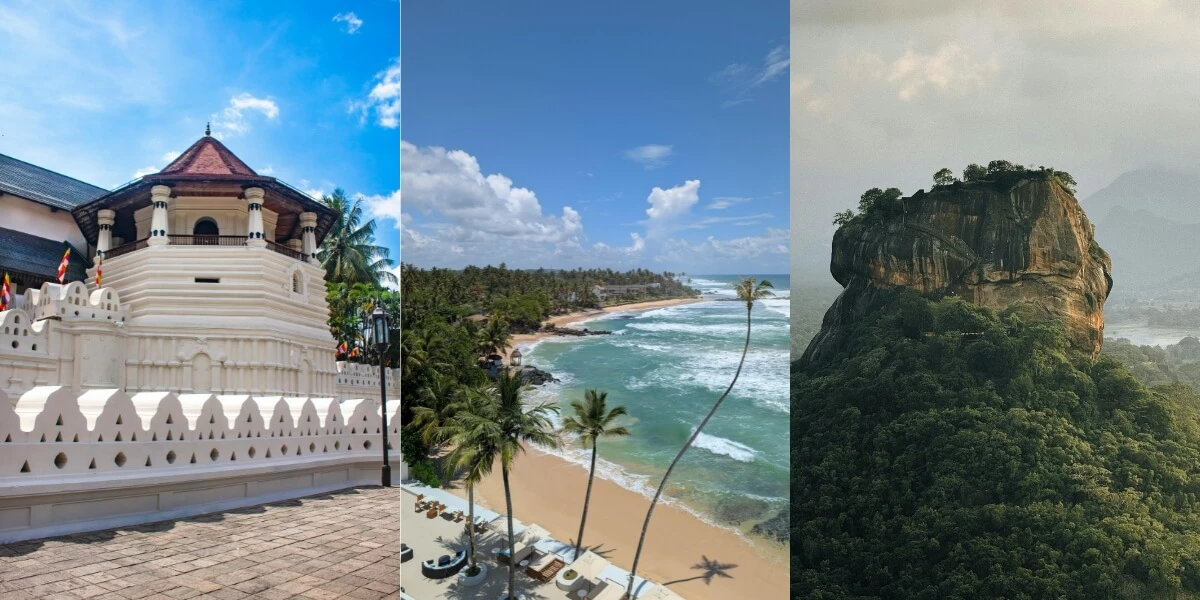
Nearly every first-time Sri Lanka itinerary follows the same basic arc, and for good reason — it's a natural loop that progresses through the island's most iconic landscapes:
Colombo → Cultural Triangle (Sigiriya/Dambulla) → Kandy → Hill Country (Nuwara Eliya/Ella) → South Coast (Yala/Mirissa/Galle) → Colombo
This clockwise loop starts at the airport, sweeps through ancient ruins and jungle, climbs into the misty tea country, rides the world's most scenic train, descends to leopard-rich national parks and palm-fringed beaches, and returns to where you started.
Both the 10-day and 14-day itineraries below follow this route. The difference is how long you linger.
The 10-Day Itinerary: For People With Less Time and More Discipline
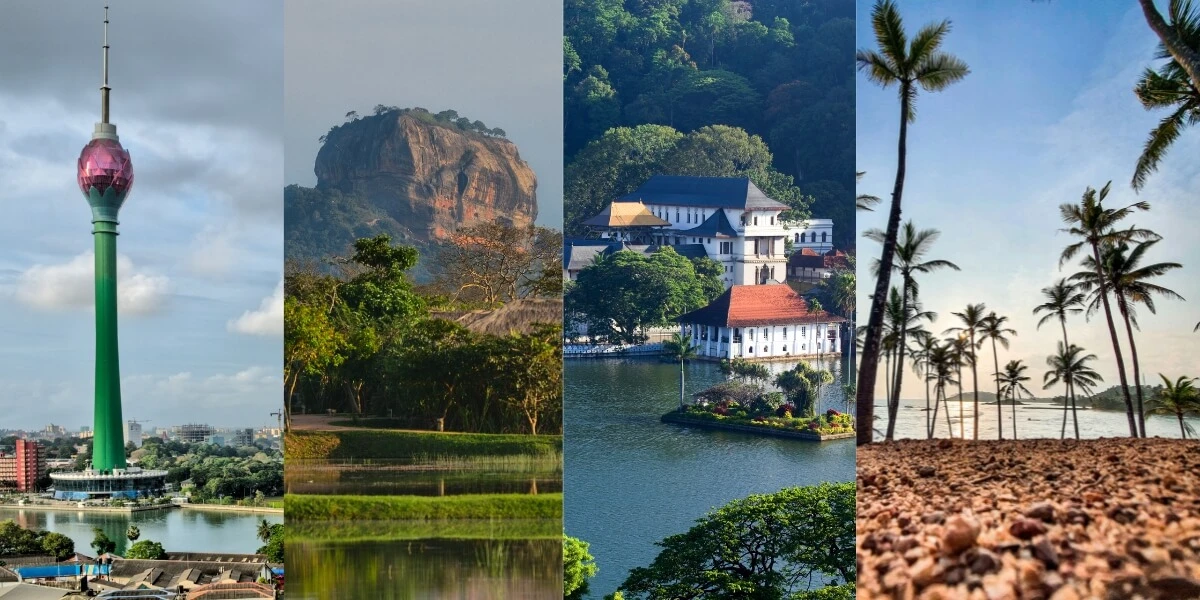
This itinerary is tight but not punishing. You'll see the essential highlights without feeling like you're running between them — provided you don't add stops. Every time you think "maybe I should squeeze in one more place," resist.
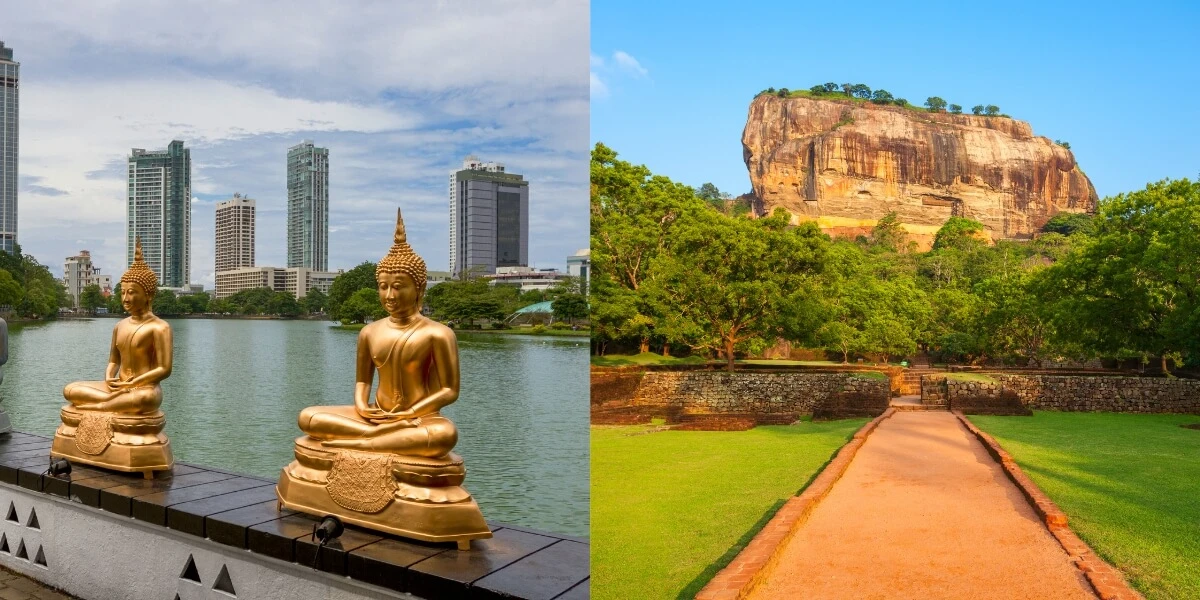
Days 1–2: Colombo + Cultural Triangle
Day 1: Arrive at Bandaranaike International Airport. If your flight lands in the morning, head directly to Sigiriya or Dambulla (4–5 hours by private car, longer by bus). If you arrive in the evening, spend the night in Negombo (15 minutes from the airport) and leave early the next morning.
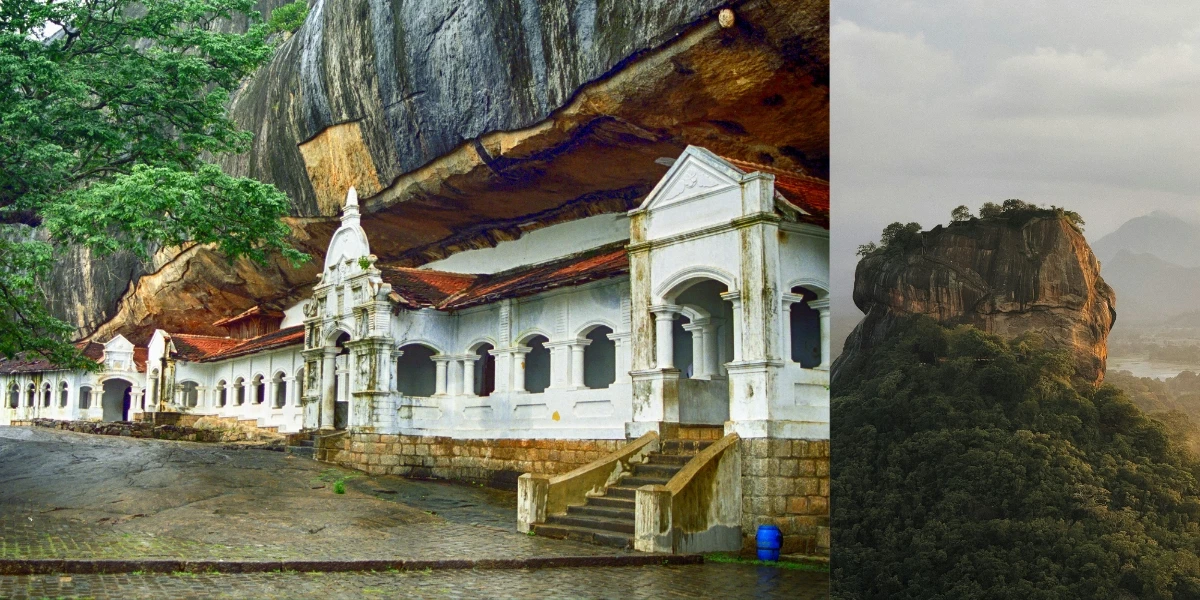
Day 2: Climb Sigiriya Rock Fortress (Lion Rock) — the 5th-century sky palace that justifies the $30 entrance fee. Start early (gates open at 7 AM) to beat both the heat and the crowds. In the afternoon, visit the Dambulla Cave Temples (five caves filled with Buddhist murals and 150 statues, $10 entry), which are 20 minutes from Sigiriya by tuk-tuk.
Where to stay: Sigiriya or Dambulla. Budget: $10–20 (guesthouse). Mid-range: $30–60. Upscale: $80–200.
What it costs: Sigiriya entrance $30. Dambulla entrance $10. Private car from airport $50–70. Meals $5–15/day.
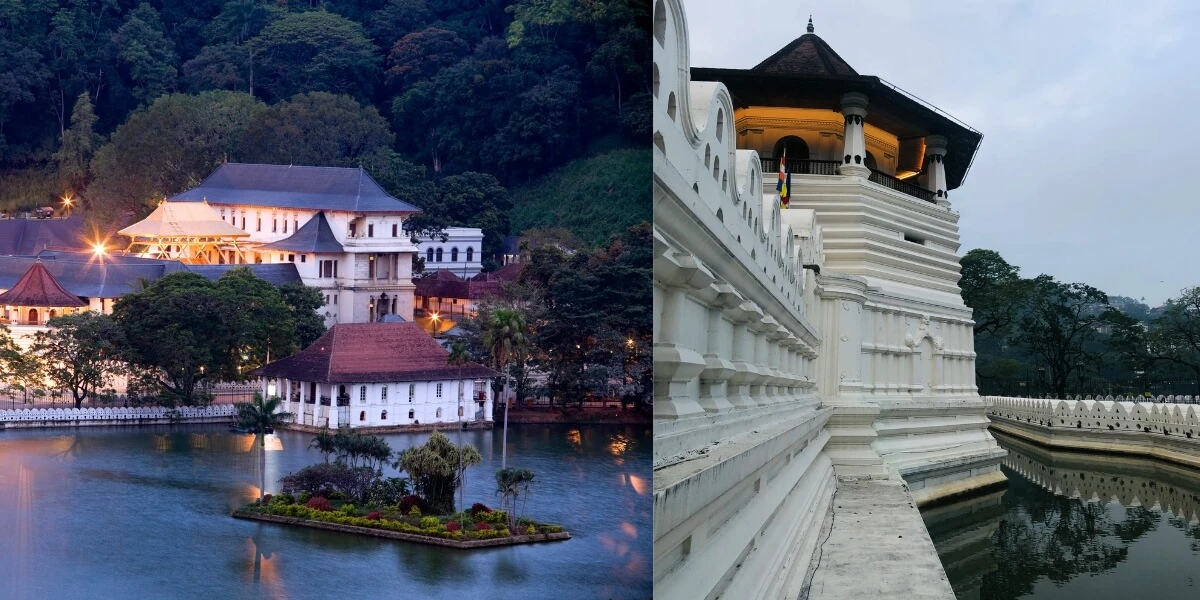
Day 3: Kandy
Morning: Drive to Kandy (3 hours from Sigiriya). En route, consider a stop at a spice garden — they're tourist-oriented but genuinely interesting for 30 minutes.
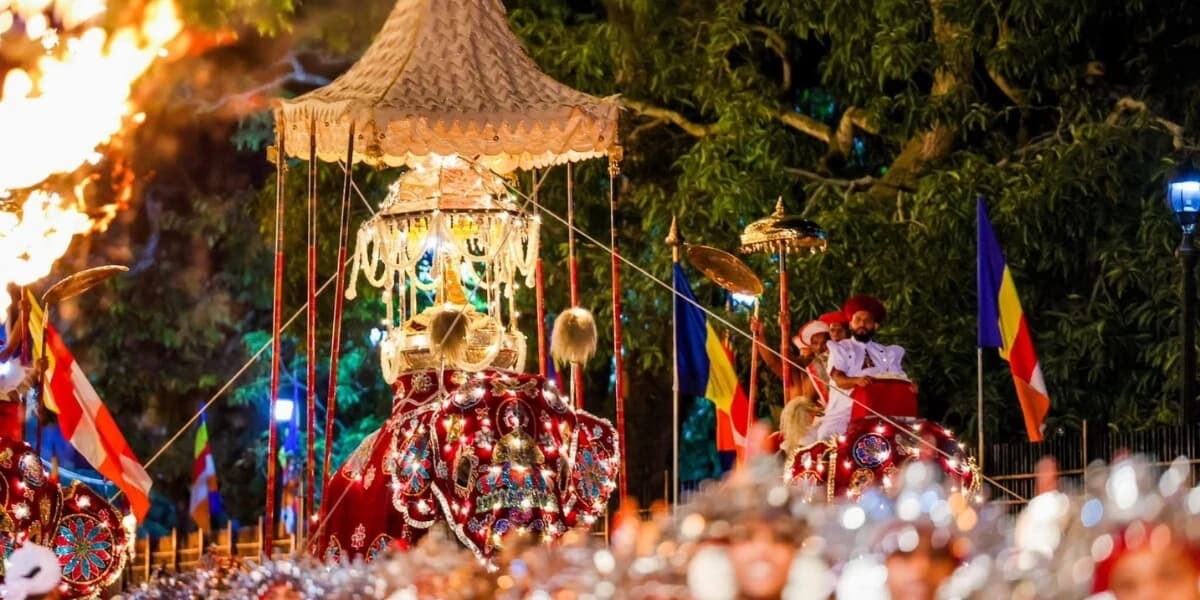
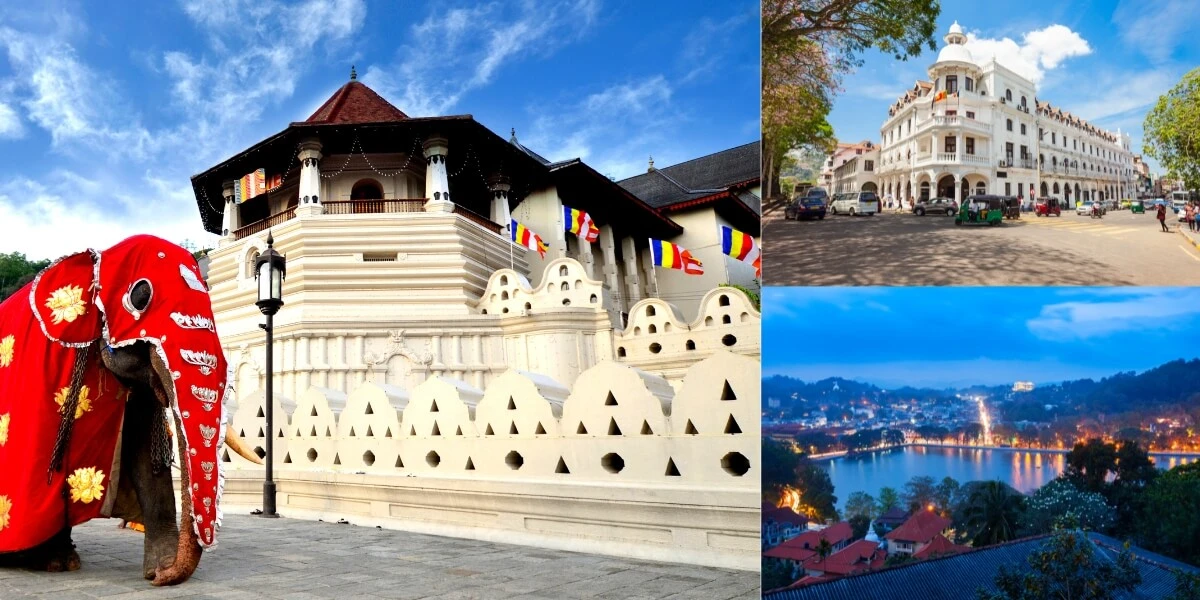
Afternoon: Walk around Kandy Lake. Visit the Temple of the Sacred Tooth Relic (Sri Dalada Maligawa), which houses what's believed to be the Buddha's tooth — Sri Lanka's most important religious site. Entry is around $10.
Evening: Watch the evening puja (prayer ceremony) at the temple. The drumming, chanting, and atmosphere are worth timing your visit around.
Where to stay: Kandy. Budget: $10–20. Mid-range: $25–50. Upscale: $60–150.
Honest note: Kandy divides opinion. Some travellers love its lakeside setting and cultural significance. Others find it congested and underwhelming compared to the hill country above. Two nights here is generous; one is enough for most people on a 10-day trip.
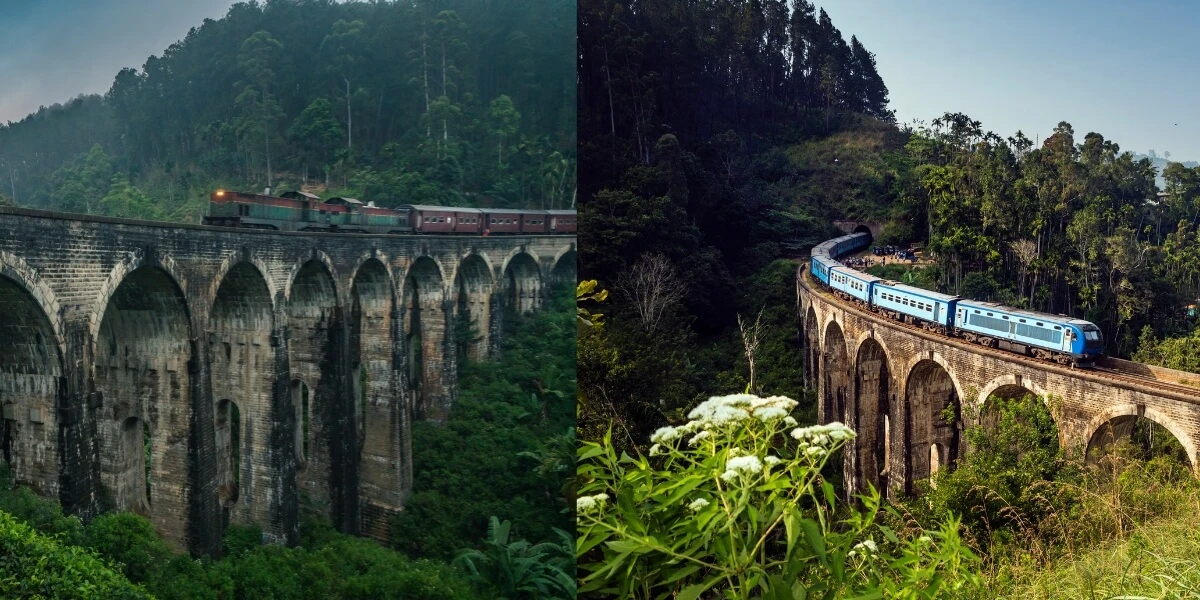
Day 4: Train to Ella
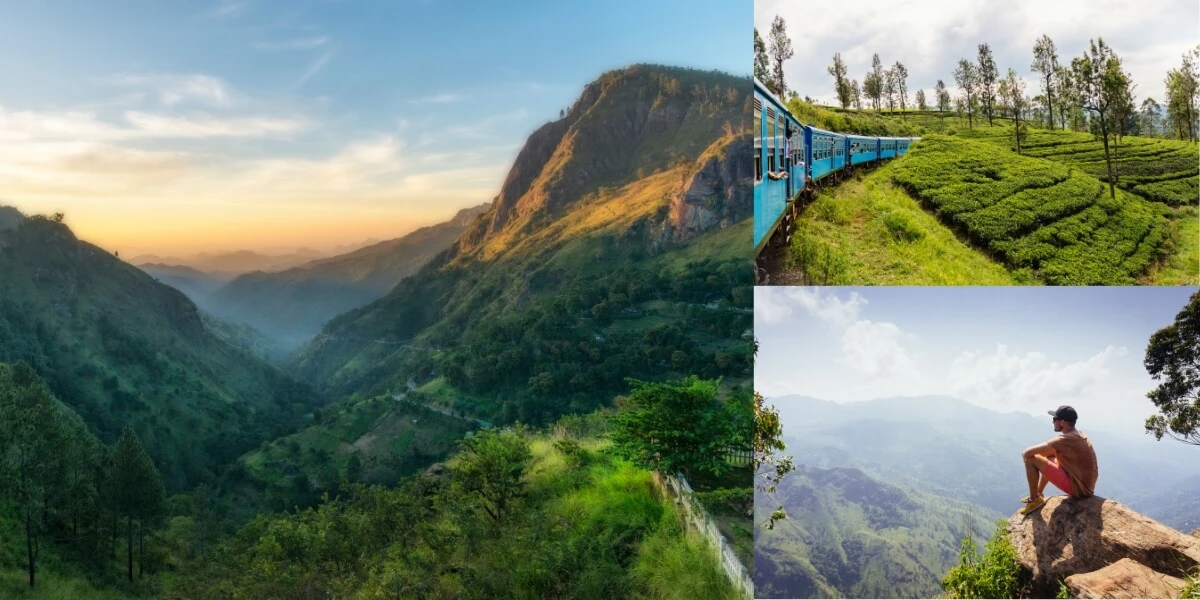
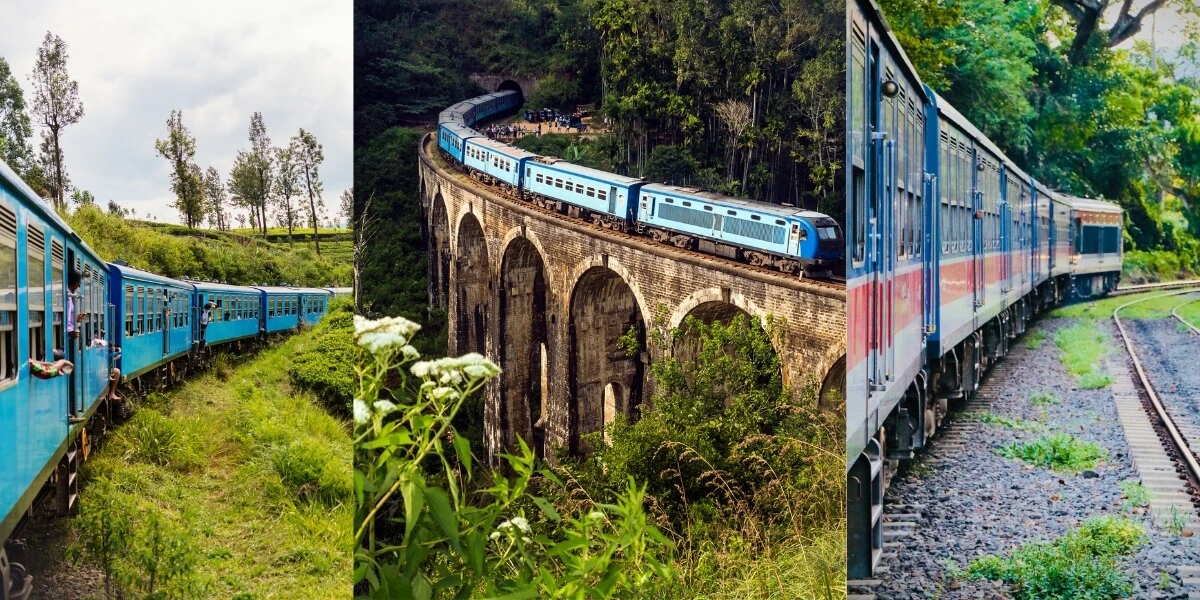
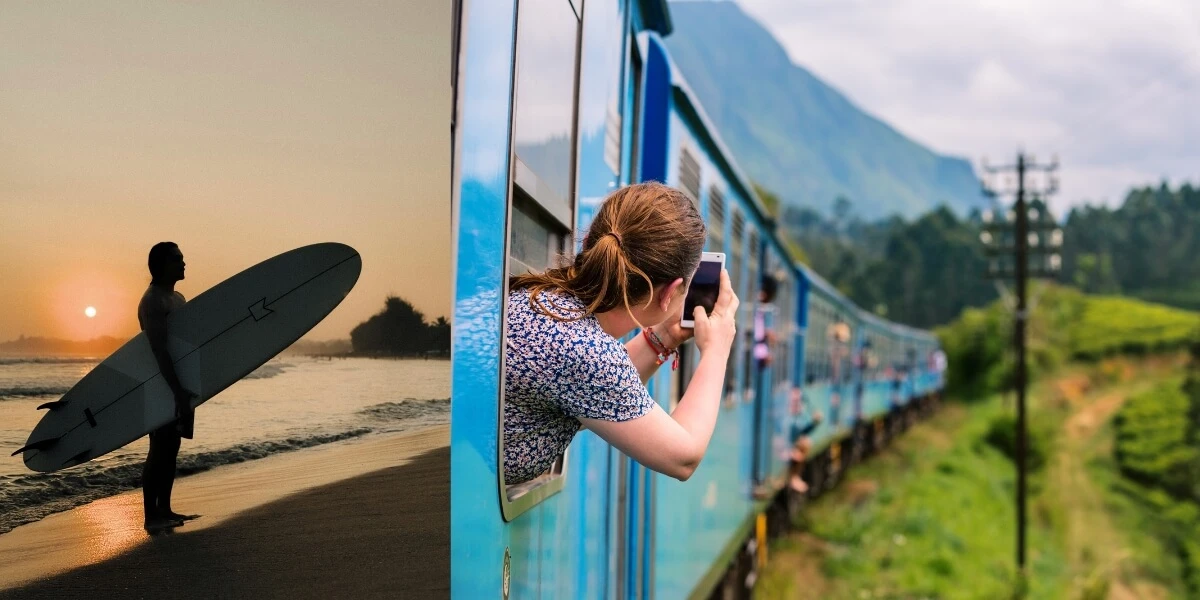
This is the day you've been looking forward to. The train from Kandy to Ella is routinely listed among the world's most beautiful train rides — seven hours of tea plantations, waterfalls, jungle valleys, and bridges that look too dramatic to be real.
Book reserved seats at least 30 days in advance through Sri Lanka Railways' official portal. Second class reserved ($2) gives you guaranteed seats and openable windows. Third class unreserved ($1) is an adventure but means standing if the train is full. First class reserved ($10) has air conditioning and sealed windows — comfortable but you can't lean out or feel the wind.
Practical tip: The train is scheduled to depart Kandy around 8:30 AM and arrive in Ella around 3:30 PM. It will almost certainly be late. This is normal. Plan nothing else for this day.
2026 update: Cyclone Ditwah (November 2025) damaged sections of the rail line. As of early 2026, service was partially disrupted. Check current status before booking. Alternative: take the train from Nanu Oya or Ambewela to Ella if the full Kandy-Ella route is still suspended.
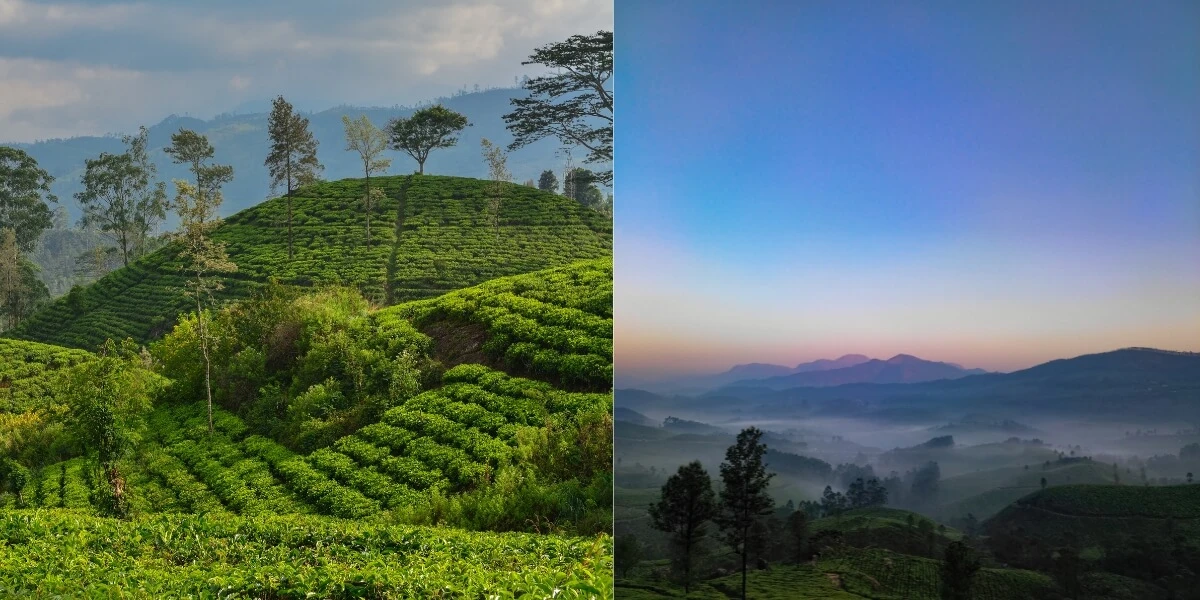
Days 5–6: Ella
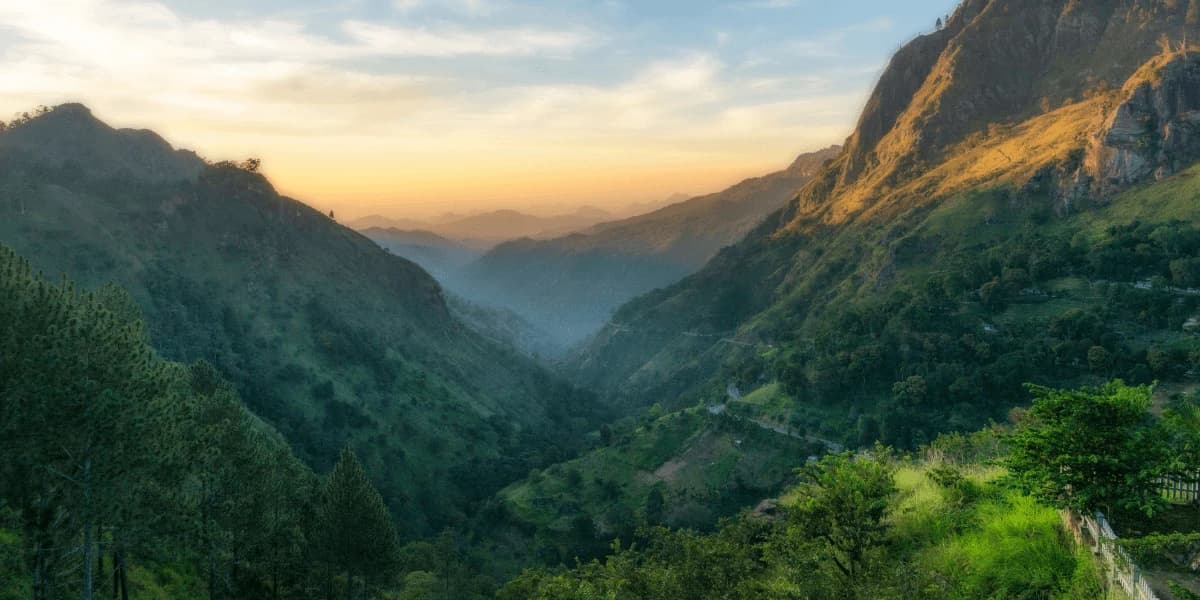
Ella is the hill country town that makes people extend their trips. At 1,000 metres above sea level, the temperature drops to a blissful 20–25°C during the day and can dip to 15°C at night. The pace slows. The scenery intensifies.
Day 5: Hike to Little Adam's Peak (45 minutes each way, no entrance fee, stunning panoramic views). In the afternoon, walk to the Nine Arch Bridge — a colonial-era viaduct set among tea plantations that has become one of Sri Lanka's most photographed landmarks. Time it for when a train crosses (roughly 9:30 AM and 3:45 PM, but check locally).
Day 6: Morning visit to a tea factory (Uva Halpewatte is excellent, $3 entry). Afternoon: Ravana Waterfall (10 minutes from town), or simply enjoy Ella's café culture — the town has unexpectedly good coffee and international food alongside brilliant Sri Lankan rice and curry.
Where to stay: Ella. Budget: $10–20. Mid-range: $25–50. Upscale: $60–150.
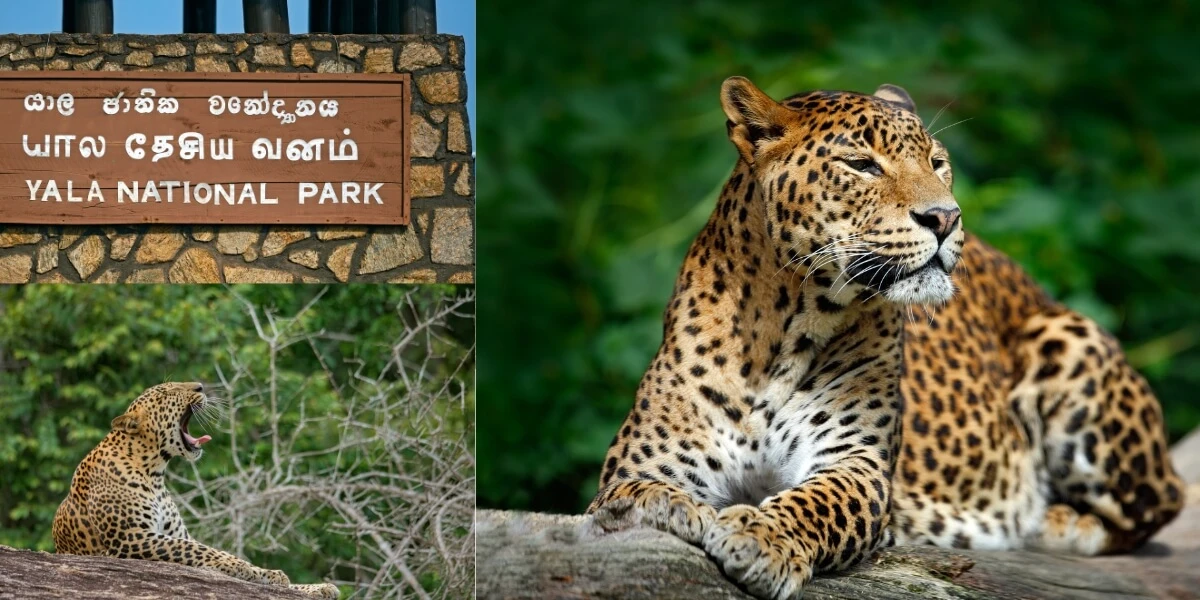
Day 7: Yala National Park
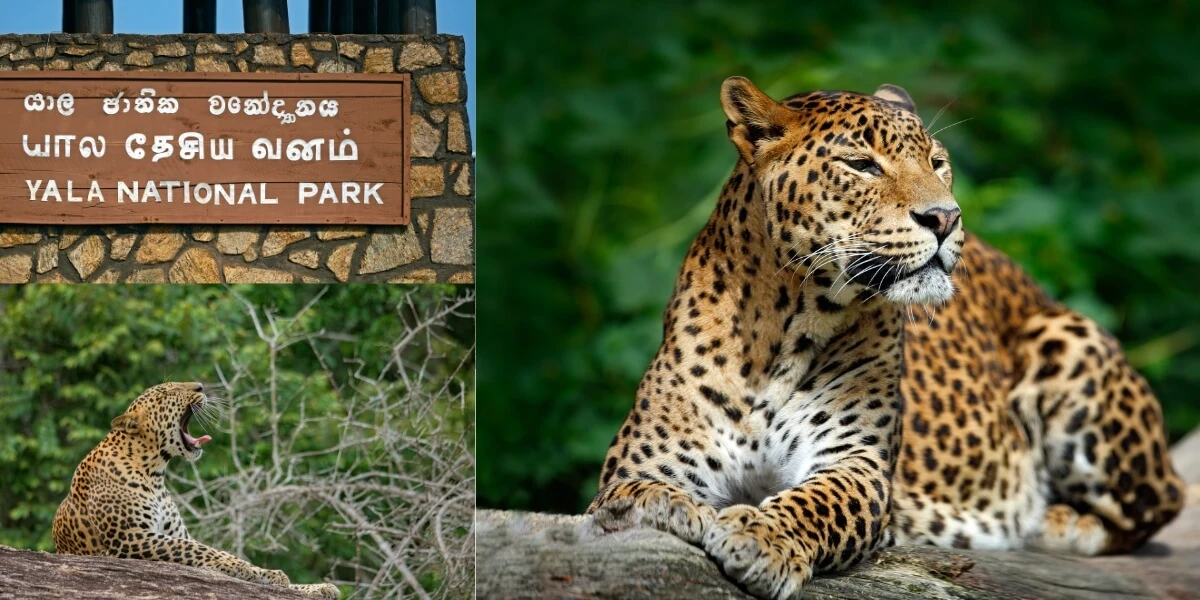
Morning: Drive from Ella to Tissamaharama (3 hours), the base town for Yala National Park. Arrange an afternoon safari (half-day, 2:00–6:30 PM) to catch the golden hour when leopards are most active.
What it costs: Park entrance $30–40 per person. Shared jeep $20–30 per person. Private jeep $60–100. A private jeep with an experienced guide dramatically increases your chances of spotting leopards.
Where to stay: Tissamaharama. Budget: $8–20. Mid-range: $25–60. Eco-lodge: $100–400.
Alternative for wildlife lovers: If leopards are less important to you than elephants, substitute Udawalawe National Park (closer to Ella, 2 hours). You're almost guaranteed to see 50+ elephants, and it's less crowded and cheaper than Yala.
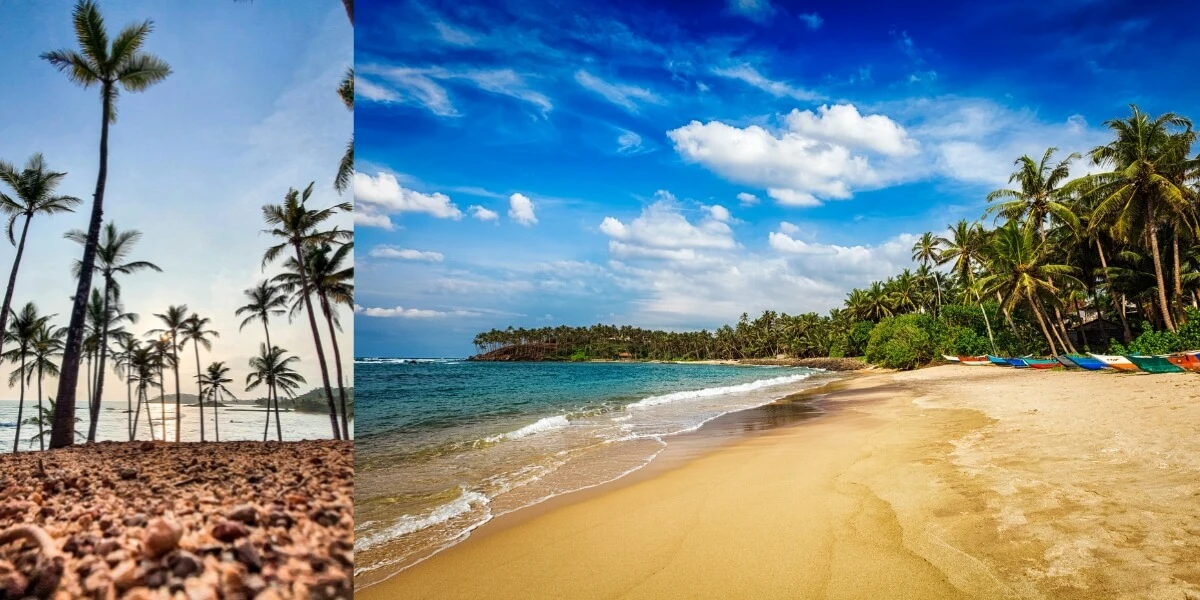
Day 8: South Coast — Mirissa
Morning: Drive from Tissa to Mirissa (3 hours along the scenic south coast road). En route, stop at Tangalle for an empty-beach lunch if time allows.
Afternoon: Arrive in Mirissa. Settle in. Walk to Parrot Rock for sunset.
Where to stay: Mirissa. Budget: $10–20. Mid-range: $30–60. Boutique: $80–200.
If you're here December–April: Book a whale watching trip for the next morning. Mirissa is one of the world's best spots for blue whales and sperm whales. Trips depart at 6:30 AM and cost $40–60. Choose operators with a responsible wildlife policy (no chasing, maintaining distance from whales).
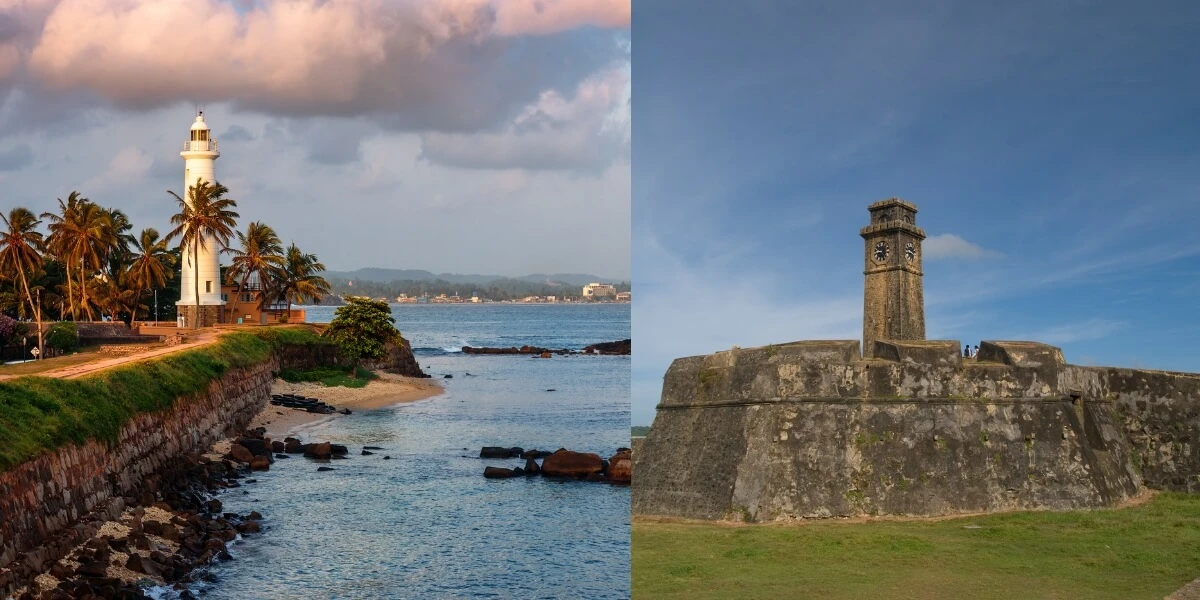
Day 9: Galle
Morning: Whale watching (if booked) or beach time in Mirissa.
Afternoon: Drive to Galle (1 hour). Explore Galle Fort — a 16th-century Dutch-Portuguese fortification that's now a UNESCO World Heritage Site filled with boutique shops, cafés, galleries, and crumbling colonial architecture. It's one of the best-preserved European fortifications in Asia and genuinely atmospheric, not just a tourist set piece.
Walk the fort walls at sunset. The views of the Indian Ocean from the ramparts are among the most photographed in Sri Lanka.
Where to stay: Galle Fort (for atmosphere) or nearby Unawatuna (for beach access). Budget: $15–25. Mid-range: $40–80. Boutique: $100–300.
Day 10: Galle → Airport
Morning: Explore what you missed in Galle Fort. The lighthouse, the Dutch Reformed Church, and the narrow backstreets are worth a final wander.
Afternoon: Drive to Bandaranaike Airport (2.5–3 hours via the Southern Expressway). Alternatively, if your flight is late, stop in Colombo for a few hours — Pettah Market, Gangaramaya Temple, and a final rice and curry are all within reach.
The 14-Day Itinerary: For People Who Want to Breathe
The 14-day version follows the same route but adds breathing room and two significant additions: more time at each stop and a beach stretch that the 10-day version cruelly sacrifices.
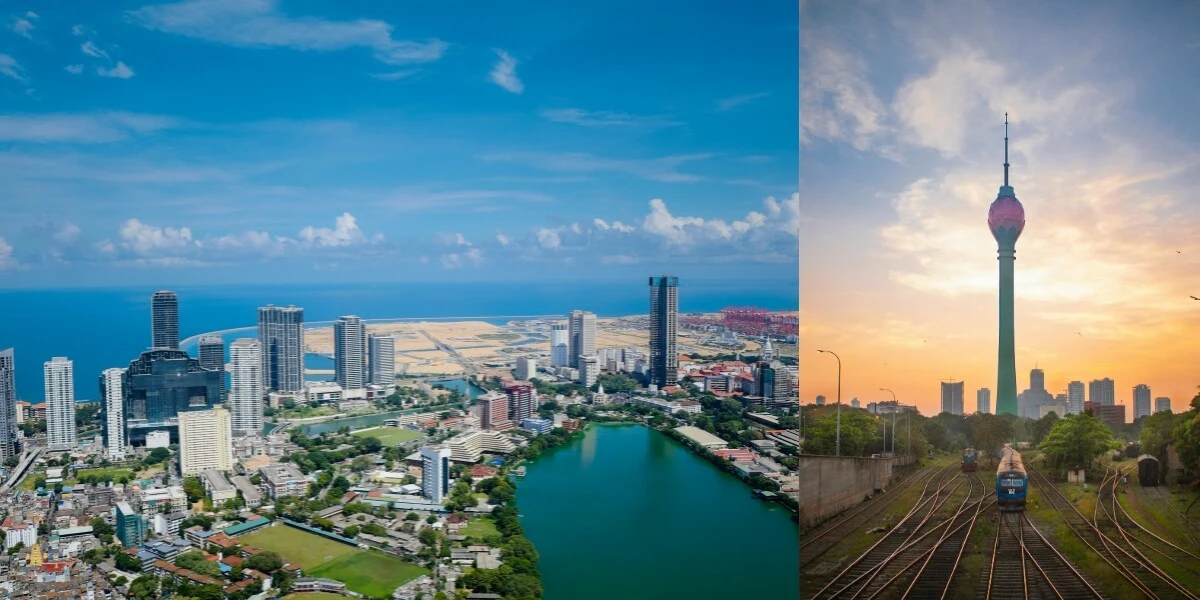
Days 1–2: Colombo
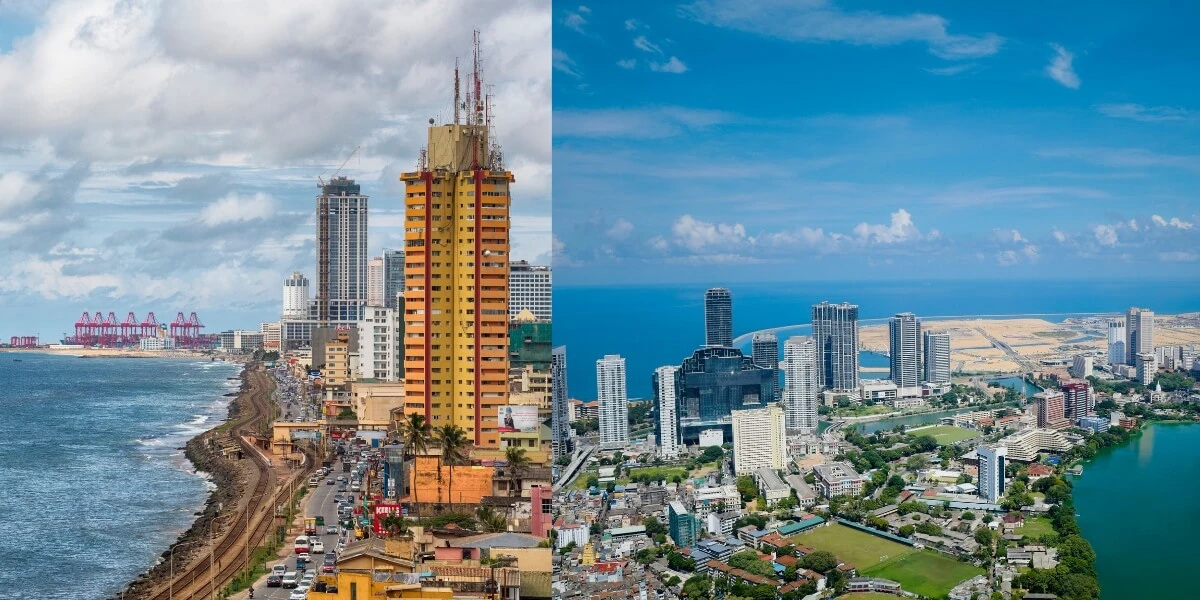
Don't skip Colombo. Most itineraries treat it as an airport layover, but Sri Lanka's capital has evolved into a genuinely interesting city.
Day 1: Pettah Market (a sensory overload of spices, textiles, and electronics), Gangaramaya Temple (an eccentric mix of Sri Lankan, Thai, Indian, and Chinese architecture), and a walk along Galle Face Green as the sun sets over the Indian Ocean.
Day 2: The National Museum ($5, excellent if you want context for the cultural sites ahead), Independence Square, and a food walk through Colombo's diverse neighbourhoods — the city has the best kottu roti, hoppers, and lamprais on the island because it draws cooks from every region.
Where to stay: Colombo. Budget: $15–25. Mid-range: $40–80. Luxury: $100–300+.
Days 3–4: Cultural Triangle
Day 3: Sigiriya Rock Fortress and Dambulla Cave Temples (as per 10-day itinerary).
Day 4: Polonnaruwa — the medieval capital of Sri Lanka, with vast ruins you can explore by bicycle ($3 rental for the day). Less famous than Sigiriya but equally impressive and far less crowded. Entry is $25.
Where to stay: Sigiriya, Dambulla, or Habarana (a good central base for the Cultural Triangle).
Days 5–6: Kandy
Day 5: Temple of the Sacred Tooth Relic, Kandy Lake, the old town. Visit the evening puja ceremony.
Day 6: Royal Botanical Gardens at Peradeniya (one of the finest tropical gardens in Asia, $10 entry). In the afternoon, visit a tea plantation near Kandy or simply explore the market areas for spices, textiles, and local street food.
Day 7: Train to Nuwara Eliya
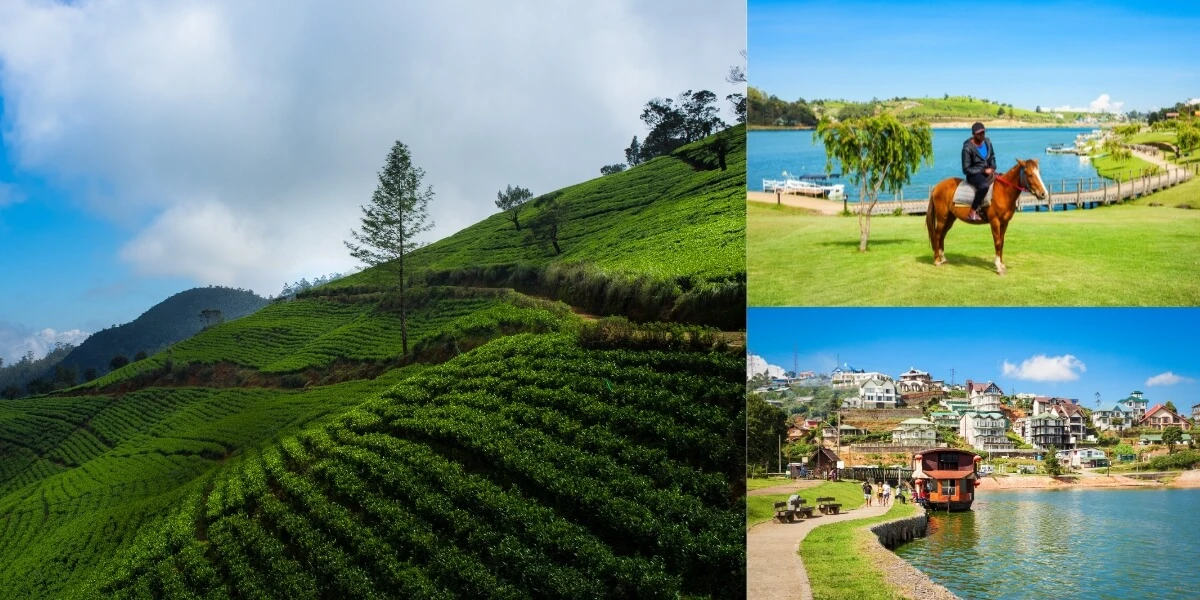
Instead of going directly to Ella, break the train journey at Nanu Oya station and spend a night in Nuwara Eliya — the "Little England" of Sri Lanka, a colonial-era hill station at 1,868 metres with Tudor-style buildings, manicured gardens, and temperatures cool enough for a sweater.
What to do: Visit a working tea estate (Pedro Tea Estate is walkable from town), explore Victoria Park, and enjoy the surreal atmosphere of an English village transplanted to the Sri Lankan highlands. Nuwara Eliya is genuinely cold at night — bring layers.
Days 8–9: Ella
Take the morning train from Nanu Oya to Ella (3 hours — arguably the most scenic section of the entire line). Spend two full days in Ella as per the 10-day itinerary: Little Adam's Peak, Nine Arch Bridge, tea factories, and the café culture that makes people overstay their plans.
Day 10: Yala or Udawalawe
Safari day. With 14 days, you could even do both parks on consecutive days — Udawalawe for elephants on Day 10, Yala for leopards on Day 11. But if you choose one, choose based on your priority: guaranteed elephants (Udawalawe) or a chance at the world's most elusive big cat (Yala).
Days 11–12: South Coast Beaches
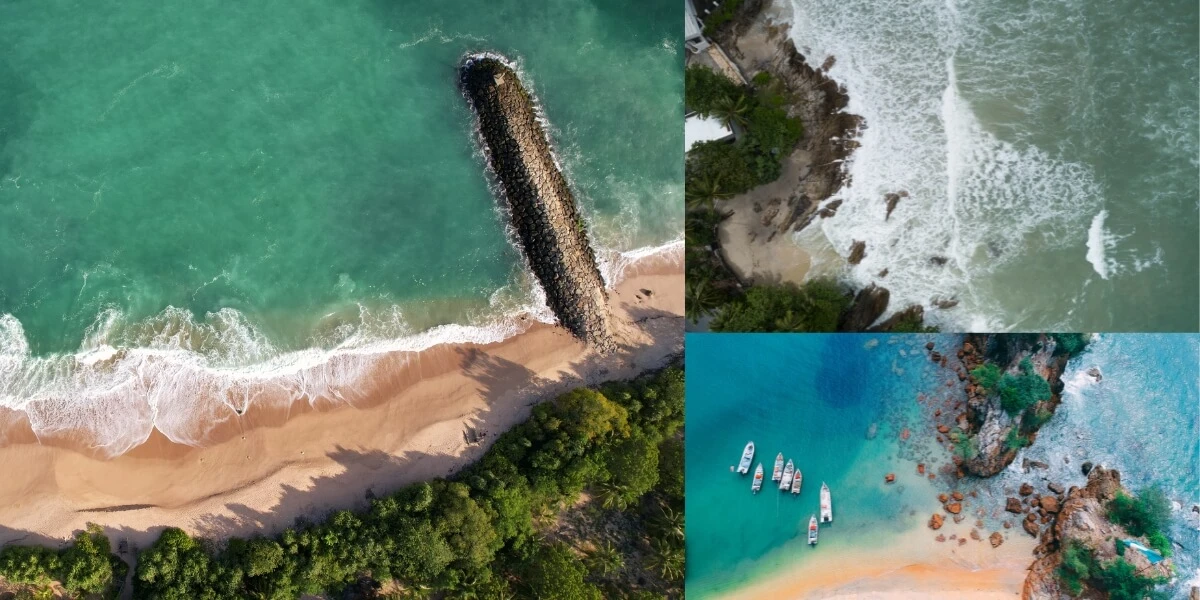
With extra days, you can spread your beach time rather than rushing through.
Day 11: Tangalle — one of the south coast's less-developed stretches, with long, empty beaches and a quieter atmosphere than Mirissa. If you're here between January and April, the Rekawa turtle nesting beach is nearby (free, guided night walks to see sea turtles laying eggs).
Day 12: Mirissa — whale watching in the morning (December–April), beach in the afternoon, seafood dinner at sunset. Or head to Weligama for a surf lesson if the waves are calling.
Day 13: Galle
A full day in Galle Fort. With more time, you can properly explore the boutiques, galleries, and the excellent Galle Fort Hotel for an afternoon tea. Walk the ramparts at sunset.
Day 14: Galle → Airport
Southern Expressway to the airport (2.5–3 hours). Leave time for a final king coconut on the roadside.
What Everything Costs: The Honest Budget Breakdown
Most travel blogs give you unhelpfully vague budget estimates. Here are real numbers based on 2025–2026 pricing.
Daily Budgets by Travel Style
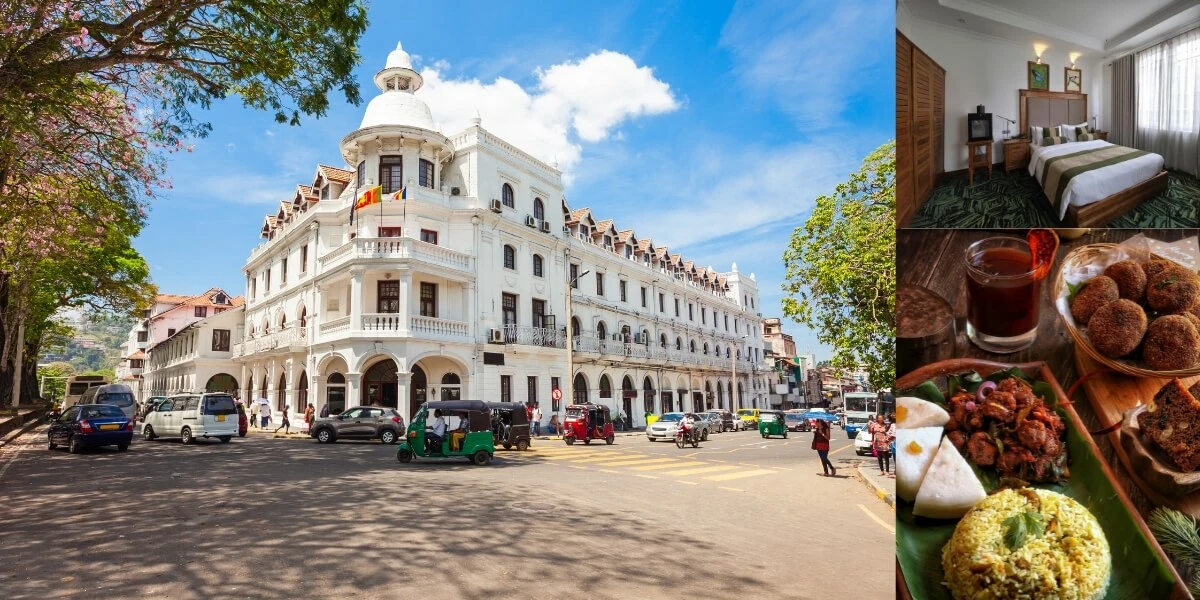
Backpacker ($30–45/day per person): Dorm beds or basic guesthouses ($5–15/night). Local rice and curry for meals ($1–3/meal). Public buses and third-class trains. Shared safari jeeps. No alcohol (or very little — imported beer is $3–5).
Mid-range traveller ($60–100/day per person): Private rooms in guesthouses or mid-range hotels ($20–50/night). Mix of local food and tourist restaurants ($5–15/meal). Second-class train, PickMe tuk-tuks, and occasional private car transfers. Private safari jeep.
Comfortable traveller ($100–200/day per person): Boutique hotels ($50–150/night). Restaurants and hotels ($15–30/meal). Private car and driver ($50–70/day including fuel). All private experiences.
Luxury ($200+/day per person): Heritage hotels and eco-lodges ($150–500+/night). Fine dining and hotel restaurants. Private driver throughout. Premium safari experiences with top guides.
The Big-Ticket Items
These are the costs that can catch budget travellers off guard:
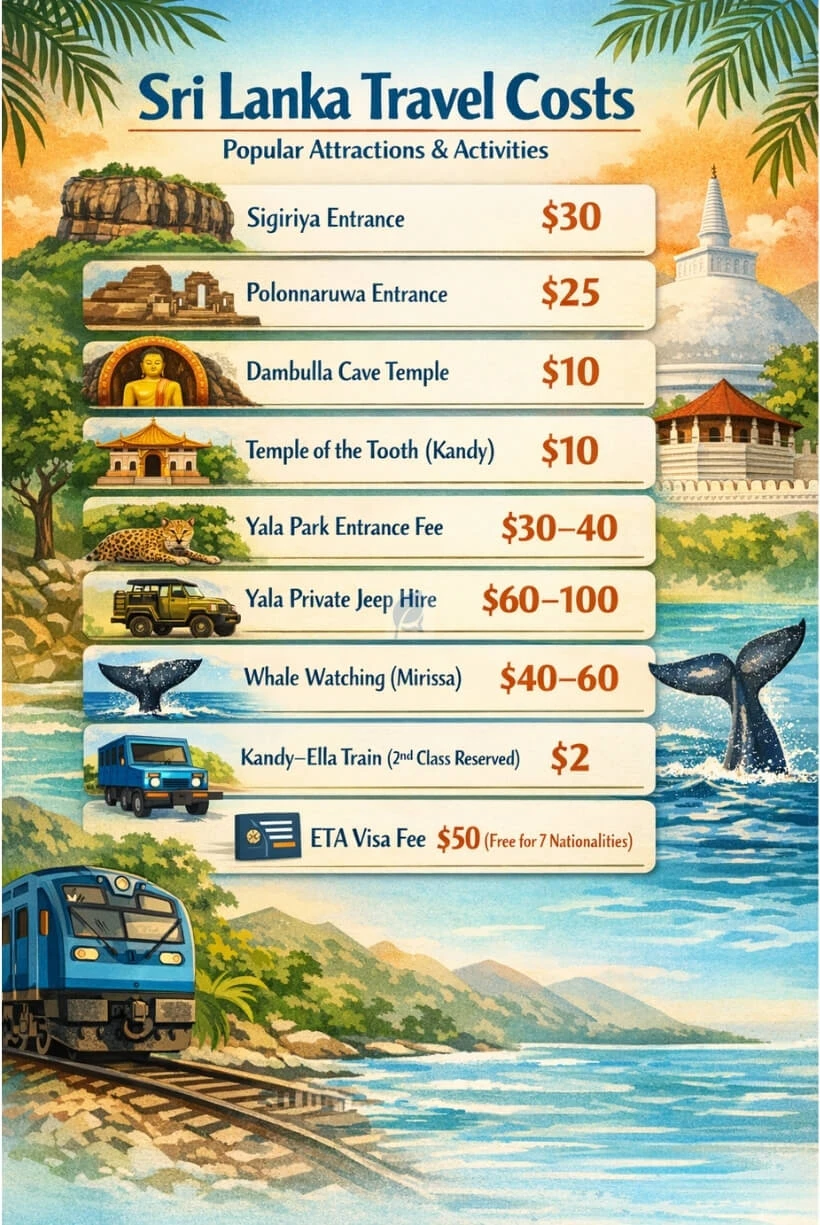
A 10-day trip for a mid-range traveller typically totals $600–1,000 per person (excluding international flights). A 14-day trip: $800–1,400.
How to Get Around: Transport That Actually Works
Private Car and Driver
The most comfortable option and surprisingly affordable for groups of 2–4 people. A car and driver costs $50–70/day including fuel, the driver handles all navigation, and most drivers double as informal guides. Your accommodation can usually arrange a reliable driver. For a full 10–14 day trip, negotiate a package rate.
The catch: You miss the train experience, and you don't interact with local life the same way.
Trains
Scenic, cheap, and one of the highlights of any Sri Lanka trip. But slow, frequently late, and limited to certain routes. Book reserved seats 30+ days in advance through the official Sri Lanka Railways portal. The three essential train routes: Colombo–Kandy, Kandy–Nanu Oya–Ella, and the coastal line (Colombo–Galle–Matara).
PickMe (Sri Lanka's Uber)
Download this app before you arrive. It works for tuk-tuks and cars, shows you the fare upfront, and eliminates the negotiation dance with street tuk-tuk drivers. Works well in Colombo, Kandy, Galle, and most tourist areas. Less reliable in rural areas and parts of the south coast where local tuk-tuk drivers resist ride-hailing apps.
Public Buses
Absurdly cheap (a 100 km journey can cost less than $0.50), extremely frequent, and a full cultural immersion experience. Also crowded, chaotic, and occasionally terrifying. Red government buses are cheaper and slower. Private buses (usually white or coloured) are slightly more expensive and faster. Neither is air-conditioned. Use buses for short hops; don't rely on them for long cross-country journeys unless you have time and tolerance.
Tuk-Tuks
Ubiquitous. For street hails (no app), check PickMe for the fair price before negotiating. A reasonable rate is roughly 100 LKR ($0.35) per kilometre for short trips, less per kilometre for longer rides. A full-day tuk-tuk hire costs approximately $20–30.
What Most Itineraries Get Wrong
They rush through Ella
Two nights in Ella is the minimum. Many travellers wish they'd stayed three or four. The town's appeal isn't a checklist of sights — it's the pace, the climate, the views from your guesthouse balcony, and the realisation that you don't need to be anywhere else.
They skip Colombo entirely
Colombo isn't Bali or Bangkok, but it's a real, working South Asian city with excellent food, fascinating markets, and enough personality to deserve a day. Treating it as nothing more than an airport transfer is a missed opportunity.
They try to add the east coast to a south-coast itinerary
The drive from Ella to Arugam Bay (east coast) is 4–5 hours. Adding it to a 10-day clockwise loop means backtracking and losing at least two travel days. If you want the east coast, plan a separate trip (May–September) or extend to three weeks.
They overestimate their tolerance for early mornings
Safaris start at 5:30–6:00 AM. Whale watching boats depart at 6:30 AM. The best temple visits are before 9 AM. If you schedule all of these back to back, you'll be exhausted by day five. Build in recovery time. A morning with no alarm clock is not wasted time — it's what makes the next adventure enjoyable.
They underestimate entrance fees
Sigiriya ($30), Polonnaruwa ($25), Yala ($30–40), Dambulla ($10), Temple of the Tooth ($10) — for a backpacker, these add up to $100+ before you've eaten a meal or booked a room. Budget for them specifically.
Practical Essentials
Visa: Apply for an ETA at eta.gov.lk at least one week before travel. $50 for most nationalities (free for 7 countries). Do not use third-party websites.
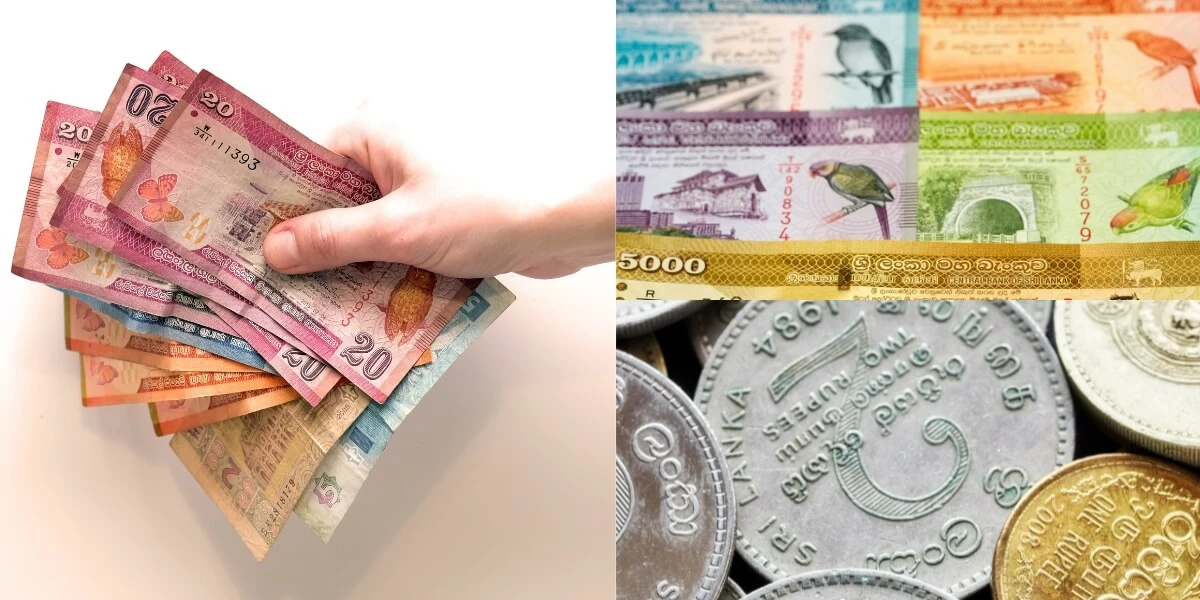
Money: Sri Lankan Rupee (LKR). ATMs are widespread in towns and cities. Carry cash for rural areas, tuk-tuks, and small restaurants. Credit cards accepted at hotels and larger restaurants but not everywhere.
SIM card: Buy a tourist SIM at the airport (Dialog or Mobitel, $5–10 for a month of data). Essential for PickMe, Google Maps, and checking train schedules. Alternatively, purchase an eSIM before arrival.
Power: Sri Lanka uses Type D and Type G plugs (British-style three-pin). Bring a universal adapter.
Health: No mandatory vaccinations for most travellers (yellow fever certificate required if arriving from an endemic country). Tap water is not safe to drink — bottled water is cheap and available everywhere. Bring mosquito repellent, especially for lowland areas.
Clothing: Light, breathable fabrics for the coast. A warm layer for the Hill Country (it genuinely gets cold above 1,000m). Modest clothing for temple visits — shoulders and knees must be covered.
Language: Sinhala and Tamil are the official languages. English is widely spoken in tourist areas, hotels, and by younger Sri Lankans. Learning "bohoma sthuthi" (thank you in Sinhala) goes a long way.
The Bottom Line
Sri Lanka rewards the traveller who plans enough to avoid wasting time but not so much that they've eliminated the possibility of surprise. The best moments won't be on your itinerary: the family who invites you for tea, the sunset you weren't expecting, the dish you can't pronounce that turns out to be the best thing you've ever eaten.
Ten days gives you the highlights. Fourteen days gives you the highlights plus the space to actually enjoy them. Either way, the route is proven, the costs are manageable, and the island delivers more per square kilometre than almost anywhere else on earth.
Go clockwise. Take the train. Eat the rice and curry. Stay an extra night in Ella. And when something doesn't go to plan — which it will, because this is Sri Lanka — remind yourself that you're on Sri Lanka Time.
It's slower. It's better.
This article is part of our comprehensive Sri Lanka travel series. For detailed guides on specific topics mentioned here, see our articles on the Kandy to Ella train, Sri Lankan food, Yala National Park safaris, Sri Lanka visas, and the best time to visit Sri Lanka.
Key Takeaways for Quick Reference:
Classic route: Colombo → Sigiriya/Dambulla → Kandy → Hill Country (Ella) → Yala → South Coast (Mirissa/Galle) → Colombo
10 days covers the highlights with discipline. 14 days adds breathing room and Colombo, Nuwara Eliya, and Polonnaruwa.
Daily budget: Backpacker $30–45 | Mid-range $60–100 | Comfortable $100–200 | Luxury $200+
Transport mix: Private driver ($50–70/day), trains for scenic routes ($1–10), PickMe for tuk-tuks, buses for short hops
Big-ticket entrance fees: Sigiriya $30, Polonnaruwa $25, Yala $30–40, whale watching $40–60
Book 30+ days ahead: Train tickets (Kandy–Ella) and peak-season accommodation
Download before arrival: PickMe app, get a local SIM at the airport
Don't skip: Colombo (one day), Ella (two+ nights), the train ride, rice and curry everywhere
Don't add: The east coast to a south-coast 10-day trip — save it for a separate visit
Best months for this route: December to March (dry season for south/west coast)