What Makes Galle Different
There are hundreds of historic forts in the world. Most are fenced, ticketed, and empty — the people who built them long gone, replaced by audio guides and gift shops.
Galle Fort is none of those things.
Built by the Portuguese in 1588, expanded massively by the Dutch in the 1600s, and later modified by the British, this fortified peninsula on Sri Lanka's southwest coast is a UNESCO World Heritage Site that people actually live in. Families occupy colonial-era houses. A mosque stands next to a Dutch Reformed church. Boutique shops fill former spice warehouses. Cafés serve espresso in courtyards where merchants once traded cinnamon and cardamom with ships from Persia, Arabia, and China.
The fortifications themselves — 3 kilometres of stone ramparts with 14 bastions, some over a metre thick — are open, unfenced, and free to walk. You can stroll the entire perimeter with the Indian Ocean crashing on one side and centuries of architecture on the other, and nobody asks for a ticket.
This is not a ruin. It's a neighbourhood that happens to be 400 years old. And that's why it works.
The Fort: What to See and Do
Walk the Ramparts
Time: 45 minutes to 1.5 hours depending on pace and stops.
Cost: Free.
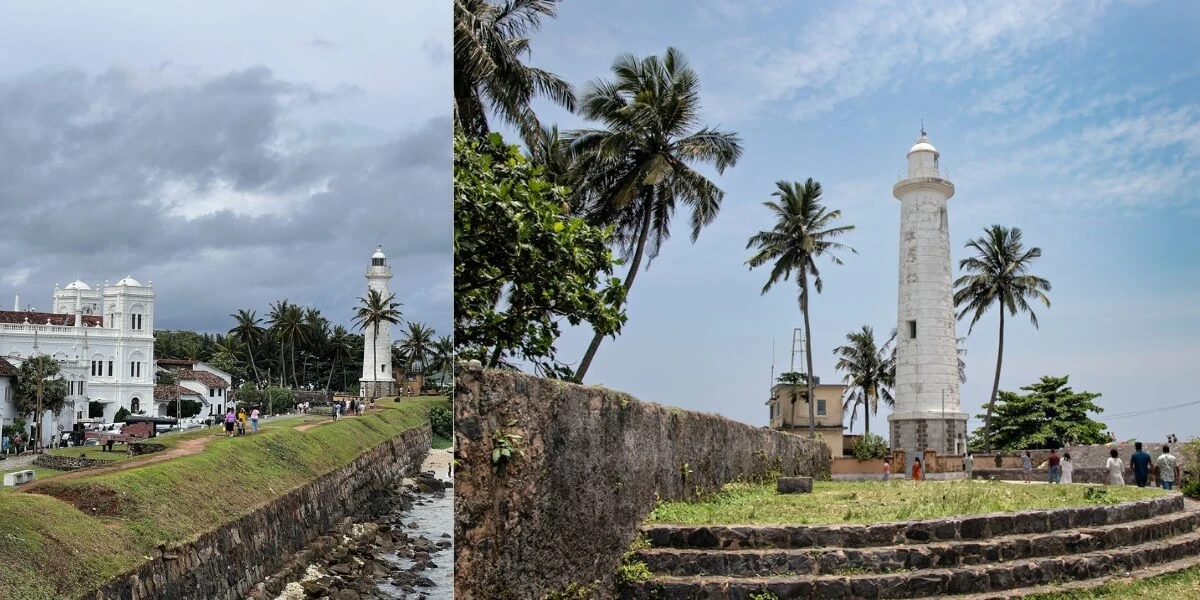
The rampart walk is the essential Galle experience. The circuit follows the top of the fort walls around the entire perimeter — roughly 2 kilometres — with views of the Indian Ocean on the outer side and the fort's rooftops, palm trees, and church spires on the inner side.
Start at the Main Gate (the entrance from the modern town) and walk clockwise. Key stops along the way:
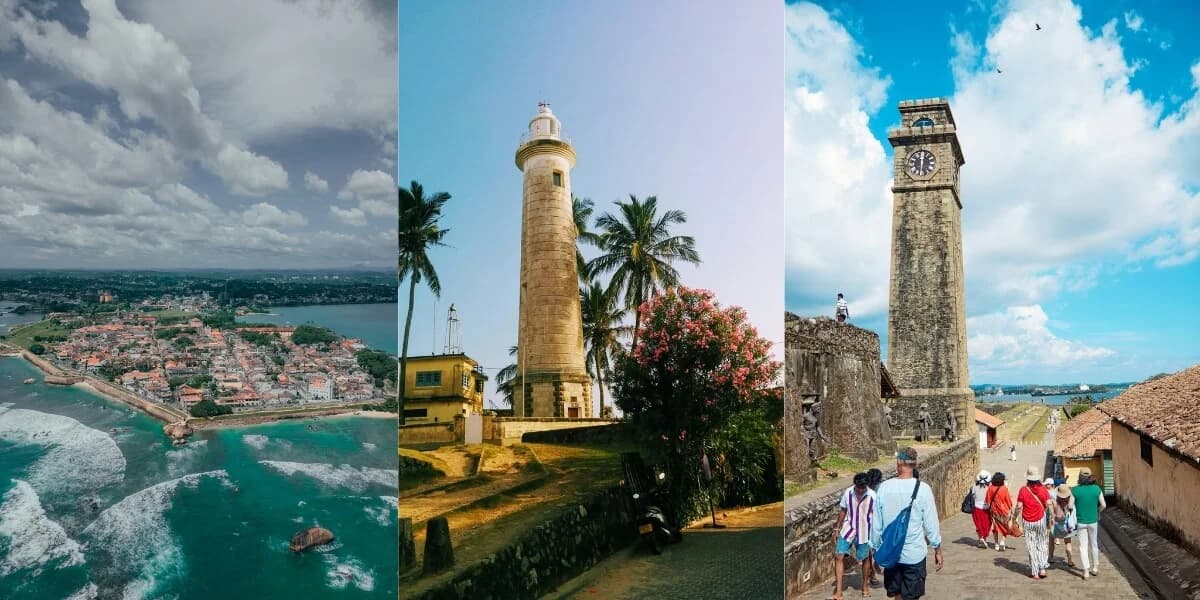
Clock Tower — The starting landmark. The tower dates from 1883 and sits at the junction where the ramparts begin.
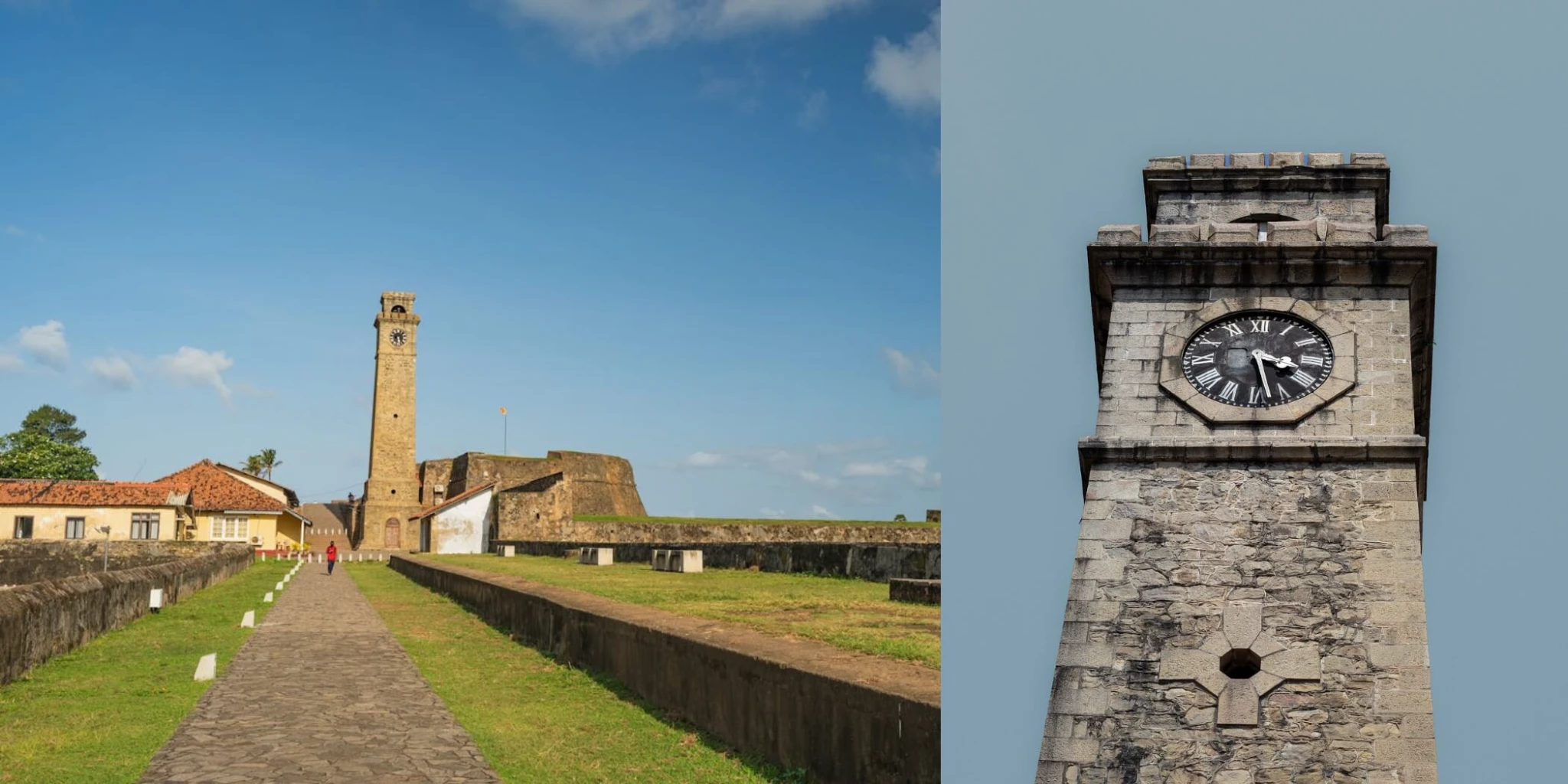
Star Bastion — The northern corner, overlooking the channel toward Hikkaduwa. On match days, you can watch cricket being played at the Galle International Stadium from here — one of the most dramatic cricket grounds in the world, wedged between the fort walls and the sea.
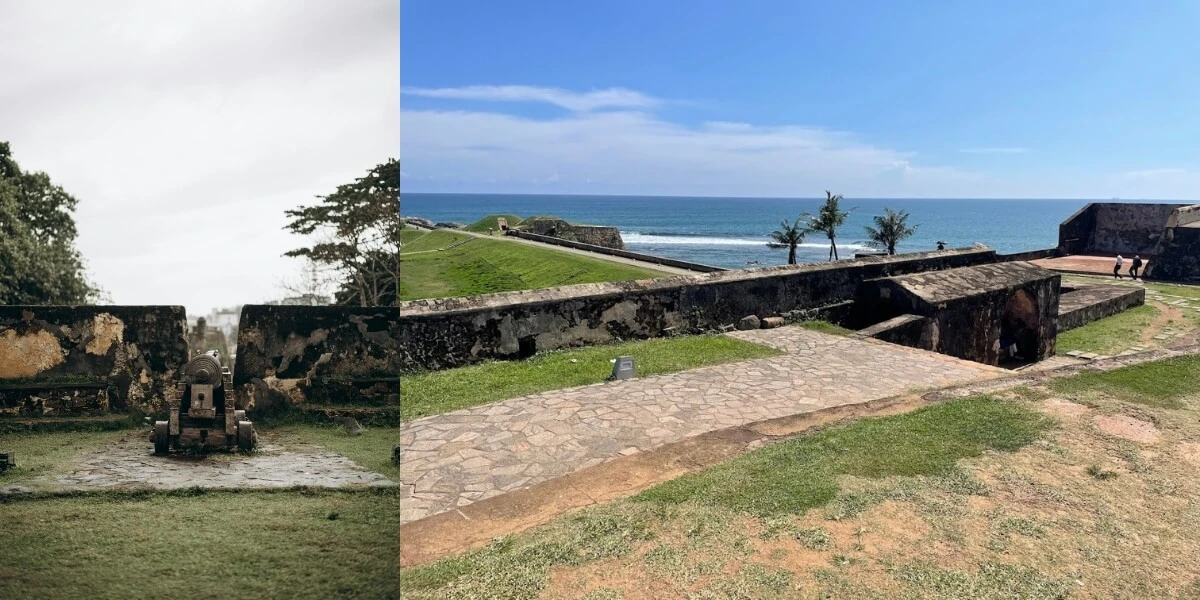
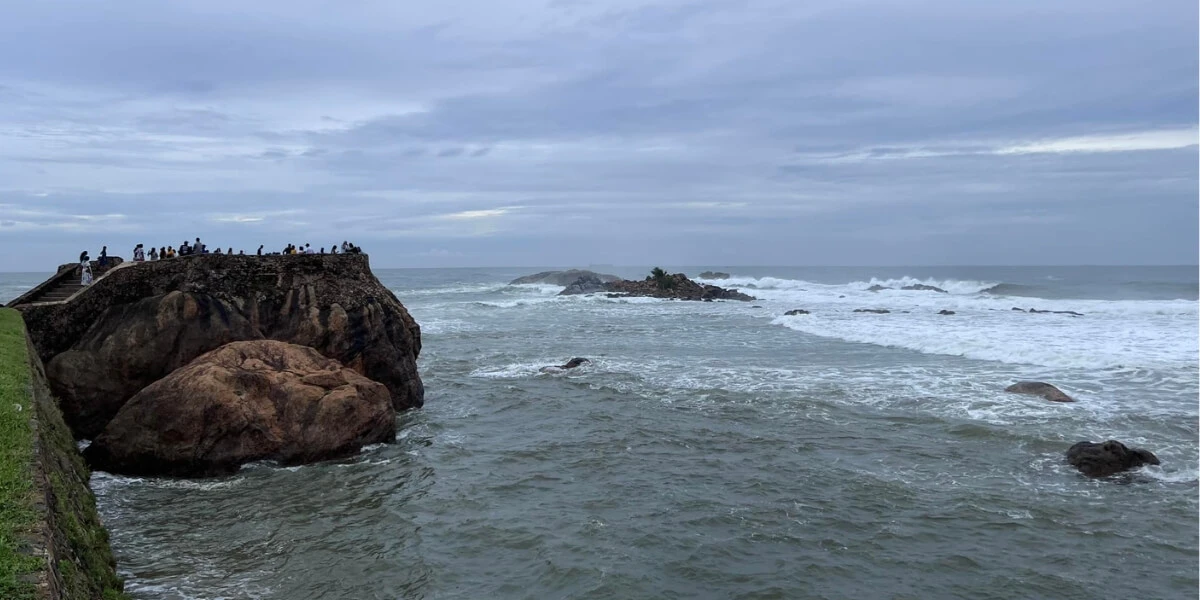
Flag Rock — The most popular sunset gathering point. Locals and tourists sit on the ramparts as the sun drops into the Indian Ocean. Arrive 30 minutes before sunset for a good spot. Vendors sell snacks and drinks.
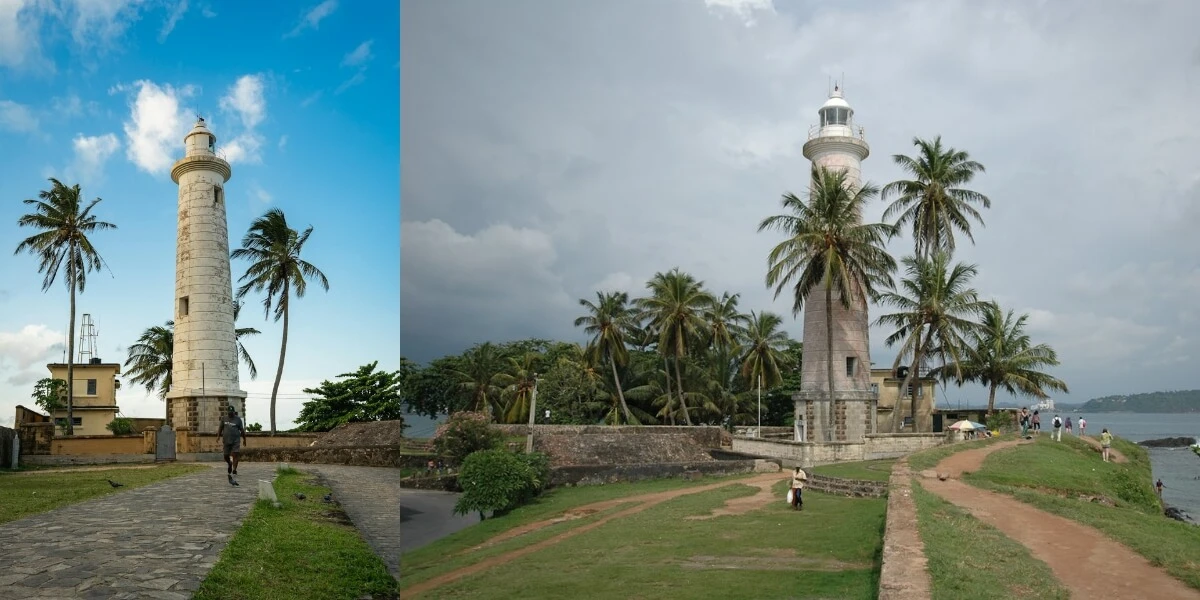
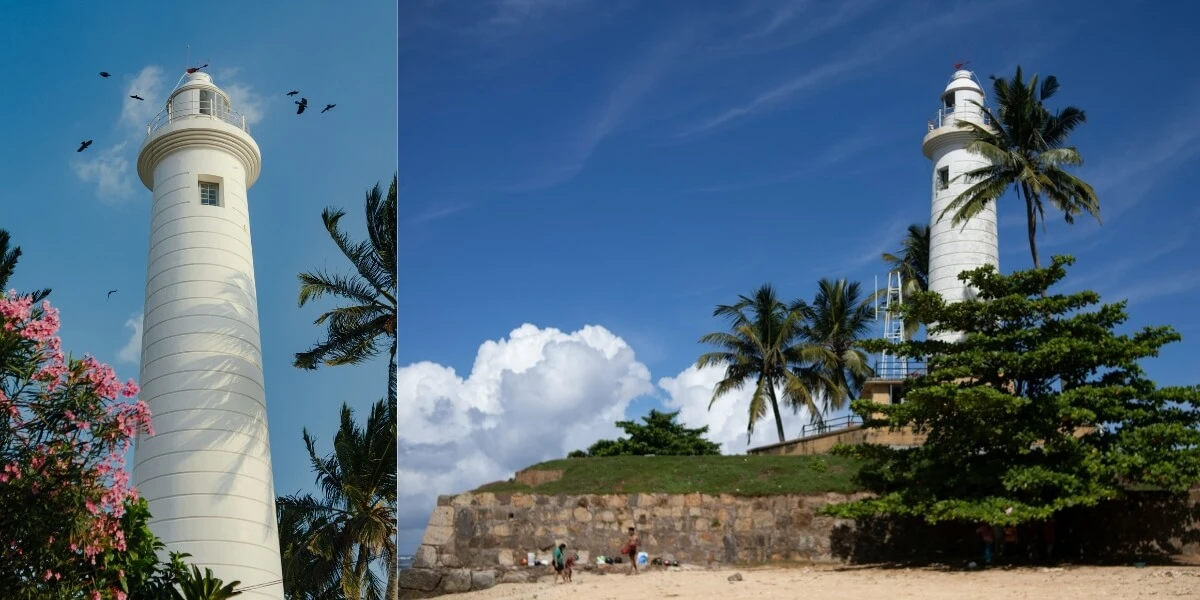
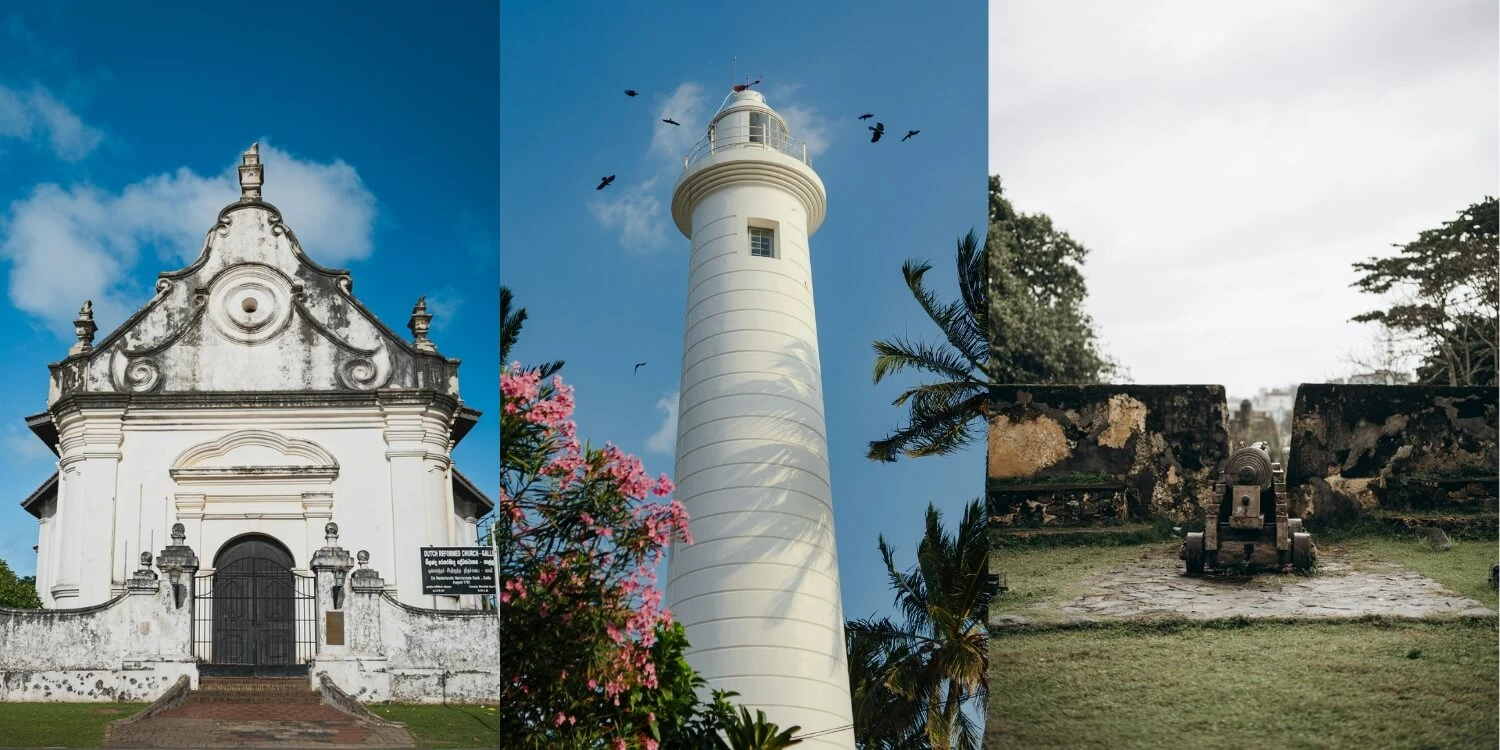
Galle Lighthouse — Sri Lanka's most photographed lighthouse, rebuilt in 1939 after the original 1848 structure burned down. The white tower sits at the fort's southeastern point. Below it, a small beach is popular for early-morning swimming.
Point Utrecht Bastion — The windmill bastion, marking the fort's southernmost point. Wind is often strongest here.
Best time: Early morning (6–8 AM) for golden light and empty ramparts, or late afternoon (4–6 PM) for sunset at Flag Rock. Midday is hot and exposed — the ramparts have no shade.
Get Lost in the Streets
Time: 1–3 hours. Cost: Free (unless you buy things, which you will).
The streets inside the fort are where Galle reveals its character. The grid is compact — 0.52 square kilometres — so getting genuinely lost is impossible, but getting pleasantly disoriented is the whole point.
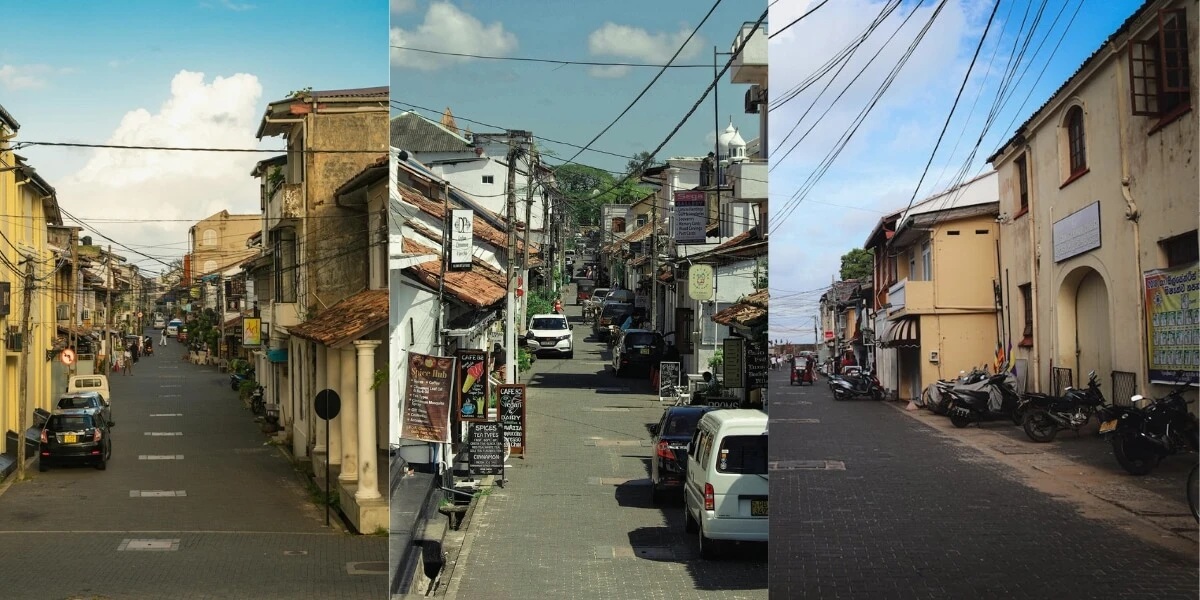
Pedlar Street — The main shopping street. Boutiques selling Sri Lankan linen, handmade jewellery, retro Ceylon prints, and local designer fashion fill colonial-era buildings. This is where your budget goes to die — but the quality is genuine and the souvenirs are a world apart from airport shops.
Notable shops: Stick No Bills (retro Ceylon prints), Exotic Roots (handmade crafts), Barefoot (handwoven textiles), and PR (emerging Sri Lankan designers).
Lighthouse Street — The central thoroughfare, lined with cafés, guesthouses, and the All Saints' Anglican Church. Despite the name, the lighthouse is at the far end of the fort, not on this street.
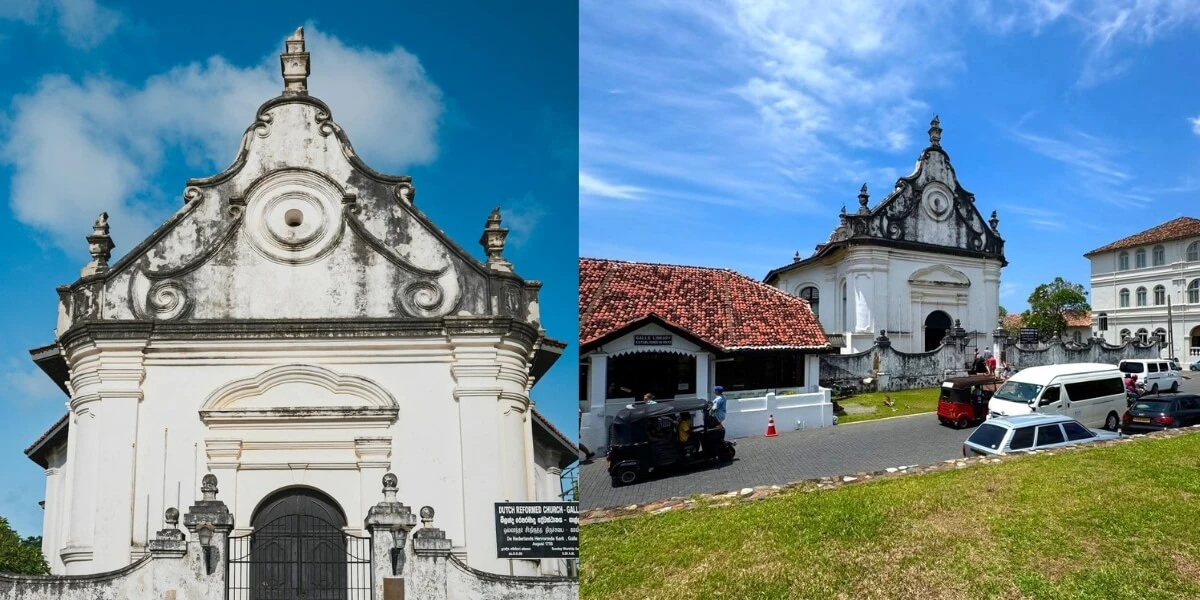
Church Street — Two churches on one street (the Dutch Reformed Church and a Catholic church), plus some of the fort's best-preserved residential architecture. The Dutch Reformed Church dates from 1755 and is worth stepping inside for the ornate interior and tombstone-engraved floor.
The quiet alleys — Turn off the main streets and the tourists thin immediately. Side alleys reveal crumbling façades with art-deco windows, families hanging laundry, and the everyday life of a community that has lived inside these walls for generations. This is where Galle feels most authentic.
The Landmarks
Galle Lighthouse — Free to approach and photograph from the ramparts. The classic Galle shot is the lighthouse framed against the ocean.
Dutch Reformed Church — Free entry. Built 1755. The floor is paved with tombstones of Dutch merchants, soldiers, and their families, inscribed in Old Dutch.
Meeran Jumma Mosque — Visible from the ramparts, notable for its whitewashed colonial European architecture adapted for Islamic worship. A striking example of Galle's multicultural layering.
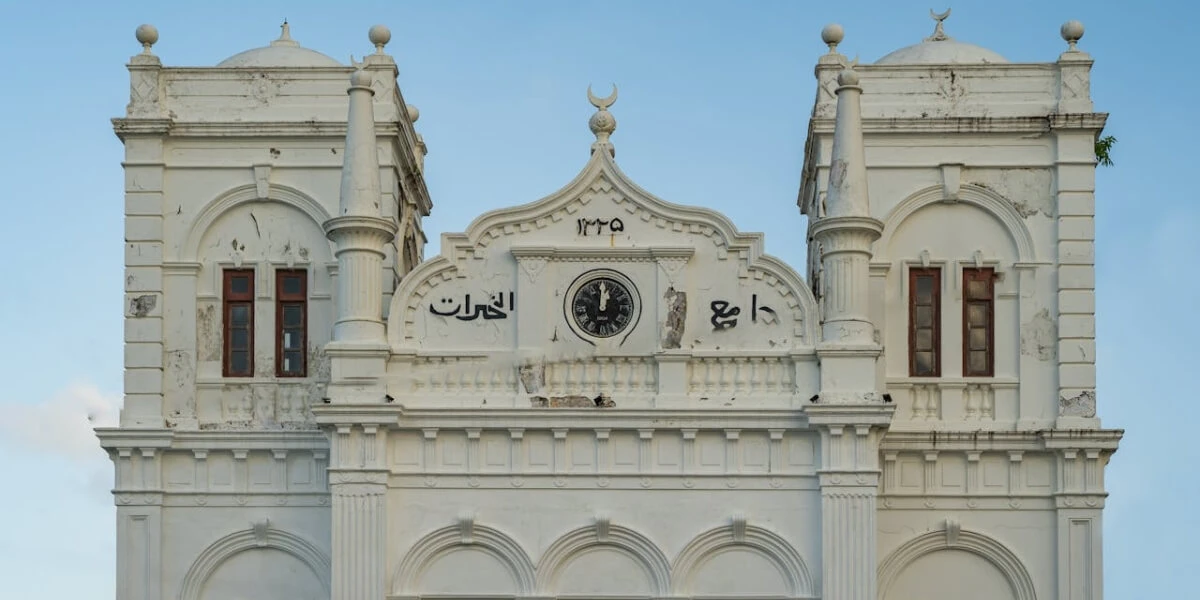
National Maritime Museum — Housed in a 1671 Dutch warehouse. Small collection covering Sri Lanka's maritime history. Entry ~$3. Worth 30 minutes if you're interested in maritime heritage.
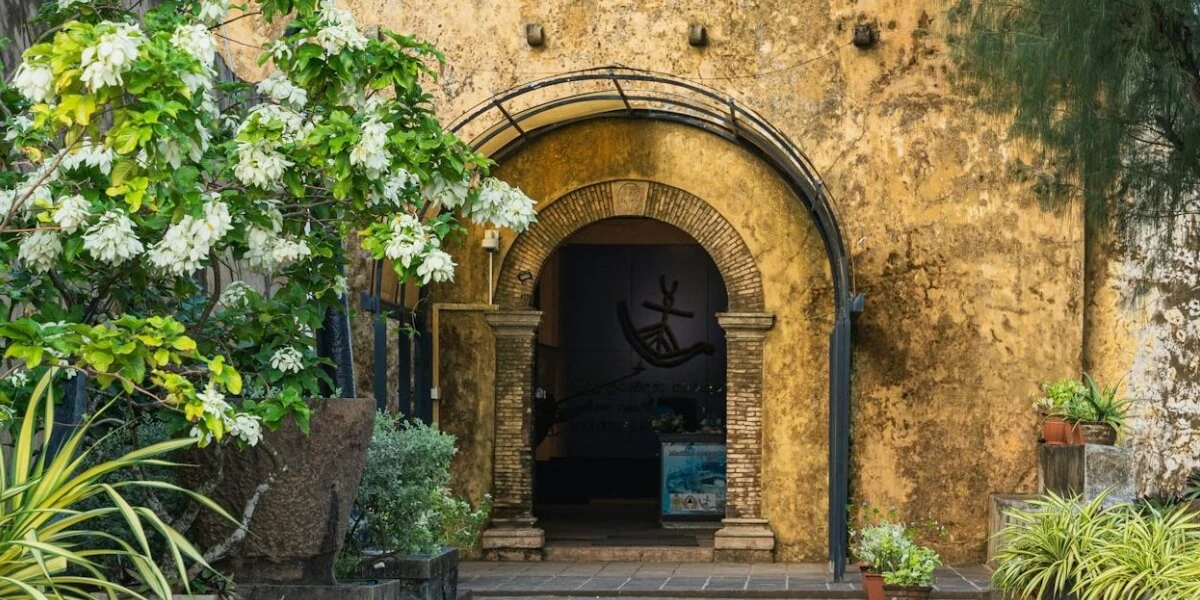
Historical Mansion Museum — A private collection of antiques, gems, and colonial artefacts inside a Dutch-era merchant's house. Free entry (the owner hopes you'll buy something from the attached shop). Quirky and interesting for 20 minutes.
Watch Cricket
Galle International Cricket Stadium sits just outside the fort walls, between the ramparts and the sea. It's one of the world's most dramatic sporting venues and has hosted over 100 international matches. If there's a match during your visit, the atmosphere — especially watching from the ramparts — is unforgettable.
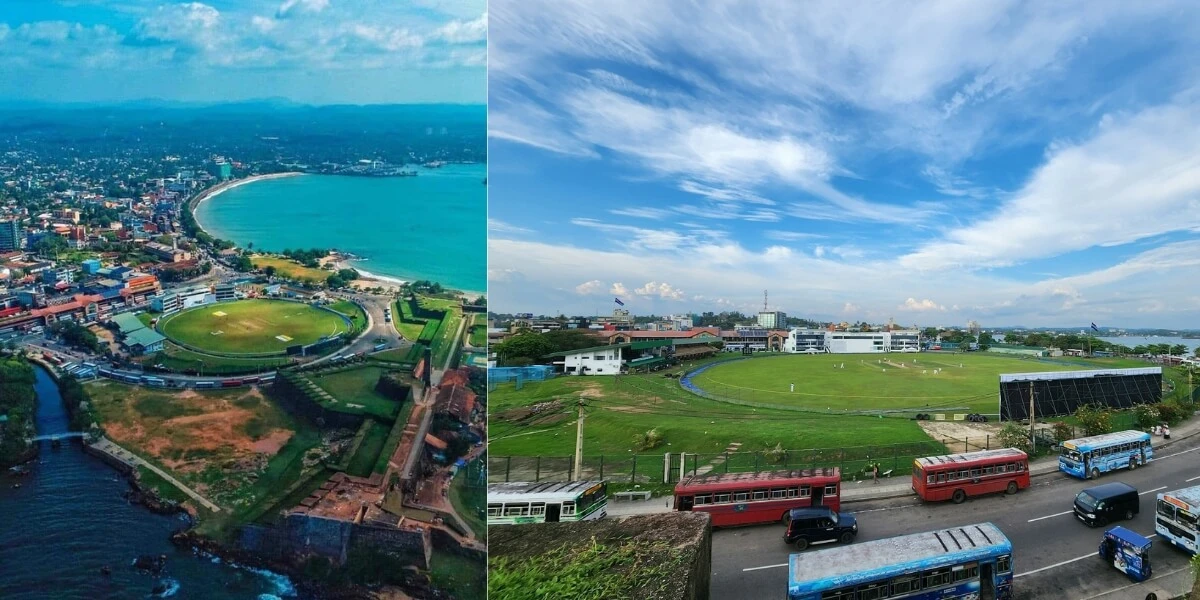
Even without a match, locals play informal cricket on the green outside the fort walls. Watching a few overs with a king coconut in hand is a quintessentially Galle experience.
Beyond the Fort: Day Trips and Nearby Beaches
Galle's location at the start of the south coast makes it an ideal base for beach days and short excursions.
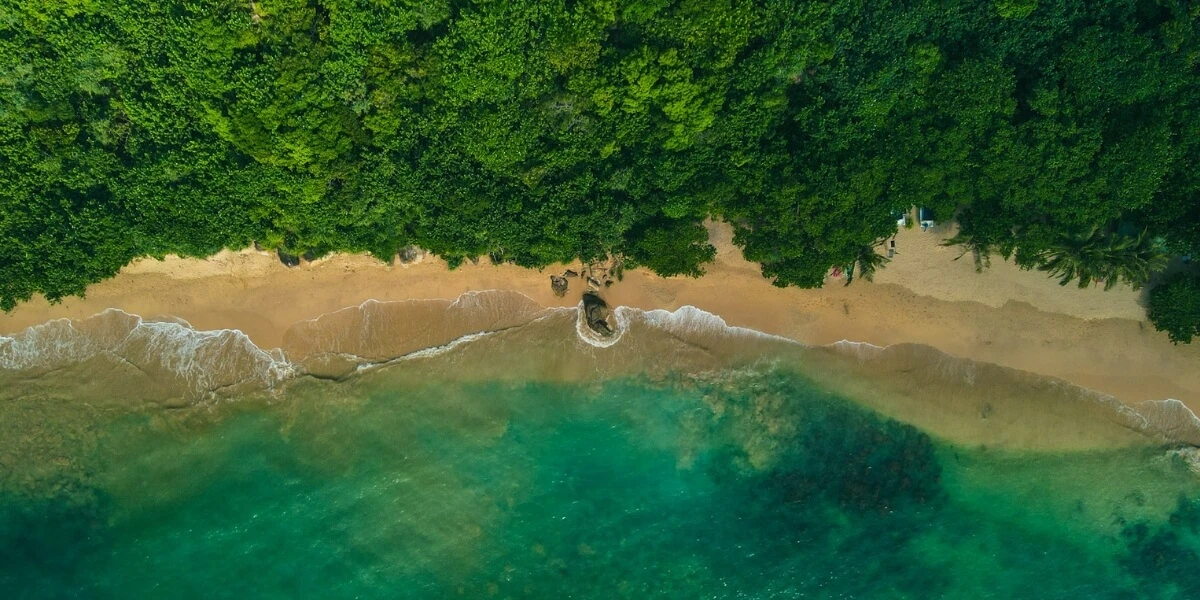
Unawatuna (6 km, 15 minutes)
The closest quality swimming beach. A reef-protected bay with calm, warm water, beachside cafés, and a developing digital-nomad scene. Good for a half-day or full day. Tuk-tuk from Galle Fort: $2–4.
Mirissa (35 km, 45 minutes)
The south coast's social hub — whale watching (December–April, $40–60), a crescent beach, sunset bars, and a lively backpacker atmosphere. Tuk-tuk or bus from Galle.
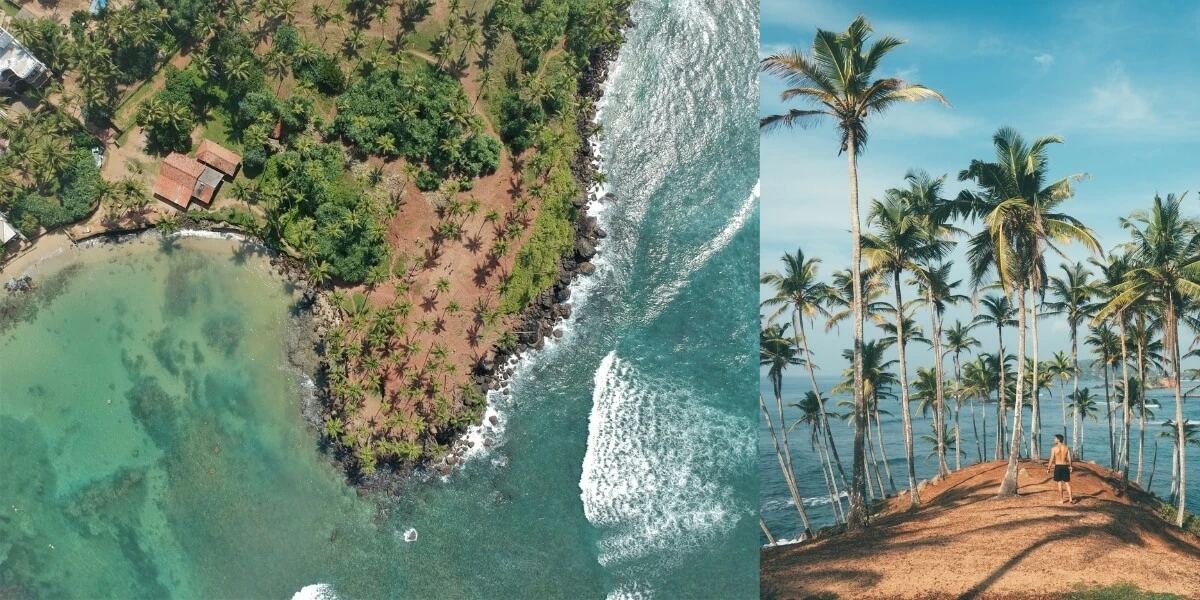
Hikkaduwa (20 km, 30 minutes)
Sri Lanka's oldest surf town. Coral sanctuary for snorkelling, sea turtles, and a long beach with surf breaks, restaurants, and nightlife. Train from Galle: 30 minutes, scenic coastal line.
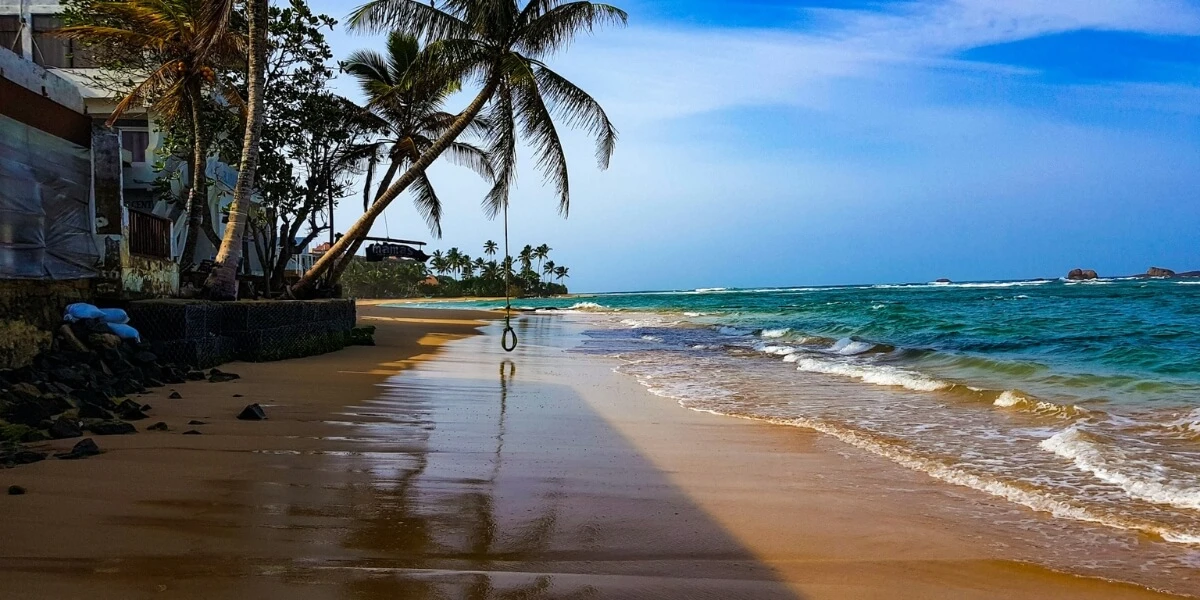
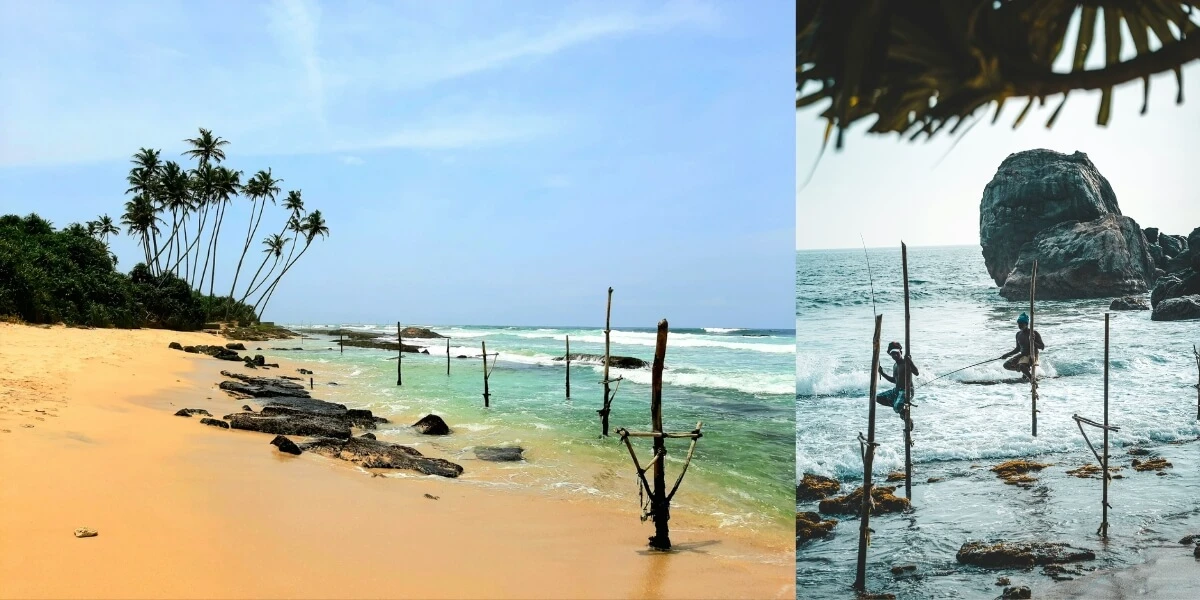
Koggala and Habaraduwa (12–15 km, 20 minutes)
Quieter beaches between Galle and Mirissa. Koggala is where you may see the famous (and sometimes staged) stilt fishermen. If you want the photograph, expect to negotiate a small fee.
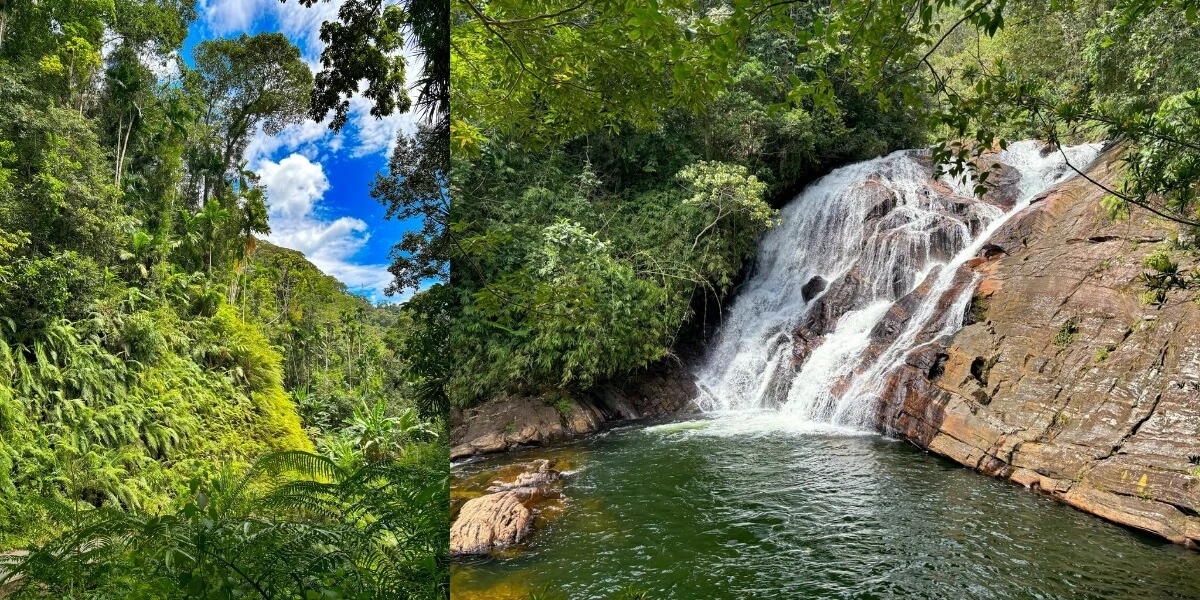
Sinharaja Forest Reserve (60 km, 2 hours)
A UNESCO-listed rainforest — the last viable area of Sri Lanka's tropical lowland rainforest. Guided walks ($15–30) reveal endemic birds, reptiles, and dense jungle. A full-day trip from Galle for nature enthusiasts.
Where to Eat
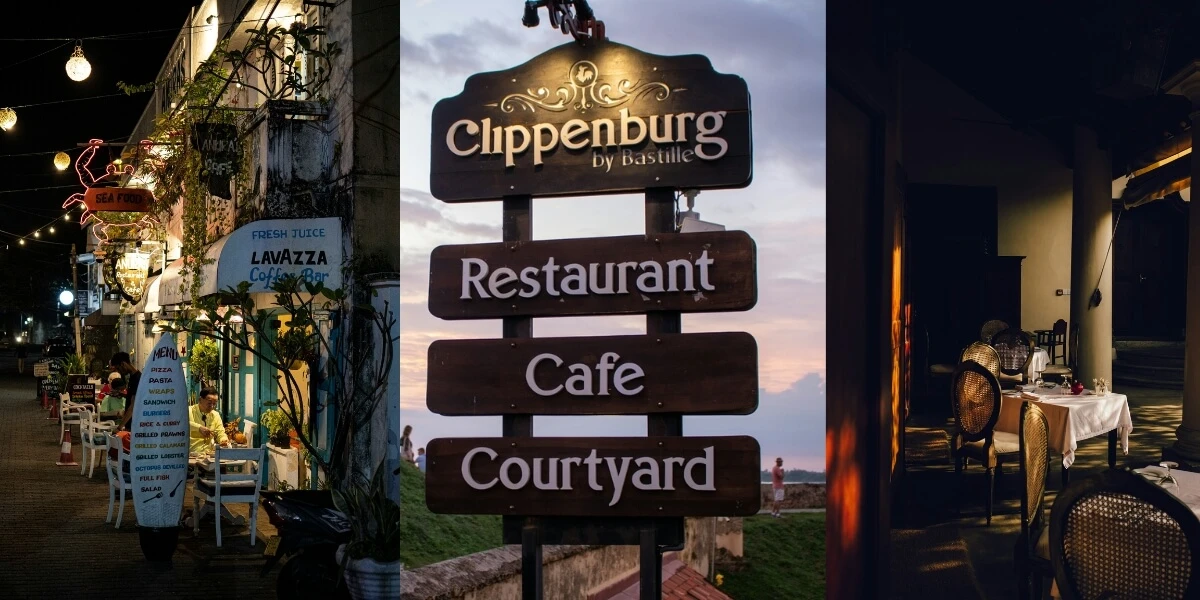
Inside the Fort
Galle Fort's food scene has matured significantly. You'll find everything from excellent Sri Lankan rice and curry to Italian restaurants and craft cocktail bars.
For Sri Lankan food: Mama's Galle Fort Roof Café offers affordable local breakfasts and rice-and-curry lunches (500–1,000 LKR). The rooftop view is a bonus. Outside the fort gates, Galu Bojuna and the roti stalls serve excellent street food for under $1.
For café culture: The Dutch Hospital Shopping Precinct (a beautifully restored colonial building) houses several restaurants and bars. Colombo Coffee Company serves Sri Lankan-grown Arabica. Fort Bazaar's restaurant is upmarket but atmospheric.
For sunset drinks: Several rooftop bars and fort-wall-adjacent cafés cater to the golden-hour crowd. Prices are higher than elsewhere in Sri Lanka — expect $5–10 for a cocktail — but the setting justifies it once.
General note: Food inside the fort costs 30–50% more than equivalent food outside the fort walls. For budget eating, walk through the Main Gate into the modern town, where local restaurants serve the same rice and curry for half the price.
Outside the Fort
The modern town of Galle has an excellent market and numerous local restaurants clustered around the bus and train station. This is where locals eat, and the food is authentic, generous, and cheap. A full rice-and-curry lunch: 300–600 LKR ($1–2).
Where to Stay
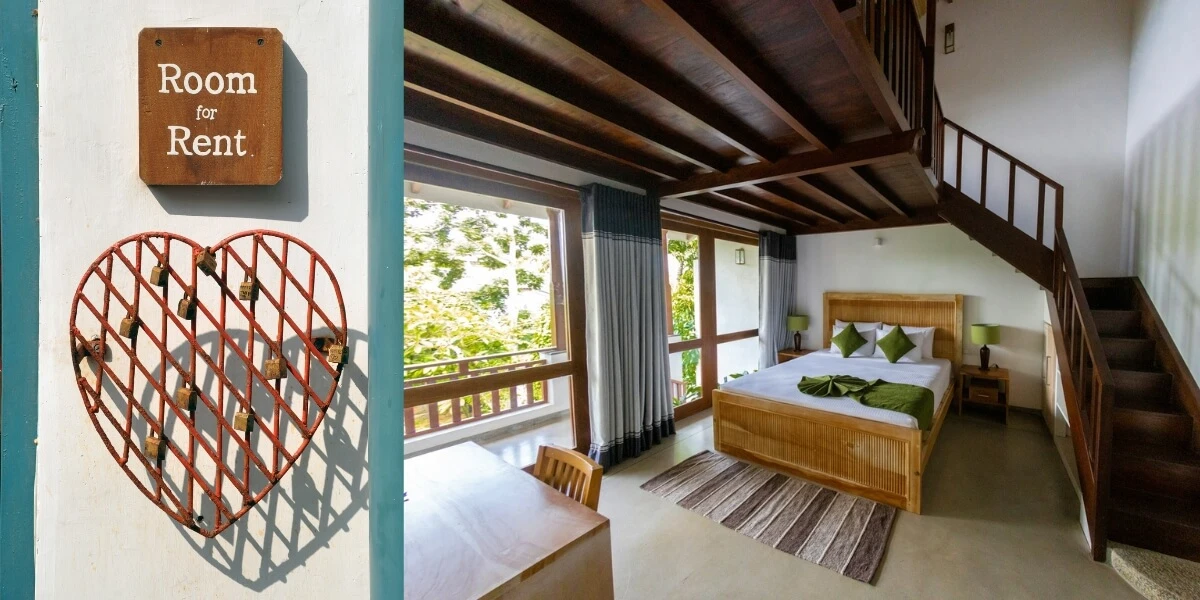
Inside the Fort (Atmosphere, Higher Prices)
Staying inside the fort walls is the most atmospheric option — you get the after-dark magic of lamplit colonial streets and morning rampart walks before the day-trippers arrive.
Budget ($20–40/night): A handful of guesthouses and small hotels operate inside the fort. They're basic but the location is unbeatable. Book early during peak season — options are limited.
Mid-range ($50–120/night): Boutique hotels in restored colonial buildings. Fort Bazaar and the Galle Fort Hotel are the most established. Expect beautiful courtyards, period furniture, and attentive service.
Luxury ($150–400+/night): Amangalla (the former New Oriental Hotel, dating to 1684) is the landmark luxury option. Colonial grandeur, impeccable service, and prices to match.
Outside the Fort (Value, Beach Access)
Staying in Unawatuna or along the coast south of Galle gives you beach access and lower prices, with Galle Fort an easy tuk-tuk ride away.
Budget ($10–25/night): Guesthouses and hostels in Unawatuna and along the main coast road.
Mid-range ($30–80/night): Beach-adjacent hotels with pools and better amenities than the compact fort properties.
Practical Information
Getting to Galle:
From Colombo: Train (2.5–3 hours, scenic coastal line, $1–3), bus via Southern Expressway (2 hours, air-conditioned, $3–5), or private car (2 hours via expressway, $40–60).
From Ella: Private car (5–6 hours via south coast) or bus. No direct train.
From Mirissa/Weligama: Train (30–45 minutes along the coast) or tuk-tuk ($10–15).
From the airport: Direct car via Southern Expressway (2.5–3 hours, $50–70). Or train to Colombo Fort, then Colombo to Galle (adds time but costs under $5 total).
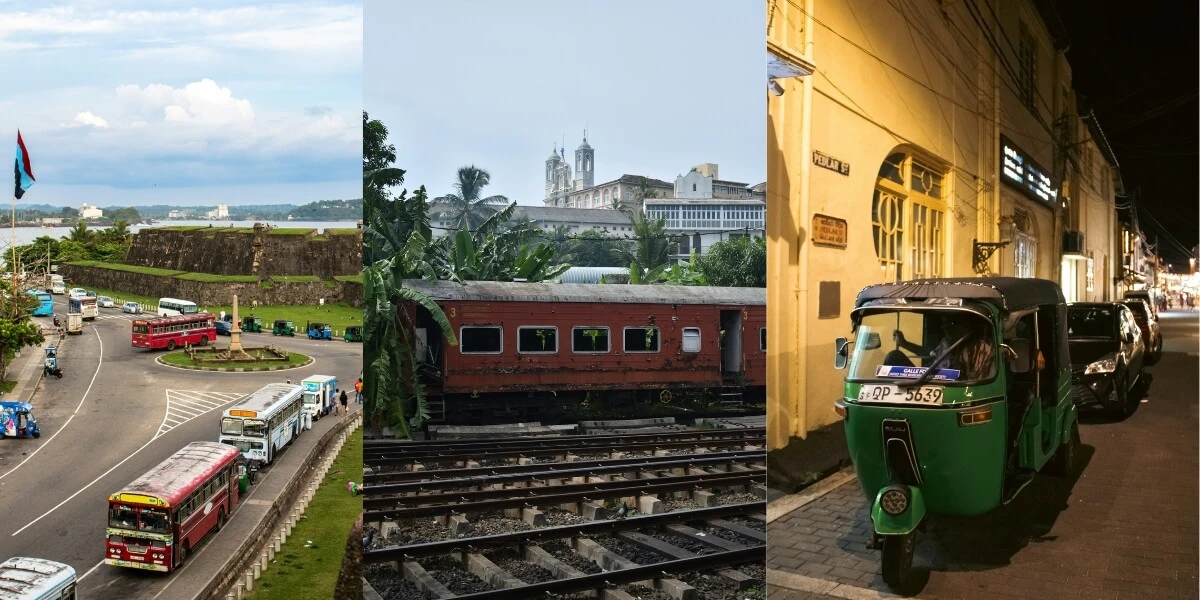
Getting around Galle Fort: Walk. The fort is 0.52 square kilometres — everything is within a 10-minute stroll. No tuk-tuks are needed inside the walls.
How long to stay: One full day covers the fort comprehensively. Two days allows a beach day at Unawatuna or Mirissa. Three days lets you explore at the unhurried pace that Galle rewards.
Entry fee: Free. There is no entrance ticket for Galle Fort. You simply walk in through the Main Gate or any of the rampart access points. Individual museums inside the fort have small fees ($2–5).
Best months: November to April (dry season on the south coast). Galle is at its best in the golden afternoon light of the dry season — warm, sunny, with reliable sunsets.
The 2004 Tsunami: The fort walls protected the interior from the worst of the Boxing Day tsunami, which devastated surrounding coastal areas. The modern town outside the walls was severely affected. The fort's survival is a testament to the engineering of its Dutch builders — and one of the reasons UNESCO listed it.
The One-Day Galle Itinerary
7:00 AM: Walk the ramparts in morning light. Start at the Main Gate, go clockwise. Near-empty at this hour.
8:30 AM: Breakfast inside the fort. Sri Lankan breakfast (hoppers, roti) at a local spot, or coffee and Western breakfast at one of the cafés.
9:30 AM: Explore the streets. Pedlar Street for shopping. Church Street for architecture. Side alleys for atmosphere. Pop into the Dutch Reformed Church.
12:00 PM: Lunch. Sri Lankan rice and curry inside the fort, or walk outside the Main Gate for cheaper local food.
1:00 PM: Tuk-tuk to Unawatuna (15 minutes). Swim, snorkel, or simply lie on the beach.
4:30 PM: Return to Galle Fort. Walk to Flag Rock for sunset.
6:00 PM: Sunset from the ramparts. This is the moment — the sky turns orange, the ocean glows, locals and travellers sit together on the ancient walls, and Galle becomes exactly the place the photographs promised.
7:00 PM: Dinner inside the fort. Wander until you find the right table.
The Bottom Line
Galle Fort succeeds because it resists the impulse to be a museum. Nobody has cleared out the residents and installed ticket barriers and information boards. The mosque still calls people to prayer. Children still play cricket against the ramparts. Families still hang laundry from colonial-era balconies.
What the Portuguese, Dutch, and British built here over four centuries has become something none of them intended: a small, walkable, living town where history isn't preserved behind glass but occupied, used, and gently adapted by the people who inherited it.
You don't need a guide. You don't need a plan. You just need to walk through the Main Gate, turn down whichever street looks interesting, and let the fort show you what 400 years of accumulated life looks like when nobody cleaned it up for tourists.
It looks, as it happens, like one of the most charming places in Asia.
This article is part of our comprehensive Sri Lanka travel series. For beach options near Galle, see our best beaches in Sri Lanka guide. For route planning, see our Sri Lanka 10/14-day itinerary. For the south coast's food scene, see our Sri Lankan food guide.
Key Takeaways for Quick Reference:
Entry to Galle Fort: Free. No ticket needed. Walk in through the Main Gate.
Rampart walk: 2 km circuit, 45 min–1.5 hrs. Best at sunrise or late afternoon. Free.
Best sunset spot: Flag Rock. Arrive 30 minutes early.
Shopping: Pedlar Street for boutiques, linen, crafts, and Sri Lankan design.
Nearby beaches: Unawatuna (15 min, swimming), Mirissa (45 min, whales), Hikkaduwa (30 min, surf)
Getting here: Train from Colombo (2.5–3 hrs, $1–3). Car via Southern Expressway (2 hrs).
How long: 1 day minimum. 2 days ideal (fort + beach day).
Stay inside the fort for atmosphere ($20–400/night range). Stay outside for value and beach access.
Food inside the fort: 30–50% more expensive. Walk through the Main Gate for local prices.
Best months: November to April (dry, sunny, reliable sunsets).
Cricket: Galle International Stadium is just outside the walls. Watch from the ramparts if there's a match.
UNESCO status: Listed since 1988. Best-preserved European fortification in South and Southeast Asia.
Places Mentioned(10)
Galle Fort Clock Tower
Galle Fort Clock Tower, Galle 80000, Sri Lanka
Star Bastion
26H7+XFV, Galle 80000, Sri Lanka
Flag Rock Bastion
26F8+FXH, Galle 80000, Sri Lanka
Galle Lighthouse
Villa Aurora, Galle Fort, 32 Hospital St, Galle 80000, Sri Lanka
Meeran Jumma Mosque
Mosque, Lane, Galle 80000, Sri Lanka
Maritime Archaeology Museum
26H9+644, Queens St, Galle 80000, Sri Lanka
Sinharaja Forest Reserve
Sri Lanka
Pedlar Street
Pedlar St, Galle 80000, Sri Lanka
Jungle Beach, Unawatuna.
269Q+FQV, Unawatuna, Sri Lanka
Hikkaduwa Beach
Hikkaduwa Beach, Sri Lanka
Tap a place card to see more details • Swipe to see all 10 places