The Case Against Colombo (Which You've Already Heard)
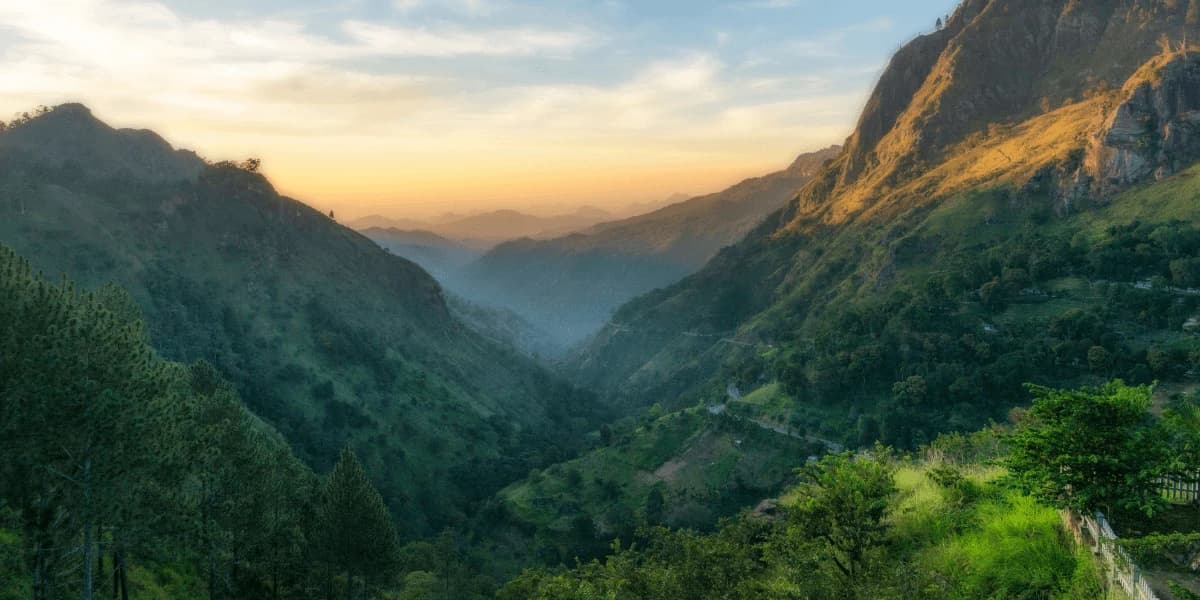
Let's acknowledge the obvious. Colombo is not why people fly to Sri Lanka. There are no ancient ruins. The traffic is appalling. The city lacks a single landmark that rivals Sigiriya, Galle Fort, or the Kandy-to-Ella train. If you only have 10 days and the south coast, hill country, and Cultural Triangle are all competing for your time, spending a full day in the capital feels like a waste.
Every travel blog you've read confirms this. "Skip Colombo." "Head straight to the south coast." "There's nothing here you can't see better elsewhere."
They're not entirely wrong. But they're wrong enough that it matters.
The Case for Colombo (Which Nobody Makes)
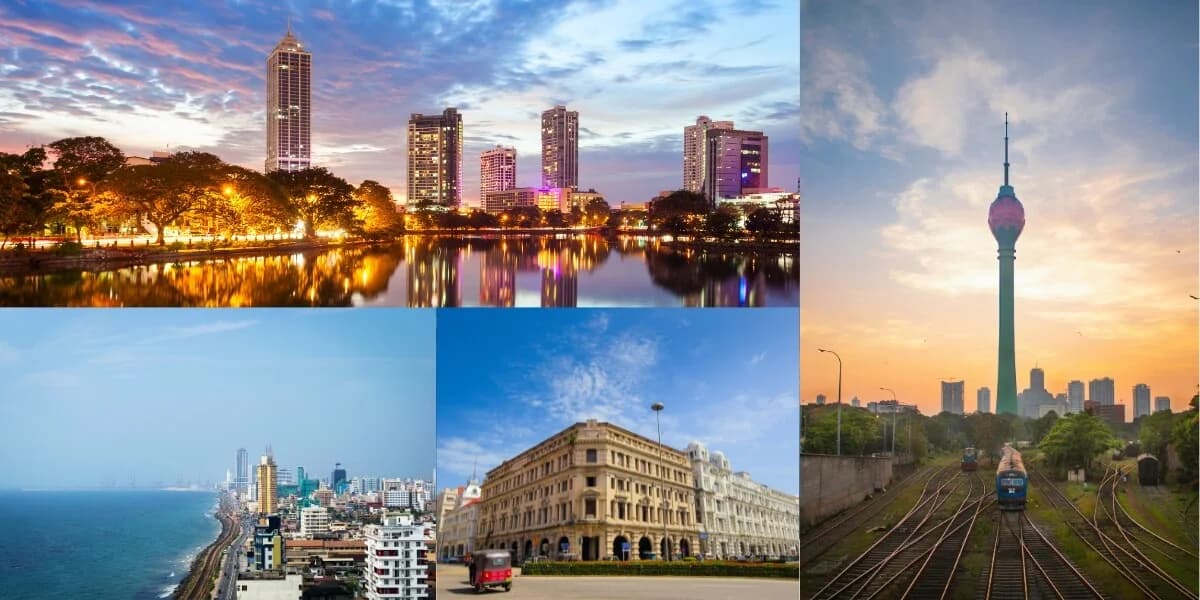
Colombo is the only place in Sri Lanka where you see the country operating as a modern, multi-ethnic, forward-looking city rather than as a backdrop for your holiday. Buddhist temples, Hindu kovils, mosques, and churches stand within walking distance of each other — not as tourist attractions but as active places of worship for communities that have coexisted here for centuries. A 2,000-year-old natural harbour sits next to glass-tower developments. Colonial architecture crumbles next to street markets that haven't changed in decades.
The food is the best and most varied in the country. The shopping is the best in the country. The cultural layering — Portuguese, Dutch, British, Sinhalese, Tamil, Moor, Malay — is visible on every other street corner in a way that no other Sri Lankan city matches.
Colombo doesn't perform for tourists. That's both its problem and its charm. The city requires you to look, and it rewards you when you do.
The recommendation: One full day is enough. Two days if you love cities and food. Build it in at the start or (better) the end of your trip, when you've seen enough of Sri Lanka to appreciate what Colombo adds.
What to Do: A Walking Guide Through the City
Colombo's attractions are scattered across several neighbourhoods, but the best of them can be connected in a single full day with short tuk-tuk hops between clusters.
Morning: Pettah and the Fort District
Pettah Market — Colombo's commercial heart and the most intense sensory experience in the city. Pettah is a maze of narrow streets crammed with stalls, vendors, shoppers, and traffic. Spices, textiles, electronics, vegetables, dried fish — everything Sri Lanka produces or imports seems to pass through Pettah at some point.

The market isn't curated or comfortable. It's loud, crowded, and occasionally overwhelming. It's also completely authentic — this is where Colombo's working population shops, not where tourists are led. Walk 2nd Cross Street for the full experience. Haggling is expected but gentle.

Jami Ul-Alfar Mosque (The Red Mosque) — Impossible to miss. The mosque's red-and-white-striped façade rises above the Pettah streets like something from a storybook. Built in 1909, it was once a landmark for sailors approaching the harbour. The exterior is the main attraction — visitors may be able to enter outside prayer times (dress modestly, remove shoes), but the photogenic façade is what most people come for.

The Fort District — Colombo's old colonial centre. "Fort" refers to the Portuguese fortification that once stood here; the walls are gone but the name and the grid of colonial buildings remain. The Old Lighthouse Clock Tower (1857), the General Post Office, the Old Dutch Hospital (now a shopping and dining precinct), and Cargills department store (occupying an elegant Edwardian building) are all within a short walk.

The Dutch Hospital Shopping Precinct is worth a stop — a beautifully restored 17th-century building now housing restaurants and shops. It's one of the oldest Dutch-era structures in the country and a pleasant place for a cold drink after the heat of Pettah.
Late Morning: Gangaramaya Temple and Beira Lake
Gangaramaya Temple — The most important Buddhist temple in Colombo and one of the city's best attractions. Established in 1885, the temple complex is a sprawling collection of shrines, prayer halls, a museum, a Bodhi tree, and an extraordinary accumulation of religious artefacts, donated objects, and curiosities.

The museum wing is wonderfully eclectic — a chaotic mix of ancient Buddha statues, elephant tusks, vintage cars, porcelain, and thousands of donated objects from around the world. It's more cabinet of curiosities than curated exhibit, and it's fascinating.

Seema Malaka — The highlight for most visitors. This meditation pavilion sits on platforms over Beira Lake, connected to the shore by a walkway. Designed by the celebrated Sri Lankan architect Geoffrey Bawa, its clean modern lines against the water and city skyline make it one of Colombo's most photogenic spots. Late afternoon light is best, but mornings are less crowded.
Cover your shoulders and knees. Remove shoes inside the temple buildings.
Afternoon: Cinnamon Gardens and Independence Square
Colombo National Museum — Sri Lanka's largest and oldest museum, housed in a handsome 19th-century Italianate building in the Cinnamon Gardens district. The collection spans art and artefacts from the 4th century BCE to the colonial era, including the ornate throne and crown of the Kandyan kings. Worth 1–2 hours for anyone interested in Sri Lankan history and culture.

Independence Square — A public plaza centred on the Independence Memorial Hall, built in 1948 to commemorate Sri Lanka's independence from Britain. The neoclassical hall is modelled on the Royal Audience Hall in Kandy. The surrounding gardens are popular with joggers, families, and couples in the evenings.

Viharamahadevi Park — Colombo's largest urban park, opposite the National Museum. Named after a queen from the 2nd century BCE. Good for shade and quiet after a morning of city walking.

Late Afternoon to Evening: Galle Face Green
Galle Face Green — This is Colombo's best experience, and it happens every evening.

Galle Face Green is a long, narrow urban park running 500 metres along the Indian Ocean shoreline. Originally used for horse racing and cricket during the colonial era, it's now the city's communal living room — where Colombo comes to breathe after work.
Starting around 4 PM, the green fills with families, couples, kite-flyers, cricket players, and food vendors. Dozens of portable stalls set up along the promenade, selling isso wade (deep-fried prawn fritters), kottu roti, roasted corn, sliced mango with chilli, fresh sugarcane juice, and rolled ice cream.
As the sun drops toward the Indian Ocean, Galle Face becomes something genuinely special — a scene of ordinary Sri Lankan life unfolding against one of the best sunsets you'll see on the island. The food is cheap, the atmosphere is warm, and nobody is trying to sell you an excursion.
This is the single best argument for spending an evening in Colombo. If you do nothing else in the city, eat isso wade at sunset on Galle Face Green.
The historic Galle Face Hotel (1864), one of the oldest hotels east of Suez, anchors the southern end of the green. Even if you're not staying, the terrace bar is worth a sunset drink for the colonial grandeur.
The Lotus Tower
Entry: ~3,000–4,000 LKR ($10–13).
South Asia's tallest self-supported structure, shaped like a lotus bud and visible from across the city. The observation deck offers 360-degree views of Colombo — the harbour, Beira Lake, the city grid, and the Indian Ocean. Sunset timing makes the views spectacular.

Whether the tower itself is architecturally beautiful is a matter of debate. But the panoramic view is the best way to understand Colombo's layout before exploring it.
Where to Eat
This is where Colombo genuinely excels. The city's food scene is the best in Sri Lanka — more diverse, more ambitious, and more developed than anywhere else on the island.
Street Food (The Essentials)
Galle Face Green vendors — Isso wade (prawn fritters, 100–200 LKR), kottu roti, roasted corn, mango with chilli. This is the essential Colombo food experience.

Pettah Market stalls — Rice and curry, short eats (savoury snacks), dhal wade (fried lentil patties), and fresh fruit juice at local-economy prices.
Bakeries — Sri Lanka's bakery culture is enormous in Colombo. Fish buns, curry rolls, and sweet treats from local bakeries cost 50–150 LKR and make excellent walking snacks.
Restaurants (The Highlights)
Ministry of Crab — The most famous restaurant in Sri Lanka, housed in the old Dutch Hospital, specialising in Sri Lankan lagoon crab prepared in multiple styles. Reservations are essential. Mains $15–40. Worth it for the signature crab and the colonial setting.

Barefoot Café — Attached to the Barefoot Gallery in Colombo 3, this courtyard café serves Sri Lankan and international food in a leafy, artistic setting. Good coffee, reasonable prices, and the adjacent shop sells handwoven Sri Lankan textiles.

For authentic Sri Lankan meals: Curry Pot and Upali's are popular for excellent rice-and-curry spreads at moderate prices. The key advantage over tourist-area restaurants elsewhere in Sri Lanka: Colombo restaurants cater to discerning locals, so quality is consistently high.

For South Indian food: The Colombo area around Pettah has excellent dosa and vegetarian Tamil restaurants. Affordable and authentic.
Budget: A full local meal (rice and curry, short eats) costs $2–4 at local restaurants. A meal at a mid-range restaurant: $8–15. Ministry of Crab: $20–50 per person.
Where to Stay
Most travellers passing through Colombo need only one night. Location depends on your priorities.
Fort / Colombo 1 (Transport Connections)
Close to the main train station (Colombo Fort) and the Pettah markets. Convenient if you're catching an early train to Kandy or Galle. The area is more commercial than charming.
Colombo 3 / Kollupitiya (Best All-Around)
Walking distance to Galle Face Green, good restaurant selection, and well-connected by tuk-tuk to everywhere else. The One Galle Face Mall anchors the area with modern shopping and dining.

Budget ($20–35/night): Hostels and budget guesthouses.
Mid-range ($40–80/night): Comfortable hotels with reliable amenities.
Luxury ($100–300+/night): The Galle Face Hotel (1864, colonial grandeur, oceanfront), Shangri-La Colombo, Cinnamon Grand.
Colombo 7 / Cinnamon Gardens (Quiet and Leafy)
The upmarket residential district. Near the National Museum, Independence Square, and some of the city's best restaurants. Quieter and greener than the central areas. Good for travellers who prefer a calmer base.
Practical Information
Getting from the airport: Bandaranaike International Airport is in Negombo, about 30–40 kilometres north of Colombo. Taxi/private car to Colombo: 1–1.5 hours depending on traffic ($15–25 by metered taxi or PickMe, $25–40 by pre-arranged hotel transfer). The airport expressway has dramatically reduced travel times. Airport-to-Colombo bus available but slower.
Getting around Colombo: Tuk-tuks are the standard transport. Use PickMe to avoid fare negotiations — it's the equivalent of Uber and works well in Colombo. Most trips within the city: 200–600 LKR ($0.70–2). Walking is pleasant in specific areas (Galle Face, Fort, Cinnamon Gardens) but impractical for covering the whole city due to distances and traffic.
Getting to Galle: Train from Colombo Fort station (2.5–3 hours, scenic coastal line, $1–3). Bus via Southern Expressway (2 hours, $3–5). Private car (2 hours via expressway).
Getting to Kandy: Train (2.5–3 hours, $2–5). Private car (3 hours).
How long: One full day is ideal — morning in Pettah/Fort, afternoon temples and museums, sunset at Galle Face Green. Two days if you want to explore the food scene or shop seriously. Half a day works if you're determined to move on but want more than an airport transfer.
Best time to visit: Colombo's climate is hot and humid year-round (28–32°C). The driest months are January to March. Rain is common October to November but typically arrives as afternoon showers rather than all-day downpours.
Safety: Colombo is generally safe for tourists. Standard city precautions apply — be aware of your belongings in crowded areas like Pettah, use PickMe at night rather than hailing random tuk-tuks. The Fort and tourist areas feel secure at all hours.
The One-Day Colombo Itinerary
8:00 AM: Pettah Market. Walk the main streets. See the Red Mosque. Buy spices.
9:30 AM: Walk through the Fort District. Old Dutch Hospital for a cold drink.
10:30 AM: Tuk-tuk to Gangaramaya Temple. Explore the temple, museum, and Seema Malaka on Beira Lake.
12:30 PM: Lunch. Barefoot Café for atmosphere, or a local restaurant for rice and curry.
2:00 PM: Colombo National Museum (1–2 hours) if you're interested in history. Alternatively, explore Cinnamon Gardens on foot — Independence Square, Viharamahadevi Park.
4:00 PM: Tuk-tuk to Galle Face Green. Buy isso wade from a vendor. Find a spot on the grass.
5:30–6:30 PM: Sunset. Watch the city exhale. This is the moment that makes Colombo worthwhile.
7:30 PM: Dinner. Ministry of Crab if you've booked ahead. A rooftop restaurant if you haven't. Or more street food from the Galle Face vendors — nobody's judging.
When to Visit Colombo (Within Your Trip)
At the start: Colombo works as a soft landing — acclimatise to the heat, adjust to the time zone, stock up on SIM cards and cash, and get your first taste of Sri Lankan food before heading into the countryside.
At the end (recommended): After two weeks in Sri Lanka, Colombo hits differently. You've eaten rice and curry at roadside places and in hill-country guesthouses; now you can appreciate what the city's restaurants do with the same ingredients at a higher level. You've seen ancient Buddhist sites in the Cultural Triangle; now the living, eclectic Gangaramaya Temple makes more sense in context. You've adjusted to Sri Lankan pace; now the city's energy feels exciting rather than overwhelming. And the shopping — fabrics, spices, tea, handcrafts — is best done at the end of a trip when you know what you actually want to bring home.
Both: If your itinerary allows, one night at the start (airport transfer, SIM card, first dinner) and one night at the end (shopping, Ministry of Crab, final Galle Face sunset) is the ideal framework.
Shopping: The Reason to Save Colombo for Last
If you're going to buy souvenirs, tea, spices, or clothing in Sri Lanka, Colombo is where you'll find the best selection, the most reliable quality, and often the fairest prices.
Tea: Ceylon tea is best purchased at dedicated tea shops in Colombo rather than at tourist-area tea factories. Dilmah, Mlesna, and specialty shops in Colombo 3 and 7 offer the full range of grades and types. Prices are fixed and fair.
Spices: Pettah Market for bulk spices at local prices. Cinnamon (Sri Lanka produces the world's best), cardamom, cloves, vanilla, and curry powder in quantities that make tourist-area spice gardens look expensive.
Textiles and clothing: Barefoot (Colombo 3) for handwoven sarongs, fabrics, and gifts. Odel and House of Fashion for Sri Lankan designer clothing. The quality of Sri Lankan-made linen and cotton is excellent.
Handicrafts: Laksala (government craft shop) and various galleries in Colombo 7 for wood carvings, masks, and traditional crafts.
The Bottom Line
Colombo isn't a destination in the way that Galle, Ella, or Sigiriya are destinations. It doesn't have a single attraction that would justify a detour. If someone told you they'd been to Sri Lanka and spent three days in Colombo instead of seeing the hill country, you'd question their priorities.
But as a bookend to a Sri Lanka trip — one day at the start, one day at the end, or even just a long evening on Galle Face Green — Colombo adds something no other part of the island does. It adds the present tense.
After two weeks of ancient cities, colonial forts, and pristine natural landscapes, a day in Colombo reminds you that Sri Lanka is also a modern, complicated, energetic country of 22 million people who are building something, not just maintaining what was built before them.
The isso wade at sunset doesn't hurt either.
This article is part of our comprehensive Sri Lanka travel series. For the onward journey south, see our Galle Fort guide. For route planning, see our Sri Lanka 10/14-day itinerary. For the practical details of arrival, see our Sri Lanka travel tips guide.
Key Takeaways for Quick Reference:
How long: 1 day ideal. Half a day if pressed. 2 days for food lovers and shoppers.
When in your trip: End is best (you'll appreciate it more). Start works for acclimatisation. Both if possible.
Must-do: Galle Face Green at sunset with isso wade. Non-negotiable.
Gangaramaya Temple: Colombo's best cultural attraction. Cover shoulders/knees. Seema Malaka on Beira Lake is the highlight.
Pettah Market: Intense, authentic, and the best prices for spices in the country.
Red Mosque: Photogenic façade in the heart of Pettah. 2 minutes to see. Worth the detour.
Ministry of Crab: Best restaurant in Sri Lanka. Book ahead.
Lotus Tower: $10–13 entry. Best panoramic views of the city. Sunset timing.
Getting around: PickMe (tuk-tuk app). Most trips $0.70–2.
Airport to Colombo: 1–1.5 hours by taxi ($15–25 via PickMe).
Shopping: Tea, spices, textiles — best selection and prices in the country. Save for last day.
Budget food: $2–4 for a full meal at local restaurants. Street food under $1.
Climate: Hot year-round (28–32°C). Driest January–March.
Train connections: Colombo Fort station to Kandy (2.5–3 hrs) and Galle (2.5–3 hrs).