Sri Lanka is one of those countries where a simple question gets an annoying answer.
“When is the best time to visit Sri Lanka?”
The answer is: it depends where you are going.
That sounds like travel-blog laziness, but in Sri Lanka it is genuinely true. This island is small enough to cross in a day, yet the weather can behave like three different countries stitched together. It can be raining in Galle, sunny in Trincomalee, misty in Ella, dry in Jaffna, and humid in Colombo — all on the same afternoon.
That is why many travellers get Sri Lanka wrong. They search for “best time to visit Sri Lanka”, see one neat answer like “December to April”, book everything around the south coast, and then wonder why Arugam Bay looks sleepy or why the east coast feels out of season.
Sri Lanka does not work like that.
The smarter way to plan is to match your month with the right region. If you want classic beach weather on the south coast, you usually want December to March. If you want the east coast, especially Trincomalee, Nilaveli, Pasikuda, or Arugam Bay, you usually want May to September. If you want the Cultural Triangle, wildlife, food, history, and tea country, you can visit almost year-round — but some months are more comfortable than others.
This guide gives you the honest version. Not the fantasy version where every beach is perfect every month. Not the fear-based version where one monsoon means the whole island shuts down. Just the practical, local, traveller-friendly version of when to visit Sri Lanka, where to go, what to avoid, and how to build a trip that actually makes sense.
The Short Answer: When Is the Best Time to Visit Sri Lanka?
For most first-time travellers, the safest overall answer is:
December to March is the best time to visit Sri Lanka if you want the classic route: Colombo, Galle, Mirissa, Weligama, Yala, Ella, Kandy, Sigiriya, and the south coast.
This is when the south and west coasts usually have their best beach weather. The seas are calmer, whale watching from Mirissa is in season, surf towns like Weligama and Hiriketiya are active, and the hill country is cooler without being too wet.
But that is only half the story.
May to September is the best time to visit Sri Lanka’s east coast.
That means Trincomalee, Nilaveli, Uppuveli, Pasikuda, Batticaloa, and Arugam Bay. While the south-west is dealing with monsoon showers, the east often comes alive with blue skies, calmer seas, cleaner beaches, and better surf around Arugam Bay.
So the real answer looks like this:
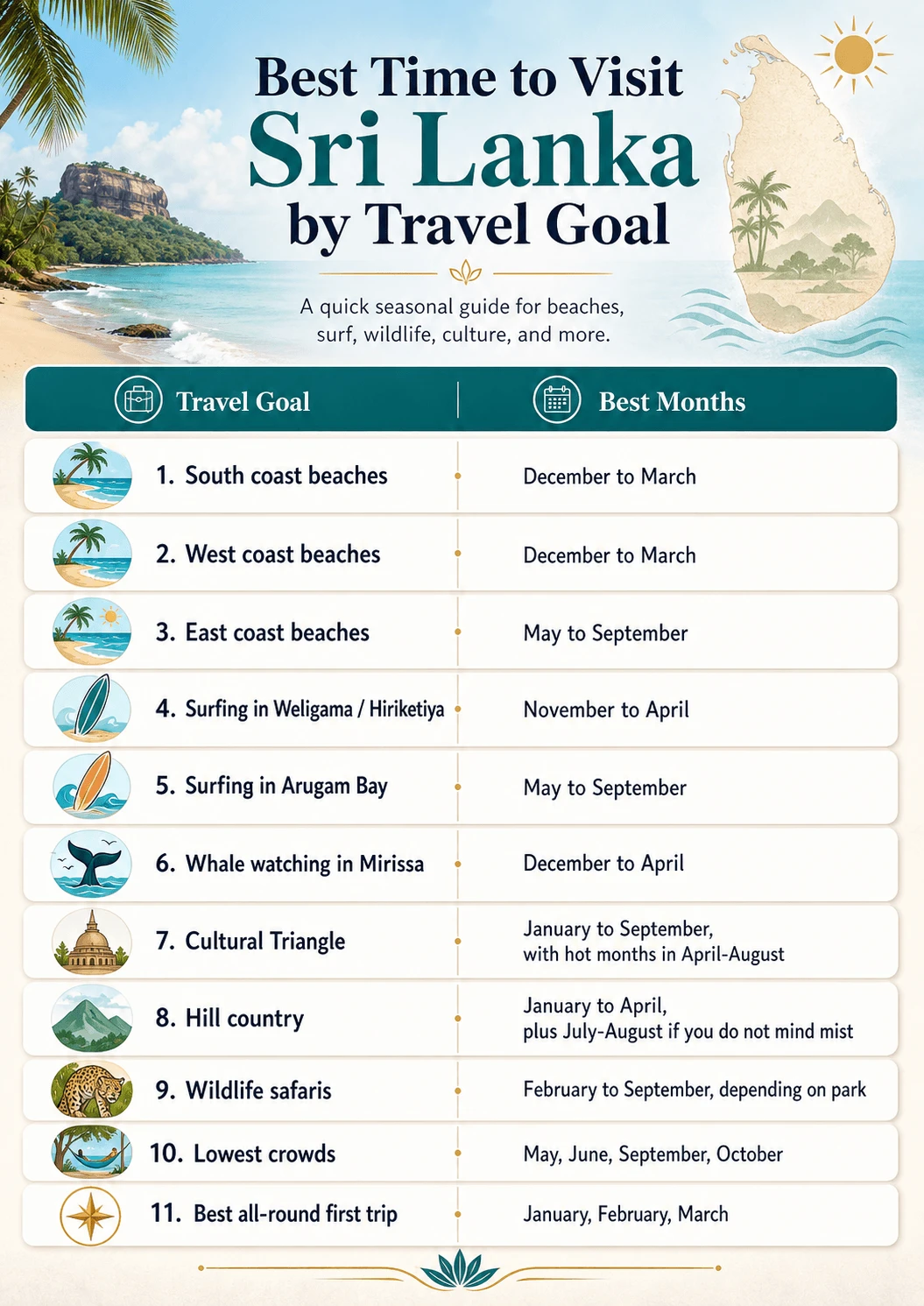
If you are planning your first trip and do not want to think too hard, come in February or March. You get good weather across much of the popular route, the south coast is still strong, the hill country is manageable, and you avoid some of the peak Christmas/New Year pressure.
But if you are more adventurous, the “off-season” can be better than the high season. It just depends where you go.
Understanding Sri Lanka’s Weather Without Losing Your Mind
Sri Lanka has two main monsoon influences and two transitional periods. You do not need to become a meteorologist, but you do need to understand the basics.
The southwest monsoon, often associated with May to September, mainly affects the south-western parts of the island and the hill country. That means places like Colombo, Bentota, Hikkaduwa, Galle, Unawatuna, Mirissa, Weligama, Hiriketiya, and parts of the central highlands can see more rain during this period. The Department of Census and Statistics notes that southwest monsoon rainfall is mostly over the south-western parts of the island and can bring heavy rain to the hill country from June to August.
The northeast monsoon, usually around October to January, affects the northern and eastern parts more strongly. That means Jaffna, Trincomalee, Nilaveli, Batticaloa, Pasikuda, and Arugam Bay are more likely to get rougher weather during this period. Sri Lanka’s northern tourism authority describes the north/east as being affected between October and January, while the west and south experience their monsoon from May to September.
Then there are the inter-monsoon periods, roughly around April and October-November. These can bring afternoon thunderstorms, hot mornings, sudden rain, and dramatic skies. They are not necessarily bad months to travel. They are just less predictable.
The biggest mistake travellers make is assuming “monsoon” means rain all day, every day.
It usually does not.
A monsoon day in Sri Lanka can mean a sunny morning, a heavy afternoon shower, a dry evening, and a beautiful sunset. Or it can mean three days of messy weather. Or it can mean one part of the island is wet while another is perfect. Weather apps often make Sri Lanka look worse than it feels because they show a thunderstorm icon for an entire day even when the rain may last one hour.
So instead of asking, “Will it rain?”, ask a better question:
Which coast should I be on this month?
That one question will save your trip.
January in Sri Lanka: Peak Season, Big Sunshine, Big Demand
January is one of the most popular months to visit Sri Lanka, and for good reason. The south and west coasts are usually in excellent shape. Galle, Unawatuna, Mirissa, Weligama, Hiriketiya, Bentota, Hikkaduwa, and Colombo all fit naturally into a January itinerary.
This is also a strong month for the classic first-time route: Negombo or Colombo, Sigiriya, Kandy, Ella, Yala, and the south coast. You get a balanced mix of culture, beaches, hill country, and wildlife without fighting too much weather.
The downside is demand. January is not a secret. Hotels can be expensive, beach towns feel busy, and popular attractions need planning. If you want the Kandy to Ella train, book early. If you want a boutique hotel in Galle Fort or a beachfront stay in Hiriketiya, do not expect last-minute bargains.
Best places in January:
Galle Fort is beautiful in January. The light is warm, the streets are dry, and evenings on the ramparts feel exactly like the postcard version of Sri Lanka. Mirissa is active, Weligama is perfect for beginner surfers, and Hiriketiya has that lively surf-and-cafe atmosphere people love.
Yala is also a good choice, but it can be crowded. If you want a calmer wildlife experience, consider Udawalawe for elephants or Wilpattu if you have more time.
Who should visit in January?
January is ideal for first-timers, honeymooners, families, beach travellers, and anyone who wants the safest weather bet on the south-west route. It is not ideal for travellers trying to avoid crowds or save money.
February in Sri Lanka: Possibly the Best All-Round Month
February might be the best month to visit Sri Lanka for most travellers.
The south coast is still sunny. The sea is usually more inviting. Whale watching in Mirissa is active. The hill country is pleasant. The Cultural Triangle is warm but manageable. The Christmas and New Year peak has passed, but the island still feels alive.
If you are building a 10-day or 14-day Sri Lanka itinerary, February gives you flexibility. You can start in Colombo or Negombo, head to Sigiriya and Dambulla, continue to Kandy, take the train to Ella, do a safari, and finish on the south coast without constantly worrying about the weather.
Best places in February:
Mirissa, Weligama, Hiriketiya, Tangalle, Unawatuna, and Galle are all strong choices. Ella is busy but beautiful. Nuwara Eliya can be cool and scenic. Sigiriya is hot in the middle of the day, so climb early.
February is also a good month for travellers who care about photos. The south coast has strong beach light, the hill country is green, and ancient sites look dramatic in the morning and late afternoon.
Who should visit in February?
Almost everyone. If you are asking for the most balanced month, February is probably it.
March in Sri Lanka: Hotter, Still Excellent, Slightly More Breathing Room
March is another excellent month for Sri Lanka, especially if you like warm weather and want slightly fewer peak-season crowds than January.
The south and west coasts remain strong. Surf schools are active. Cafes and restaurants are open. The hill country still works well, though lower-elevation places can start to feel hotter. The Cultural Triangle becomes more intense during the day, so timing matters.
March is a month where smart scheduling makes a big difference. Do your climbs, temple visits, fort walks, and city exploring early. Rest during the hottest part of the day. Go out again near sunset.
Best places in March:
Galle, Mirissa, Weligama, Hiriketiya, Tangalle, Udawalawe, Ella, Kandy, Sigiriya, and Dambulla all work. If you are interested in surfing, the south coast still has energy. If you want quieter beaches, look beyond the obvious names and consider Talalla, Rekawa, or quieter pockets near Tangalle.
Who should visit in March?
Travellers who want good weather but can handle heat. March is especially good for couples, digital nomads, surfers, and people who want the south coast without the heaviest holiday crowds.
April in Sri Lanka: Hot, Festive, Beautiful, and Slightly Chaotic
April is one of the most interesting months in Sri Lanka.
It is hot. Very hot in some places. It is also the month of Sinhala and Tamil New Year, one of the biggest cultural moments in the country. Around New Year, transport fills up, shops close, families travel, and the island slows down in a way that is beautiful if you understand it and frustrating if you do not.
April is a transitional weather month. You can still have good beach days in the south and west, especially early in the month, but you may also get sudden thunderstorms. The east coast begins to become more attractive as the season shifts.
Best places in April:
Early April can still work well for the south coast. Later in the month, you can start looking toward Trincomalee, Nilaveli, Pasikuda, and Arugam Bay, though the east may not be fully awake everywhere yet.
Nuwara Eliya is popular in April because of its cooler climate and seasonal events. But expect local holiday traffic and higher demand.
Who should visit in April?
April is good for travellers who want culture, heat, and a more local experience. It is less ideal for people who need everything to run smoothly or who dislike hot weather.
Important April tip:
If your trip overlaps with Sinhala and Tamil New Year, book transport early and expect closures. This is not a normal travel week. It is a family holiday period. Plan around it, not through it.
May in Sri Lanka: The Great Coast Switch Begins
May is when many travellers misunderstand Sri Lanka.
They hear “monsoon” and assume the whole island is a bad idea. That is not true. May is usually when the south-west starts getting wetter, but the east coast becomes more attractive.
This is the beginning of the period where Trincomalee, Nilaveli, Uppuveli, Pasikuda, and Arugam Bay start making more sense than Mirissa or Galle for a beach-focused trip.
May can also be a value month. The south coast may offer lower prices. Some places are quieter. You can still get sunshine between showers. But if your dream is perfect south coast swimming weather, May is a riskier bet than February.
Best places in May:
Arugam Bay begins to build energy. Trincomalee and Nilaveli become strong options. Pasikuda is excellent for calmer water and family-friendly beach stays. The Cultural Triangle is hot but possible if you start early. Jaffna can also be interesting, though it gets hot.
Who should visit in May?
Travellers who want fewer crowds, better value, and are willing to choose the east coast over the south. May is also good for repeat visitors who have already done Galle-Mirissa-Ella and want a different Sri Lanka.
June in Sri Lanka: East Coast Season Is On
June is one of the best months for Sri Lanka’s east coast.
If your mental image of Sri Lanka is empty beaches, warm water, long sunny days, and less tourist pressure, June can be excellent — as long as you are on the right side of the island.
Trincomalee, Nilaveli, Uppuveli, Pasikuda, and Arugam Bay are the names to know. Arugam Bay becomes one of the island’s main surf hubs. The south-west can still be visited, but it is not the safest choice for a pure beach holiday.
The hill country can be wet and misty in June. That does not mean you cannot go. Some travellers actually love Ella, Haputale, and Nuwara Eliya when they feel moody and green. But you should pack properly and allow flexibility.
Best places in June:
Arugam Bay for surf. Nilaveli and Uppuveli for beach stays. Pasikuda for calm swimming. Sigiriya and Dambulla for culture if you can handle heat. Jaffna for food, temples, islands, and a different cultural rhythm.
Who should visit in June?
Surfers, east-coast beach travellers, backpackers, and anyone who wants Sri Lanka without peak-season south coast crowds.
July in Sri Lanka: Surf, Elephants, East Coast, and Local Movement
July is a strong month for the east coast and a lively month overall.
Arugam Bay is in full swing. Trincomalee and Nilaveli are good for beach time. Pasikuda is still a strong family and resort option. The Cultural Triangle is dry and hot, so early starts are essential.
July and August are also connected with one of Sri Lanka’s great wildlife experiences: the elephant gathering around Minneriya/Kaudulla ecosystems, when elephants move in large numbers in search of water and grazing. The exact timing changes with rainfall, but mid-year to early dry-season months are important for elephant-focused itineraries.
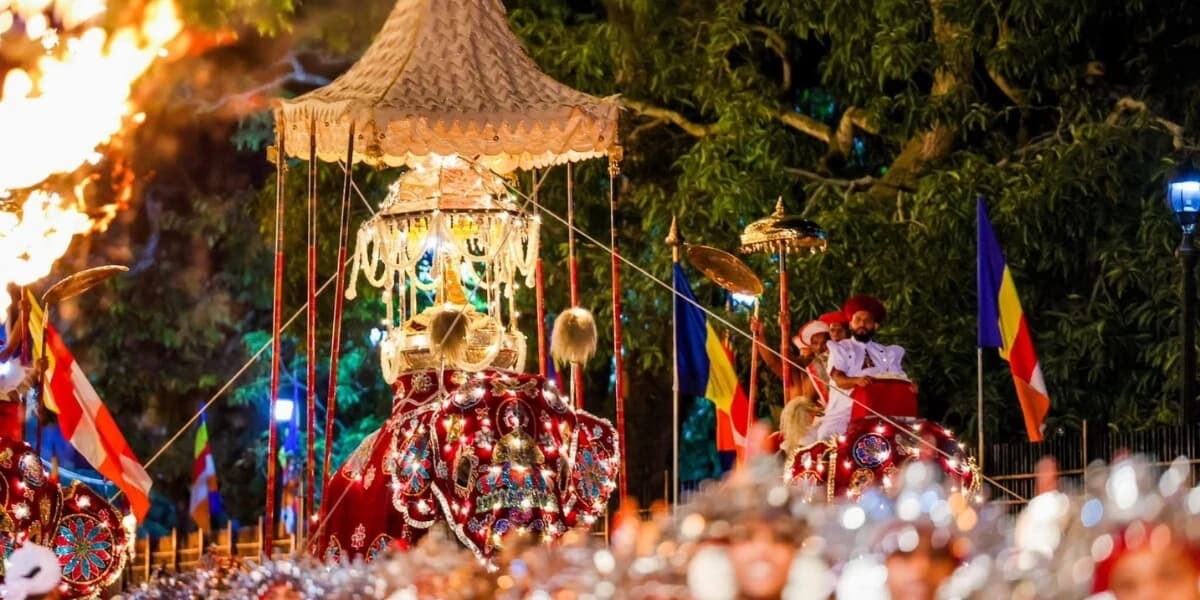
Kandy may also become busier around the Esala Perahera season, depending on the lunar calendar. This is one of Sri Lanka’s most important cultural festivals, but it also means higher demand and crowds.
Best places in July:
Arugam Bay, Trincomalee, Nilaveli, Pasikuda, Sigiriya, Dambulla, Polonnaruwa, Minneriya, Kaudulla, and Jaffna.
Who should visit in July?
Surfers, wildlife travellers, culture-focused travellers, and families who are happy to avoid the south-west beaches and focus on the east.
August in Sri Lanka: Great East Coast, Busy Local Holiday Energy
August is still a very good month for the east coast, but it can also be busy because of European summer holidays and local movement around school breaks and festivals.
Arugam Bay remains active. Trincomalee is popular. Nilaveli and Uppuveli are attractive. Pasikuda works well for calmer water. The Cultural Triangle is hot, but very doable with sunrise starts and relaxed afternoons.
This is also a good time to build an alternative Sri Lanka itinerary. Instead of the usual Colombo-Galle-Mirissa-Ella loop, you can do:
Colombo or Negombo
Sigiriya
Polonnaruwa
Trincomalee / Nilaveli
Pasikuda
Arugam Bay
Ella or Gal Oya
Kandy
Colombo
That route gives you culture, beaches, surf, wildlife, and hill country while respecting the season.
Best places in August:
East coast beaches, Arugam Bay, Sigiriya, Polonnaruwa, Minneriya/Kaudulla, Jaffna, and Gal Oya.
Who should visit in August?
People who want a summer trip and are open to the east coast. August is not the best month to force a south coast beach holiday.
September in Sri Lanka: Underrated, Flexible, and Often Excellent
September is one of the most underrated months to visit Sri Lanka.
The east coast can still be good, especially earlier in the month. Arugam Bay usually still has surf energy, though the season starts softening later. Trincomalee and Nilaveli can still be beautiful. Crowds begin to thin. Prices may become more attractive.
The south-west is not fully back to its best yet, but conditions can improve compared with the heart of the monsoon. The Cultural Triangle remains hot and generally workable. The hill country can be lush and atmospheric.
September is especially good for travellers who dislike peak-season tourism. You need flexibility, but you can be rewarded with quieter stays, better room rates, and less pressure at popular sites.
Best places in September:
Arugam Bay early in the month, Trincomalee, Nilaveli, Sigiriya, Dambulla, Polonnaruwa, Jaffna, Gal Oya, and possibly the south coast if you accept some weather risk.
Who should visit in September?
Flexible travellers, repeat visitors, budget-conscious travellers, surfers catching the tail end of Arugam Bay season, and people who prefer quieter trips.
October in Sri Lanka: The Trickiest Month
October is probably the hardest month to recommend with confidence.
It is an inter-monsoon period, which means rain and thunderstorms can appear across different parts of the island. The east coast season is winding down. The south coast is not fully in its prime yet. The weather can be dramatic, humid, and unpredictable.
Does that mean you should avoid Sri Lanka in October?
Not necessarily.
October can still be rewarding if your trip is not beach-dependent. Cultural sites, food travel, wellness stays, tea country, local experiences, photography, and slower travel can all work. You just need to build flexibility into your itinerary.
The mistake is booking October expecting ten straight days of perfect beach weather. That is not the smart play.
Best places in October:
Colombo for food and city stays, Galle if you do not mind showers, Kandy, Sigiriya, Dambulla, boutique wellness retreats, and flexible itineraries that can shift based on weather.
Who should visit in October?
Travellers who value culture, food, atmosphere, and lower crowds more than perfect beach days. October is not ideal for someone whose entire trip depends on swimming and sunbathing.
November in Sri Lanka: The Island Starts Turning Toward High Season
November is a transition month with improving prospects for the south and west as the month progresses. Early November can still be wet and unpredictable, but by late November the classic tourist route begins to wake up.
Hotels prepare for peak season. Beach towns become more active. Surf schools reopen or get busier. Travellers start returning to Galle, Unawatuna, Weligama, Mirissa, Hiriketiya, and Tangalle.
The north and east can be wetter because of the northeast monsoon influence. This is usually not the best time to plan a pure Trincomalee or Arugam Bay beach holiday.
Best places in November:
Late November is better for the south coast than early November. Galle, Weligama, Mirissa, Hiriketiya, Tangalle, Ella, Kandy, and Sigiriya all start becoming more attractive again.
Who should visit in November?
Travellers who want the beginning of high season but are willing to accept some weather risk, especially earlier in the month. Late November can be a smart shoulder-season choice.
December in Sri Lanka: High Season Returns
December is when Sri Lanka’s classic tourist season returns properly.
The south and west coasts become the main stage again. Galle Fort gets busy. Mirissa fills with whale-watching travellers. Weligama surf schools are active. Hiriketiya gets lively. Tangalle becomes attractive for travellers who want more space. The hill country fits well into itineraries again.
But December has two different personalities.
Early December can be good and slightly calmer. Late December, especially around Christmas and New Year, is expensive and busy. Hotels book out. Drivers are in demand. Trains are harder to reserve. Restaurants in tourist towns fill up.
If you are visiting in late December, plan early and accept that this is peak season.
Best places in December:
Galle, Unawatuna, Weligama, Mirissa, Hiriketiya, Tangalle, Udawalawe, Yala, Ella, Nuwara Eliya, Kandy, Sigiriya, and Dambulla.
Who should visit in December?
Families, couples, honeymooners, first-timers, and anyone who wants the classic Sri Lanka holiday. Budget travellers should be careful with late December prices.
Best Time to Visit Sri Lanka for Beaches
The best beach month depends entirely on the coast.
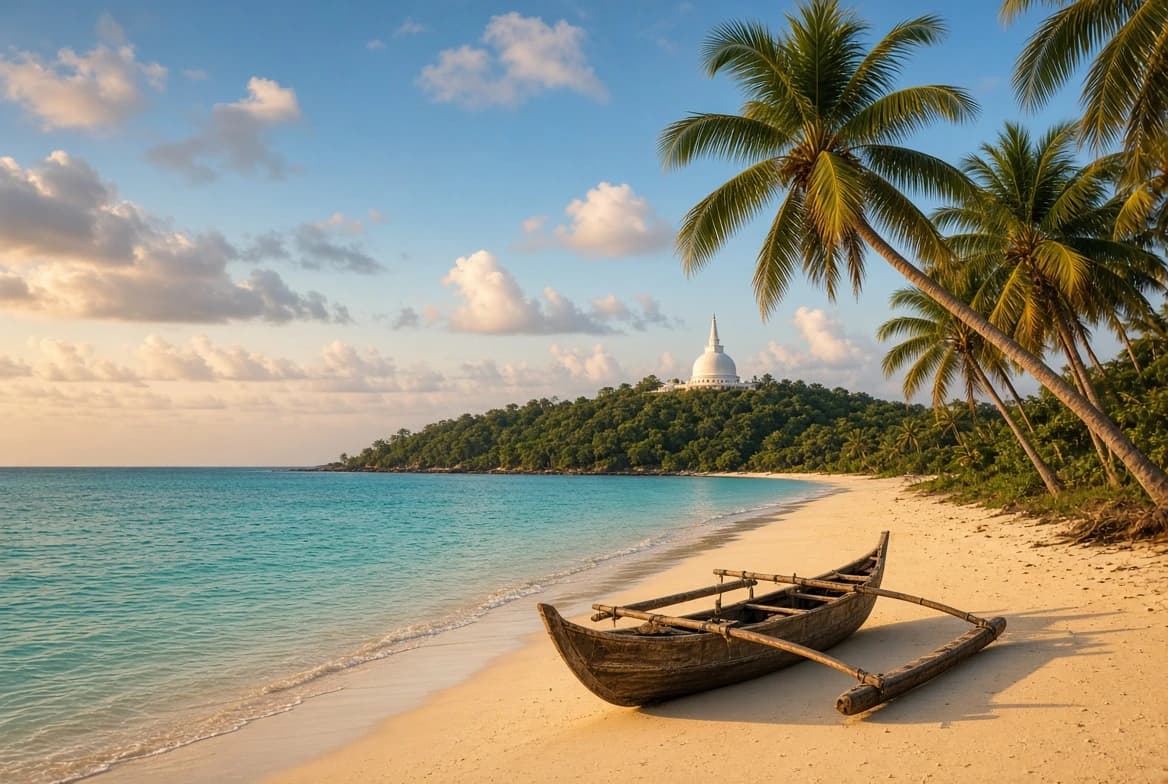
For the south coast, the best time is usually December to March. This includes Galle, Unawatuna, Dalawella, Mirissa, Weligama, Hiriketiya, Tangalle, Talalla, and Hikkaduwa. You get better swimming conditions, more active beach towns, and a stronger tourism atmosphere.
For the west coast, including Colombo, Negombo, Bentota, Kalpitiya, and nearby resort areas, December to March is also generally the safer season.
For the east coast, the best time is usually May to September. This includes Trincomalee, Nilaveli, Uppuveli, Pasikuda, Batticaloa, and Arugam Bay.
If you want a simple beach rule:
December to March: go south and west.
May to September: go east.
April and November are transition months. October is the wildcard.
Best Time to Visit Sri Lanka for Surfing
Sri Lanka is a year-round surf destination if you choose the right coast.
The south coast surf season usually runs from around November to April. Weligama is the easiest place for beginners. Hiriketiya is better for confident beginners and intermediates when conditions are right. Midigama, Ahangama, and nearby reef breaks are better for more experienced surfers.
The east coast surf season, especially around Arugam Bay, usually runs from around May to September. This is when Arugam Bay becomes one of Asia’s most famous surf towns, with a strong backpacker and surf culture.
If you are a beginner, choose Weligama in the south season. If you are chasing the classic Arugam Bay surf scene, choose June to August.
Best Time to Visit Sri Lanka for Wildlife
Wildlife in Sri Lanka is not limited to one season, but some periods are better for certain experiences.
For Yala National Park, February to July can be strong, especially as dry conditions make animal movement easier to predict. But Yala is also crowded, and sightings are never guaranteed.
For Udawalawe, elephants can be seen throughout much of the year, making it one of the most reliable safari choices for families and first-time visitors.
For Minneriya and Kaudulla, the dry-season elephant movement is the big draw, often associated with the mid-year months into early autumn depending on rainfall.
For Wilpattu, the experience is wilder and quieter than Yala. It is less about guaranteed sightings and more about atmosphere, forest, lakes, and patience.
For whale watching in Mirissa, the classic season is December to April, when the southern seas are generally calmer. For Trincomalee whale watching, the east coast season is usually more relevant.
The key is to avoid thinking of wildlife as one single category. Leopards, elephants, whales, birds, and turtles all follow different rhythms.
Best Time to Visit Sri Lanka for the Hill Country
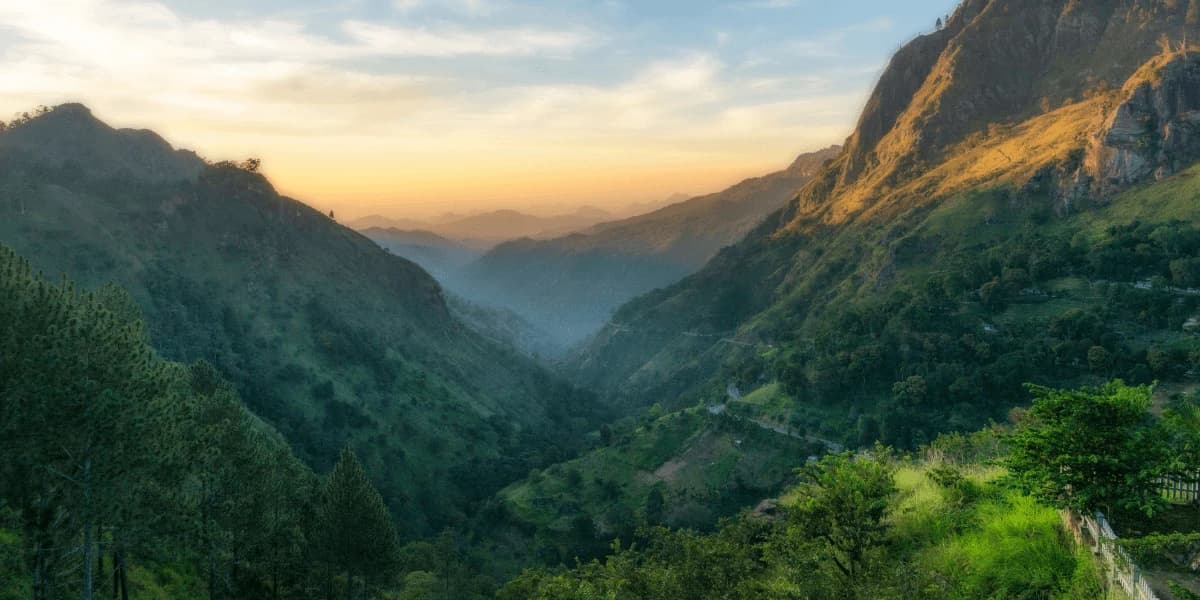
Sri Lanka’s hill country includes Kandy, Nuwara Eliya, Ella, Haputale, Hatton, and surrounding tea estates.
For the most comfortable weather, January to April is a strong period. The views are often clearer, the air is cooler, and the train journey feels magical.
But misty months can be beautiful too. Some travellers love the hill country when it is cloudy, green, and dramatic. The risk is landslides, delays, wet hikes, and limited visibility at viewpoints.
If your dream is hiking Little Adam’s Peak, Ella Rock, Horton Plains, or Lipton’s Seat, avoid depending on one single day. Spend at least two nights in the area so you have a backup morning.
Hill country packing tip:
Even if the coast is hot, bring a light jacket or warm layer. Nuwara Eliya and Haputale can feel genuinely cold at night compared with the beach.
Best Time to Visit Sri Lanka for the Cultural Triangle
The Cultural Triangle includes Sigiriya, Dambulla, Polonnaruwa, Anuradhapura, and nearby areas.
This region can be visited for much of the year, but heat is the main challenge. March to August can be very hot, especially around ancient ruins where shade is limited.
The best strategy is simple:
Start early.
Rest at midday.
Go again after 3:30 PM.
Sigiriya at sunrise or early morning is far better than Sigiriya at 11:30 AM. Polonnaruwa by bicycle is wonderful in theory, but brutal in midday heat. Anuradhapura is spread out, so plan transport carefully.
The Cultural Triangle is less about avoiding an entire season and more about managing time of day.
Best Time to Visit Sri Lanka for Fewer Crowds
If you hate crowds, avoid late December, January, and parts of August in the most popular places.
Better crowd-avoidance months include:
May
June
September
October
Early November
But fewer crowds often come with weather trade-offs. The trick is to use the shoulder seasons intelligently.
For example, June is not ideal for Mirissa, but it can be excellent for Trincomalee. September is not peak south coast season, but it can still be good for the east and Cultural Triangle. October is unpredictable, but quieter and atmospheric.
Crowd avoidance is not just about month. It is also about timing.
Visit Sigiriya at opening time. Walk Galle Fort early morning. See Nine Arches Bridge before the Instagram rush. Choose Tangalle over Mirissa if you want space. Choose Wilpattu over Yala if you prefer fewer jeeps.
Best Time to Visit Sri Lanka for Lower Prices
The most expensive period is usually late December to February, especially in popular beach towns and boutique hotels.
Better-value periods include:
May to June
September to early November
Early December before peak holiday demand
But do not choose a cheap month blindly. A discounted beachfront hotel in the wrong coast during rough-sea season may not feel like a bargain.
The best value strategy is to travel shoulder season and choose the right region. For example, June on the east coast can be much smarter than June on the south coast. November on the south coast may be better later in the month than earlier.
The Best 10-Day Sri Lanka Route by Season
Here is how to adjust a 10-day itinerary based on your travel month.
December to March: Classic South Coast Route
Day 1: Arrive in Colombo or Negombo
Day 2: Sigiriya / Dambulla
Day 3: Polonnaruwa or Anuradhapura
Day 4: Kandy
Day 5: Train to Ella
Day 6: Ella
Day 7: Yala or Udawalawe
Day 8: Mirissa / Weligama
Day 9: Galle / Unawatuna
Day 10: Return to Colombo
This is the classic first-time route because the weather generally supports it.
May to September: East Coast Route
Day 1: Arrive in Colombo or Negombo
Day 2: Sigiriya
Day 3: Polonnaruwa
Day 4: Trincomalee / Nilaveli
Day 5: Trincomalee / Nilaveli
Day 6: Pasikuda
Day 7: Arugam Bay
Day 8: Arugam Bay
Day 9: Ella or Gal Oya
Day 10: Return via Kandy or Colombo
This route respects the east coast season instead of fighting it.
October to November: Flexible Culture and Food Route
Day 1: Colombo
Day 2: Galle
Day 3: Galle / inland cooking class / local experience
Day 4: Kandy
Day 5: Sigiriya
Day 6: Dambulla / Polonnaruwa
Day 7: Ella or Nuwara Eliya
Day 8: Wellness stay / tea country
Day 9: Colombo food and shopping
Day 10: Departure
This route is less beach-dependent and more flexible.
What to Pack Based on Season
For December to March:
Light clothes
Swimwear
Sunscreen
Hat
Temple-appropriate clothing
Comfortable sandals
Light jacket for hill country
For May to September:
Quick-dry clothes
Rain jacket if visiting south-west or hill country
Beach gear for east coast
Mosquito repellent
Dry bag for electronics
Surf rash guard if heading to Arugam Bay
For October to November:
Umbrella or rain jacket
Quick-dry footwear
Flexible clothing for humid weather
Backup indoor plans
Waterproof bag cover
Patience
For hill country any time:
Light sweater
Long trousers
Rain layer
Good walking shoes
Socks
Something warm for early mornings
Common Weather Mistakes Travellers Make in Sri Lanka
The first mistake is treating Sri Lanka as one weather zone. It is not. A rainy week in the south does not mean the east is bad.
The second mistake is trusting weather apps too literally. A thunderstorm icon does not always mean a ruined day.
The third mistake is booking beaches based on Instagram rather than season. Arugam Bay and Mirissa are not interchangeable in every month.
The fourth mistake is planning too tightly during monsoon or inter-monsoon months. If you travel in May, October, or November, build flexibility into the route.
The fifth mistake is ignoring heat. Even when it is not raining, places like Sigiriya, Polonnaruwa, and Anuradhapura can be exhausting in the middle of the day.
The sixth mistake is forgetting local holidays. Sinhala and Tamil New Year in April, Vesak, Esala Perahera, Christmas, New Year, and long weekends can affect transport, prices, and crowds.
So, What Is the Best Month Overall?
If you force one answer, choose February.
February gives most travellers the best balance: strong south coast weather, good hill country conditions, active whale watching, manageable Cultural Triangle travel, and slightly less pressure than late December or early January.
But the best month for you may be different.
Choose January or February if you want the safest classic first-time trip.
Choose March if you want good weather and can handle heat.
Choose April if you want culture, New Year energy, and do not mind heat.
Choose June, July, or August if you want the east coast and Arugam Bay.
Choose September if you want fewer crowds and flexibility.
Choose October if you are not beach-dependent and want a quieter, moodier trip.
Choose late November or early December if you want the beginning of the south coast season before the biggest crowds arrive.
Final Advice: Do Not Ask “Sri Lanka or Not?” Ask “Which Sri Lanka?”
Sri Lanka is not a destination you should judge by one weather forecast.
There is the south coast Sri Lanka of surf schools, coconut palms, whale boats, beach cafes, and sunset beers.
There is the east coast Sri Lanka of wide beaches, warm water, Tamil food, surf points, and slower towns.
There is the hill country Sri Lanka of tea estates, mist, waterfalls, train rides, and cold mornings.
There is the Cultural Triangle Sri Lanka of ancient kingdoms, stone temples, dry heat, monkeys, lakes, and sunrise climbs.
There is the wildlife Sri Lanka of elephants, leopards, sloth bears, birds, crocodiles, and whales.
The best time to visit Sri Lanka depends on which version of the island you want.
For the classic first trip, come between December and March. For the east coast, come between May and September. For fewer crowds, aim for the edges of the seasons. For the best experience, stop trying to beat the weather everywhere and start moving with it.
That is how Sri Lanka works.
And once you understand that, the island becomes much easier to love.
Places Mentioned(10)
Galle Fort Hotel
28 Church St, Galle 80000, Sri Lanka
Mirissa Beach
Mirissa Beach, Mirissa, Sri Lanka
Arugam Bay Beach
Arugam Bay Beach, Sri Lanka
Nine Arches Bridge
Ella, Sri Lanka
Sigiriya
Sigiriya, Sri Lanka
Sri Dalada Maligawa
Kandy, Sri Lanka
Nilaveli Beach
Nilaveli Beach, Sri Lanka
Colombo Lotus Tower
320 McCallum Rd, Colombo 01000, Sri Lanka
Ruwanweli Maha Seya
Ruwanweliseya Temple, Abhayawewa Rd, Anuradhapura, Sri Lanka
Nuwaraeliya
Nuwaraeliya, Sri Lanka
Tap a place card to see more details • Swipe to see all 10 places