Why Tea Matters in Sri Lanka (More Than You Think)
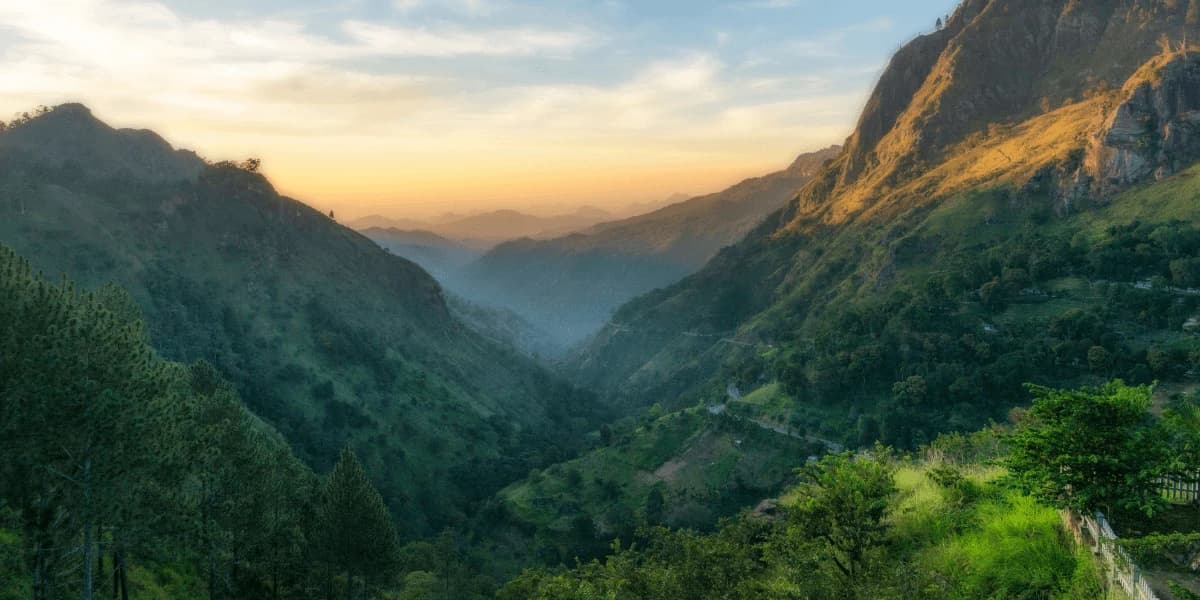
The hill country you photograph from the train window — those impossibly green terraced slopes rolling to the horizon — is not natural landscape. It's agriculture. Every metre of it was cleared, planted, and maintained by human hands over the past 150 years. Without tea, the Sri Lankan hill country would be dense tropical forest, and the Kandy-to-Ella train journey would pass through jungle, not the manicured emerald geometry that makes it one of the world's great railway experiences.
Tea is not just an industry in Sri Lanka. It shaped the physical landscape, created the hill-country towns, built the railway network, drove the colonial economy, and remains one of the country's largest employers. Over a million Sri Lankans work in the tea industry. The country produces roughly 300 million kilograms annually and exports to over 150 countries. "Ceylon Tea" remains a protected geographical indication — it can only come from Sri Lanka, the way Champagne can only come from Champagne.
Understanding even a little of this transforms a factory visit from a 20-minute conveyor-belt tour into something genuinely interesting.
A Very Short History
The story begins with a disaster. In the 1860s and 70s, Sri Lanka (then Ceylon) was a coffee colony. Coffee plantations blanketed the highlands, generating enormous wealth for their mostly British owners. Then a fungal blight called Hemileia vastatrix — known locally as "Devastating Emily" — wiped out the coffee crop across the island.
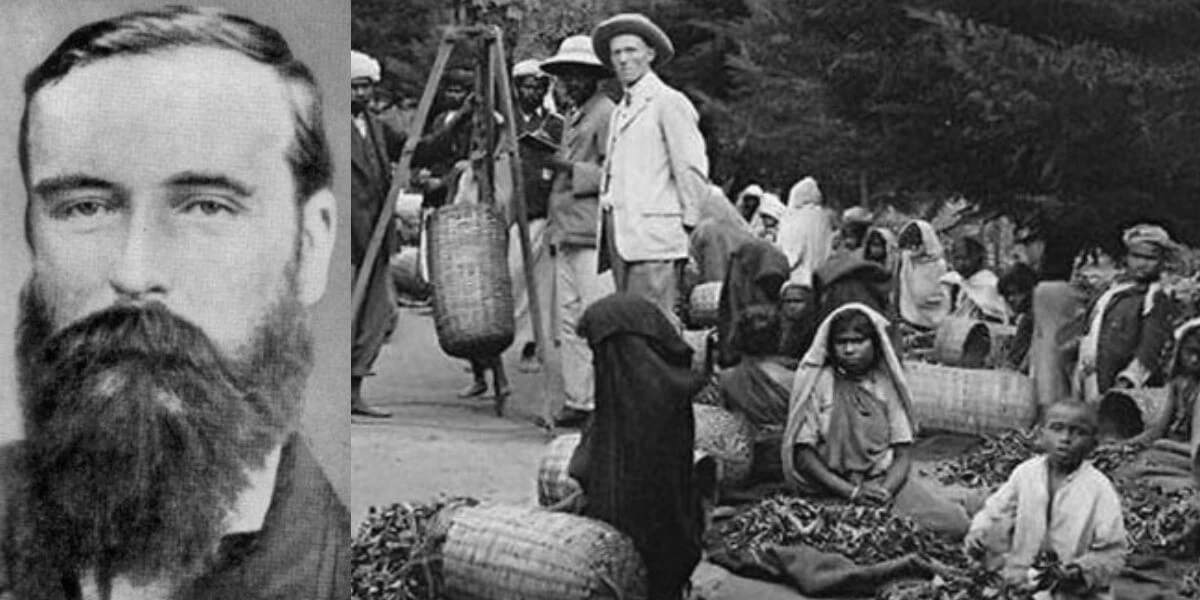
A Scottish planter named James Taylor had already been experimenting with tea cultivation at a small estate called Loolecondera, near Kandy, since 1867. When coffee collapsed, the colonial planters turned to tea. Within two decades, over 1,200 tea estates covered the highlands. By 1900, Ceylon was one of the world's largest tea exporters.
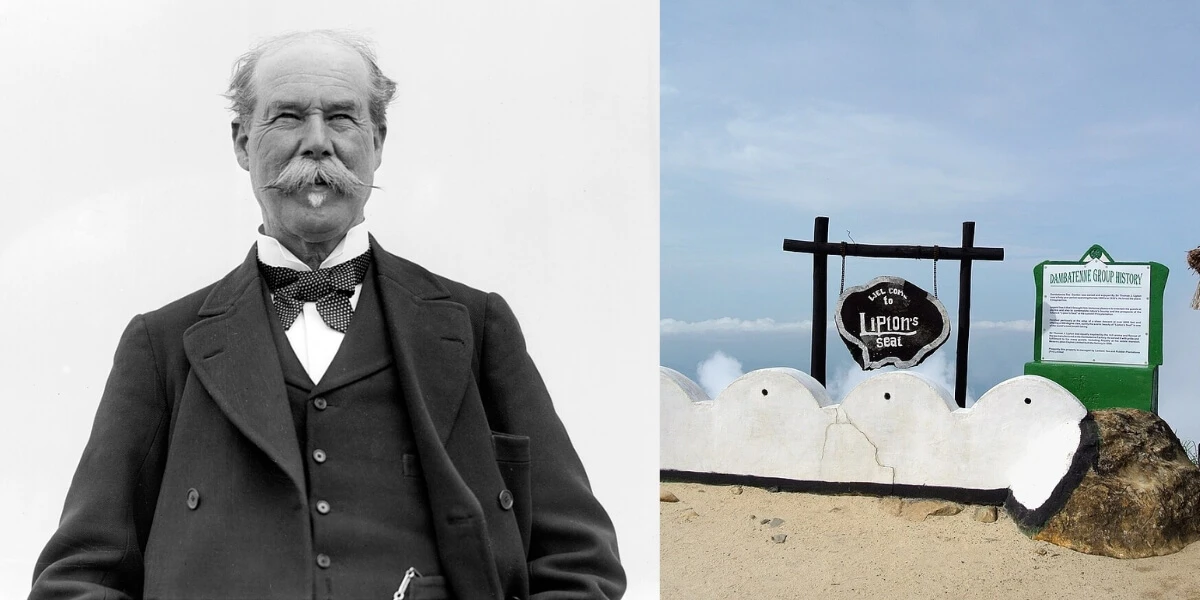
Thomas Lipton — who would become the world's most famous tea merchant — arrived in 1890, bought several struggling plantations, and built a global brand by cutting out the middlemen and selling directly to consumers. His favourite estate, Dambatenne near Haputale, still produces tea today using machinery that hasn't fundamentally changed in 130 years.
The labour force that built and maintained these plantations was predominantly Tamil, brought from southern India by the British as indentured workers. Their descendants — Sri Lanka's Hill Country Tamil community — still form the backbone of the tea-plucking workforce. The social and economic conditions of plantation workers remain a significant issue in Sri Lankan society, and understanding this context gives the factory visit a dimension that most tourist guides omit.
How Tea Is Made (The 5-Minute Version)
Every factory tour follows the same basic process. Knowing the steps in advance means you can actually follow what the guide is showing you rather than nodding politely at machinery.
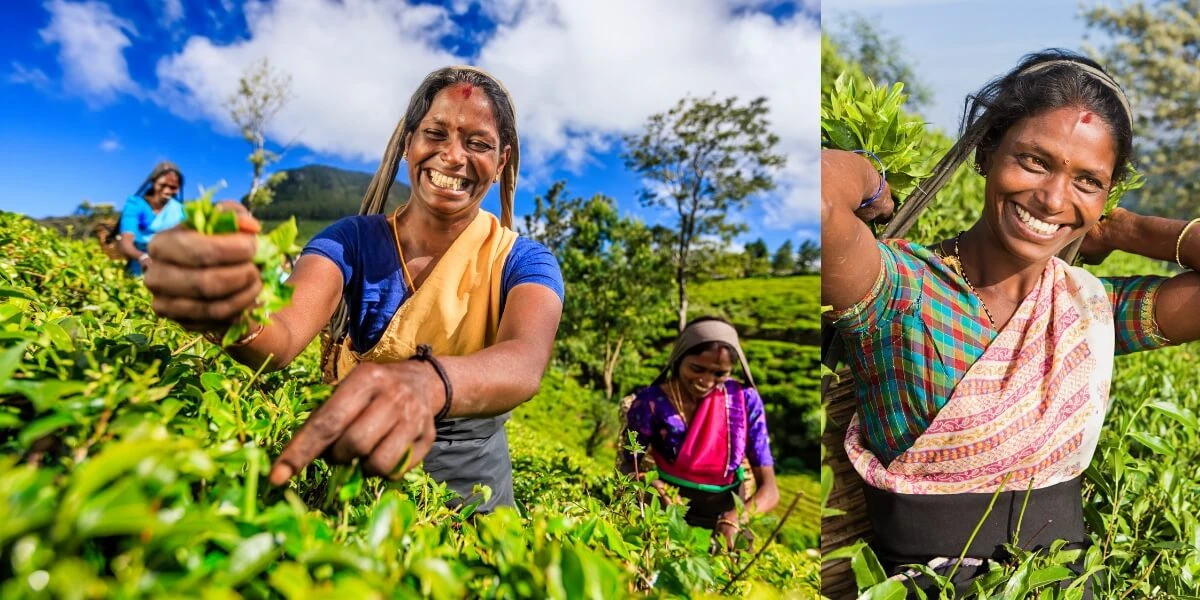
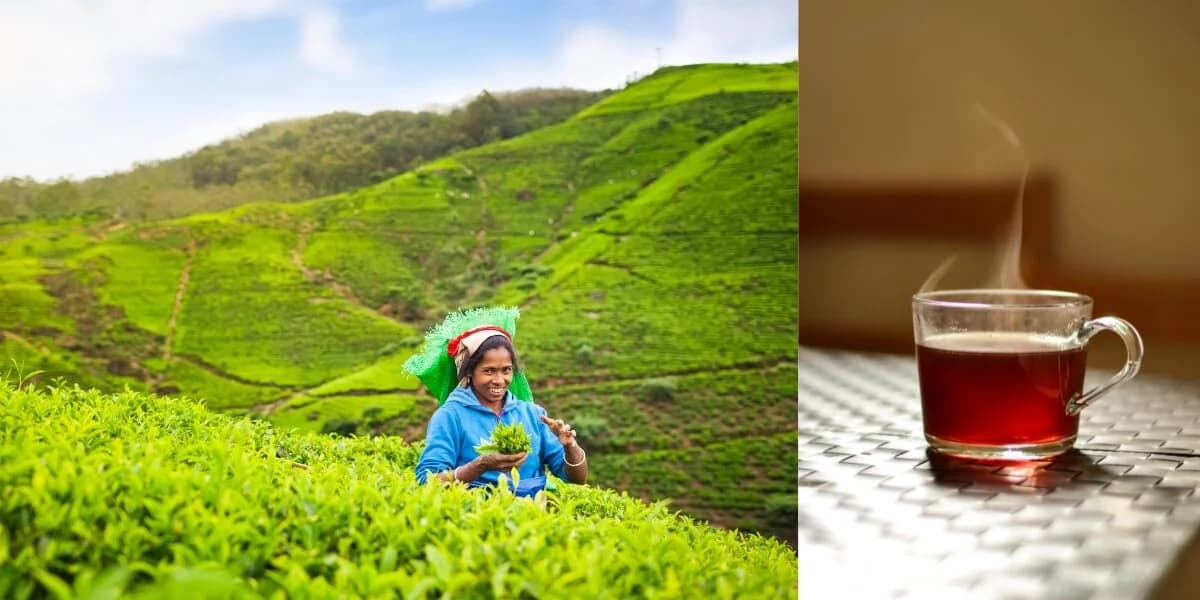
1. Plucking. Tea pluckers — predominantly Tamil women — walk the plantation rows, hand-picking "two leaves and a bud" from each bush. This is skilled, physical work: pluckers cover over 10 kilometres per day across steep terrain and are typically paid by weight of leaf collected. Sri Lanka is one of the few major tea-producing countries where all tea is still plucked by hand (rather than machine-harvested), which is one reason Ceylon tea commands a premium.
2. Withering. Freshly plucked leaves are spread on long troughs in the factory and warm air is blown over them for 12–18 hours. This removes roughly 60% of the moisture and softens the leaves for the next stage. The withering room is usually the first stop on a factory tour — long rows of mesh troughs with green leaves piled on top.
3. Rolling. The withered leaves are fed through rolling machines that twist and break the leaf cells, releasing the enzymes that will create the tea's flavour during oxidation. Different rolling pressures produce different leaf sizes, which ultimately determine the tea grade.
4. Oxidation (Fermentation). The rolled leaves are spread on tables or floors in a cool, humid room and left to oxidise — the process that turns green leaves brown and develops the characteristic flavour of black tea. The duration of oxidation (typically 1–3 hours) determines how strong, dark, and full-bodied the tea becomes. A skilled factory manager monitors colour, aroma, and timing to decide when to stop the process.
5. Drying (Firing). The oxidised leaves pass through a dryer at high temperature, halting oxidation and reducing moisture to about 3%. This is what preserves the tea for storage and transport.
6. Grading and Sorting. The dried tea is sorted by leaf size using vibrating sieves. Larger, unbroken leaves are graded higher (and priced higher). Smaller, broken pieces become the tea that fills most commercial tea bags. The grading room is where factories usually let you taste different grades side by side — and where the difference between a premium whole-leaf tea and a commodity dust becomes obvious.
Tea Grades: What the Letters Mean
The cryptic letter combinations on tea packaging (OP, BOP, FBOP, etc.) are a grading system based on leaf size and quality, not flavour. Understanding even the basics makes you a dramatically more informed tea buyer.
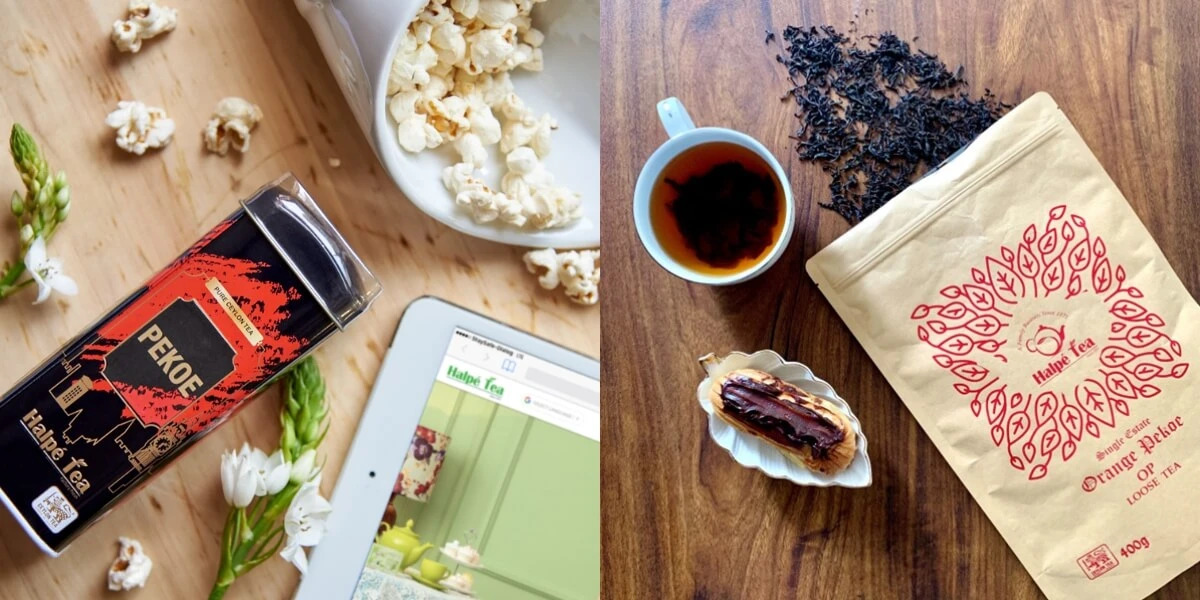
Whole-leaf grades (highest quality): OP (Orange Pekoe) — Long, wiry leaves. The standard high-quality grade. FOP (Flowery Orange Pekoe) — OP with some tip (the youngest buds), indicating finer quality. TGFOP (Tippy Golden Flowery Orange Pekoe) — Generous tips. Premium tea.
Broken-leaf grades (mid-range): BOP (Broken Orange Pekoe) — Smaller leaf pieces. Stronger flavour, less subtlety. Good everyday tea. FBOP (Flowery Broken Orange Pekoe) — Broken leaf with some tips.
Fannings and Dust (lowest grade): These fill most commercial tea bags. Strong, fast-brewing, and lacking the complexity of whole-leaf grades. Functional but uninteresting.
The key insight: "Orange Pekoe" does not mean orange-flavoured tea. It refers to a leaf grade. The "orange" likely derives from the Dutch House of Orange, which was involved in early tea trading.
The Tea Regions: Elevation Changes Everything
Ceylon tea's flavour varies dramatically based on where it's grown. The single most important factor is elevation.
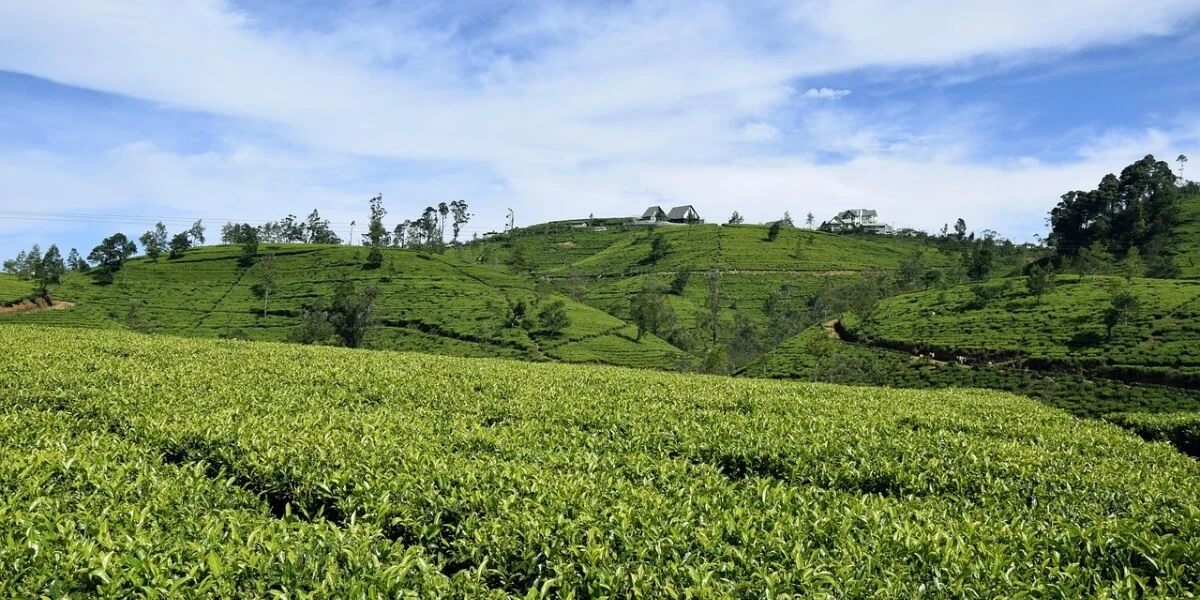
High-Grown (Above 1,200m) — Nuwara Eliya, Dimbula, Uva
The most prized Ceylon teas. Cool temperatures and high altitude slow the growth of the tea bushes, producing smaller leaves with more concentrated flavour. The resulting tea is light-bodied, aromatic, with delicate floral or citrus notes and a golden or pale amber colour when brewed. Often called the "Champagne of Ceylon Tea." This is what connoisseurs seek.
Mid-Grown (600–1,200m) — Kandy, Dimbula slopes
A middle ground. Stronger than high-grown tea, with a bright coppery liquor and a more robust flavour, but retaining some of the complexity that lower elevations lose. Good everyday tea with character.
Low-Grown (Below 600m) — Galle, Matara, Ratnapura
The strongest, darkest Ceylon teas. Rich, full-bodied, burgundy-brown in the cup. Less subtle but more powerful. These teas form the backbone of blends and are popular in markets that prefer strong tea with milk.
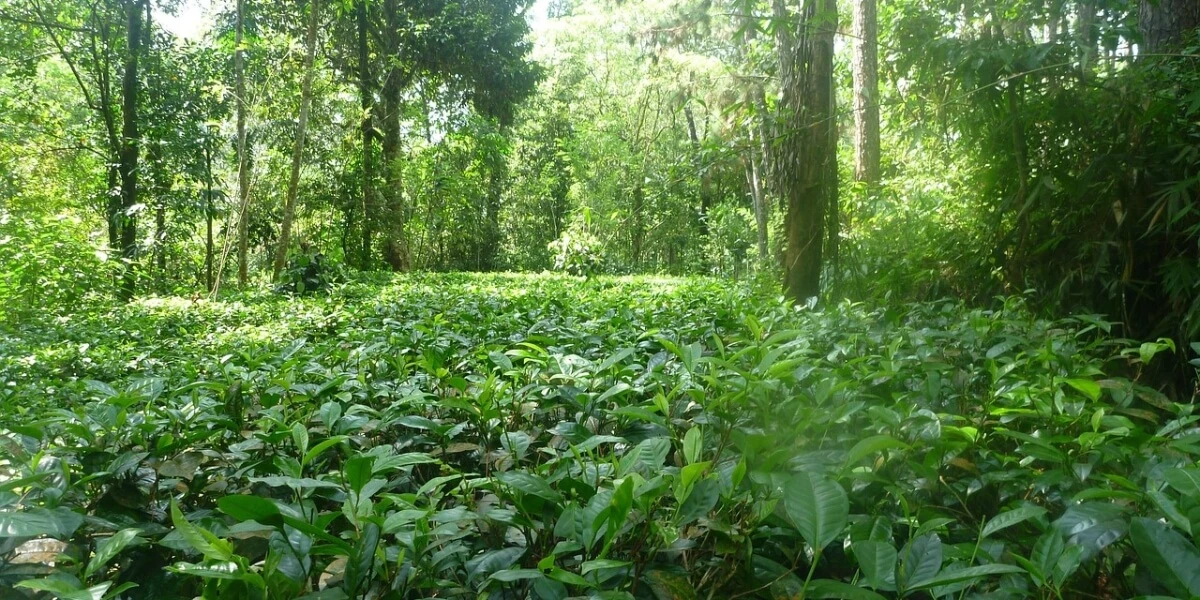
The practical takeaway: When buying tea in Sri Lanka, ask about elevation. A high-grown Nuwara Eliya OP will taste fundamentally different from a low-grown Galle BOP, and understanding that difference is the beginning of actually appreciating what makes Ceylon tea distinctive.
Which Factory to Visit
There are hundreds of tea factories across the hill country. Most welcome visitors. The experience varies from polished tourist operations to raw, working factories where you're stepping around machinery that's been running since the 1890s.
Near Nuwara Eliya
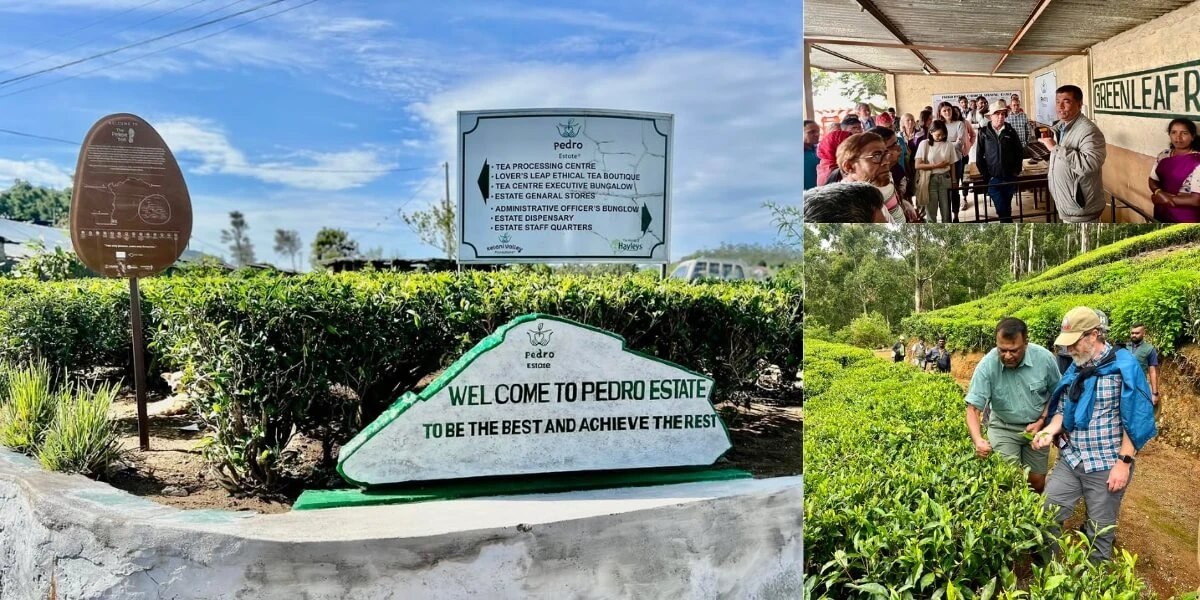
Pedro Tea Estate — Built on the site where James Taylor planted the first commercial tea bushes in Ceylon. The most historically significant estate in the country. Short tours (20 minutes) with tasting. Easy to reach from Nuwara Eliya.
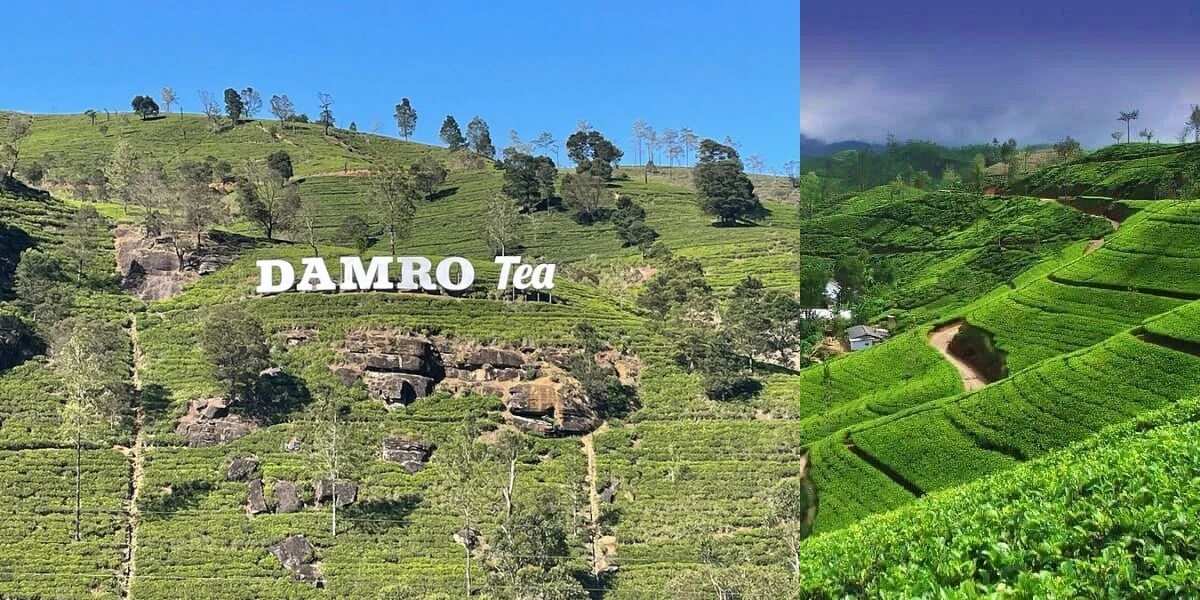
Damro Labookellie Tea Estate — 5,000 acres of rolling plantations north of Nuwara Eliya. Free guided tours, no advance booking required. One of the more popular and well-organised options.
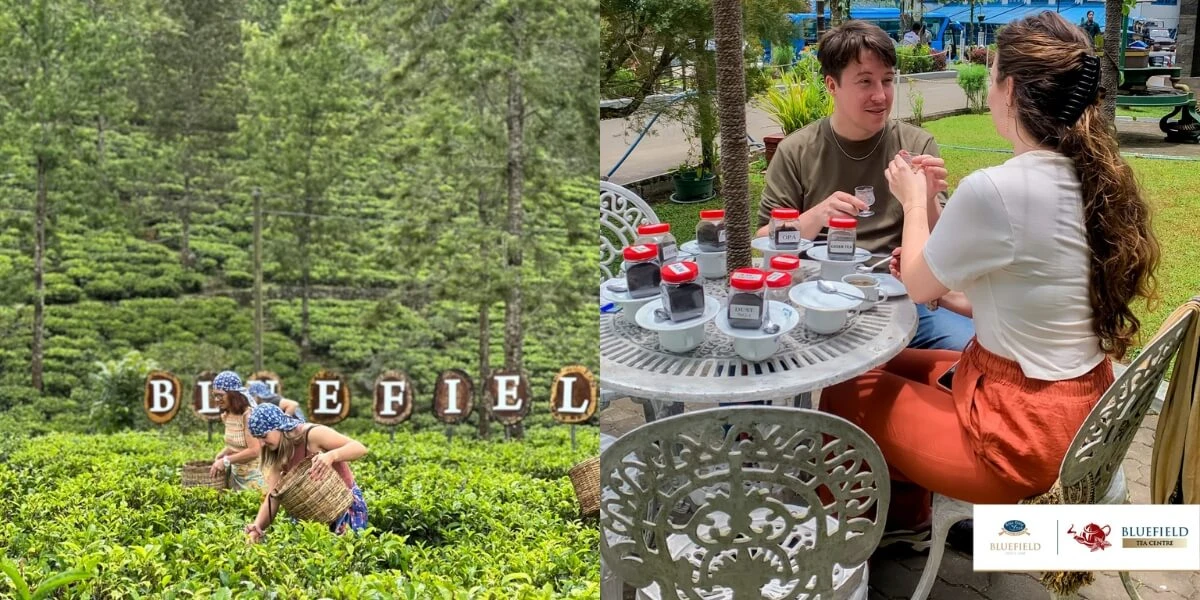
Blue Field Tea Factory — In Ramboda, between Kandy and Nuwara Eliya. Professional tours, good for understanding the production process. The surrounding terraces are photogenic.
Near Haputale
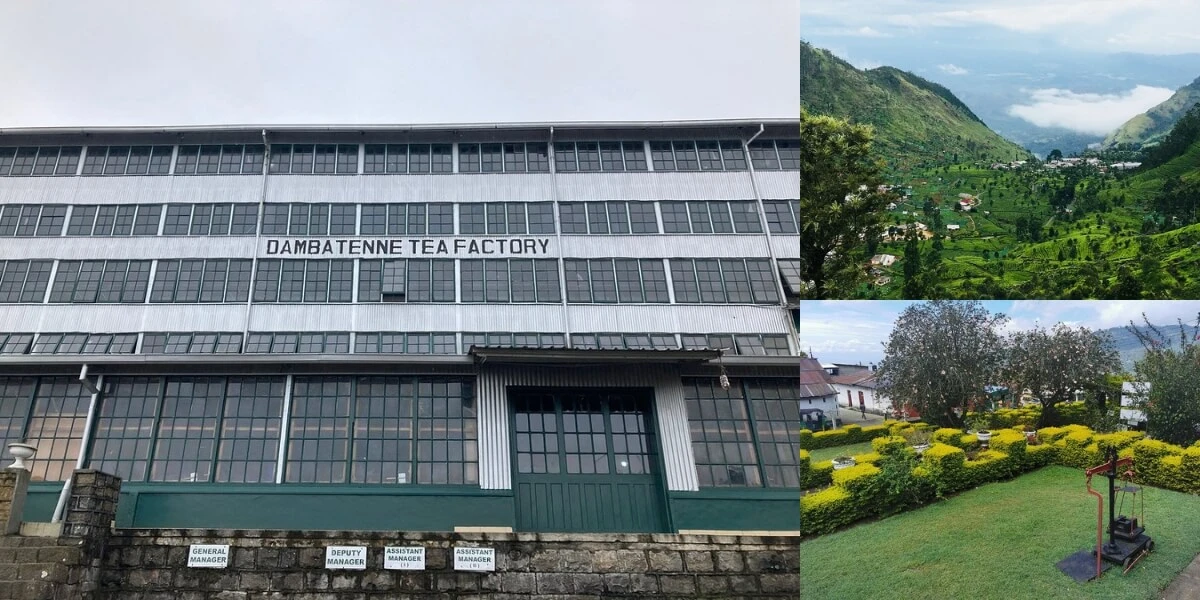
Dambatenne Tea Factory — Thomas Lipton's favourite estate, built in 1890. The machinery is largely original and the factory feels like a working museum. Less polished than the Nuwara Eliya factories, more authentic. No tea for sale on-site (unusual). Combine with a walk to Lipton's Seat — a viewpoint where Lipton reportedly surveyed his empire — for one of the hill country's great half-day excursions.
Near Ella
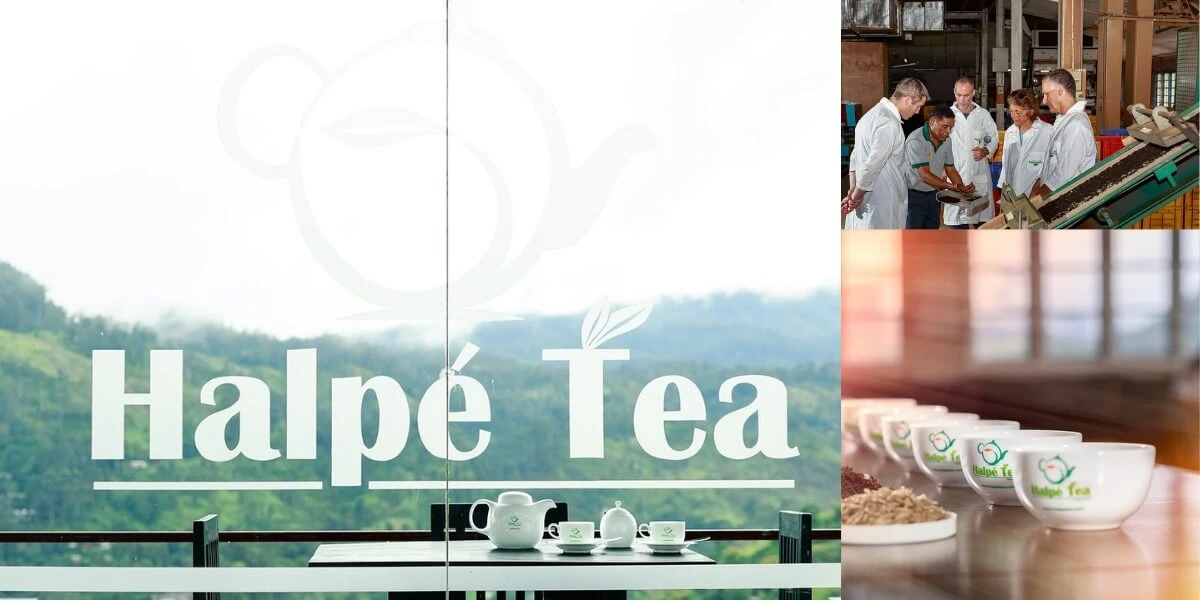
Uva Halpewatte Tea Factory — The most commonly visited factory from Ella. Small, intimate tours (30–45 minutes) with tasting and panoramic valley views. Tuk-tuk from Ella costs $15–20 return. Covered in detail in our Ella guide.
Near Kandy
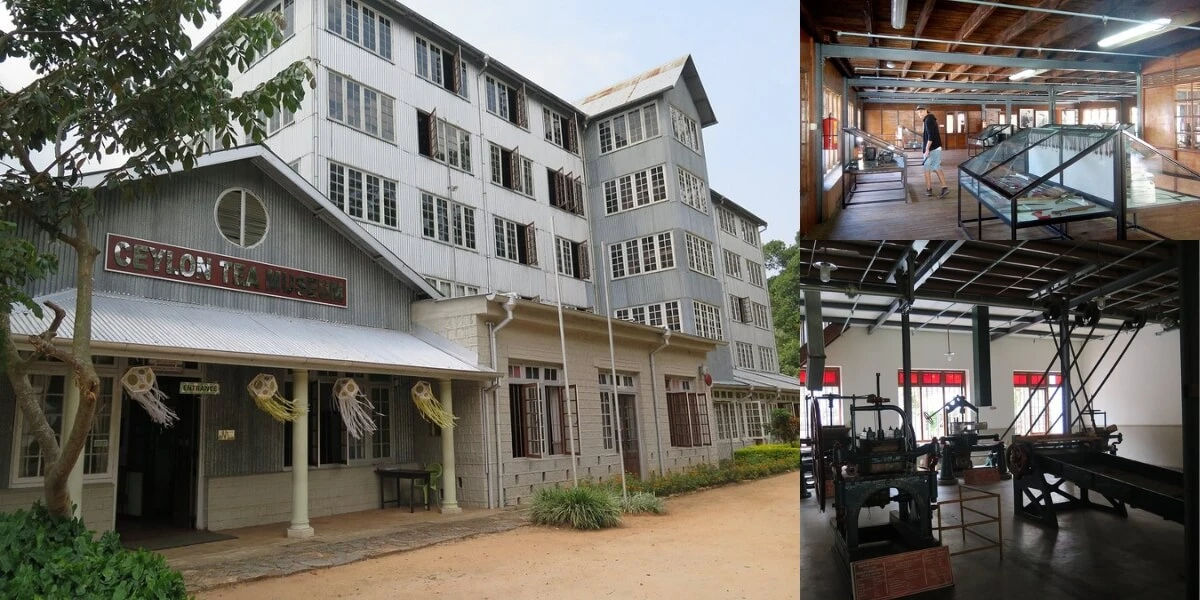
Ceylon Tea Museum — Not a factory but a museum dedicated to the history of the tea industry, housed in a former factory building. Good for context if you haven't yet visited a working factory.
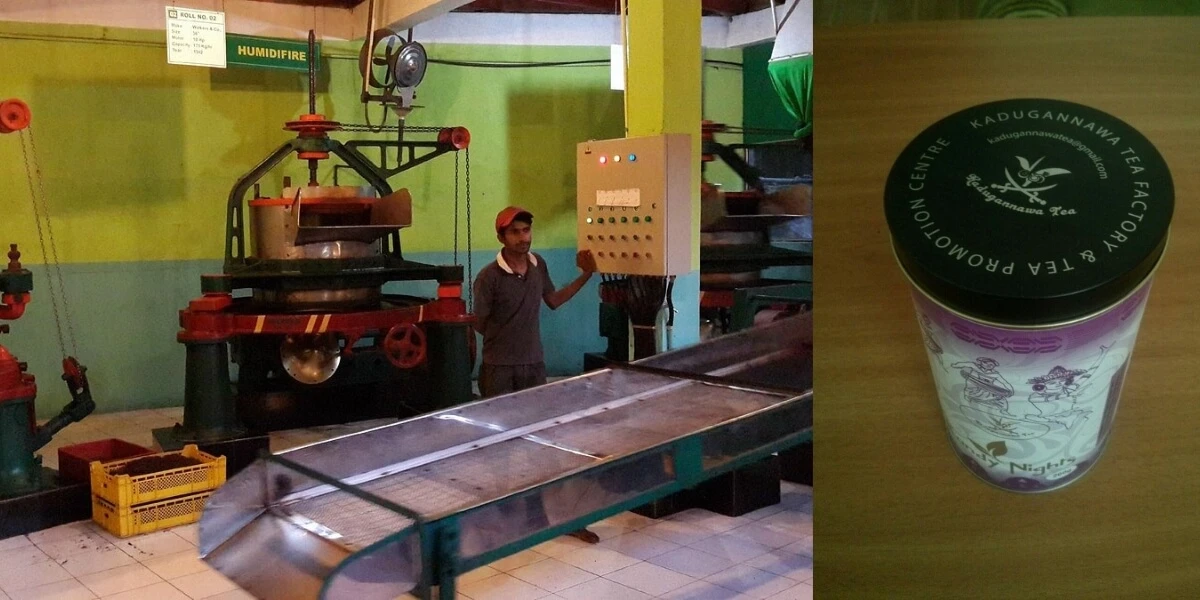
Kadugannawa factory — 20 km west of Kandy. Smaller and less touristed than the Nuwara Eliya options. Detailed English-language tours.
Near Galle (Coastal)
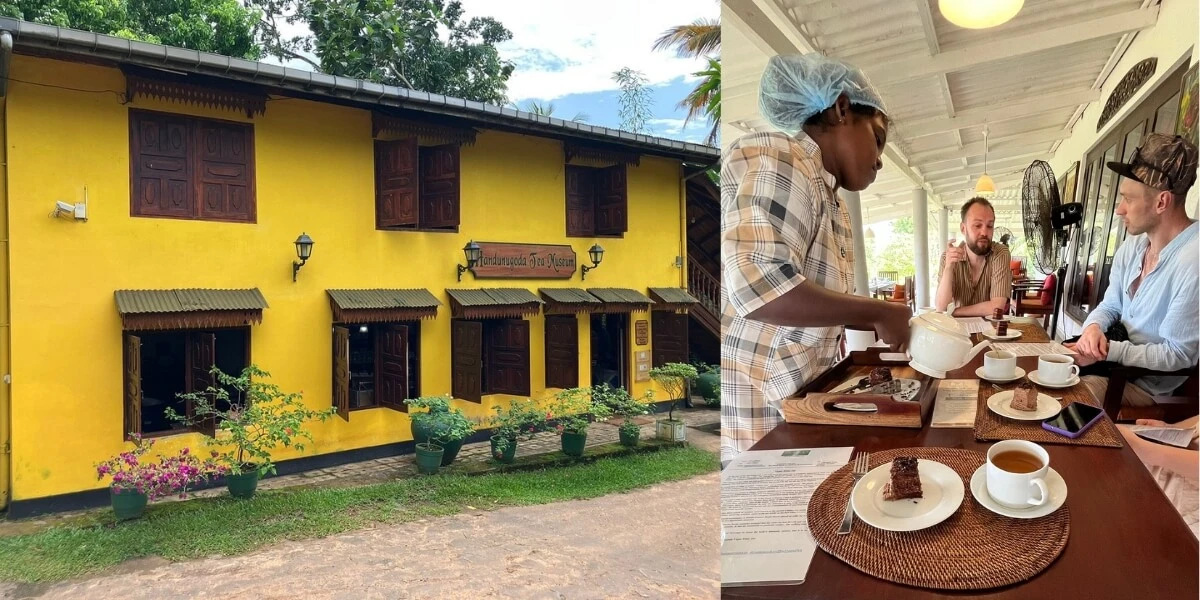
Handunugoda Tea Estate — One of the rare low-elevation estates open to visitors, near Koggala on the south coast. Famous for producing white tea — a rare, minimally processed variety that retails at extraordinary prices (over $1,500/kg for the premium grades). The tour explains why. Call ahead.
What to Expect on a Factory Tour
Duration: 20–45 minutes depending on the factory.
Cost: Free to $10. Many factories offer free tours with the expectation that you'll buy tea at the shop afterwards. Others charge a nominal fee ($3–5) that includes a cup of tea. Halpewatte near Ella charges approximately $3 entry plus $15–20 for the tuk-tuk.
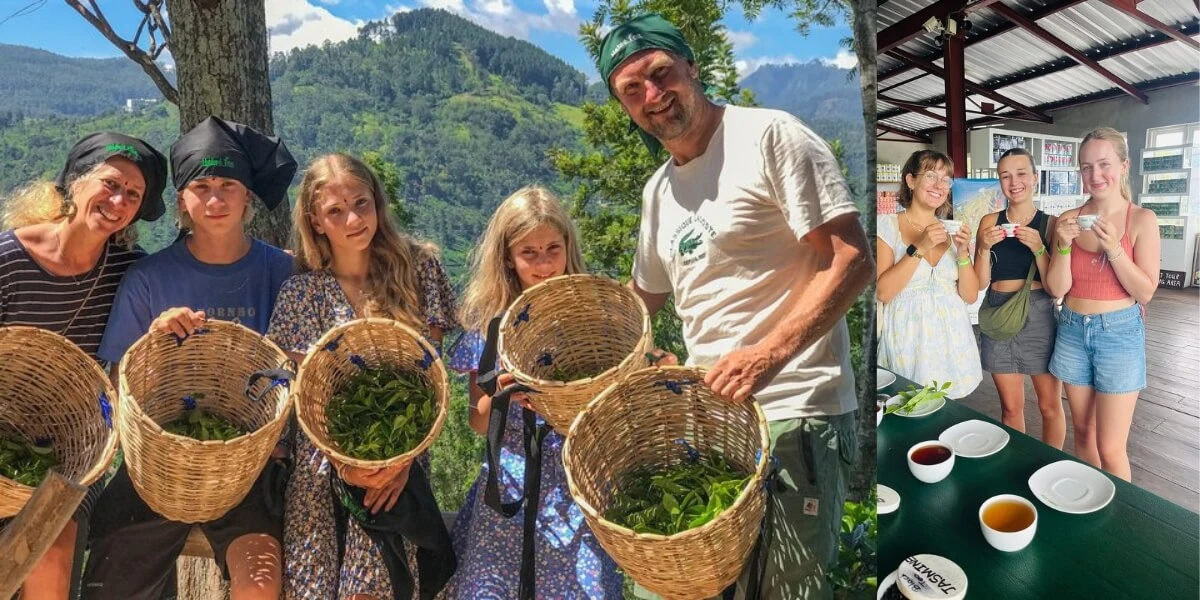
What happens: A guide walks you through the factory floor, following the production process from withering through rolling, oxidation, drying, and grading. Most tours end with a tasting session where you can compare different grades and types. Some factories let you walk the surrounding plantation and watch pluckers at work.
When to go: Weekday mornings are best — the machinery is running and you can see the full production process in action. On Sundays and some afternoons, factories may be closed or running at reduced capacity. Pedro Tea Estate in Nuwara Eliya does most of its processing at night (the lighter teas produced here require specific conditions), so daytime visits show the facility but not always the active production.
What to wear: Comfortable walking shoes (factory floors can be damp), layers (factories at altitude are cool, especially inside), and modest clothing.
Buying Tea: How Not to Get Ripped Off
Tea is one of the best souvenirs you can bring home from Sri Lanka — lightweight, universally appreciated, and genuinely superior to what you'll find at home. The challenge is navigating the enormous range of quality and pricing.
Buy from reputable sources. Factory shops at the estates you visit. Dedicated tea shops in Colombo (Dilmah, Mlesna, and specialty shops in Colombo 3 and 7). Supermarkets for reliable everyday brands at fixed prices.
Avoid tourist-trap spice gardens. Many itineraries include stops at "spice gardens" that sell tea at inflated prices. The quality is inconsistent and the markup is significant. If your driver takes you to one, feel free to look around but buy your tea elsewhere.
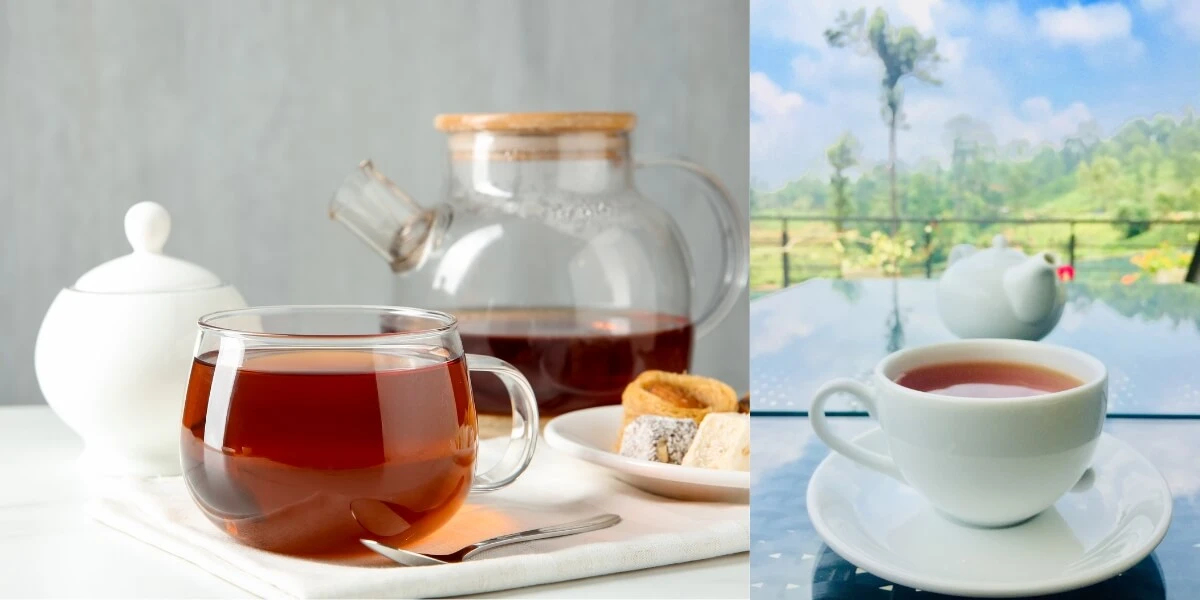
What to buy: A high-grown Nuwara Eliya OP or FBOP for a refined cup. A mid-grown BOP for a strong everyday brew. A single-estate tea (from whichever factory you visit) for a personal connection to a specific place. Silver or gold tips if you want something special — these are made from only the youngest buds and are rare, expensive, and extraordinary.
What to spend: Good quality loose-leaf Ceylon tea costs $5–15 per 100g at factory shops and Colombo tea stores. Supermarket brands (good for everyday drinking and gifts) cost $2–5 for a box. Premium single-estate or specialty teas can cost $20–50+ per 100g. White tea from Handunugoda: extraordinarily expensive but a genuine rarity.
Packing tip: Tea absorbs odours. Double-bag or seal your tea purchases before putting them in your luggage. Loose-leaf tea travels better in sealed foil bags than in decorative boxes (which look nice but let in air).
The Human Story
A tea factory visit is not complete without acknowledging the labour that makes it possible.
Tea plucking in Sri Lanka is done almost entirely by hand, almost entirely by women, almost entirely from the Hill Country Tamil community. These workers are the descendants of labourers brought from India by the British in the 19th century. For generations, they lived and worked on the estates under conditions that attracted significant criticism.
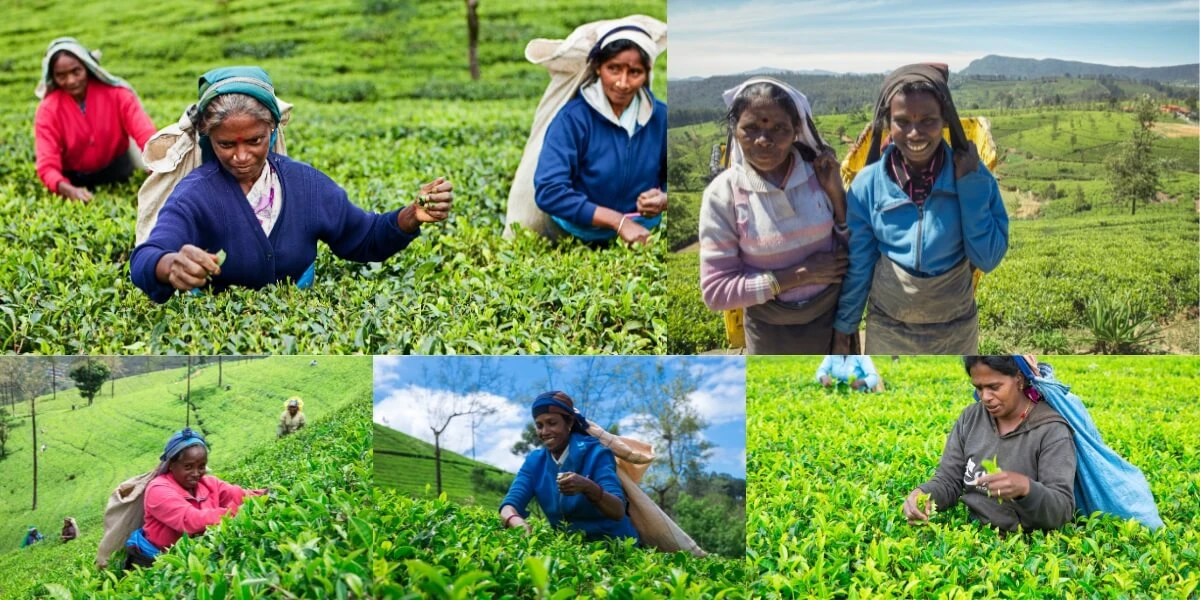
Conditions have improved, but tea plantation labour remains physically demanding and modestly paid by international standards. The women you see plucking tea on the hillsides — often in the background of your train photographs — carry baskets on their backs, work through rain and sun, and are paid based on the weight of leaf they collect.
This is not a reason to avoid visiting. The tea industry employs over a million people, and tourism to estates generates additional revenue and visibility. But it is a reason to visit with awareness, to treat workers with respect if you photograph them (ask first), and to understand that the cup of tea at the end of the tour represents considerably more human effort than its price suggests.
This article is part of our comprehensive Sri Lanka travel series. For the train journey through tea country, see our Kandy to Ella train guide. For the hill country's most popular town, see our Ella guide. For Kandy and the Ceylon Tea Museum, see our Kandy guide. For route planning, see our Sri Lanka 10/14-day itinerary.
Key Takeaways for Quick Reference:
History: James Taylor planted the first tea in 1867 near Kandy. Coffee blight created the tea industry. Thomas Lipton built a global brand from Ceylon.
How it's made: Pluck → Wither → Roll → Oxidise → Dry → Grade. Five steps, one cup.
Elevation matters: High-grown (above 1,200m) = light, delicate, premium. Low-grown (below 600m) = strong, dark, robust.
Best factories to visit: Pedro (Nuwara Eliya, historic), Dambatenne (Haputale, authentic), Halpewatte (Ella, scenic), Handunugoda (Galle, white tea).
Tour cost: Free to $10. Duration 20–45 minutes. Go on weekday mornings for full production.
Tea grades: OP (whole leaf, best), BOP (broken, good everyday), Dust (tea bags). "Orange Pekoe" is a grade, not a flavour.
Where to buy: Factory shops, Colombo tea stores (Dilmah, Mlesna), supermarkets. Avoid overpriced spice gardens.
What to spend: $5–15 per 100g for good loose-leaf at source. Premium: $20–50+.
Buying tip: High-grown Nuwara Eliya OP for refined drinking. Mid-grown BOP for strong everyday tea. Silver tips for a special gift.
Packing tip: Double-bag tea — it absorbs odours in luggage.
The human story: Hand-plucked by Tamil women. Physically demanding work. Photograph respectfully, ask first.