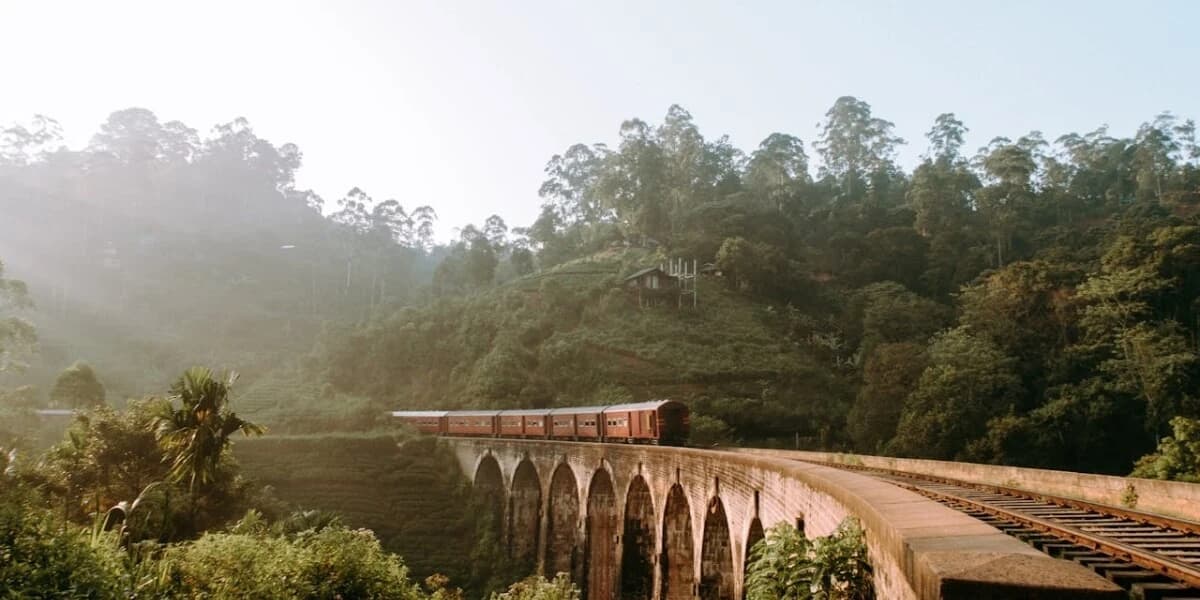
Why This Train Ride Keeps Breaking the Internet
There is a stretch of railway in central Sri Lanka — just 160 kilometres of colonial-era track — that has done more for the country's tourism than any advertising campaign ever could.
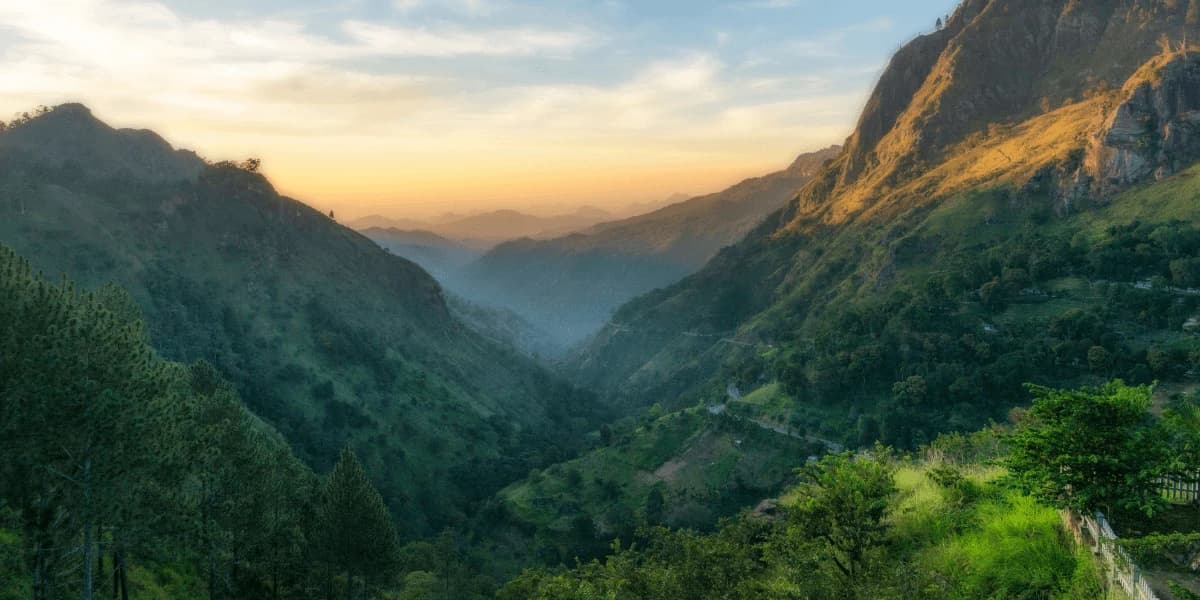
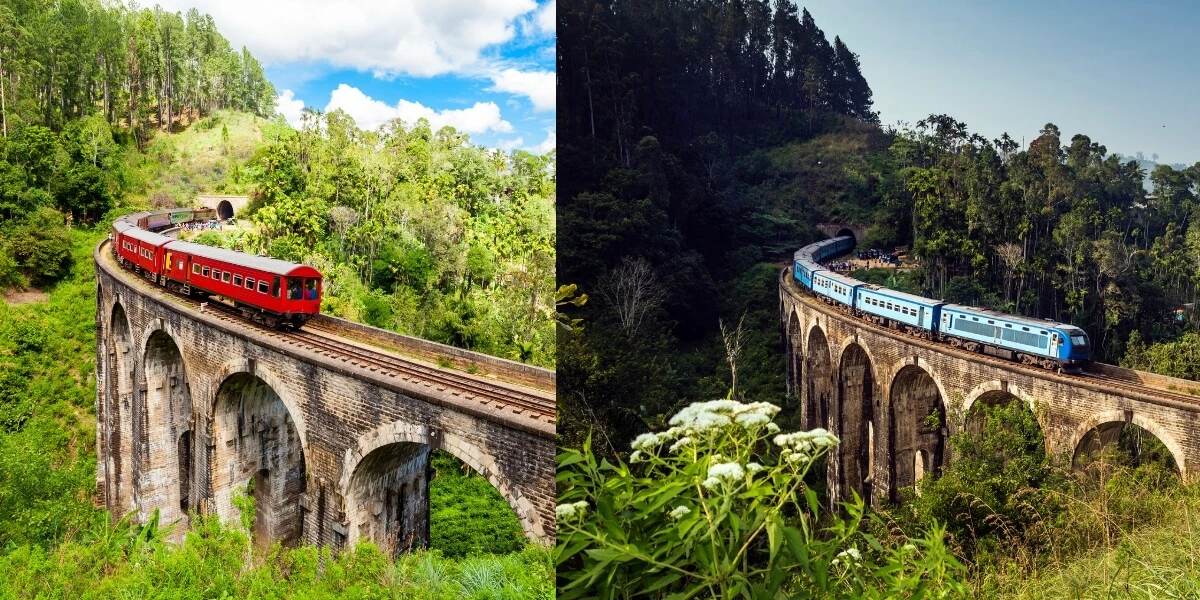
The Kandy to Ella train winds through tea plantations so green they look computer-generated. It crosses the Nine Arches Bridge, a structure so elegant it seems to defy both gravity and the 1920s engineering that built it. It rises to 6,225 feet at Pattipola, where clouds chase the carriages through tunnels cut into mountainsides over a century ago.
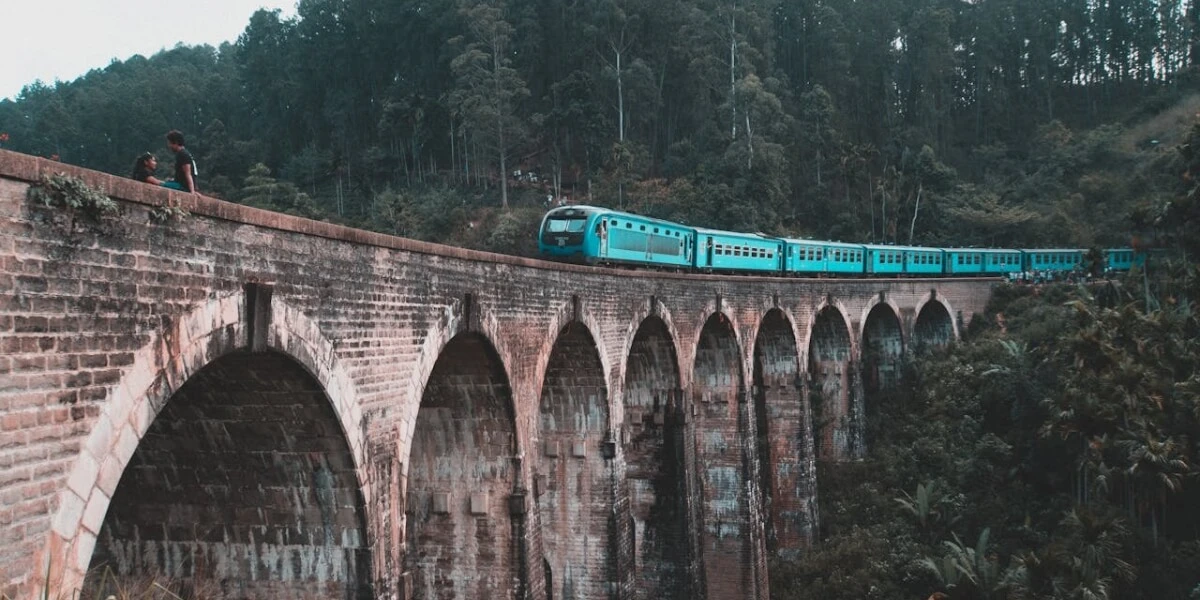
Every year, more than two million tourists visit Sri Lanka. An overwhelming number of them have this train ride circled on their itinerary before they've even booked a flight. Booking.com named Sigiriya the world's most welcoming city for 2025. Condé Nast ranked Sri Lanka's cuisine seventh globally. But it's this rattling blue train, with its open doors and hanging passengers and spectacular indifference to timetables, that has become the island's signature experience.
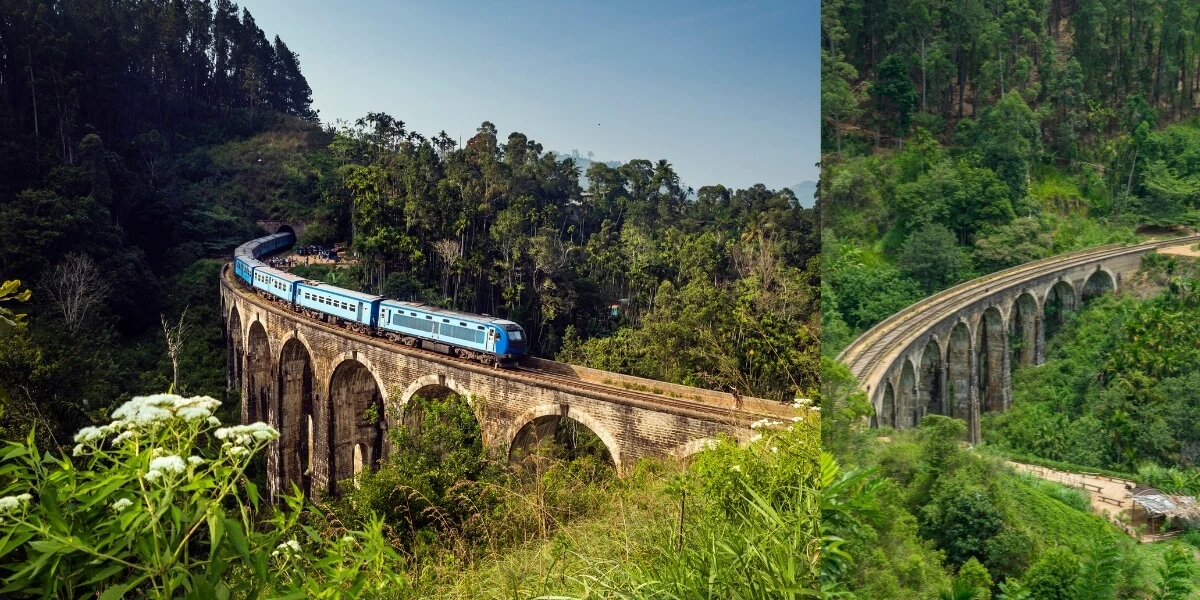
The problem? Almost every traveller who does it wrong has the same complaint: they stood for seven hours, crammed body-to-body, and saw nothing but the back of someone's head.
This guide exists to make sure that doesn't happen to you.
What You're Actually Getting Into
Let's start with honesty, because the Instagram photos tell you everything except the truth.
The Kandy to Ella train is part of Sri Lanka's Main Line — a route that runs from Colombo Fort station through the hill country to Badulla. The British laid these tracks in the 1860s to haul tea and coffee from the highlands to the capital's ports. Passengers eventually overtook freight as the primary revenue source in the 1960s, and today the line carries one of the most diverse crowds you'll find anywhere: tea pickers heading home, monks in saffron robes, backpackers clutching cameras, and families carrying enough food to feed the carriage.
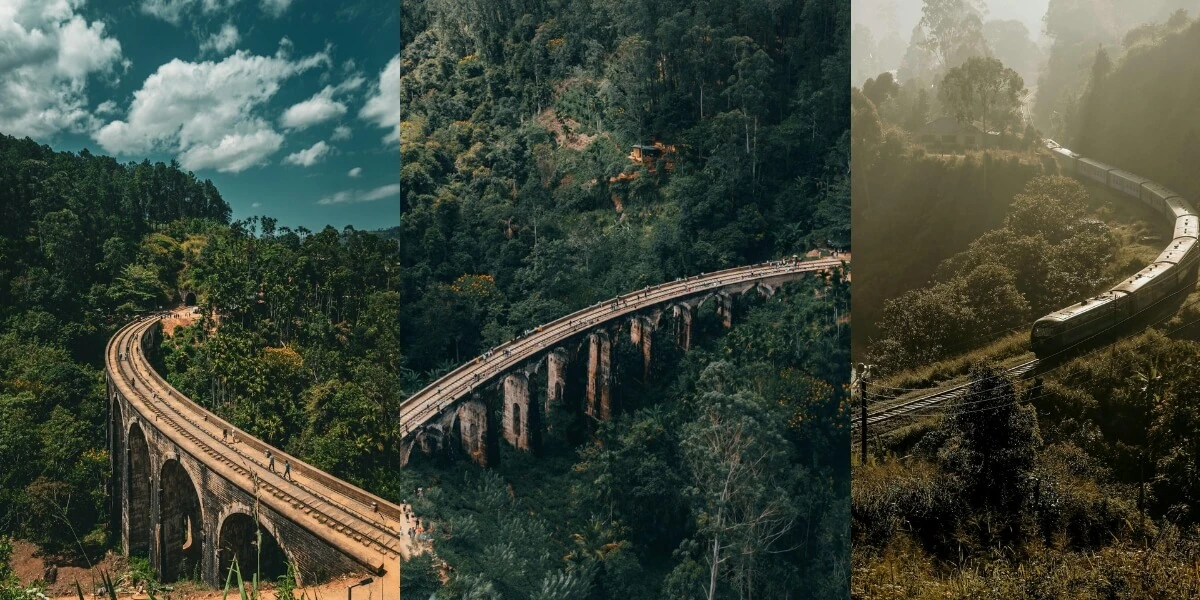
The section between Kandy and Ella — roughly seven hours on a good day — is the stretch that has turned this commuter line into a global bucket-list experience.
Here's what the journey actually involves:
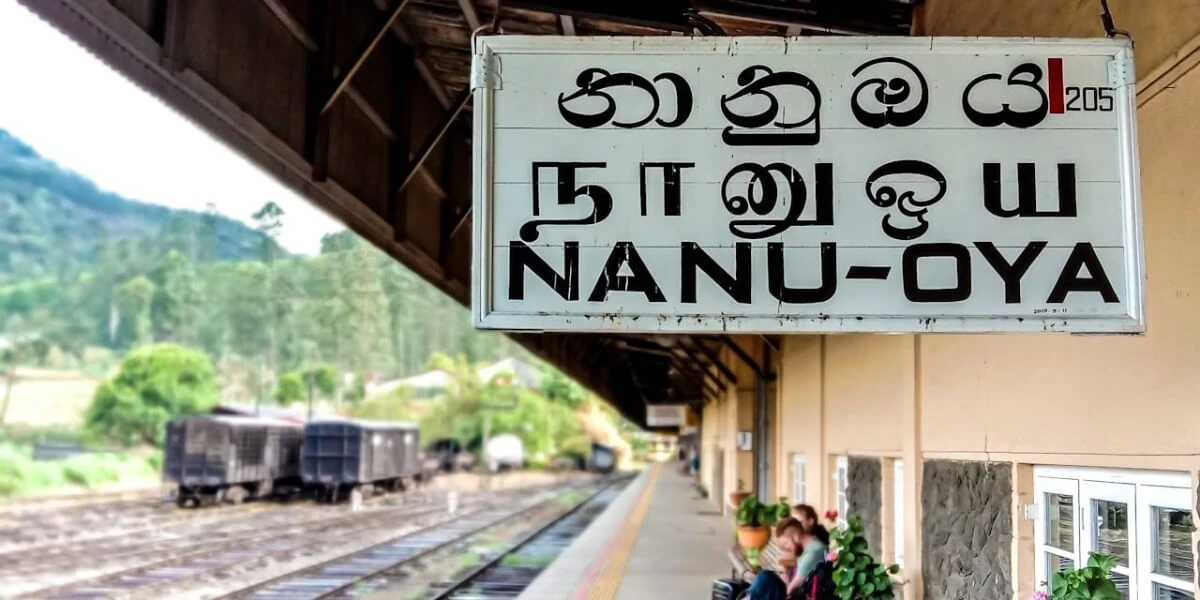
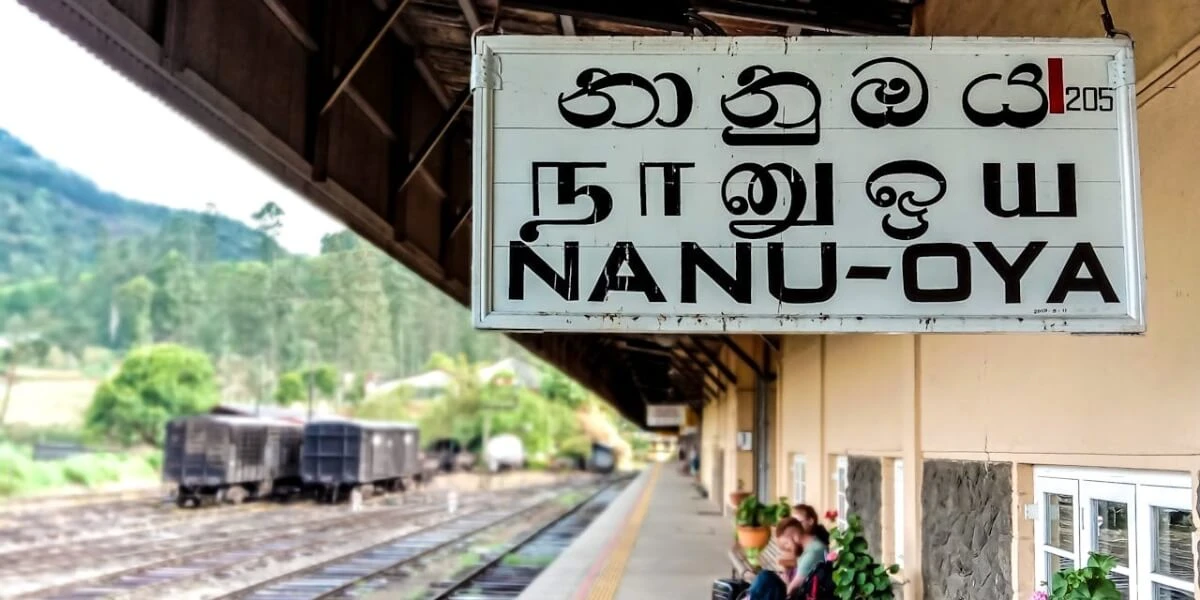
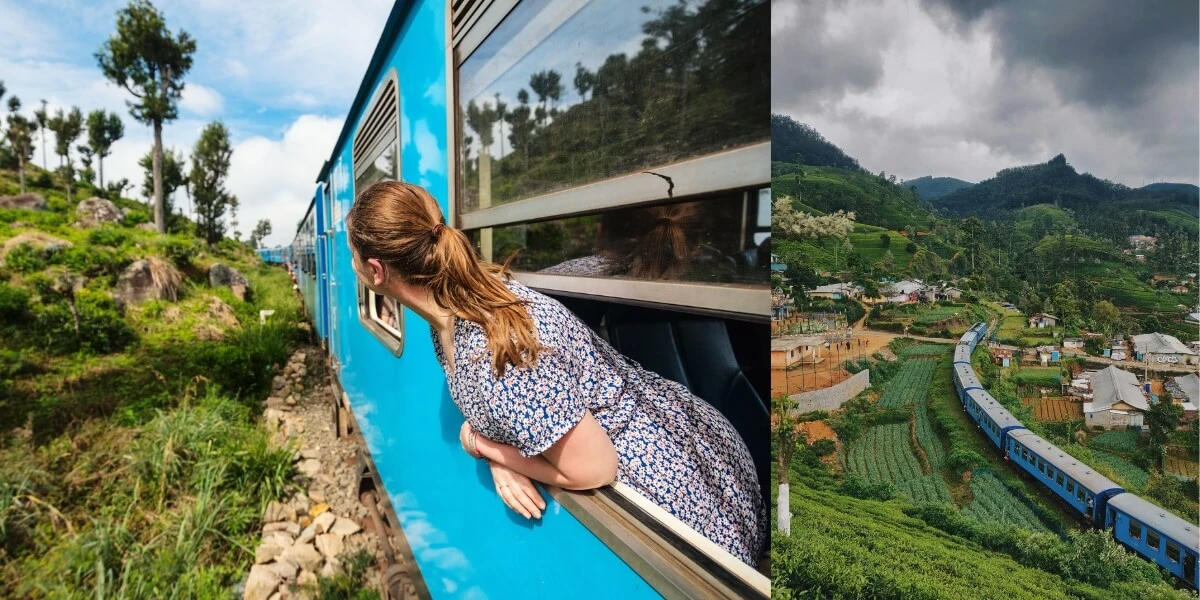
The train departs Kandy, winds through lowland jungle, then begins climbing. Around Nanu Oya (the stop for Nuwara Eliya), the landscape shifts dramatically. Tea plantations stretch across every visible hillside. Waterfalls appear between tunnels. The temperature drops. Somewhere past Haputale, you'll notice pickers moving through the fields with woven baskets on their backs, and if you're anywhere near a door, you'll feel the mist on your face like something from a film that doesn't exist yet.
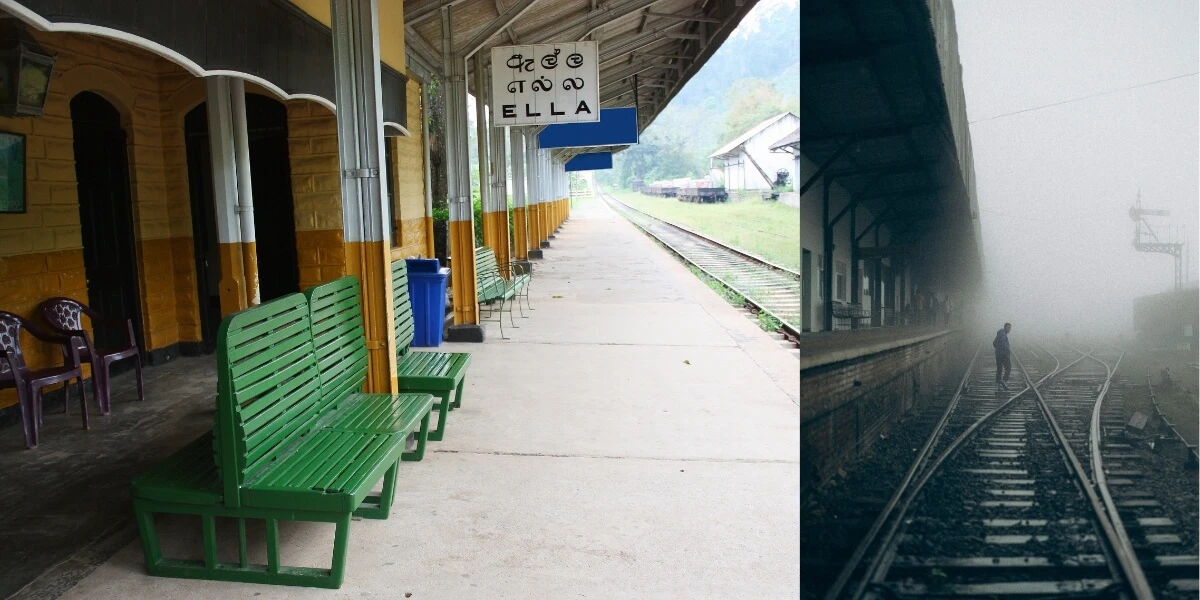
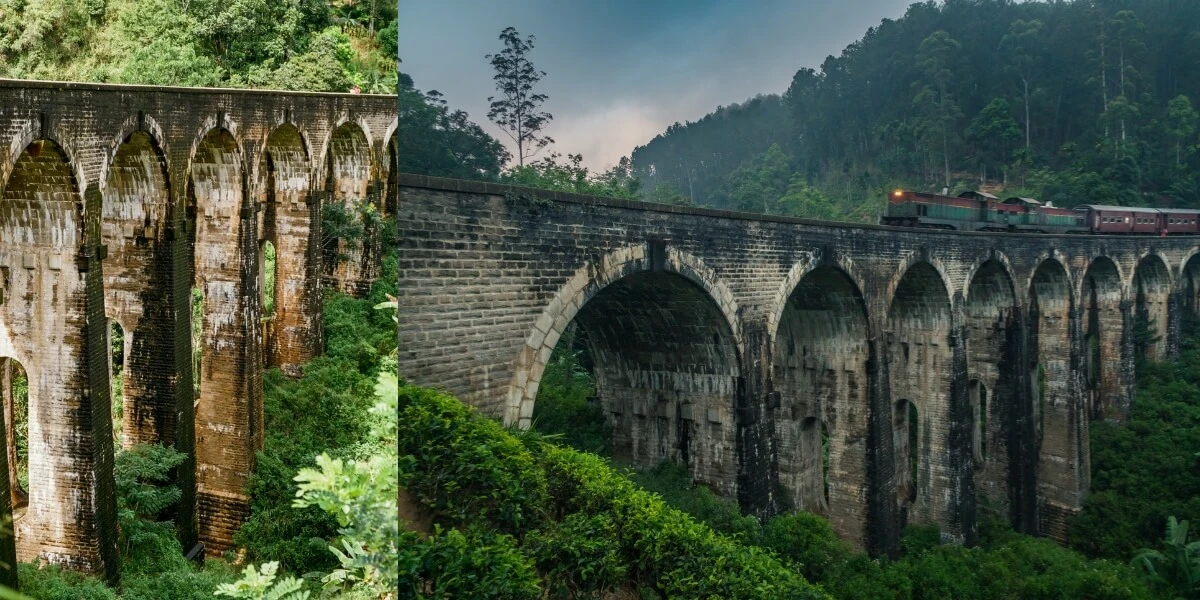
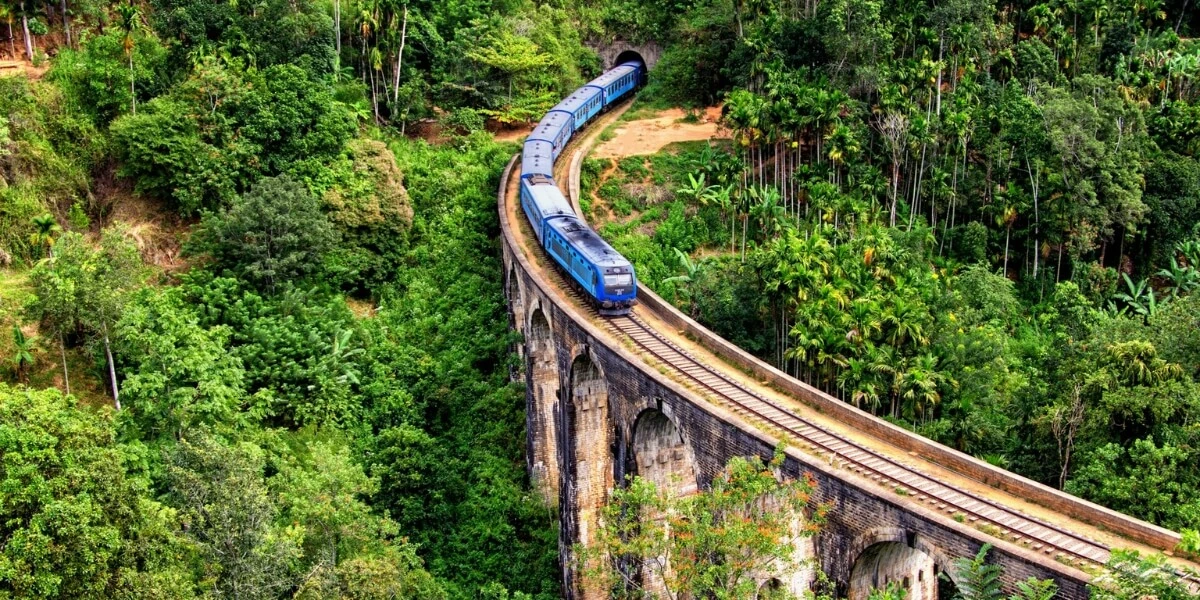
The train crosses the Nine Arches Bridge between Demodara and Ella — the single most photographed railway structure in South Asia. Then it descends into Ella, a tiny hill town with a disproportionate number of good restaurants and an atmosphere that convinces most travellers to stay longer than planned.
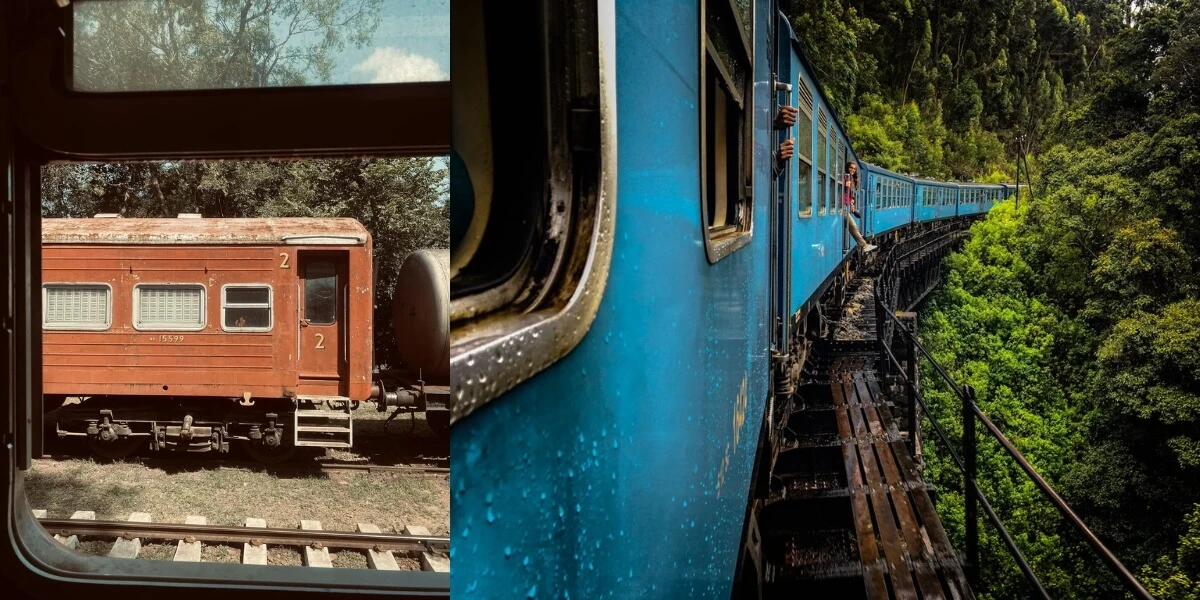
It is not a luxury experience. The seats are functional. The toilets are basic. The train will almost certainly be late. None of this matters once the views start, which is about twenty minutes into the journey and doesn't stop until you arrive.
Important: The Cyclone Ditwah Update (February 2026)
Before you plan anything, you need to know this.
Cyclone Ditwah caused significant damage to several sections of the Kandy–Ella railway line in late 2025. As of early 2026, the full route between Kandy and Ella remains suspended while repair and reconstruction work continues.
What's currently running: Two daily train services operate between Ambewela and Badulla via Ella. The iconic blue carriages are still in service on this shortened route.
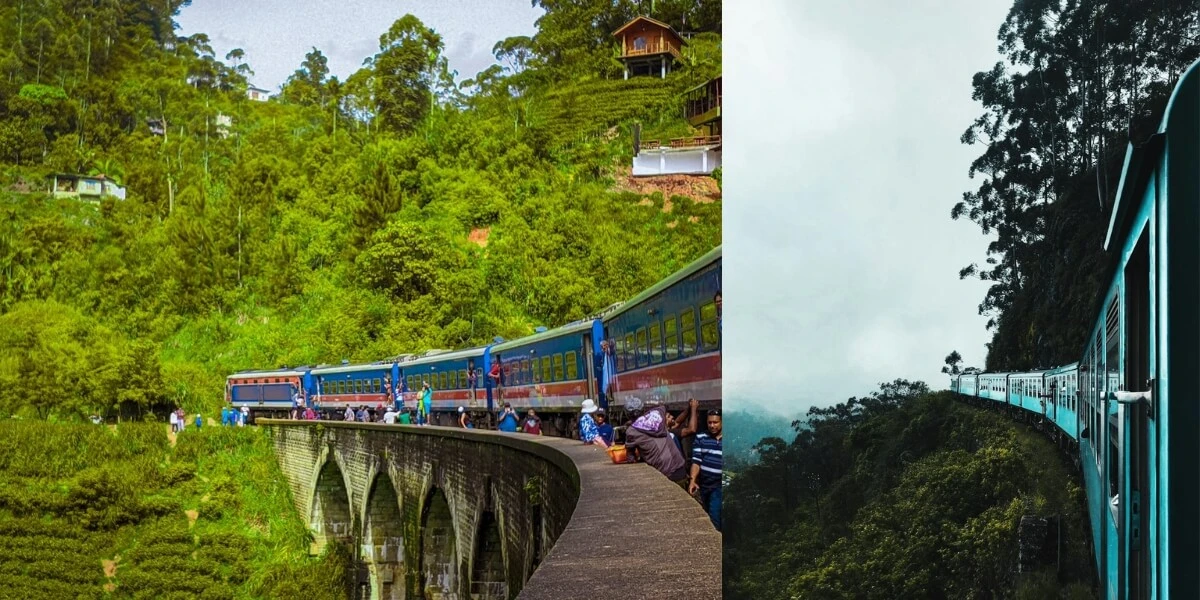
What this means for you: The scenic journey has been reduced from approximately three hours (Nanu Oya to Ella) to roughly two and a half hours (Ambewela to Ella). You still get tea plantations, mountain views, and the experience of riding Sri Lanka's hill country trains — just a shorter version.
What to do: Check the official Sri Lanka Railways website or contact your accommodation 48 hours before travel to confirm schedules. Full restoration is expected to take several months, and timelines may shift.
The practical advice in this guide remains relevant for when the full line reopens, which railway authorities expect within 2026. The booking process, class recommendations, and strategic tips all still apply.
The Three Classes, Explained Without Nonsense
Every Kandy to Ella train guide will tell you about the classes. Most of them make it more confusing than it needs to be. Here's the reality.
First Class (Air-Conditioned, Reserved)
Price: Around LKR 3,000–5,000 (roughly $10–17 USD)
This is the comfortable option. Assigned seats, air conditioning, cleaner toilets, and the quietest carriage on the train. The catch — and it's a significant one — is that the windows are sealed shut. You cannot open them. You cannot hang out the door. The views are still extraordinary, but you're watching them through glass, and in certain light, the reflections make photography difficult.
First class suits travellers who prioritise comfort over that wind-in-your-hair, door-hanging experience. If you're travelling with elderly relatives, small children, or simply value a guaranteed seat in a quiet environment, this is the right choice.
Second Class (Reserved and Unreserved)
Price: Around LKR 600 reserved / LKR 300 unreserved (roughly $2–5 USD)
This is where most informed travellers end up, and for good reason. Second class reserved gives you an assigned seat with windows that open. You can photograph freely, feel the mountain air, and — when the mood strikes — make your way to the open vestibule between carriages for those iconic leaning-out-the-door shots.
Second class unreserved is the same carriage, same experience, but without a guaranteed seat. On a quiet day in low season, this works fine. On a busy weekend in December, this is how you end up standing for seven hours.
The recommendation: Book second class reserved. It is the sweet spot between cost, experience, and comfort.
Third Class (Reserved and Unreserved)
Price: Around LKR 300 reserved / LKR 150 unreserved
The most local, the most chaotic, and — for a certain type of traveller — the most authentic. Third class reserved gives you a seat at a remarkably low fare. Third class unreserved is effectively unlimited; tickets are sold until the train departs, which is why these carriages can get extremely crowded.
The windows open. The doors open. The atmosphere is electric. If you're a confident traveller who doesn't mind physical proximity with strangers and wants the full Sri Lankan railway experience, third class reserved is a genuinely wonderful option.
How to Actually Book Tickets (The Part Everyone Gets Wrong)
This is where most Sri Lanka train guides become a maze of conflicting advice. Let's cut through it.
The Official Route
Sri Lanka Railways opens reservations exactly 30 days before the departure date. If your train leaves at 9:00 AM on March 15th, tickets go on sale at approximately 9:00 AM on February 13th.
You can book through:
The official online portal: seatreservation.railway.gov.lk — The cheapest option by far. The interface is functional rather than beautiful. Payment can be fussy. Tickets for the Kandy to Ella route sell out within minutes, sometimes seconds. This is not an exaggeration. Third-party agents and insiders snap up large allocations, leaving individual travellers frustrated.
The station counter: Visit Kandy railway station (or any station on the line) during business hours. You can buy reserved tickets up to 30 days in advance. The prices are face value. The process is straightforward. The only downside is that popular dates may already be gone.
The Third-Party Route
Platforms like 12Go and Bookaway sell Kandy to Ella train tickets at marked-up prices. The convenience is genuine — you pay online, select your class, and your tickets are either emailed or delivered to your hotel. The markup is also genuine. What costs LKR 600 at the station may cost $15–25 USD through a third party.
Whether that premium is worth it depends on your circumstances. If you're planning months ahead and your entire itinerary hinges on a specific date, the guarantee of a reserved seat may justify the cost. If you're flexible and willing to visit the station, save your money.
The Fallback Strategy That Actually Works
Here's the insider move that experienced Sri Lanka travellers use: catch the train from Peradeniya Junction instead of Kandy.
Peradeniya is one stop before Kandy on the line from Colombo. The train arrives there partially empty, picks up passengers, then continues to Kandy where a massive crowd boards. If you get on at Peradeniya, you board a quieter train and have a far better chance of grabbing unreserved seats.
Getting to Peradeniya from Kandy takes about 30 minutes by local bus (around LKR 20). Give yourself an hour to account for the unpredictability of Sri Lankan public transport.
The same logic works in reverse: if you're heading from Ella to Kandy, board at Demodara (one stop before Ella) where the train is emptier.
Which Side of the Train Should You Sit On?
This question dominates hostel conversations across Sri Lanka, and the answer is more nuanced than most guides suggest.
Kandy to Nanu Oya: The right side offers the best views. You'll see the deepening valleys, the first tea plantations, and the dramatic drops as the train climbs.
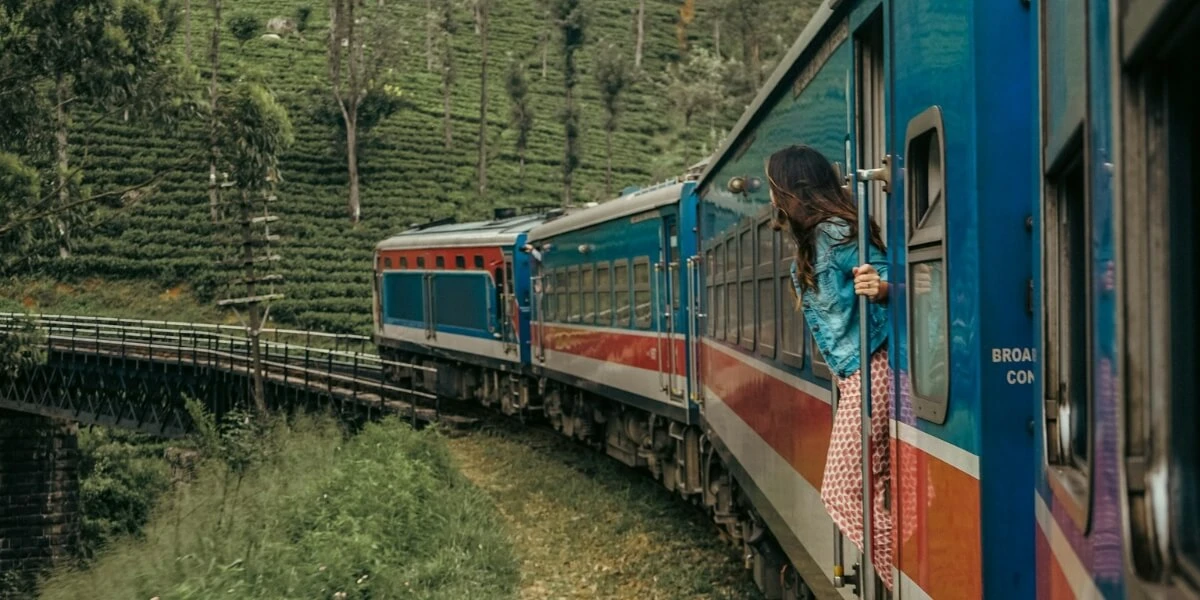
Nanu Oya to Ella: The left side takes over. The landscape opens up, and the most dramatic mountain panoramas and tea-field vistas are on this side.
The practical reality: Many passengers disembark at Nanu Oya (for Nuwara Eliya), so if you started on the right, you can often switch to the left when seats free up. And frankly, both sides are spectacular. The Nine Arches Bridge can be seen from the right side of the train, but the view is fleeting.
The real advice: Don't stress about sides. The open doors at the end of each carriage give you 360-degree views whenever you want them. Spend some time in your seat, some time at the door, and you'll see everything.
The Best Time to Ride
Season
December through March delivers the most reliable weather in the hill country: warm days, clear skies, minimal mist. This is also peak tourist season, which means more crowded trains and harder-to-get tickets.
June through August offers excellent weather in Ella specifically. The trains are quieter. Hotels are cheaper. The tea plantations are impossibly lush from recent rains. If you can tolerate occasional mist (which, honestly, adds to the atmosphere), this period is arguably the best time to ride.
April to May and September to November are the inter-monsoon periods. Rain is possible. Views may be obscured. But tickets are easier to get, and the landscape takes on a dramatic, moody quality that photographs beautifully.
Time of Day
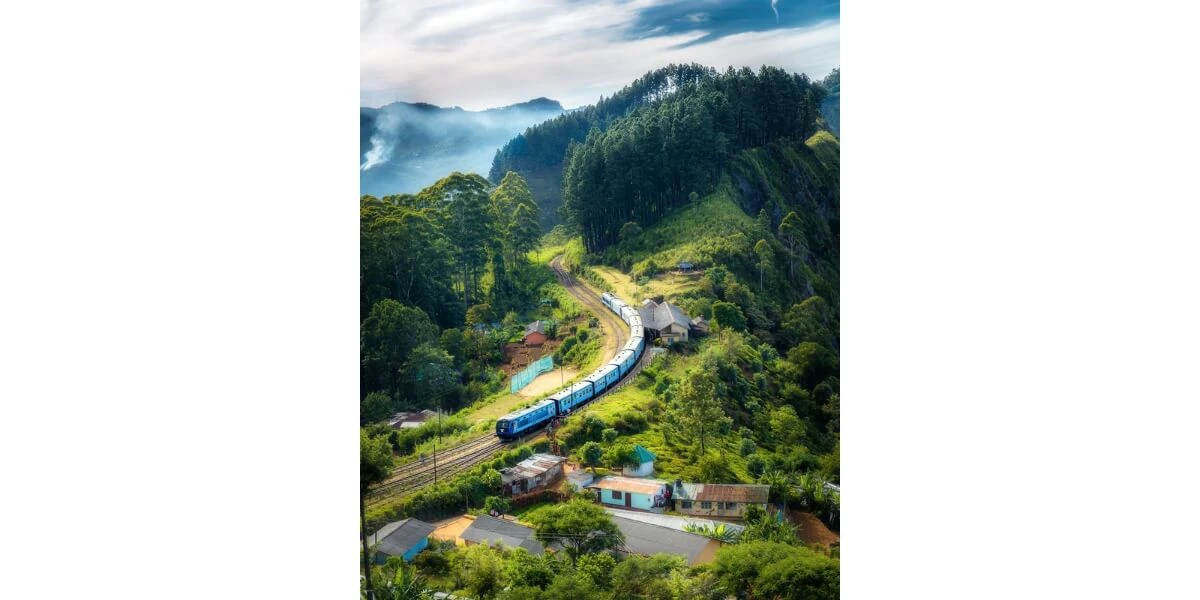
Take the earliest express train you can get. From Kandy, this typically departs around 8:45–9:00 AM. This ensures you arrive in Ella with daylight to spare, and you get morning light on the tea plantations — softer, warmer, and far more photogenic than afternoon haze.
The later 11:10 AM departure works, but you risk arriving in Ella after dark, especially if the train runs late (which it often does, sometimes by an hour or more).
What to Bring (and What to Leave Behind)
Bring:
A light sweater or hoodie. The highlands are genuinely cool, especially when you're leaning out an open door at 6,000 feet. This may be the only time in Sri Lanka you're glad to have long sleeves.
Snacks and water. The train has vendors who walk through selling warm peanuts with salt and chili (around LKR 200 — buy them, they're excellent), plus short eats and tea. But the supply is inconsistent, and seven hours is a long time without provisions.
A portable battery. You will take more photographs than you expect. Your phone will die if you don't plan ahead.
Cash in small denominations. For vendors, for tuk-tuks on arrival, and because Ella's ATMs are unreliable when busy.
Leave behind:
Large suitcases. Space is limited, even in reserved carriages. A backpack or soft bag that fits on your lap or in the overhead rack is ideal.
Tight schedules. Do not book anything time-sensitive for your arrival in Ella. The train may be 30 minutes late. It may be two hours late. Build in a buffer. This is Sri Lanka — time is a suggestion, not a contract.
Key Stops Along the Route
You don't have to ride the full Kandy to Ella stretch in one go. Several stops along the route are worth considering as overnight breaks.
Nanu Oya (for Nuwara Eliya): About halfway through the journey. Nuwara Eliya is a colonial-era hill station known as "Little England" for its temperate climate and British-era architecture. The tea estates here are among the most accessible for tours. Breaking the journey here turns one long day into two comfortable ones.
Haputale: A small town perched on a ridge with views that stretch to the southern coast on clear days. Far quieter than Ella, with excellent hiking and some of the region's best tea factory tours (Lipton's Seat is a short tuk-tuk ride away).
Pattipola: The highest railway station in Sri Lanka at 6,225 feet. There's not much here besides the altitude and the distinction, but if you're heading to Horton Plains National Park, this is your stop.
What to Do When You Arrive in Ella
Ella has a way of making people stay longer than intended. The town itself is small — you can walk from one end to the other in twenty minutes — but the surrounding countryside is dense with things to do.
Nine Arches Bridge: A 20-minute walk from central Ella. The bridge is best seen in the morning when trains cross it around 9:00–9:30 AM (check locally, as times shift). The structure was built in 1921 using stone, brick, and cement — no steel — and the setting among the tea bushes and jungle is genuinely extraordinary.
Little Adam's Peak: A short, accessible hike with panoramic views of Ella Gap and the surrounding mountains. Not to be confused with Adam's Peak (Sri Pada), which is a serious pilgrimage hike in a different part of the country.
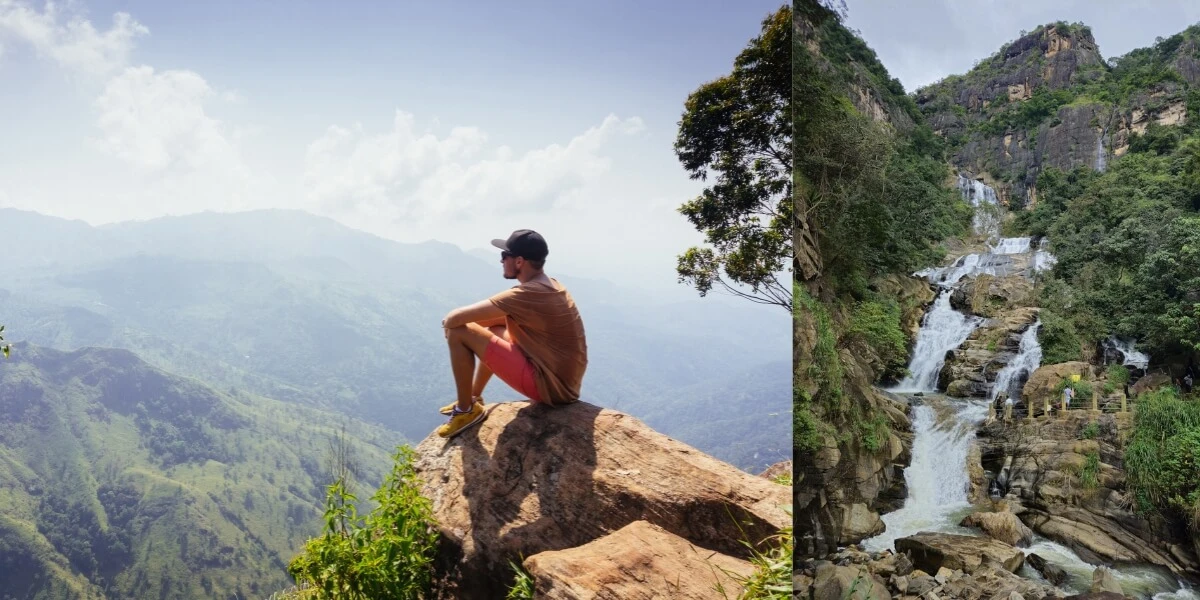
Ella Rock: A more challenging half-day hike with one of the best viewpoints in the entire hill country. The trail is not always well-marked, so consider hiring a local guide.
Ravana Falls: A 25-metre waterfall just outside town, visible from the road. It's at its most impressive during and just after the rainy season.
Cooking classes: Several local hosts offer Sri Lankan cooking lessons. You'll learn to make hoppers, dhal curry, and sambol from scratch. It's one of the best ways to understand the country's food culture, and you'll eat better for the rest of your trip as a result.
Budget Breakdown: What This Actually Costs
Here's an honest cost summary for the Kandy to Ella train experience in 2026 (converted at approximate rates):
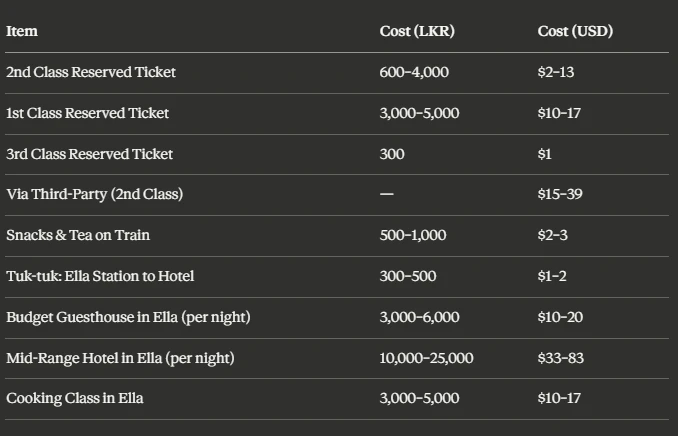
At the budget end, the entire experience — train ticket, snacks, accommodation in Ella, and a cooking class — can be done for under $25. There are few places in the world where a day this memorable costs so little.
Frequently Asked Questions
Is the Kandy to Ella train safe?
Yes. The train has been running this route for over a century. The carriages are old but maintained. The biggest safety concern is leaning out of open doors, which every traveller does and which carries obvious risk. Use the grab bars. Grip firmly. Don't hang your entire body out while the train is moving, regardless of what you've seen on Instagram.
Can I bring luggage?
Yes, but space is limited. A backpack or small duffel is ideal. Large rigid suitcases will be difficult to manage, especially in third class. Some travellers send their large bags ahead to Ella by private driver and ride the train with a daypack.
Is the Ella Odyssey Train different?
The Ella Odyssey is a special service that runs from Colombo to Badulla via Kandy and Ella, stopping at scenic photo locations along the route. It uses the same blue carriages but offers a more tourist-oriented experience with deliberate photo stops. Ticket prices are higher (around LKR 4,000–5,000 for second class). Check availability, as this service runs on select days only.
What if I can't get tickets?
Third class unreserved tickets are effectively unlimited — they're sold up until the train departs. You may not get a seat, but you will get on the train. Alternatively, use the Peradeniya strategy described earlier, or consider the Ella to Kandy direction, which is typically less crowded.
How far in advance should I book?
In peak season (December–March): 3–4 weeks minimum for second class reserved. In shoulder season: 1–2 weeks is usually sufficient. For the Ella Odyssey: as early as the 30-day window opens.
Is it worth doing Ella to Kandy instead?
Absolutely. The views are identical — you're on the same track. The Ella end of the line is quieter, meaning easier boarding and better chances of unreserved seats. Many experienced travellers recommend this direction specifically because of the crowd advantage.
The Thing Nobody Tells You
The Kandy to Ella train is not the most comfortable seven hours of your life. It is not punctual. It is not climate-controlled (unless you're in first class, and then you lose the open-air experience). The bathrooms will test your commitment to the journey. There will be moments when you're pressed against strangers in a swaying carriage and wondering why you didn't just hire a driver.
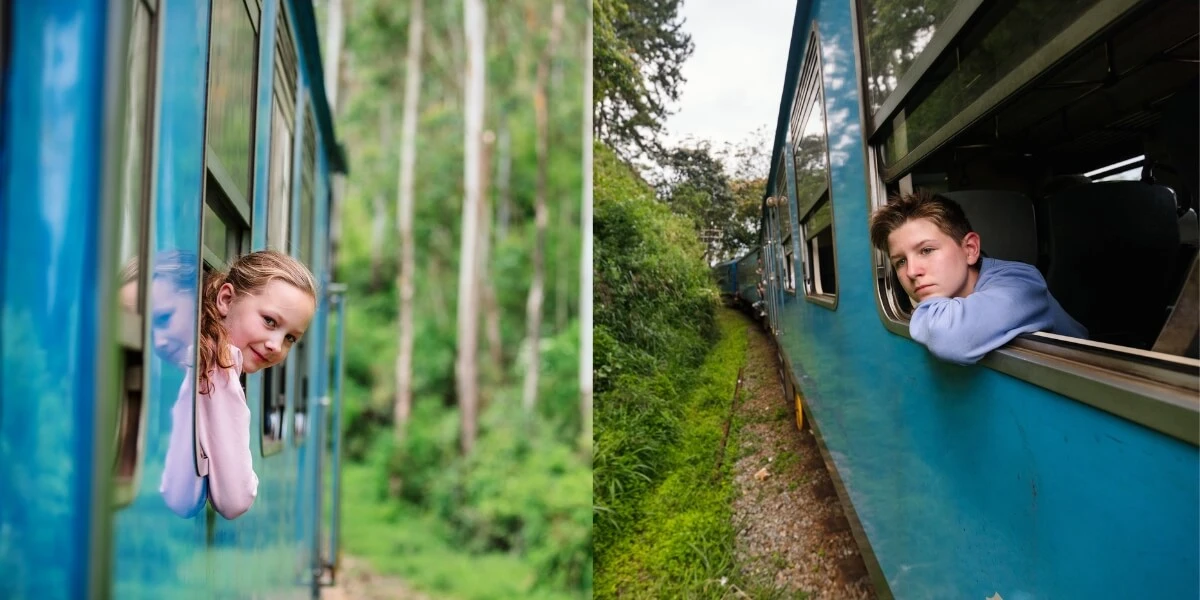
And then the train rounds a bend, and a valley opens up below you — a valley so perfectly green, so unreasonably beautiful, that every person in the carriage falls silent at the same time. You'll hear the click of tea pickers' shears carried up on the wind. You'll smell eucalyptus and diesel and something floral you can't identify. The mist will part, briefly, and you'll see a waterfall nobody bothered to name.
That is the moment you understand why this train ride ends up on every list, in every guide, in every traveller's story about Sri Lanka.
The scenery doesn't care about your comfort. And by hour three, neither do you.
Planning a trip to Sri Lanka? This guide is part of our comprehensive Sri Lanka travel series. Bookmark this page — we update it regularly as schedules, prices, and conditions change.
Key Takeaways for Quick Reference:
Book 2nd class reserved for the best balance of views, comfort, and cost
Reserve tickets 30 days in advance through the official portal or at any railway station
Board at Peradeniya Junction (not Kandy) for a quieter, less crowded start
Sit on the right side Kandy→Nanu Oya, then switch left for Nanu Oya→Ella
Take the earliest morning express (around 8:45 AM from Kandy)
Bring a sweater, snacks, portable charger, and small denominations of cash
Check cyclone repair status before travel in 2026 — the full line is being restored
Budget: The full experience can cost under $25 at the budget end
Sri Lanka welcomed over 2.25 million tourists in 2025. The Kandy to Ella train is the single experience most of them had circled on their itinerary before they arrived. Now you know how to do it properly.
Places Mentioned(8)
Nine Arches Bridge
Ella, Sri Lanka
Ravana waterfall
R3R3+CWP, Wellawaya-Ella-Kumbalwela Hwy, Ella, Sri Lanka
Little Adam's Peak
Little Adam's Peak, Sri Lanka
Nanu Oya
Nanu Oya, Nuwara Eliya 22200, Sri Lanka
Railway Station - Ella | දුම්රිය ස්ථානය - ඇල්ල
V2GW+7RG, Wellawaya-Ella-Kumbalwela Hwy, Ella, Sri Lanka
Pattipola Railway Station
VR4J+77Q, B512, Pattipola, Sri Lanka
Kandy Railway Station Platform
Platform 1, Station Rd, Kandy, Sri Lanka
Haputale
Haputale, Sri Lanka
Tap a place card to see more details • Swipe to see all 8 places