The Question You're Actually Asking
You've seen the pictures — Sigiriya, the train through tea plantations, leopards in Yala, beaches that look computer-generated — and you want to take your family. But the voice in your head is asking: is Sri Lanka actually manageable with a three-year-old? A seven-year-old? A thirteen-year-old who considers anything without Wi-Fi a humanitarian crisis?
The honest answer: yes, with adjustments.
Sri Lanka is not Thailand. The infrastructure is less polished, the roads are more chaotic, and the spice level of the food will require negotiation with smaller eaters. But Sri Lanka has something that matters enormously when travelling with children: the people are genuinely, disarmingly kind to kids. Not polite. Kind. Strangers will wave at your toddler in restaurants. Tuk-tuk drivers will produce sweets from nowhere. Temple monks will grin and make faces. Sri Lankan culture is profoundly family-oriented, and that warmth is felt immediately and consistently.
The country is also compact. Most attractions are 2–4 hours apart. The wildlife is spectacular and accessible (no malaria risk, no complicated vaccinations required for most areas). Luxury accommodation is genuinely affordable — a four-star family room that would cost $300/night in Southeast Asia costs $60–120 here. And the variety within a two-week trip — beaches, jungle, mountains, ancient cities, train journeys, safari — is hard to match anywhere.
The families who struggle in Sri Lanka are almost always the ones who tried to follow a backpacker itinerary at backpacker pace. The families who love it are the ones who slowed down, hired a driver, and accepted that with children, less is more.
The Big Decisions
Private Driver vs. Public Transport
Hire a private driver. This is the single most important family travel decision in Sri Lanka, and it's not close.
Public transport (trains, buses) is cheap and characterful, and you should absolutely take the Kandy-to-Ella train as a family. But as your primary mode of transport, buses and trains with children — especially under-fives — are exhausting. Buses are crowded, not air-conditioned, and driven with a commitment to speed that can unsettle adults, let alone small passengers. Trains are beautiful but slow, infrequent, and difficult to book in reserved classes during peak season.
A private driver with an air-conditioned car or minivan costs $50–70 per day, typically including fuel and the driver's accommodation and meals. For a family of four, that's $12–18 per person per day for door-to-door, air-conditioned, flexible transport across the entire country. The driver waits while you explore, adjusts the schedule when someone needs a nap or a toilet stop, and often becomes a guide, fixer, and source of local knowledge.
Book through your accommodation, a reputable tour company, or recommendations from family travel forums. Agree on the full itinerary and price before departure. Car seats for babies and toddlers can usually be arranged on request — confirm in advance and bring your own if this is critical. Some families bring a lightweight travel car seat for added peace of mind.
How Many Nights Per Stop
The rookie mistake with kids: too many stops, too few nights.
An adult backpacker can handle a new town every night. Children cannot, and neither can the adults who are parenting them on the road. Moving days — packing, loading the car, driving 3–4 hours, checking in, orienting to a new room — consume entire days and generate stress.
The rule: Minimum two nights per stop. Three is better. Your itinerary will cover fewer places, but you'll actually enjoy the ones you see.
Age-Specific Considerations
Babies and toddlers (0–3): Entirely manageable with preparation. The main challenges are sun exposure (aggressive — you're near the equator), heat management, food options (bland rice, bananas, plain hoppers, and fruit are universally available), and sleep disruption from travel. Bring your own car seat, a travel cot if your child can't sleep in a regular bed, and a good carrier or backpack for temple visits and Sigiriya.
Young children (4–7): The sweet spot. Old enough to be wowed by elephants, trains, and beaches. Young enough to nap in the car between stops. Sri Lanka's wildlife — elephants at every turn, monkeys at temples, sea turtles on beaches — is endlessly engaging for this age group.
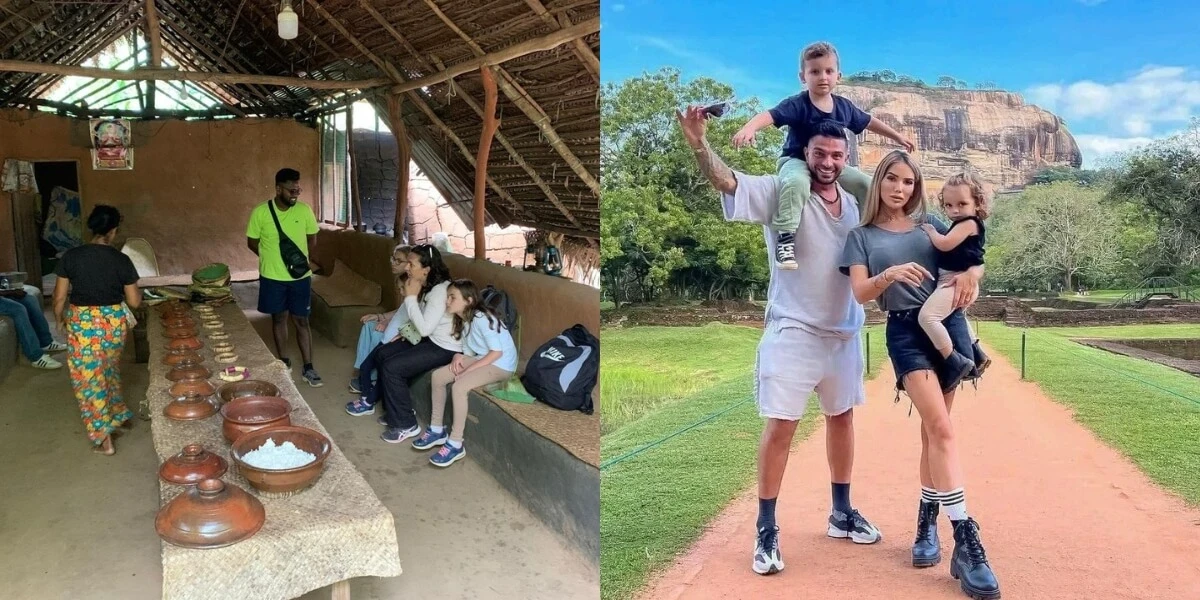
Older children (8–12): Ideal age for Sri Lanka. They can climb Sigiriya (1,200 steps — a genuine achievement), appreciate the train journey, handle moderate hikes in Ella, and begin to understand the cultural sites. The combination of adventure and education is perfect.
Teenagers (13+): Sri Lanka works for teens if you include activities they'll engage with: surfing lessons in Weligama ($15–30), safari in Yala, the Kandy-to-Ella train (universally loved regardless of age), and beach time. Let them have input on the itinerary. Connectivity: Wi-Fi and data coverage are widespread but not fast everywhere — prepare them for occasional digital detox.
The Family Itinerary: 12–14 Days
This itinerary is designed for families — slower pace, fewer stops, more time at each location, and activities chosen for multi-generational enjoyment. It follows the classic clockwise route but with breathing room built in.
Days 1–2: Colombo (2 nights)
Arrive, acclimatise, recover from the flight. Colombo is the gentlest possible introduction — comfortable hotels, familiar food options alongside Sri Lankan cuisine, and a few genuinely fun family experiences.
With kids: The Lotus Tower's observation deck and digital art exhibition (toddlers love the Pixel Bloom interactive floor). Galle Face Green at sunset — kids can fly kites, play on the grass, and eat isso wade from the street vendors. Gangaramaya Temple is manageable even with small children if you time it right (avoid midday heat).
Stay: A hotel with a pool. After a long flight, children need to decompress, and a pool solves everything. Colombo has excellent family-friendly hotels at $60–150/night that would cost three times more in comparable Asian cities.
Days 3–5: Cultural Triangle / Sigiriya area (3 nights)
Drive from Colombo to Sigiriya/Habarana area (4 hours with stops). Base yourself here for three nights and explore the ancient sites at a family-friendly pace.
With kids:
Sigiriya Rock Fortress — The headline experience, and it works brilliantly for families with children old enough to climb (ages 5+ with reasonable fitness, though some determined parents have done it with younger kids in carriers). The 1,200 steps are manageable in sections with rest stops. Bring water (1.5L per person minimum), sunscreen, and start early (7 AM) to beat the heat. The sense of achievement at the top is enormous for kids. Entry: $30/adult, children under 6 often free or reduced.
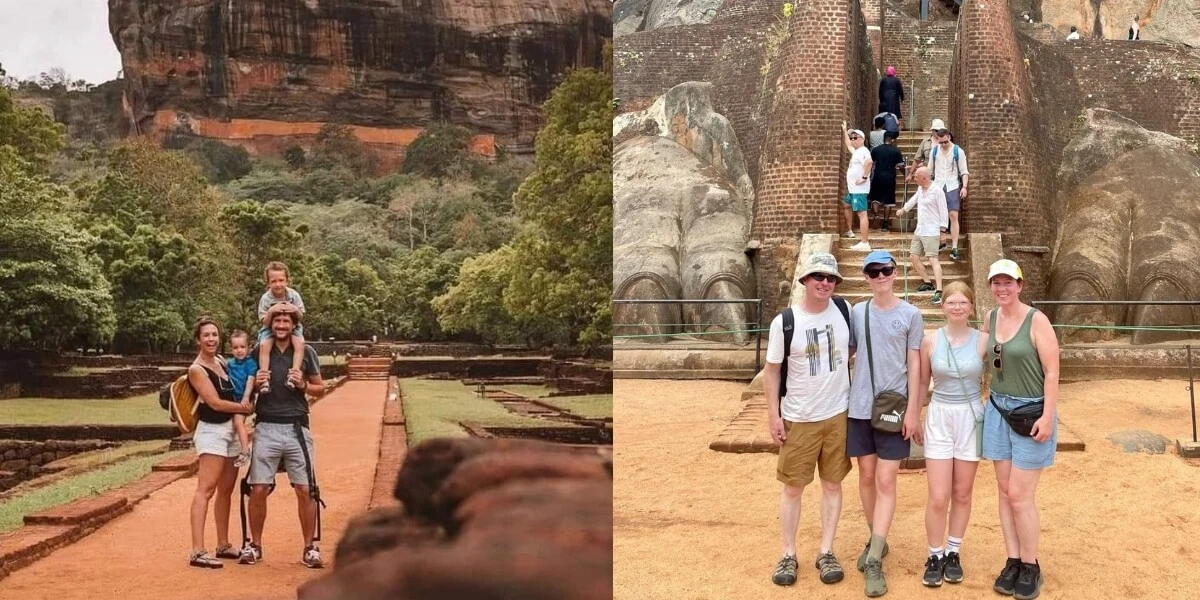
Pidurangala Rock — If Sigiriya's steps feel too much for your family, Pidurangala offers a shorter, rougher climb with arguably better views (you see Sigiriya rather than standing on it). Entry: $2–3. The final boulder scramble at the top requires hands and is not suitable for very young children.
Dambulla Cave Temples — Cool, dark, and fascinating. The cave setting appeals to children more than most temple visits. 153 Buddha statues and 2,000 years of ceiling murals, but the caves themselves — natural rock overhangs with dripping water and atmospheric lighting — are what kids remember.
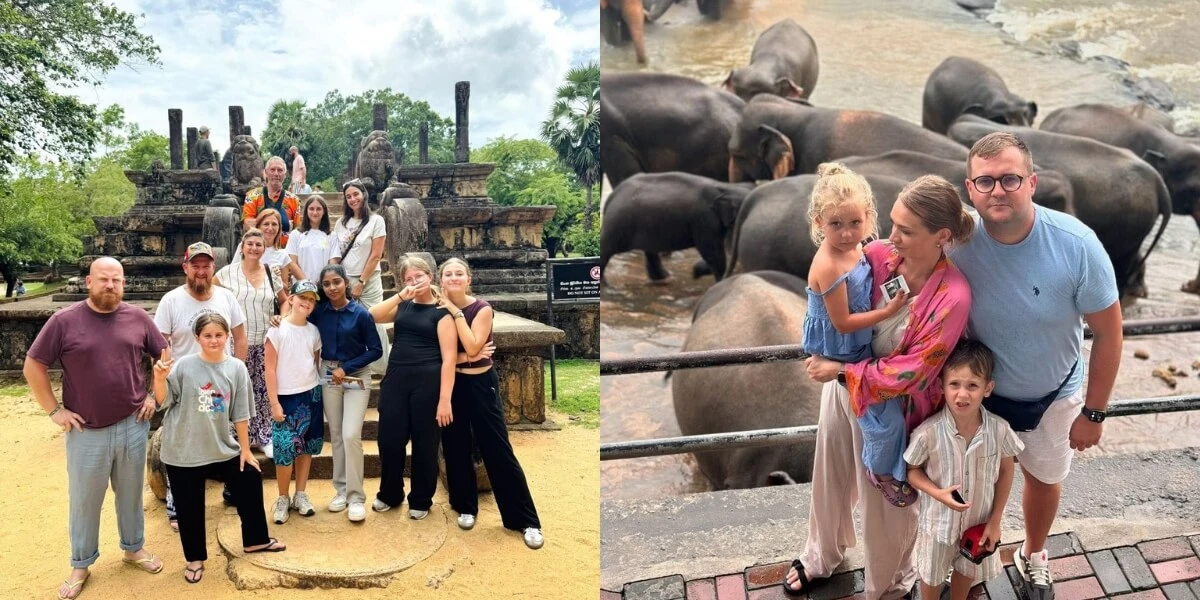
Minneriya or Kaudulla National Park — An afternoon safari to see wild elephants. During the dry season (June–September), hundreds of elephants gather at the Minneriya reservoir in what's called "The Gathering" — one of Asia's great wildlife spectacles. Even outside this period, elephant sightings are near-guaranteed. Safari cost: $30–50 per person including park fees and jeep.
Days 5–7: Kandy (2 nights)
Drive from Sigiriya to Kandy (2.5–3 hours).
With kids:
Royal Botanic Gardens, Peradeniya — 60 hectares of tropical gardens with wide, flat paths perfect for pushchairs and small explorers. The giant Javan fig tree (enormous canopy, multiple trunks), the bat colony, and the avenue of royal palms fascinate children. Pack a picnic or buy snacks at the entrance.
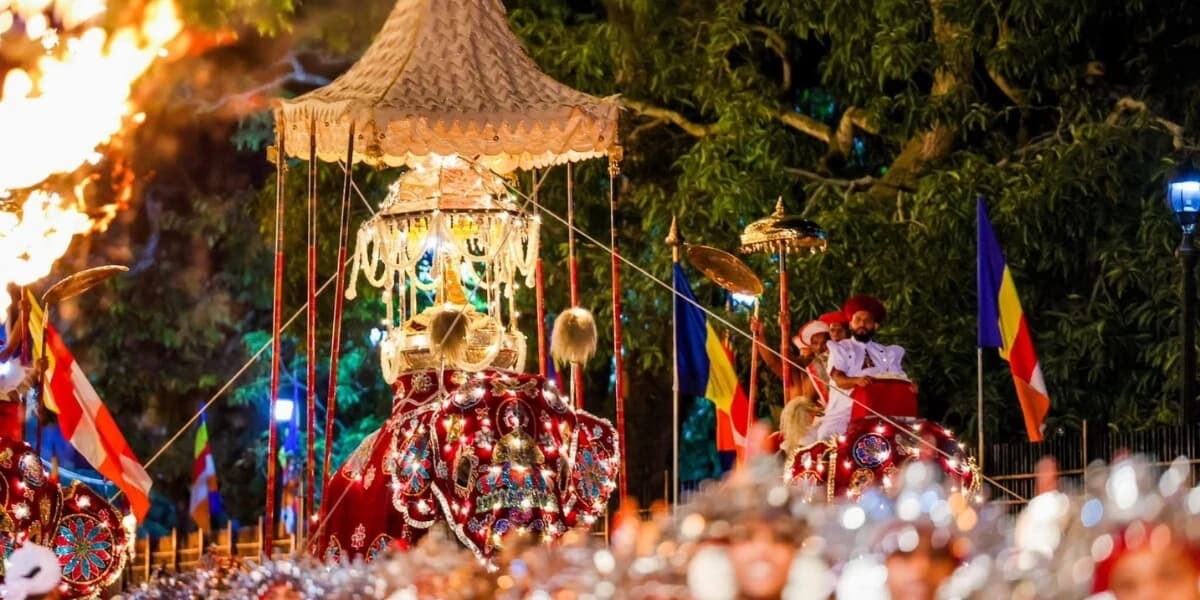
Temple of the Tooth — Manageable with children if you attend the evening puja (6:30 PM). The drumming and ceremony captivate even young kids. Keep the visit focused on the main shrine and the adjacent grounds rather than trying to see every museum.
Kandyan Dance Show — One hour, early evening. Fire-walking, acrobatics, and elaborate costumes. Children are transfixed.
Day 7–8: Kandy to Ella by Train (Travel Day + 2 nights in Ella)
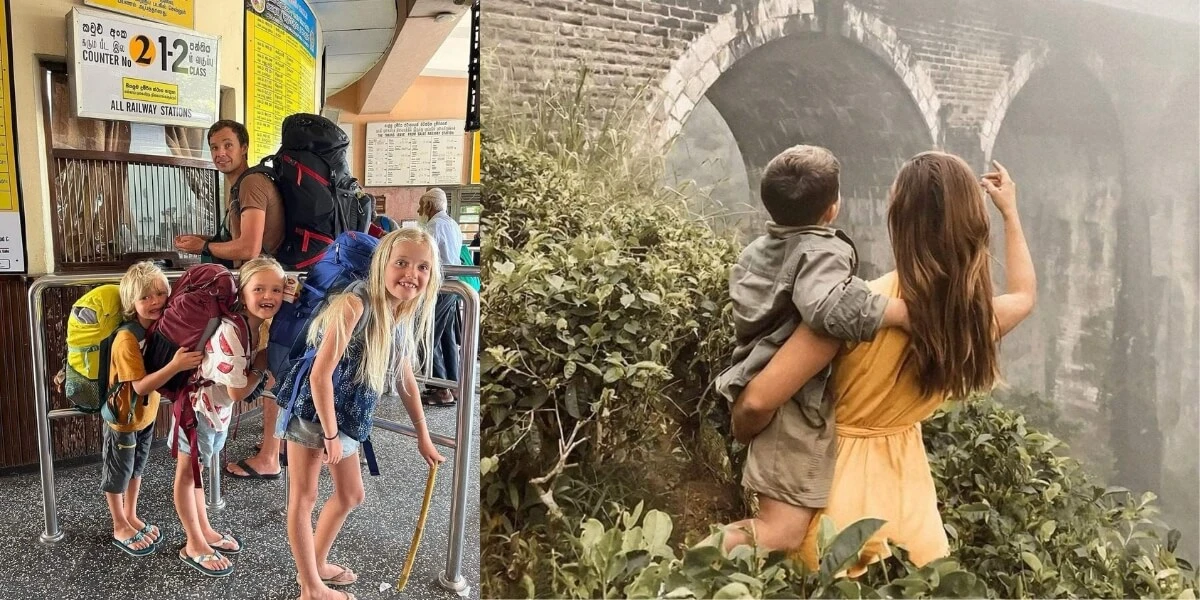
The train: This is the experience that every family, regardless of children's ages, remembers as a highlight. The 6–7 hour journey from Kandy to Ella passes through tea plantations, mountain tunnels, and dramatic hill-country scenery.
Family tips for the train: Book seats in advance (second class reserved is the best family option — windows open, assigned seats, $2–5). Bring snacks, water, entertainment for younger children, and a warm layer (the hill-country section is surprisingly cool). Vendors sell snacks and drinks on the train. Children love leaning out the open doors with a parent's grip — it's allowed and part of the experience.
In Ella (2 nights):
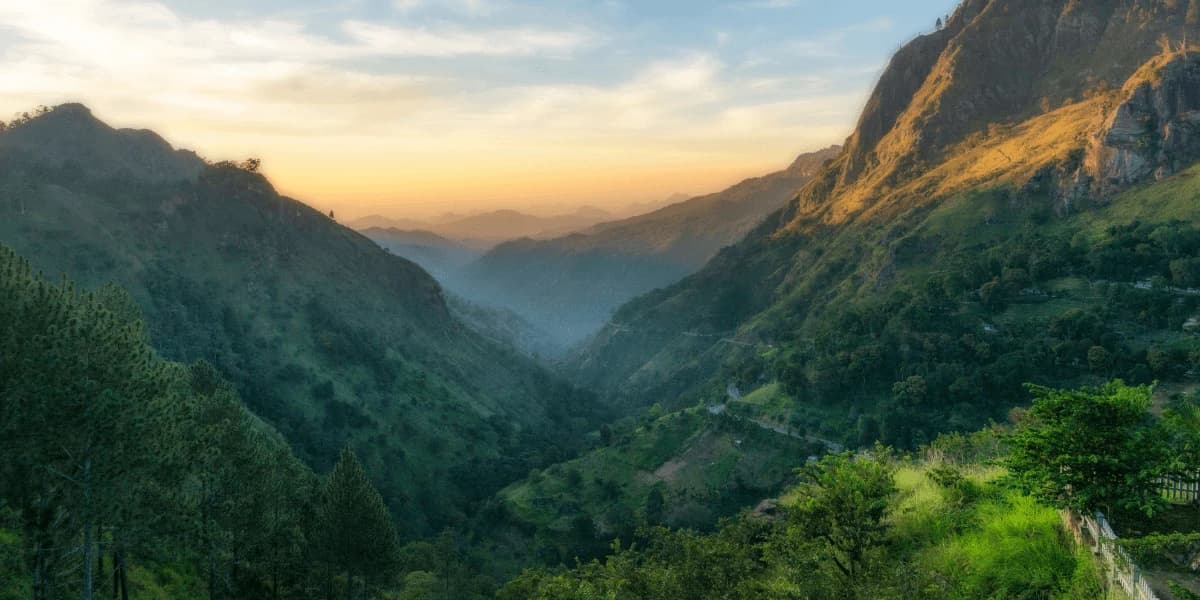
Little Adam's Peak — A 45-minute walk each way on a clear, easy path. Manageable for children 4+. Stunning 360-degree views at the top. No entry fee.
Nine Arch Bridge — Free to visit. Walk to the bridge and wait for a train to cross — children find this genuinely thrilling. Arrive early morning to avoid crowds.
Tea factory visit — Uva Halpewatte or similar. 30–45 minute tour followed by tea tasting. Older children enjoy understanding how the tea they see growing on every hillside becomes the drink in their cup.
Days 9–11: South Coast / Yala (3 nights)
Drive from Ella to the south coast (3–4 hours). Stay near Yala or Tissamaharama for one night, then move to a beach base.
With kids:
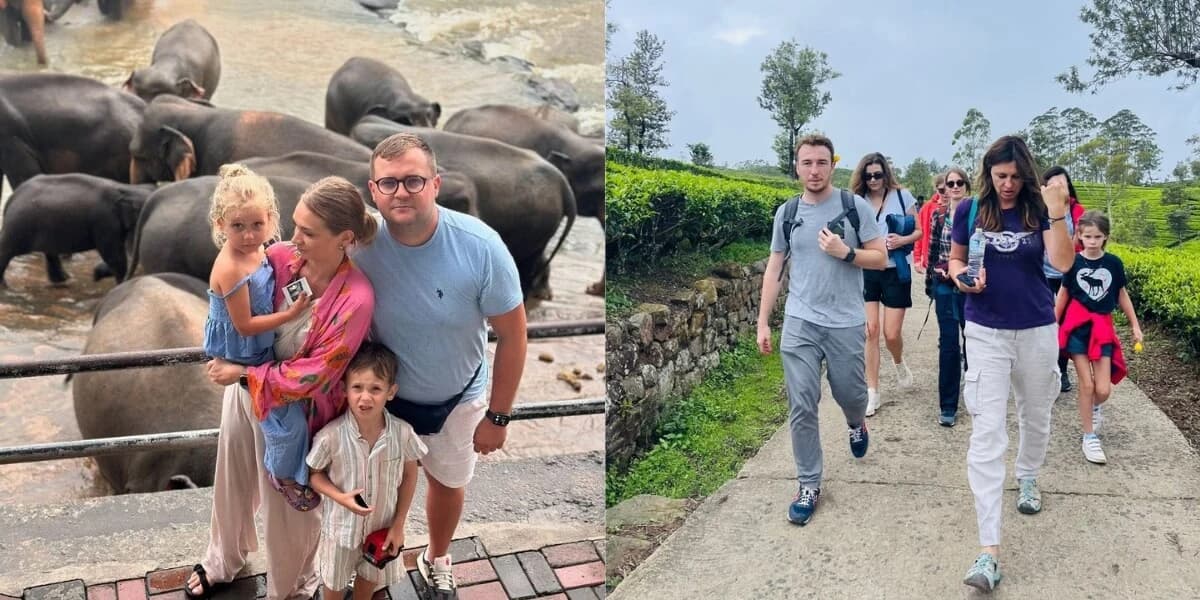
Yala National Park Safari — The morning safari (5:30 AM departure) is best for wildlife and coolest temperatures. Leopards, elephants, crocodiles, peacocks, and dozens of bird species. Children of all ages love safari — even toddlers are captivated by the animals. Half-day safari recommended for families (full-day safaris are long and hot for young children). Cost: $30–40 per person including park fees and jeep.
Beach time — After days of driving, climbing, and cultural sites, children need unstructured beach time. Budget 2–3 nights on the south coast with nothing planned except swimming, sandcastles, and lunch.
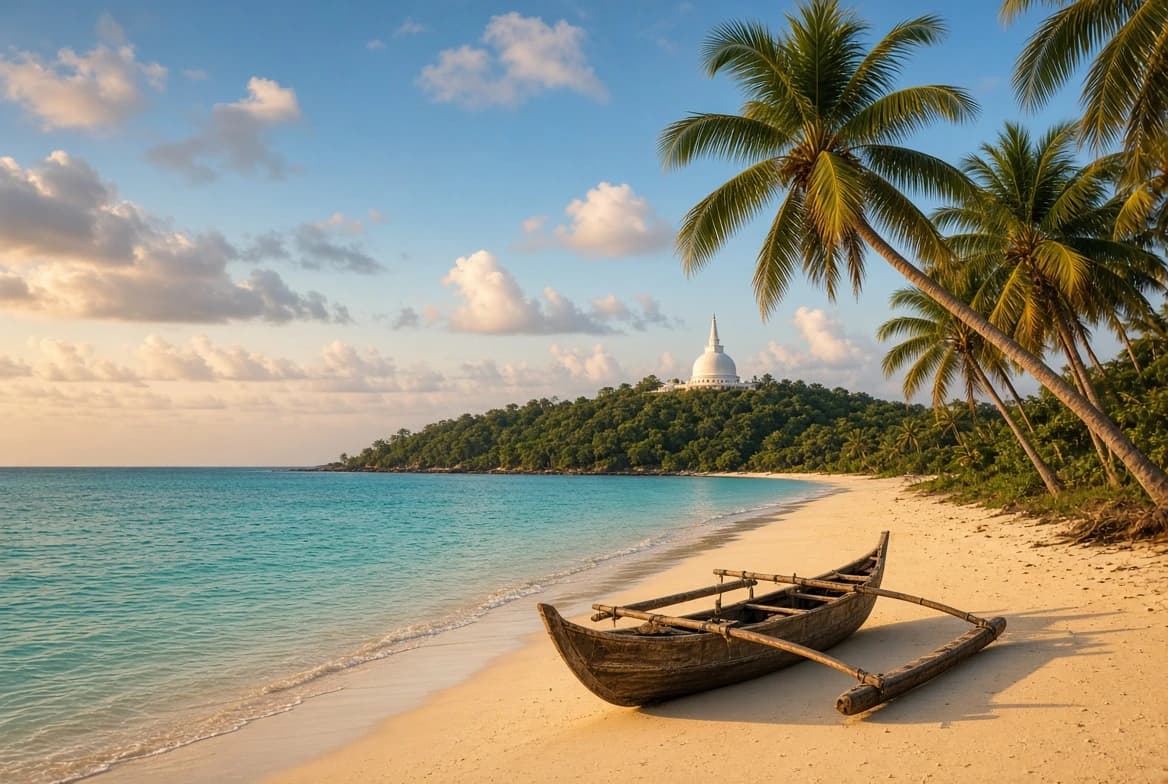
Best family beaches: Unawatuna (reef-protected bay, calm water, shallow entry — the safest swimming beach on the south coast). Mirissa (beautiful but check conditions — not always calm). Dalawella (sea turtles swim close to shore — children love this). Bentota (further north, wider beach, calmer water, good for families with very young children).
Turtle hatchery — Several small operations along the south coast where children can see baby turtles and learn about conservation. Quality and ethics vary — research before visiting and avoid anywhere that keeps adult turtles in small tanks.
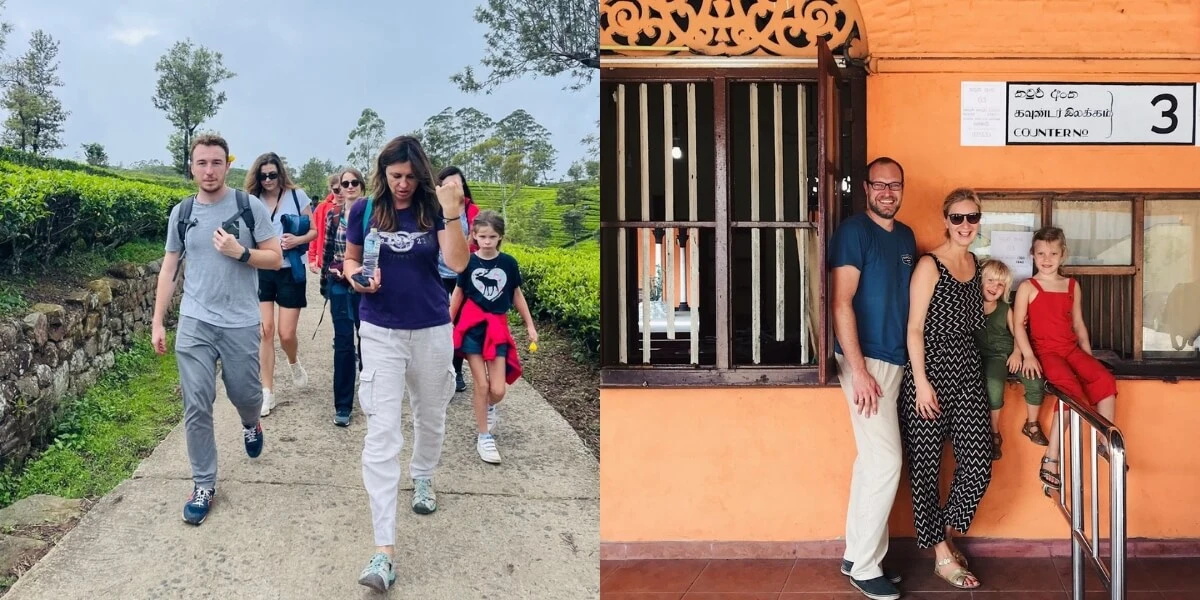
Days 11–12: Galle (1–2 nights)
Drive from beach base to Galle (30 minutes–1 hour depending on location).
With kids:
Galle Fort — Flat, walkable, car-free inside the walls. Children can run along the ramparts (supervise near edges), watch cricket on the green, and explore the streets without traffic anxiety. Ice cream, cold drinks, and kid-friendly cafés are plentiful inside the fort.
Sunset at Flag Rock — The whole family on the ramparts watching the sun drop into the ocean. One of those moments.
Days 13–14: Return to Colombo / Departure
Drive Galle to Colombo via Southern Expressway (2 hours) or to the airport (2.5–3 hours direct).
Final day option: If flying the next morning, stay in Negombo (30 minutes from the airport) for a relaxed final night rather than battling Colombo traffic.
Food: What Will My Kids Actually Eat?
Sri Lankan food is wonderful, but it's also spicy. The national palate starts where most Western palates top out. This is manageable, not catastrophic.
What works for most kids:
Plain rice (available everywhere). Hoppers (bowl-shaped rice-flour pancakes — mild, slightly sweet, universally liked). String hoppers (steamed rice noodles — bland and inoffensive). Egg hoppers (a hopper with an egg cracked into it). Roti and paratha (flatbreads). Plain dhal (lentils — ask for "not spicy"). Fresh tropical fruit (mango, papaya, banana, pineapple — abundant and cheap). Banana pancakes (the backpacker-menu staple, available at most tourist-oriented restaurants). French fries (yes, they're everywhere). Toast with butter and jam (hotel breakfast standard).
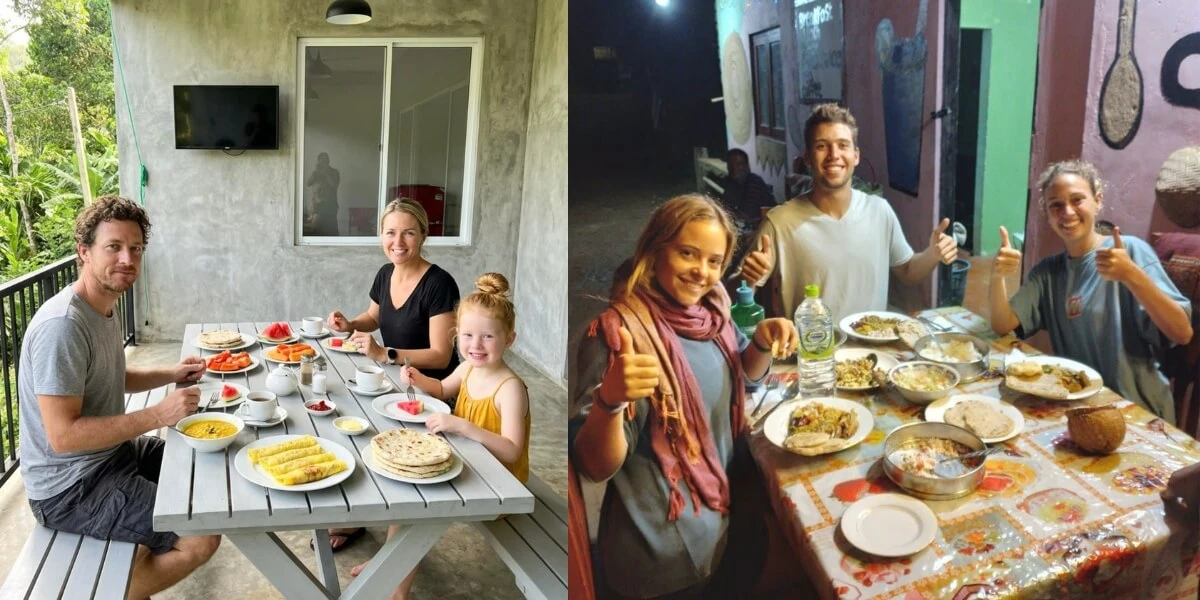
The spice negotiation: At any restaurant, you can request "not spicy" (or "no chilli") for children's portions. Most kitchens will accommodate this without difficulty. Hotel buffets typically have mild options and Western alternatives alongside Sri Lankan food. The challenge is more with street food and local restaurants, where "mild" may still register as "medium" by Western standards. Taste everything before serving it to sensitive eaters.
Bring from home: Favourite snacks for car journeys and fussy moments. Familiar cereal bars, crackers, or dried fruit. Electrolyte sachets (essential if anyone gets a stomach bug). A water bottle per family member — refill from large purchased bottles rather than buying single-use plastic.
Water safety: Do not drink tap water. Use bottled water for drinking and teeth-brushing. Ice in tourist restaurants is generally made from filtered water and is fine. Fruit juice from hotels and established restaurants is safe; roadside juice vendors carry more risk.
Health and Safety
The reassuring news: Sri Lanka has no malaria risk in tourist areas. No mandatory vaccinations are required (though routine vaccinations should be up to date, and your doctor may recommend Hepatitis A and Typhoid). Healthcare in Colombo, Kandy, and larger towns is adequate, and serious hospitals are accessible.
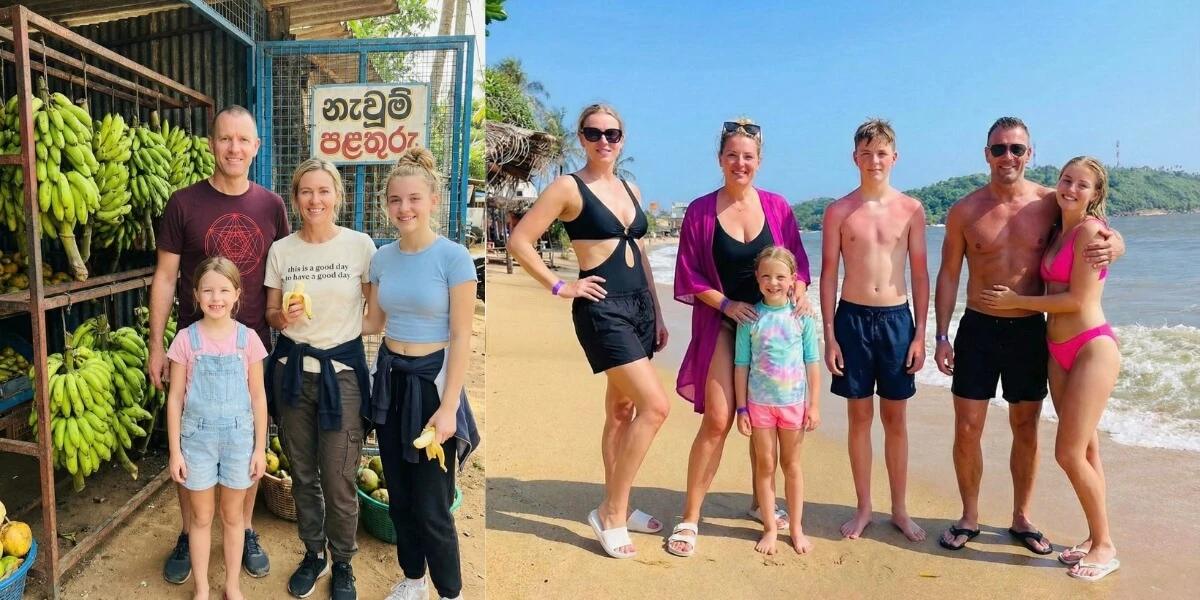
Sun exposure: The most common health issue for visiting families. Sri Lanka is 7° north of the equator — the sun is fierce, and children burn fast. SPF 50 sunscreen applied before going out and reapplied every 2 hours. Hats. Shade during midday (11 AM–2 PM). Rash guards for swimming. This is not optional.
Mosquitoes: Dengue is present in Sri Lanka (carried by daytime-biting mosquitoes). There's no vaccine — prevention means repellent with DEET (for adults and older children) or DEET-free alternatives for younger children, and covering exposed skin at dawn and dusk. Mosquito coils and plug-in repellents in hotel rooms.
Stomach issues: Some families sail through Sri Lanka without a single upset stomach. Others don't. Probiotics before travel, careful hand hygiene, bottled water, and avoiding raw salads and uncooked food from questionable sources are the standard precautions. Bring rehydration sachets and children's anti-diarrhoeal medication. If a child becomes significantly unwell, pharmacies are widespread and doctors are accessible.
Road safety: Sri Lankan driving is chaotic by any standard. This is the primary safety concern for families, and the reason hiring a professional driver (rather than self-driving) is strongly recommended. Car seats: bring your own or confirm availability with your driver in advance. Some drivers can arrange them; availability is inconsistent.
Swimming: Ocean currents along Sri Lanka's coast can be strong and unpredictable. Swim only on beaches with calm conditions — Unawatuna and Passikudah are the safest choices. Never leave children unattended near the water. Lifeguards are not standard on Sri Lankan beaches.
Accommodation: What to Look For
Pools are non-negotiable. Children need a pool to decompress after driving days, hot sightseeing, and cultural sites. Most mid-range and upmarket hotels in Sri Lanka include pools. Budget accordingly — the price difference between a pool-less guesthouse and a hotel with a pool is often only $20–40/night, and it buys you enormous amounts of parental sanity.
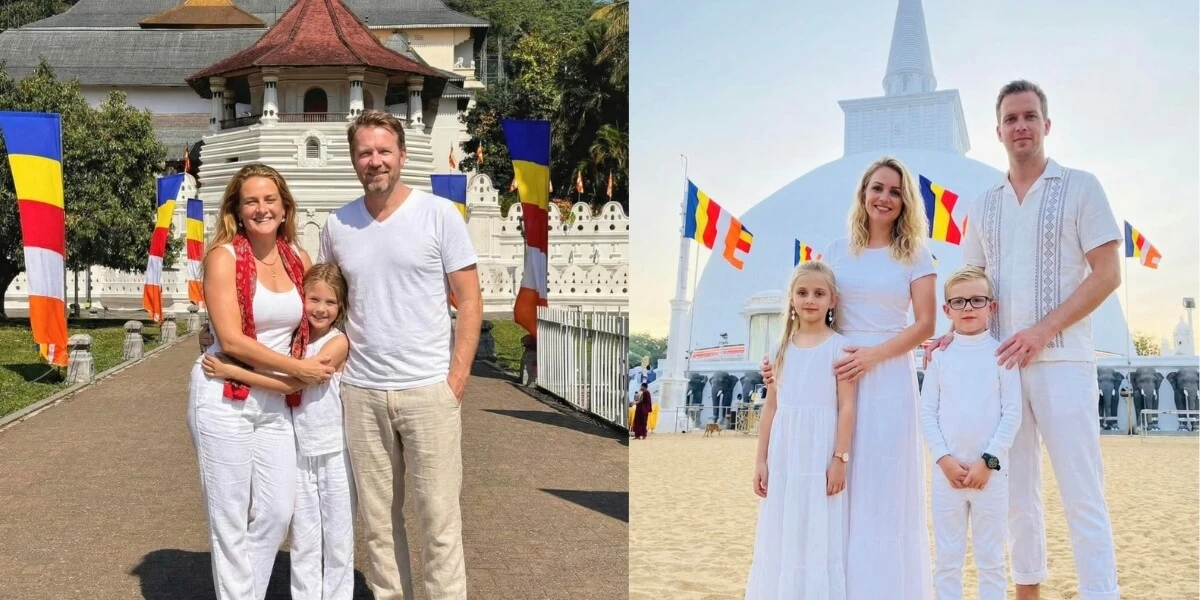
Family rooms: Sri Lanka's hotel stock increasingly caters to families. Many properties offer connecting rooms, family suites, or extra beds. Confirm room configuration before booking — "double room" in Sri Lanka sometimes means a room with one double bed and limited space.
Cots and travel cots: Not universally available. Request in advance and confirm. If your child can't sleep without a cot, bring a lightweight travel cot.
Budget per night (family of four):
Budget ($25–50): Basic guesthouses, fan-cooled rooms, shared facilities. Functional but tiring with kids over more than a night or two.
Mid-range ($50–120): Air-conditioned rooms, pools, breakfast included, helpful staff. This is the sweet spot for family travel in Sri Lanka — comfortable, affordable, and significantly nicer than equivalent pricing in Southeast Asia.
Comfortable ($120–250): Boutique hotels, spacious family rooms, excellent restaurants, and the kind of service that makes travelling with children feel almost luxurious. Sri Lanka's luxury-for-the-price-point ratio is exceptional.
Luxury ($250+): Heritage properties, private villas, and resorts. Available in Colombo, Galle, the Cultural Triangle, and along the south coast.
Budget: What a Family Trip Actually Costs
Two adults + two children, 14 days, mid-range comfort:
Accommodation (13 nights × $80 average): ~$1,040 Private driver (14 days × $60): ~$840 Entrance fees (Sigiriya, Dambulla, Yala safari, temples, etc.): ~$250–350 Food (mix of hotel and restaurant meals): ~$500–700 Trains, tuk-tuks, tips, SIM cards, sundries: ~$200–300
Approximate total (excluding flights): $2,800–3,200 for a comfortable two-week family trip.
That's approximately $100–115 per person per day for accommodation, transport, all activities, and all meals in a country that offers ancient cities, world-class wildlife, pristine beaches, and mountain railways.
For context: an equivalent-quality two-week family trip in Thailand runs $3,500–5,000. In Bali, $4,000–6,000. In southern Europe, significantly more.
Sri Lanka is, per experience delivered, one of the best-value family destinations in the world.
The Things That Will Surprise You
How much your children love tuk-tuks. The open sides, the wind, the driver weaving through traffic — adults find it stressful, children find it hilarious. Short tuk-tuk rides become the highlight of the day for many kids.
How well children handle Sigiriya. The 1,200 steps sound daunting, but children (5+) treat it as an adventure, bounding up while parents wheeze behind them. The sense of achievement at the summit is significant.
How little your children care about ancient temples. Be realistic. Dambulla's caves are cool (literally and figuratively) and quick. The Temple of the Tooth's evening ceremony has drums and spectacle. But a two-hour temple visit in midday heat with a five-year-old is a recipe for mutiny. Pick your temples wisely and keep visits short.
How much time you'll spend at pools. Accept this. A $60 hotel room with a pool will keep your family happier than a $200 cultural excursion on a day when everyone's tired.
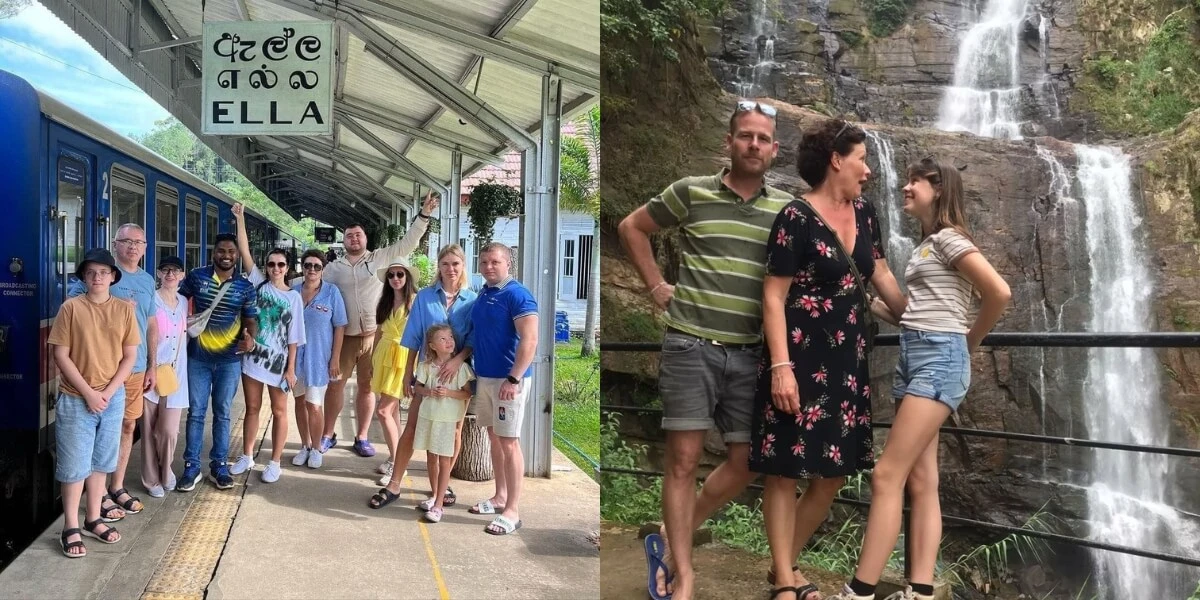
How friendly Sri Lankans are to children. This bears repeating because it shapes the entire experience. Restaurant staff will entertain your toddler while you eat. Shopkeepers will offer your children fruit. Tuk-tuk drivers will show them pictures of their own kids on their phones. It's genuine, consistent, and it turns a country that might look challenging on paper into one that feels deeply welcoming in practice.
This article is part of our comprehensive Sri Lanka travel series. For route planning, see our Sri Lanka 10/14-day itinerary. For the practical details of arrival, see our visa guide and travel tips guide. For beach options, see our best beaches in Sri Lanka guide. For the train journey, see our Kandy to Ella train guide.
Key Takeaways for Quick Reference:
Hire a private driver: $50–70/day. Non-negotiable for family comfort. Arrange car seats in advance.
Pace: Minimum 2 nights per stop. 3 is better. Fewer places, more enjoyment.
Best family beaches: Unawatuna (safest swimming), Bentota (calmest), Dalawella (turtles).
Sigiriya with kids: Ages 5+ can climb it. Start at 7 AM. Bring 1.5L water per person. Career highlight for children.
Train: Kandy to Ella. Book second class reserved. Bring snacks, warm layer, entertainment.
Food for picky eaters: Hoppers, egg hoppers, rice, roti, banana pancakes, fresh fruit. Ask for "not spicy."
Health: No malaria in tourist areas. SPF 50 non-negotiable. Mosquito repellent. Bottled water only.
Accommodation: Hotels with pools. $50–120/night sweet spot for families. Confirm room configuration.
Budget (family of 4, 14 days): ~$2,800–3,200 excluding flights. Mid-range comfort throughout.
Best ages: 4–12 is the sweet spot. Babies manageable with preparation. Teens need surfing and Wi-Fi.
Sri Lankans and children: Genuinely, warmly welcoming. This changes the entire family travel experience.
Visas: Adults ~$50 each. Children under 12: free (still need individual application). Apply at eta.gov.lk.
Places Mentioned(10)
Sigiriya
Sigiriya, Sri Lanka
Pidurangala Rock
Sigiriya, Sri Lanka
Minneriya National Park
Sri Lanka
Kaudulla National Park
4V6P+78Q, Galoya Rd, Galoya 50150, Sri Lanka
Royal Botanic Gardens, Peradeniya
Royal Botanic Gardens, Kandy - Colombo Rd, Kandy 20400, Sri Lanka
Sri Dalada Maligawa
Kandy, Sri Lanka
Little Adam's Peak
Little Adam's Peak, Sri Lanka
Nine Arches Bridge
Ella, Sri Lanka
Yala National Park
Sri Lanka
Unawatuna Beach
265V+8QG, Galle, Sri Lanka
Tap a place card to see more details • Swipe to see all 10 places