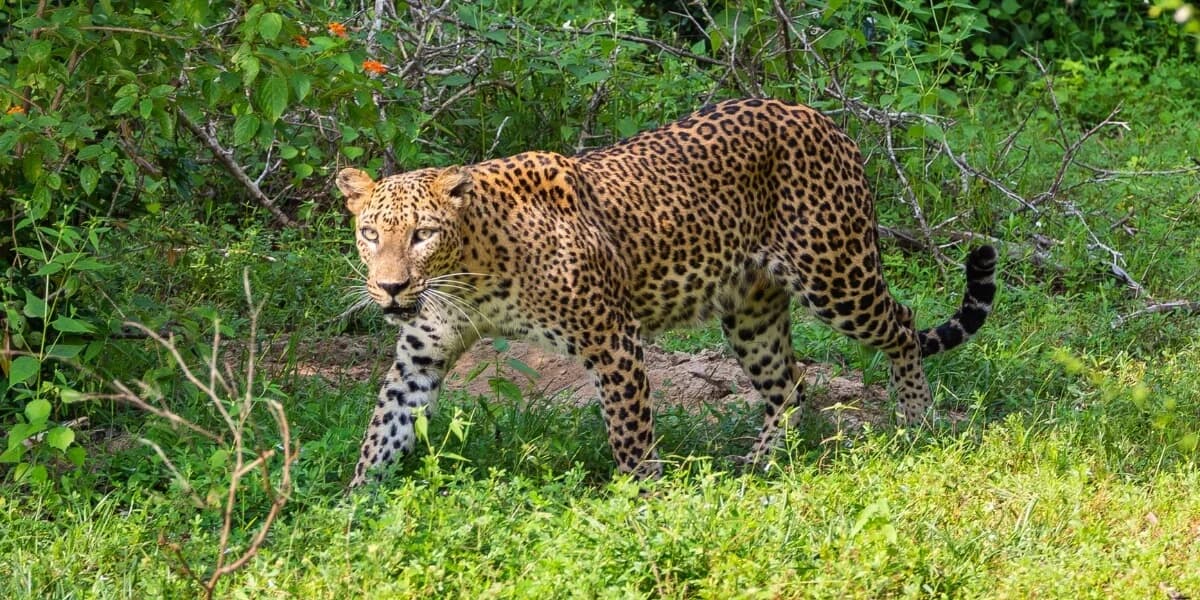
I'll never forget the morning I sat in a jeep at Yala, staring at the back of another jeep, which was staring at the back of another jeep.
Somewhere up ahead—past a small army of tourists holding up smartphones—a leopard lounged on a rock. I could barely see its tail.
That afternoon, I told a friend about it, and he laughed. "You should have gone to Wilpattu," he said.
A few months later, I did. And what happened there changed the way I think about wildlife, about travel, and honestly—about what it means to be truly present in the wild.
But here's the thing most travel blogs won't tell you: neither park is "better." The right park depends on who you are, what you want to feel, and how much patience you carry in your bones.
This guide will help you figure that out.
Two Parks, Two Personalities
Sri Lanka is a small island with an outsized heart for wildlife. It holds one of the densest leopard populations on the planet, massive herds of Asian elephants, elusive sloth bears, and over 400 species of birds. And the two national parks that anchor most safari itineraries—Yala and Wilpattu—sit at opposite ends of the country, both geographically and temperamentally.
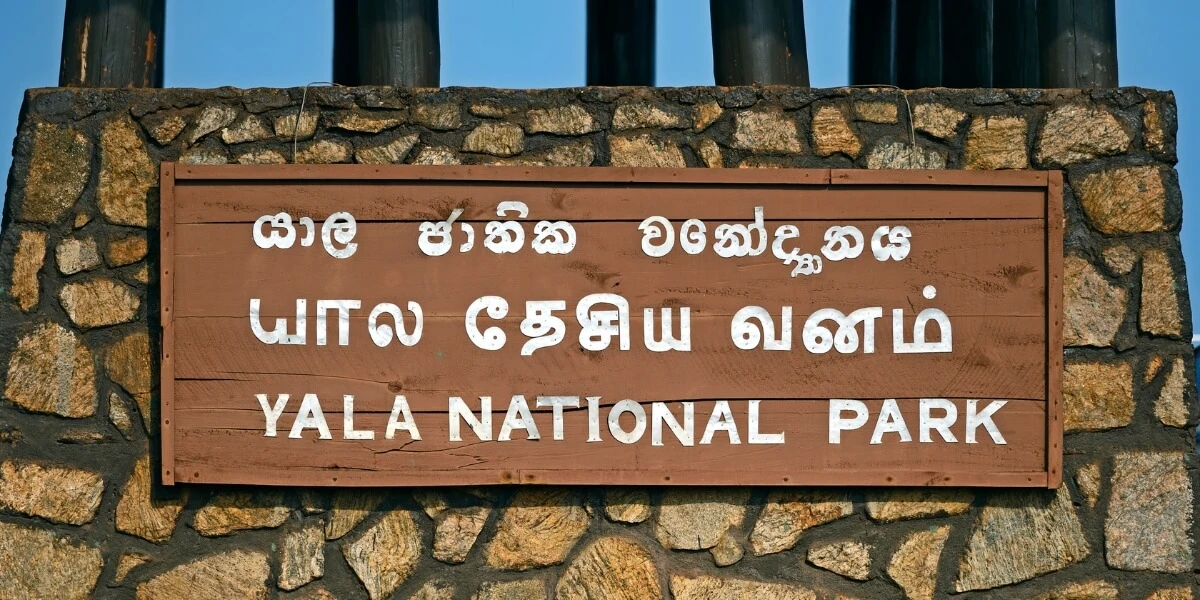
Yala National Park hugs the southeastern coast. It's dramatic, accessible, and famous. Think of it as the extrovert at the party—the one who walks into the room and everyone turns to look.
Wilpattu National Park sprawls across the northwest. It's quiet, vast, and still slightly mysterious. It's the introvert reading a book in the corner—the one who, once you sit down and talk to them, blows your mind.
Understanding this personality difference is the single most important thing you can do before booking a safari in Sri Lanka.
The Case for Yala: Where the Leopards Rule
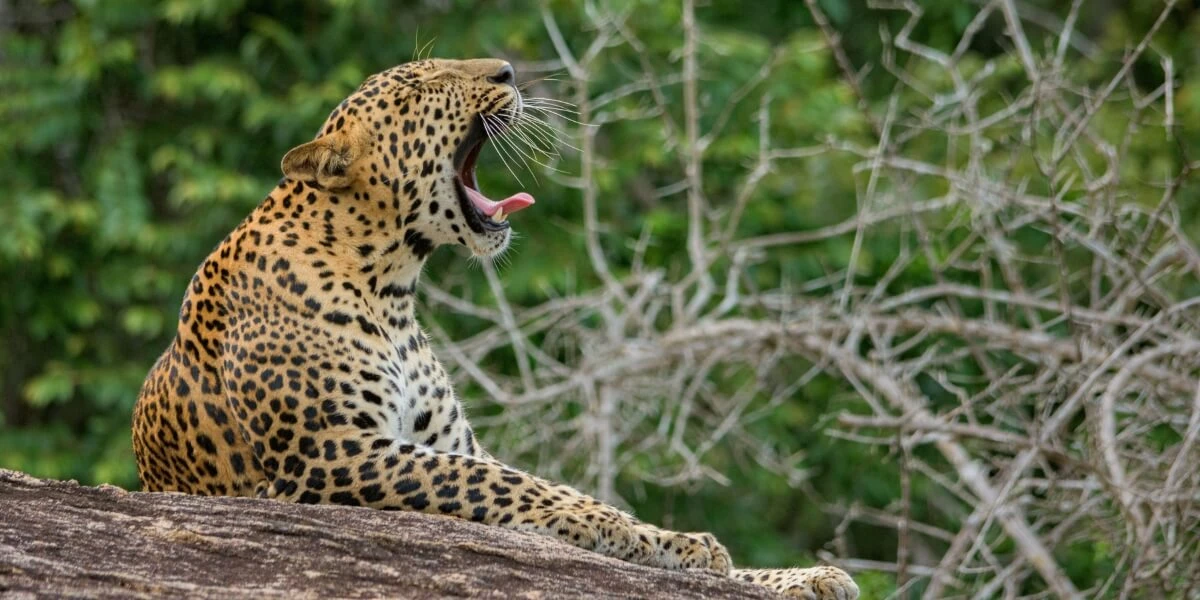
Let me be straightforward. If your number one priority is seeing a Sri Lankan leopard in the wild, Yala gives you the best odds.
Yala's Block 1 alone—just 142 square kilometres—holds one of the highest leopard densities anywhere on Earth. Some estimates put it at one leopard per square kilometre in prime areas. That's extraordinary. And because the landscape is relatively open—dry scrublands, rocky outcrops, golden grasslands—the cats are easier to spot.
And when a leopard drapes itself across a sun-warmed boulder at 8 AM, the light hitting its rosettes just right? That's the kind of moment that burns into your memory forever.
What Yala Gets Right
Accessibility. Yala sits in the deep south, roughly 3-4 hours from Colombo via the Southern Expressway. If you're touring the southern beaches—Mirissa, Tangalle, Unawatuna, Galle—a Yala safari slides into your itinerary like a missing puzzle piece. It's also a natural waypoint if you're heading east toward Arugam Bay.
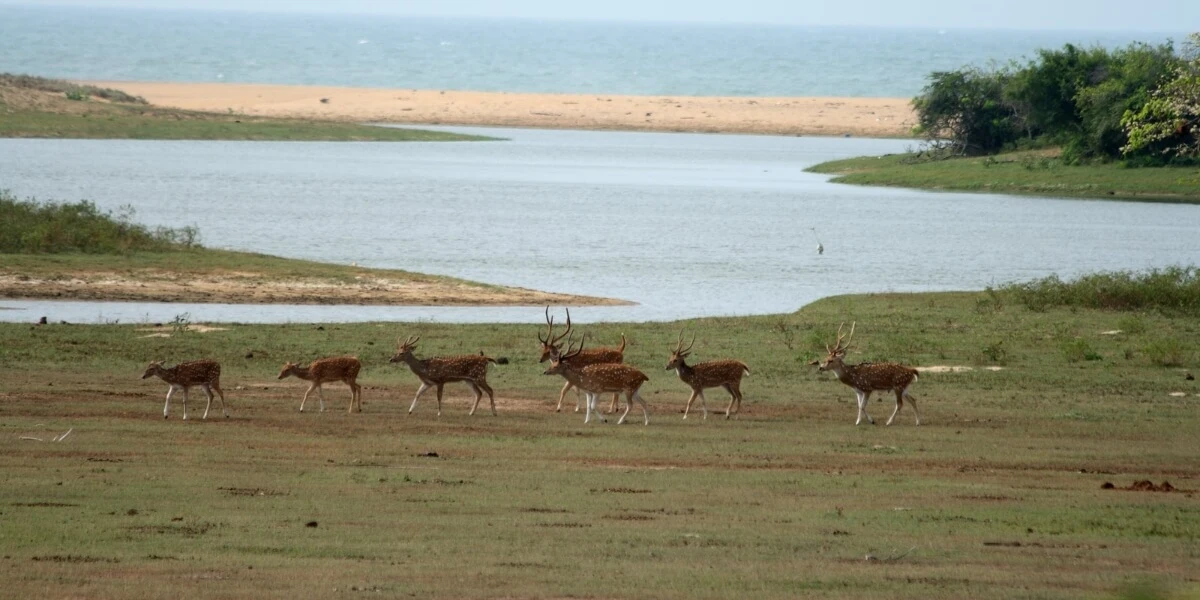
Wildlife density. Beyond leopards, Yala delivers. Elephants wade through lagoons. Crocodiles bask on the banks. Spotted deer scatter across the plains like nervous extras in a nature documentary. Painted storks stand in elegant silence. Wild boar crash through the undergrowth. Peacocks fan their tails like they're auditioning for a Bollywood number.
Over 200 bird species call this park home, including endemics like the Sri Lanka grey hornbill and the Sri Lanka junglefowl—the national bird. Birdwatchers who visit between November and January get a bonus: thousands of migratory birds from Central Asia and the Himalayas pour in to escape their brutal winters.
Infrastructure. Because Yala is Sri Lanka's most visited national park, the surrounding area—particularly around Tissamaharama—has no shortage of accommodation. You'll find everything from luxury tented camps like Chena Huts and Hilton Yala to solid midrange eco-lodges like Cinnamon Wild and Jetwing Yala. Budget travellers can find homestays and guesthouses in Tissa for well under $30 a night.
What Yala Gets Wrong
This is the part most promotional websites gloss over, and I think you deserve the truth.
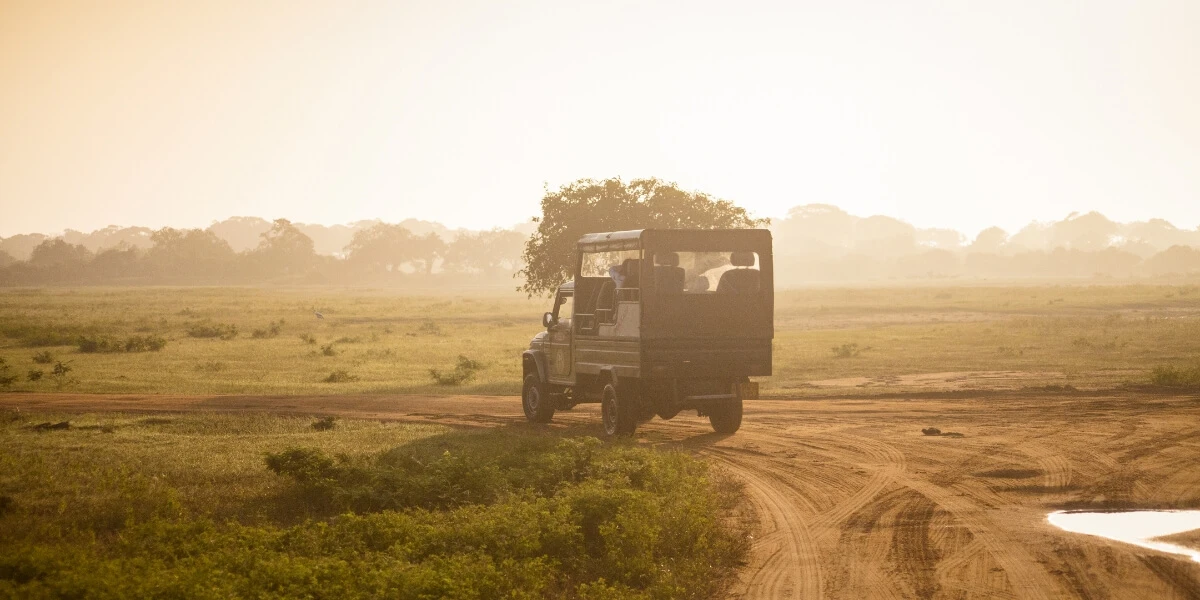
The crowds are real. During peak season—December through April—and on public holidays, Yala Block 1 can see upward of 300-400 jeeps entering in a single day. Some travellers have reported 500 or more.
When a leopard is spotted, it often triggers a stampede of vehicles jockeying for position. Engines revving. Dust billowing. Tourists shouting.
It's not exactly the Attenborough experience you imagined.
The Department of Wildlife Conservation has been working on crowd management strategies, including online permit requirements introduced in recent years. But the core challenge remains: Yala is a victim of its own success.
The safaris feel rushed. A standard half-day Yala safari runs about 3-4 hours. That's not a lot of time to absorb the wilderness. You're in, you're out, and sometimes the dominant memory is of jeep traffic rather than wildlife.
The animals have adapted. This isn't necessarily bad—the leopards of Yala have become remarkably habituated to vehicles, which is why sightings are so frequent. But it also means the experience can feel... managed. Observed rather than discovered.
The Case for Wilpattu: Where the Silence Speaks
Now let me take you somewhere different.
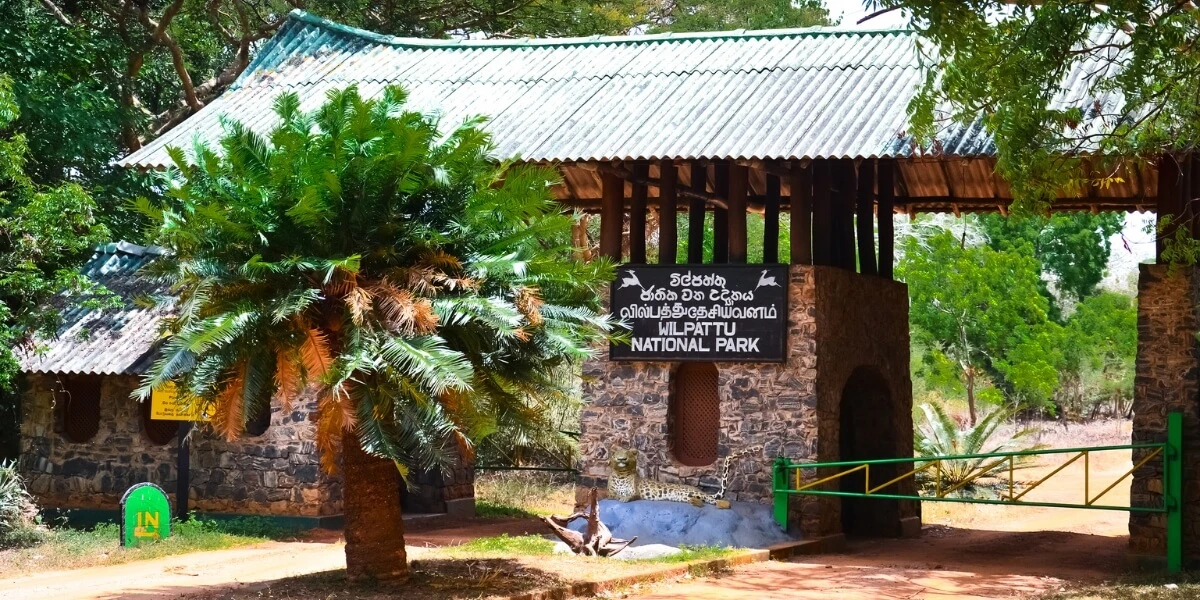
Wilpattu is Sri Lanka's largest national park—over 1,300 square kilometres of dense forest, open grassland, and something found nowhere else on the island: villus.
Villus are natural, sand-rimmed lakes that fill with rainwater. There are about 60 of them scattered across the park like mirrors placed by the gods. They attract wildlife from miles around. And in the dry season, when the surrounding forest thins and the water levels drop, these villus become front-row seats to some of the most intimate wildlife encounters you'll ever have.
The name "Wilpattu" literally translates to "Land of Lakes." And once you see them glimmering through the tree line—a crocodile drifting along the edge, an elephant family wading in for a bath, a painted stork frozen in concentration—you understand why.
What Wilpattu Gets Right
The solitude. Where Yala might have 400 jeeps on a busy day, Wilpattu on the same day might have 25-30. Sometimes fewer. The difference is staggering. At Wilpattu, your jeep might be the only one at a villu for an hour. The silence is so thick you can hear a deer stepping on a twig 50 metres away.
For wildlife photography, this is gold. No other vehicles in the background. No engine noise spooking the animals. Just you, your guide, and whatever chooses to reveal itself.
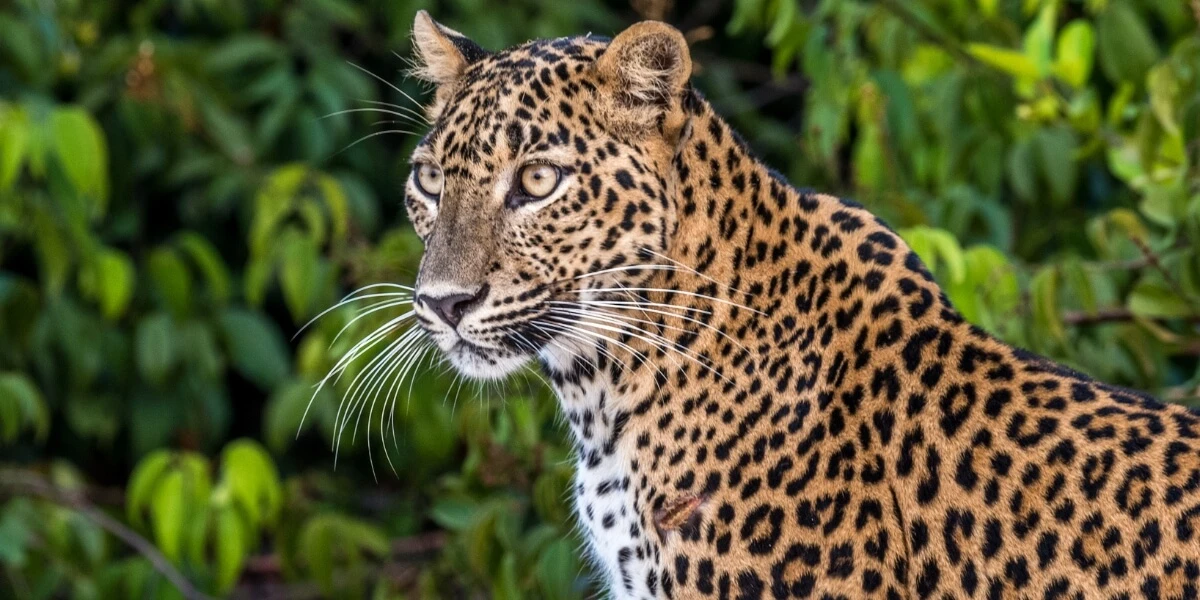
The leopards are here too. A major camera trap survey conducted by Samarasinghe et al. in 2018, covering roughly 660 square kilometres of the park, identified 133 individual leopards. The estimated density was about 18 leopards per 100 square kilometres, with a healthy male-to-female ratio.
Sightings at Wilpattu require more patience than at Yala—the forest is denser, and the animals are more spread out. But when a leopard appears on a quiet track, padding through the morning mist with no other vehicle in sight? That's a sighting you'll never forget. Travellers on TripAdvisor frequently report seeing leopards on multi-day visits, often describing the experience as far more intimate and rewarding than Yala.
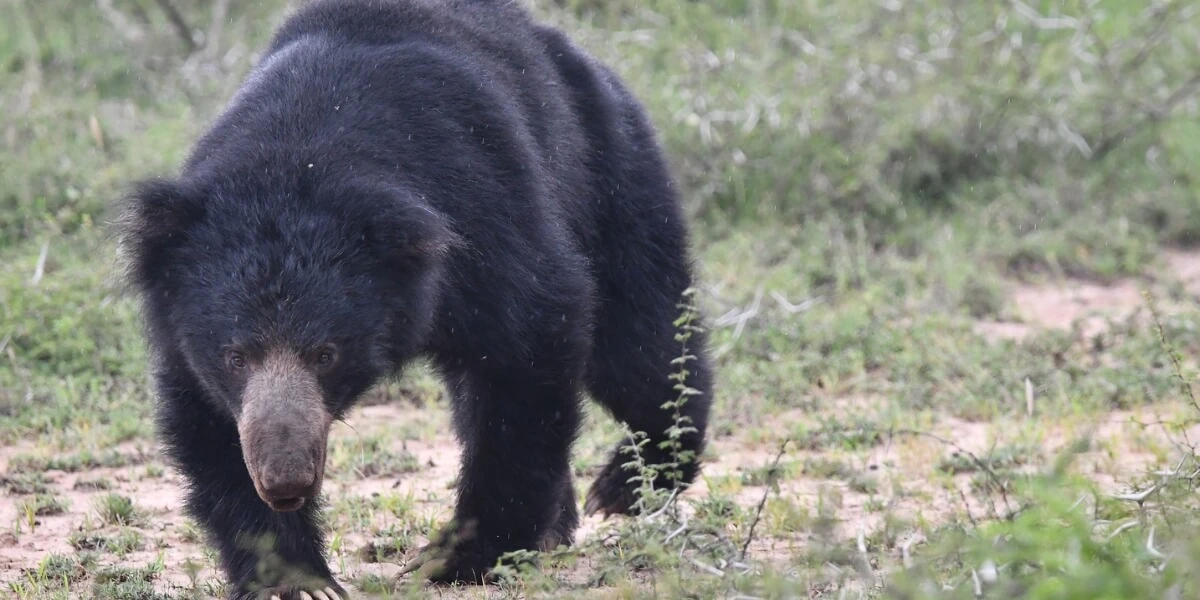
The sloth bears. If seeing a sloth bear is on your bucket list, Wilpattu is arguably the better park. These shy, shaggy creatures—one of Sri Lanka's "Big Three" alongside leopards and elephants—are more commonly sighted here, especially between April and June when the Palu fruit ripens and they clamber up trees to feast.
The full-day safari. Unlike most Sri Lankan parks that split the day into morning and afternoon sessions, Wilpattu offers full-day safaris running 6 AM to 6 PM—or roughly 7 hours if you opt for a half-day. That means uninterrupted time in the bush. You pack a breakfast, stop by a villu, watch the world wake up, and let the park unfold at its own pace.
This is wildness on wildness's terms.
The history. Wilpattu isn't just a national park—it's a page from Sri Lanka's origin story. According to ancient chronicles, Prince Vijaya, the legendary first ruler of Sri Lanka, is said to have landed at Thambapanni on the park's northwestern coast around 500 BC. There are archaeological ruins within the park's borders. It's a place where natural history and human history share the same soil.
The park was also closed from 1988 to 2003 during the civil war and only fully reopened to visitors around 2010. This long closure inadvertently gave the ecosystem decades to recover, which is partly why the wildlife here feels so healthy and undisturbed today.
What Wilpattu Gets Wrong
It's harder to reach. Wilpattu sits in the northwest, about 4-5 hours from Colombo by road. It's best accessed from Anuradhapura (about an hour away), which makes it a natural fit if you're touring the Cultural Triangle—Sigiriya, Dambulla, Polonnaruwa. But if your itinerary is focused on the south coast, adding Wilpattu requires a deliberate detour.
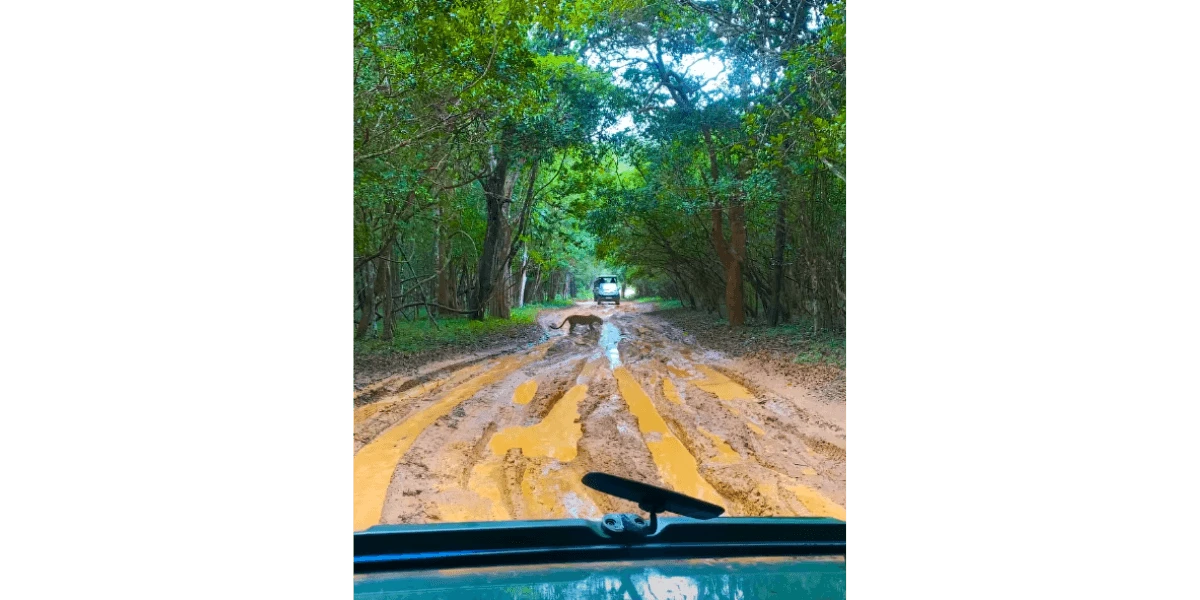
The roads inside are rough. Several visitors have noted that the tracks within the park are significantly bumpier than Yala's. A full-day safari on sandy, potholed roads can be physically tiring, especially for older travellers or young children.
Fewer accommodation options. While eco-camps and tented stays like Leopard Trails Wilpattu and Wild Heaven are excellent, the overall range of lodging near the park is more limited than around Yala. This is changing gradually as more travellers discover the park, but for now, you'll want to book in advance.
Patience is required. Wilpattu is not a park that hands you its treasures on a platter. The forest is dense. The park is vast. You might go long stretches without a major sighting. This is the price of authenticity—and for many travellers, it's absolutely worth it. But if you have only one morning and need a guaranteed leopard photo, Wilpattu might leave you frustrated.
The Head-to-Head: Choosing Your Park
Let's cut through the noise. Here's how the two parks compare on the things that actually matter.
Leopard sightings: Yala offers higher statistical odds due to the concentrated population in Block 1 and the open terrain. Wilpattu's leopard population is robust and growing, but sightings take more time and patience.
Crowds: Wilpattu wins by a mile. It's not even close.
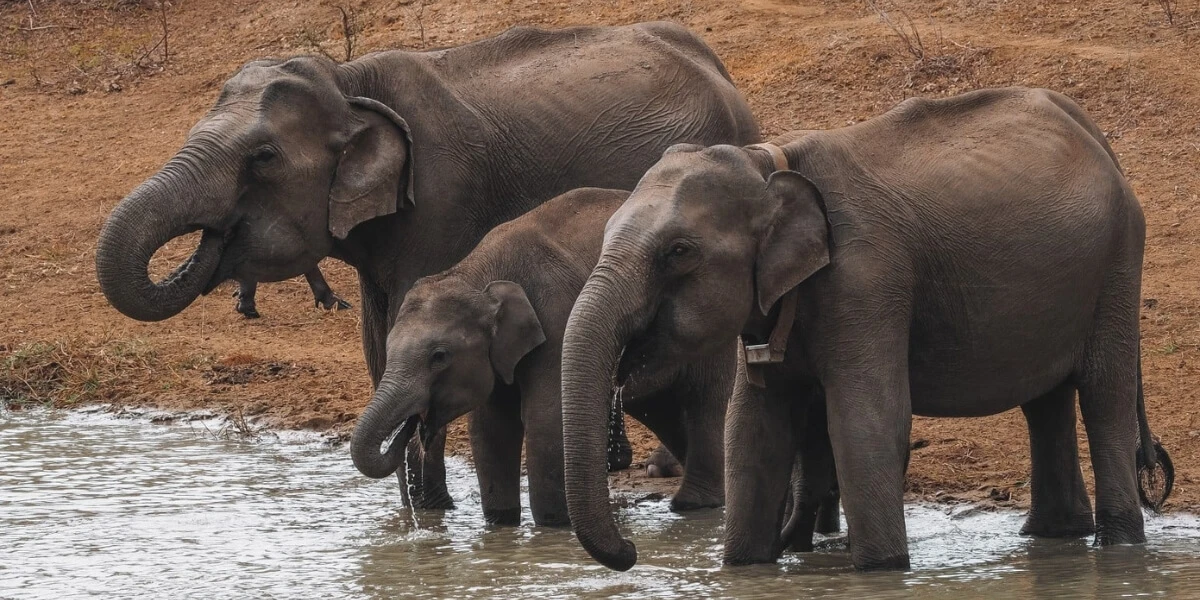
Elephants: Both parks have elephants, but Wilpattu tends to have larger herds—sometimes groups of up to 100 gathering at the villus during the dry months. Yala's elephants are typically in smaller groups.
Sloth bears: Wilpattu is the better bet, especially during Palu fruit season (April-June).
Birdwatching: Both parks are exceptional. Yala edges ahead with over 200 species and excellent migratory bird viewing from November to January. Wilpattu's villu ecosystems attract superb wetland and waterbird species, including the rare black-capped kingfisher.
Safari duration: Yala's standard half-day runs 3-4 hours. Wilpattu offers 5-7 hour half-days and full-day options up to 12 hours.
Location fit: Yala pairs with the south coast (Galle, Mirissa, Tangalle). Wilpattu pairs with the Cultural Triangle (Anuradhapura, Sigiriya, Dambulla) and Kalpitiya for dolphin and whale watching.
Cost: Both parks currently charge around $40-45 USD in entrance fees for foreign adults in 2026, with additional jeep hire ranging from $60-90 for a half-day. A full-day at Yala runs approximately $120-160 per jeep. Wilpattu's full-day safaris are similarly priced, sometimes slightly more due to the extended duration. Local visitors pay significantly less—around LKR 150 at Yala and LKR 75 at Wilpattu for entry.
Overall experience: Yala delivers action and convenience. Wilpattu delivers atmosphere and immersion.
Best Time to Visit Each Park
Yala: The dry season from February through July is the golden window. Water levels drop, forcing wildlife to congregate around shrinking waterholes—which means you see more. May and June are particularly good because tourist numbers dip while wildlife visibility remains excellent. Avoid August through October: the northeast monsoon hits, and Yala's Block 1 typically closes for rejuvenation from around September 1 to mid-October. Always check the latest official announcements from the Department of Wildlife Conservation before finalising your dates.
Wilpattu: The recommended period is February through October. The dry months thin the vegetation and concentrate animals at the villus. June to July is especially prized for sloth bear sightings. The monsoon rains from September through December refill the villus and bring migratory waterfowl, offering a completely different but equally magical experience. Wilpattu is open year-round, though some tracks may be less accessible during heavy rains.
Practical Tips That Actually Help
Having been through these parks myself and spoken with dozens of travellers and guides, here are the tips I wish someone had given me earlier.
Book your guide, not just a driver. The difference between a driver who follows the radio chatter of other jeeps and a genuine naturalist guide who reads animal behaviour, tracks alarm calls, and knows leopard territories is the difference between a good safari and an extraordinary one. Ask your accommodation or booking agent specifically for a guide with wildlife tracking experience.
Listen for alarm calls. Spotted deer and grey langurs are nature's alarm system. When they bark or shriek, a predator is nearby—often a leopard. A good guide will hear these calls from far off and know exactly what they mean.
Go early. At both parks, the gates open at around 5:30-6:00 AM. Being first in the queue is worth the 4:30 AM wake-up call. The first hour of morning light is when cats are most active, and you'll have the tracks to yourself before the bulk of jeeps arrive.
Consider Block 5 at Yala. If you've had your heart set on Yala but dread the crowds, Block 5 (Galge entrance) is significantly quieter than Block 1 (Palatupana). It's excellent for elephants and birding, and leopard sightings have been increasing—some operators report a 70% chance of a leopard encounter in recent seasons.
Pack smart. Bring binoculars—they'll transform your experience. Wear neutral-coloured clothing (avoid white, which startles animals). Bring sunscreen, a hat, insect repellent, and plenty of water. Both parks are hot, especially in the dry season when temperatures regularly hit 33°C (91°F).
Don't feed the animals. Drones are prohibited. Littering carries fines of up to LKR 50,000. Stay in your jeep. These aren't just rules—they're how we keep these parks healthy for the next generation.
If you can, do both. Honestly, the ideal move is to visit both parks on the same trip. Start with Wilpattu while touring the Cultural Triangle in the north, then head south to Yala before hitting the beaches. You'll see how different the same island's wilderness can feel, and you'll walk away with a complete picture of Sri Lanka's wild heart.
The Honest Answer
Here's what I've learned, sitting in jeeps at dawn, squinting through binoculars, getting dust in my teeth, and feeling my heart race when a pair of golden eyes locked onto mine from the bushes:
Choose Yala if you're a first-time visitor on a classic southern route, you want the highest probability of a leopard sighting, you're on a tight schedule and value convenience, or you're travelling with children who need shorter safari durations.
Also read: Yala National Park Safari: How to See a Leopard in the Wild Without Joining a Traffic Jam (2026 Guide)
Choose Wilpattu if you're a serious wildlife enthusiast who values authenticity over guarantee, you want to avoid crowds at any cost, you're particularly interested in sloth bears, you have time to linger and let the bush come to you, or you're already touring the Cultural Triangle.
Choose both if you possibly can. Because when you hold both experiences in your memory—the electric, crowded thrill of Yala and the deep, meditative silence of Wilpattu—you understand something about this island that most travellers never do.
Sri Lanka's wilderness doesn't ask you to choose. It asks you to show up. To be patient. To sit still long enough for the forest to forget you're there.
And then—when the leopard finally appears, stepping out of the shadows like it owns every atom of this earth—you realise that this was never about the park at all.
It was always about the stillness inside you.
Planning your safari? Check the Department of Wildlife Conservation website for the latest on entrance fees, park closures, and permit requirements before you book.
Places Mentioned(2)
Yala National Park
Sri Lanka
Wilpattu National Park
Sri Lanka
Tap a place card to see more details • Swipe to see all 2 places