Let us begin with something important. Sri Lanka is magnificent. The food is extraordinary. The landscapes belong in a documentary. And the overwhelming majority of Sri Lankans are among the most generous, hospitable people you will meet anywhere in Asia.
Now. Let us talk about the other lot.
Every country that welcomes over two million tourists a year develops an ecosystem of people whose full-time occupation is separating visitors from their money in creative and occasionally theatrical ways. Sri Lanka is no exception. The difference is that Sri Lankan scams are often so polite, so elaborately staged, and so wrapped in apparent friendliness that you don't realise you've been had until you're back at your guesthouse doing the maths.
This guide is not about fearmongering. We loved Sri Lanka. We went back twice. But we also overpaid for things we didn't need, visited shops we didn't want to visit, and once paid a man 3,000 rupees to photograph him pretending to fish. We wrote this so you don't do the same.
Every scam on this list is something we either experienced firsthand, witnessed happening to other travellers, or had confirmed by local Sri Lankans who were embarrassed that it was still going on. We've included the actual prices you should be paying, so you'll know the moment someone is trying it on.
1. The Tuk-Tuk Overcharge (The One You Will Definitely Encounter)
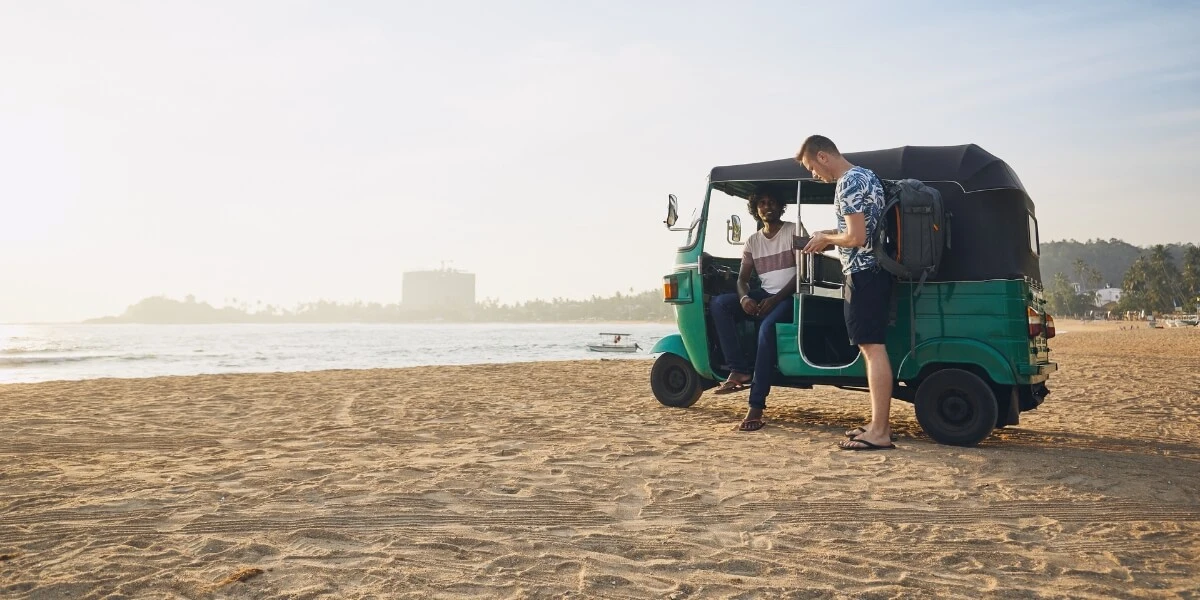
If there is one universal truth about travelling in Sri Lanka, it is this: a tuk-tuk driver will attempt to overcharge you. It is not a question of if, but of how creatively.
The classic version goes like this. You flag down a tuk-tuk. You tell the driver your destination. He nods agreeably and starts driving. No discussion of price. No meter. When you arrive, he names a figure that would comfortably cover the fuel cost of a small aircraft. If you protest, he looks wounded. If you try to negotiate, he stands firm. You pay because you're standing in the sun and your hotel is right there.
The more sophisticated version involves a meter — or rather, a phone app that looks like a meter but calculates fares at roughly three times the actual rate. Some drivers use legitimate meter apps, then toggle to a rigged version when a foreign face climbs in.
What you should actually pay: a tuk-tuk ride within a town should cost between 100–300 LKR for short distances. A longer ride of 5–10 kilometres should be in the range of 500–1,000 LKR. Download the PickMe app before you arrive. It works like Uber, shows you the fare upfront, and eliminates the negotiation entirely. When PickMe isn't available, agree on the price before you sit down. Not after. Before.
Avoid the common pitfalls of overcharging. Use our real-time price feature to verify your fare instantly.
2. The "Special Festival Today" Detour
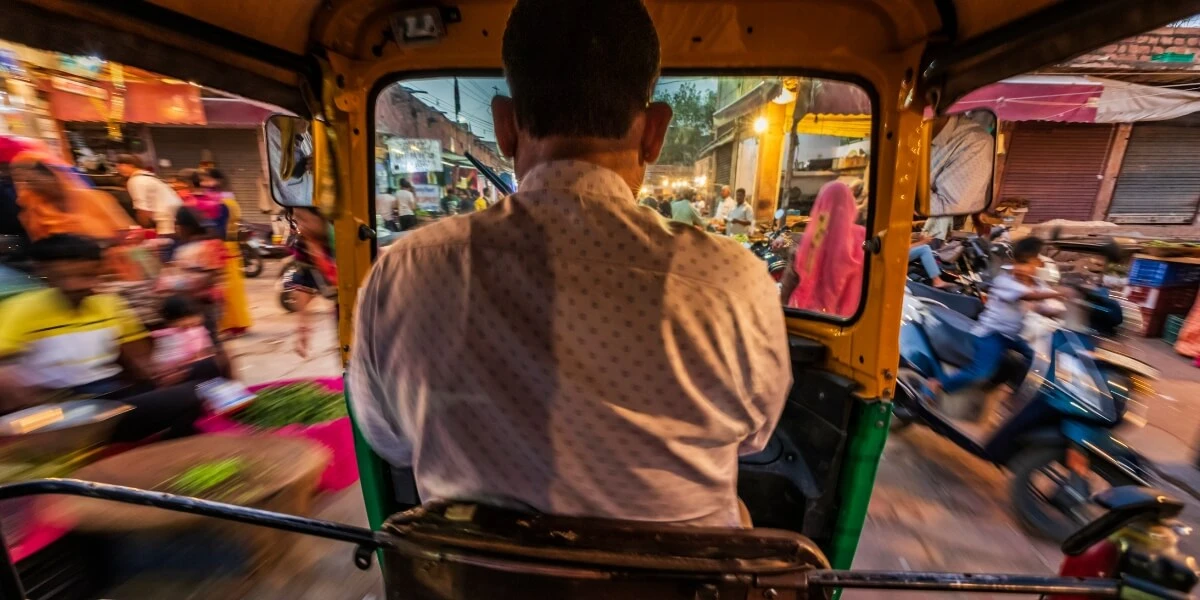
You are walking near a temple. A friendly stranger approaches and tells you, with great excitement, that there is a special religious ceremony happening right now at a temple that tourists never get to see. What luck! He happens to know a tuk-tuk driver who can take you there.
There is no special ceremony. There is, however, a gem shop, a batik factory, or an overpriced spice garden at the end of the ride. The friendly stranger and the tuk-tuk driver split a commission on whatever you buy. The "temple" was never the destination.
This scam is so common in Colombo and Kandy that local tourism officials have publicly acknowledged it. The tell is always the same: an unsolicited approach from someone who seems oddly invested in your afternoon plans. Real Sri Lankans who want to help you will answer your questions and walk away. Scammers stick around.
3. The Gem Shop "Investment Opportunity"

Sri Lanka produces some of the finest sapphires and gemstones in the world. It also produces some of the finest stories about why you should spend several thousand dollars on stones you cannot evaluate.
The setup is nearly always the same. A driver, a hotel employee, or a seemingly random local steers you toward a "government-approved" gem shop. Inside, a well-dressed salesperson explains that Sri Lankan gems can be resold at enormous profit in your home country. They show you certificates of authenticity. They offer to "pack them specially" for customs. The prices are, of course, wildly inflated. The certificates are meaningless. And the gems, in many cases, are either synthetic or of a grade that no reputable jeweller would stock.
The rule is straightforward. Unless you are a trained gemologist who brought a loupe and knows the current wholesale price of blue sapphire per carat, do not buy gemstones in Sri Lanka from anyone who approached you first. If you genuinely want to purchase stones, visit the National Gem and Jewellery Authority in Colombo, where certified dealers operate under government oversight.
4. The Spice Garden Guilt Trip
This one is subtle, and it works precisely because it doesn't feel like a scam at first.
You visit a spice garden, usually somewhere between Kandy and Dambulla. The tour is "free." A knowledgeable guide walks you through the plants, explains the medicinal properties of cinnamon, turmeric, and cloves, and perhaps gives you a complimentary head massage with some fragrant oil. It's lovely. Then comes the shop.
The products — spice oils, balms, creams, "ayurvedic remedies" — are marked up by 500–1000% compared to what you would pay in a local pharmacy or supermarket. The guide who was so charming ten minutes ago now stands uncomfortably close while you browse, making it socially excruciating to leave without buying something. The guilt is the business model.
There is nothing wrong with visiting a spice garden. They're genuinely interesting. Just know that a jar of coconut oil that costs 200 LKR at Keells or Cargills supermarket will cost 2,000–5,000 LKR in the spice garden gift shop. Buy your spices at a local market instead. Kandy's central market has everything at local prices, with zero guilt-tripping.
5. The Fake Stilt Fishermen
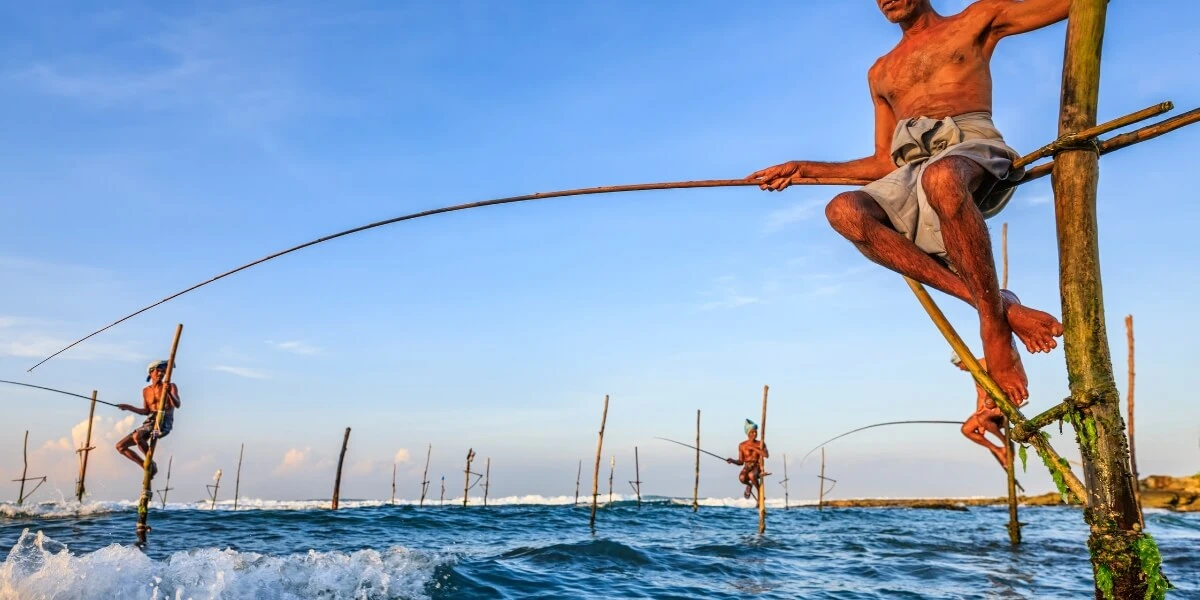
The stilt fishermen of southern Sri Lanka are one of the island's most iconic images. You've seen them in every travel magazine: lean figures perched on wooden poles in the shallows, silhouetted against the sunset, patiently waiting for a catch.
Here is what the magazines don't tell you. Many of the "fishermen" along the tourist route between Galle and Matara are not fishermen at all. They are performers. They sit on the stilts, strike the pose, wait for you to raise your camera, and then an accomplice appears to demand payment for the photograph. Typical charge: 1,000–3,000 LKR per photo.
Genuine stilt fishing still exists, but it happens early in the morning, away from the tourist-heavy stretches of beach, and the real fishermen are far too busy catching their dinner to pose for your Instagram. If you want authentic photographs, ask your accommodation to point you toward a working fishing village. If someone is sitting on stilts at 4pm with no bait, no line, and a suspiciously photogenic pose, you're looking at a performance, not a profession.
6. The Bus Conductor Who "Ran Out of Tickets"
Public buses in Sri Lanka are cheap, frequent, and absolutely chaotic. They are also a place where overcharging tourists is something of a cottage industry.
The method is simple. You board the bus. The conductor takes your money. He does not give you a ticket. He tells you he's out of ticket paper, or that tickets aren't needed for short journeys. What has actually happened is that he's charged you two or three times the actual fare and pocketed the difference.
All Sri Lankan bus conductors are legally required to issue a ticket. If one doesn't, you've been overcharged. The solution: ask a local passenger what the fare should be before you pay, carry small denominations so you can offer exact change, and always ask for a ticket. The words "ticket ekak" (one ticket) go a surprisingly long way.
7. The "Your Hotel Is Closed" Redirect
You arrive in a new town. You tell your tuk-tuk driver the name of your hotel. He shakes his head sadly. "Closed for renovations," he says. Or "flooded." Or "burned down." He knows a much better place, though. Very clean. Very cheap.
Your hotel is fine. It has been fine all along. The driver has a commission arrangement with the "much better place" and earns a referral fee for every tourist he delivers. This scam is rampant in Colombo, Kandy, and Ella, and it has been reported so frequently on travel forums that it's almost a rite of passage.
The fix: call your hotel before getting into the tuk-tuk. Better yet, have your accommodation send a pickup or share a location pin on WhatsApp so you can navigate yourself using Google Maps. Never let a driver dictate where you sleep.
8. The Fake Temple Blessing
You're visiting a Buddhist temple. Someone in robes approaches, ties a bracelet around your wrist, and offers a "blessing." It feels sacred. It feels like a genuine cultural exchange. Then comes the request for a donation. A specific donation. Usually 1,000–5,000 LKR.
Real monks do not solicit money from tourists at temple entrances. Real blessings are offered freely. If someone approaches you with string, beads, or any object and then expects payment, this is commerce dressed in spiritual clothing.
Donate at the official donation boxes inside the temple if you wish. Politely decline unsolicited blessings at the gate. Sri Lankan Buddhist culture is beautiful and worth engaging with sincerely — which is exactly why the fake-blessing scam is so cynical.
9. The Credit Card "Double Swipe"
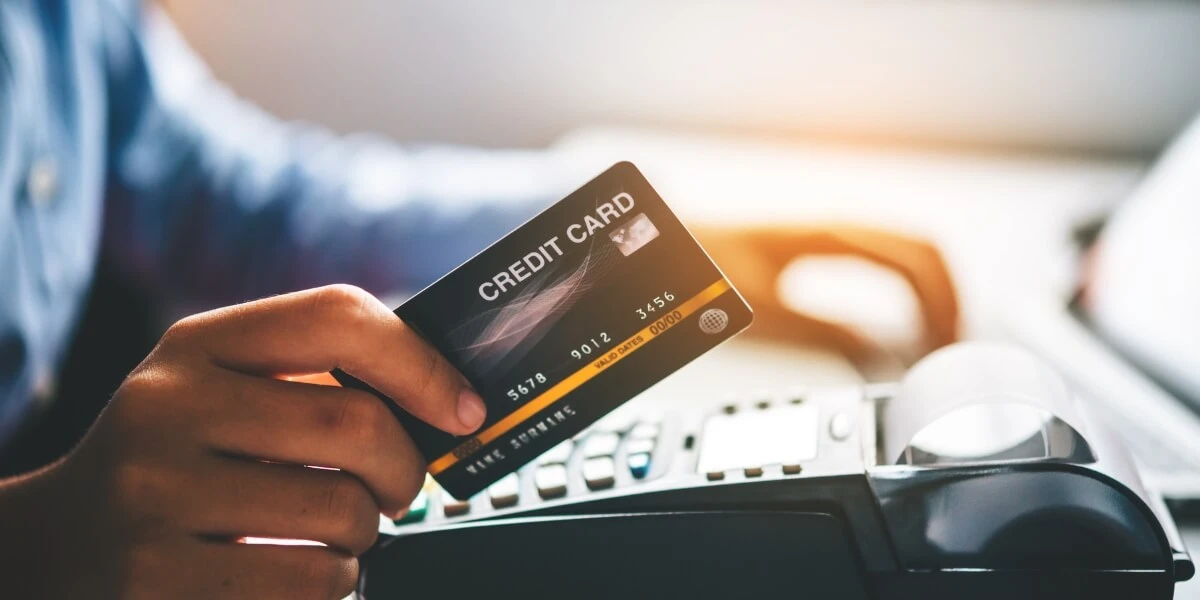
Sri Lanka is still primarily a cash economy, but card acceptance is growing, especially in tourist areas. With it comes a new class of scam.
The most common version: a merchant swipes your card, then tells you the transaction failed and asks to try again. Both transactions go through. You discover the duplicate charge three days later when you check your banking app. More sophisticated operators enter the amount in your home currency rather than rupees, applying an exchange rate that would make a central banker blush.
Protect yourself by paying in rupees whenever given the option, watching the terminal screen as the amount is entered, and checking your statements daily while travelling. For smaller purchases, cash is still your safest friend in Sri Lanka.
10. The "Friendly Local" Bar Setup
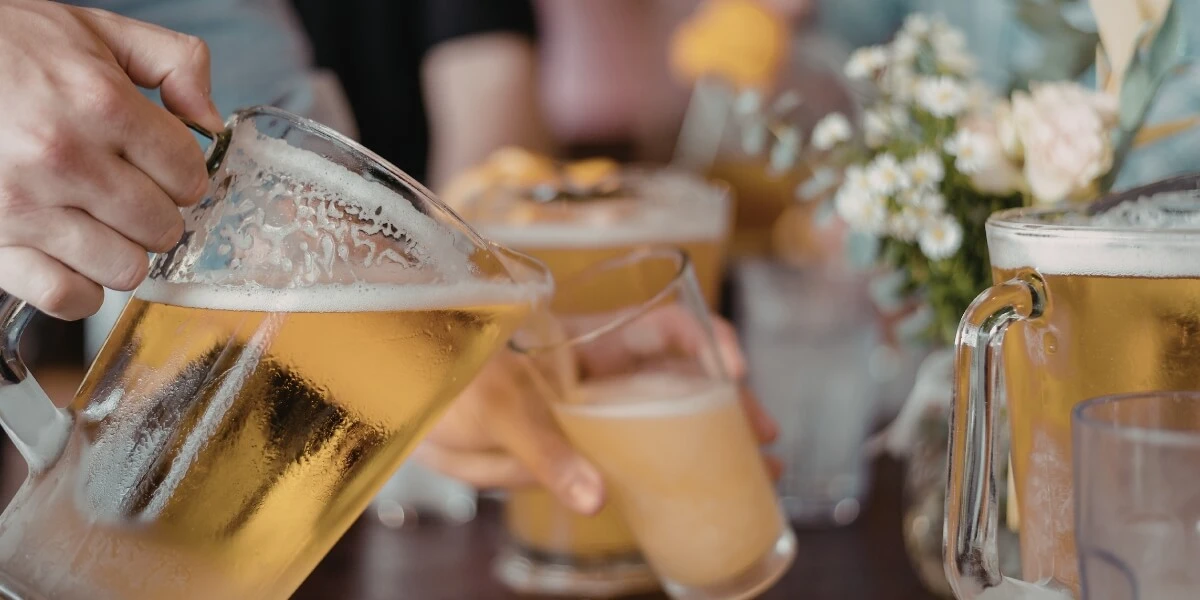
A charming stranger strikes up a conversation. Maybe at the beach, maybe near your hotel. He's funny, knowledgeable about local history, and suggests you grab a drink at a great place he knows. You go. You order a beer. He orders several. Then he excuses himself to "make a phone call" and never returns. The bill, inflated to include charges for things you didn't order, lands on your table.
The stranger and the bar staff split the proceeds. This scam operates mainly in Colombo's Fort area and the southern beach towns. The defence is intuition. If a stranger is investing an unusual amount of energy in becoming your friend within minutes of meeting you, ask yourself what's in it for them. In most cases, the answer is your bar tab.
11. The Safari Jeep Bait-and-Switch
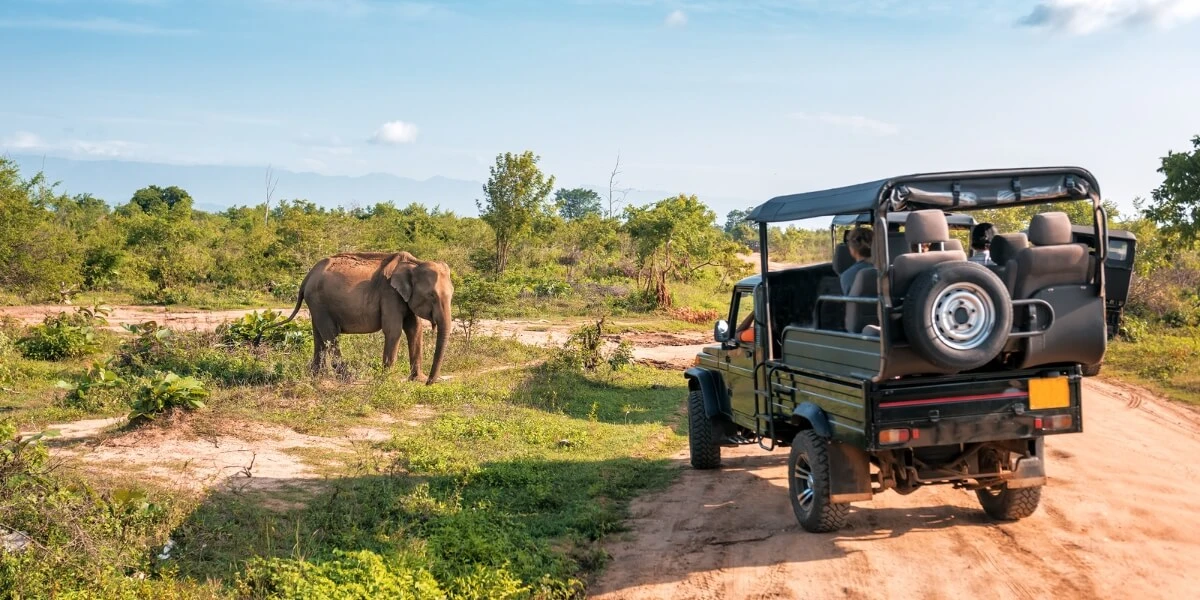
You book a safari at Yala or Udawalawe. The listing promises a comfortable jeep, an experienced naturalist guide, and a small group of four to six people. What arrives is a rattling vehicle with twelve passengers, a driver who doubles as the "guide," and a complete absence of binoculars, water, or wildlife knowledge.
This happens because some operators accept more bookings than they have vehicles for. They consolidate tourists onto fewer jeeps and pocket the difference. The guide, if you can call him that, points vaguely at anything that moves and calls it a leopard.
Book through a reputable operator — your accommodation can usually recommend one — and confirm the details in writing: vehicle condition, maximum passengers, whether the guide is a certified naturalist, and what's included. Pay a deposit rather than the full amount upfront, and hold the balance until the service matches what was promised.
12. The Train Ticket Scalper
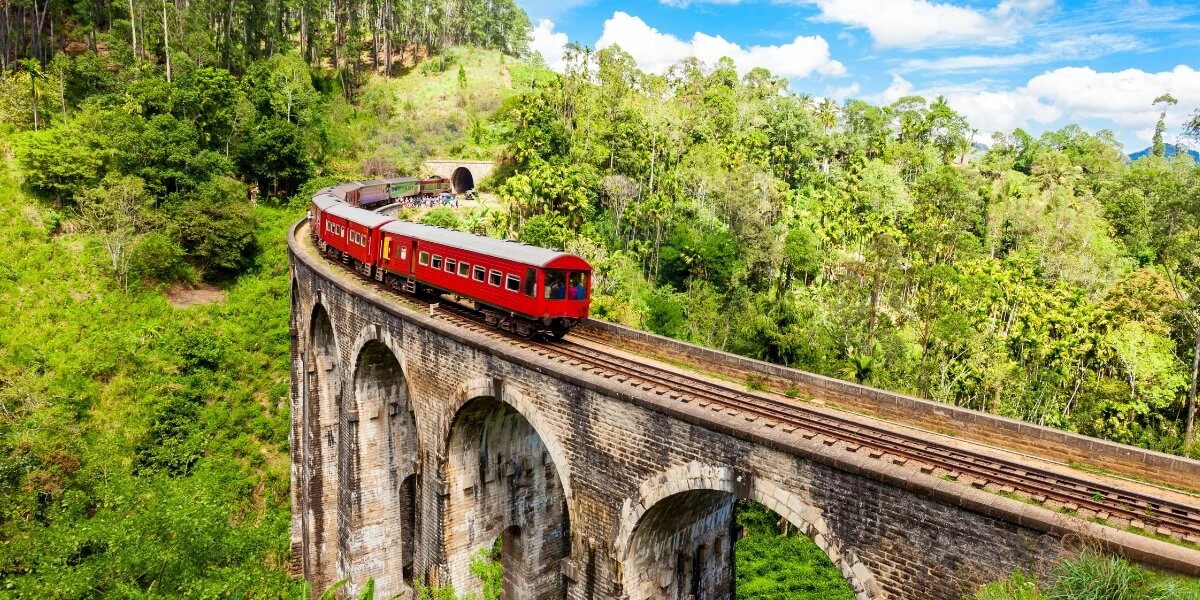
The Kandy to Ella train is the most famous rail journey in Sri Lanka, which means the tickets are gold dust in high season. Scalpers know this. They buy up reserved seats the moment bookings open and resell them at five to fifteen times the face value.
A second-class reserved ticket that officially costs around 4,000 LKR (roughly 13 USD) might be offered to you at 10,000–15,000 LKR through a tout outside the station. Online third-party platforms charge less aggressively but still mark up significantly.
The alternative: try booking through the official Sri Lanka Railways website exactly 30 days before your travel date. If that fails, buy an unreserved ticket at the station on the day — you might stand for part of the journey, but the scenery is the same from any position. Or board at Peradeniya instead of Kandy for a better chance at a seat.
13. The Airport Visa "Assistant"
You land at Bandaranaike International Airport. Someone in semi-official clothing approaches and offers to "help" you with your visa. They guide you to a counter, fill out forms, and charge you substantially more than the actual visa fee. The service they provided was completely unnecessary — you could have done it yourself at the official counter in five minutes, or better yet, applied online before leaving home.
Sri Lanka's ETA (Electronic Travel Authorisation) can be completed online before your trip. As of 2026, the process is straightforward, and a standard tourist visa for 30 days is available at a clearly posted fee. Do it before you board your flight and walk straight through immigration on arrival.
14. The Ayurvedic Spa Copycat

Sri Lanka has a genuine, centuries-old Ayurvedic healing tradition. It also has roadside operations that have discovered that the word "Ayurvedic" on a signboard can charge foreigners premium prices for a mediocre oil massage with products bought in bulk from a Colombo wholesaler.
These copycat spas tend to cluster near popular tourist spots. They mimic the signage and language of legitimate Ayurvedic clinics, but the practitioners are untrained, the oils are generic, and the treatment bears roughly the same relationship to real Ayurveda as a microwave dinner bears to a Michelin-starred meal.
If Ayurveda interests you, book through a certified retreat or a hotel with a licensed practitioner. The Siddhalepa Ayurveda chain, for example, operates government-registered facilities. Your guesthouse owner will almost certainly know who's legitimate and who's not. Ask.
What Things Should Actually Cost: A Quick Reality Check
Half the power in avoiding scams comes from knowing the right price. Here's what we actually paid when we got it right:
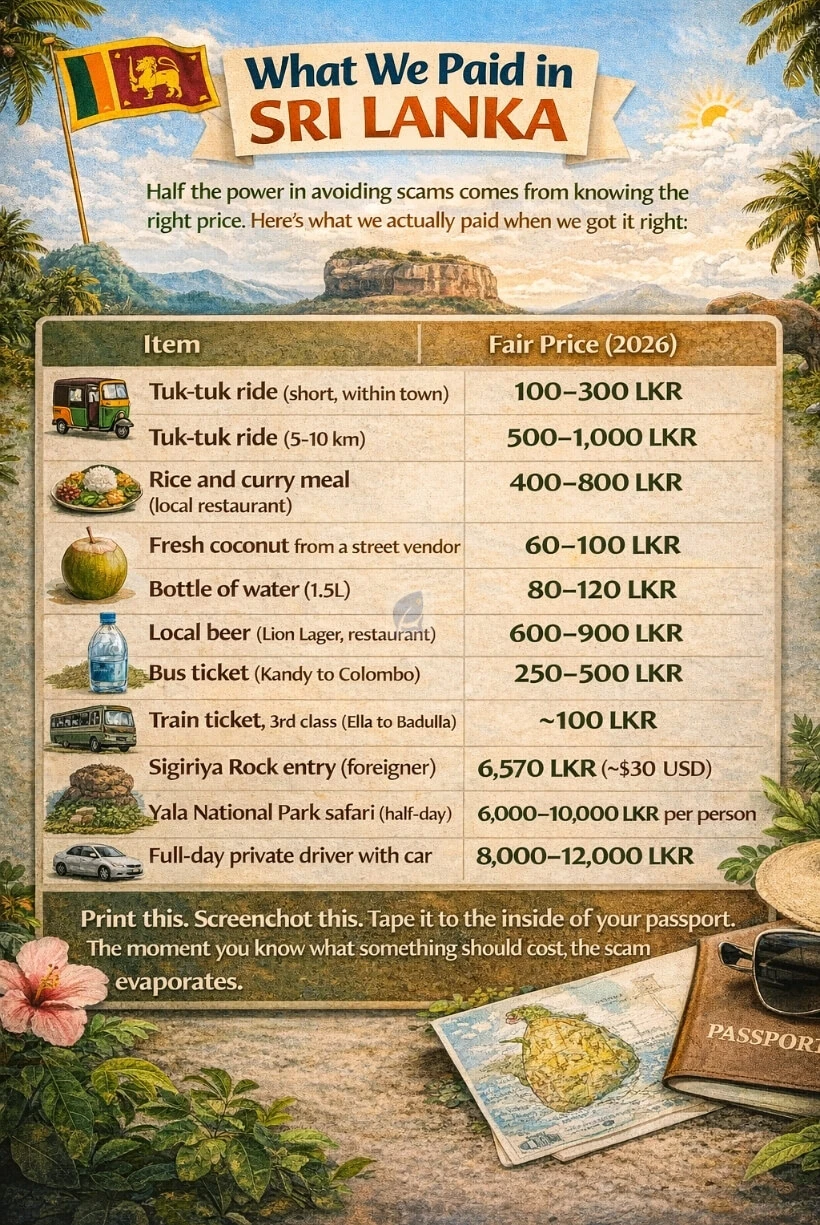
Print this. Screenshot this. Tape it to the inside of your passport. The moment you know what something should cost, the scam evaporates.
The Uncomfortable Truth That Makes All of This Forgivable
Sri Lanka's economy collapsed in 2022. The country defaulted on its foreign debt for the first time in history. Inflation annihilated the purchasing power of ordinary people. Tourism — which accounts for nearly 8% of the country's jobs — was the sector that pulled the economy back from the edge.
This doesn't excuse anyone who rips you off. But it does provide context. The tuk-tuk driver who overcharges you by 500 rupees is not a criminal mastermind. He's a man with a family who has discovered that tourists will pay more than locals, and that the margin between the two prices feeds his children. Sri Lankan per capita income is roughly 3,800 USD a year. Yours is probably higher.
The correct response is not to become suspicious of everyone, nor to haggle every transaction down to the last rupee as if you're negotiating an oil contract. The correct response is to know the fair price, pay it cheerfully, and tip generously when someone provides good service. You can be informed without being adversarial. You can protect your wallet without losing your warmth.
Sri Lanka deserves your visit. It deserves your money. It just doesn't deserve your entire wallet.
Don't rely on guesswork. Join the community of travelers sharing live alerts in our Scam Watch feature—because a prepared traveler is a savvy one.
Frequently Asked Questions
Is Sri Lanka safe for tourists in 2026?
Yes. Sri Lanka is generally safe for tourists and ranks among the safest destinations in South Asia. Violent crime against visitors is rare. The main risks are petty scams and overcharging, which are avoidable with basic awareness. Exercise the same common-sense precautions you would in any tourist destination.
What is the most common scam in Sri Lanka?
Tuk-tuk overcharging is by far the most common scam tourists encounter. Drivers may refuse to use meters, quote inflated fares, or use rigged phone-based meter apps. Always agree on a price before the ride or use the PickMe app for transparent pricing.
Should I buy gemstones in Sri Lanka?
Only from certified dealers registered with the National Gem and Jewellery Authority. Never buy from shops that a tuk-tuk driver, hotel employee, or street acquaintance steers you toward. The markup on tourist-targeted gem shops can exceed 1,000%, and certificates of authenticity are easily faked.
How much should a tuk-tuk cost in Sri Lanka?
Short rides within a town should cost 100–300 LKR. Rides of 5–10 kilometres typically cost 500–1,000 LKR. For longer journeys, negotiate a flat rate before departure or use the PickMe ride-hailing app for an upfront fare.
Do I need to get my Sri Lanka visa at the airport?
No. You can apply for an Electronic Travel Authorisation (ETA) online before your trip. This avoids the "visa assistant" scam at Colombo airport and allows you to pass through immigration quickly on arrival. The process takes a few minutes and the fee is clearly posted on the official ETA portal.
Are stilt fishermen in Sri Lanka real?
Traditional stilt fishing is a genuine practice in southern Sri Lanka, but many of the fishermen visible along the tourist route between Galle and Matara are performers posing for photographs, not working fishermen. Authentic stilt fishing takes place early in the morning, away from tourist-heavy beaches.