The 2026 Budget Breakdown: What Will Your Rupees Buy?
If you are landing in Colombo this week, you are part of a historic month. We have already crossed the 400,000 arrival mark for the year, and that demand has created a "new normal" for pricing. While we aren't at European prices yet, the days of the $5 luxury villa are long gone. Here is what your wallet can expect in February 2026.
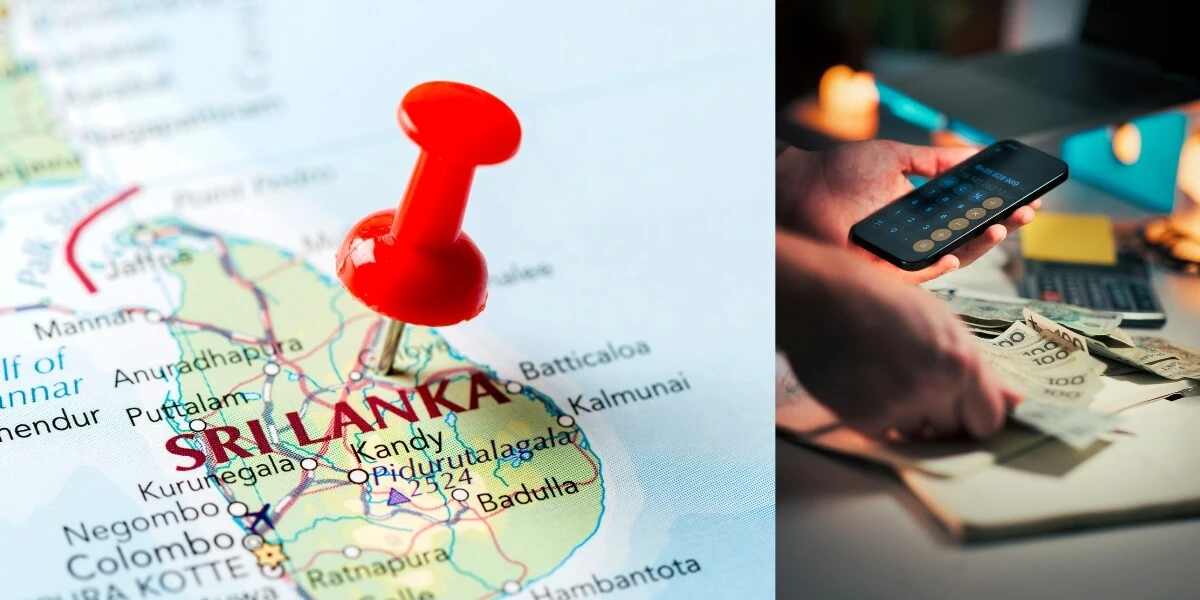
1. Daily Budgets: Three Ways to Play it
Based on the current 2026 exchange rates and local inflation, here is how the daily tiers look:
The Backpacker ($35–$50): This covers a clean dorm bed or a simple homestay, two local "rice and curry" meals, public buses or trains, and maybe one small entrance fee (like a local temple).
The Mid-Range ($70–$120): Our "sweet spot." This gets you a nice air-conditioned boutique guesthouse with a pool, a mix of local cafes and tourist restaurants, a private tuk-tuk for city hops, and a major site visit like Sigiriya.
The Luxury Splash ($180+): This is for the high-end resorts, private chauffeurs, and curated safaris. In 2026, Sri Lanka offers some of the best luxury value in Asia, where $250 a night can get you a five-star colonial villa that would cost $800 in Bali.
2. The "Tourist Tax" vs. Local Prices
Sri Lanka operates on a dual-pricing system. As a local, I believe in being transparent about this.
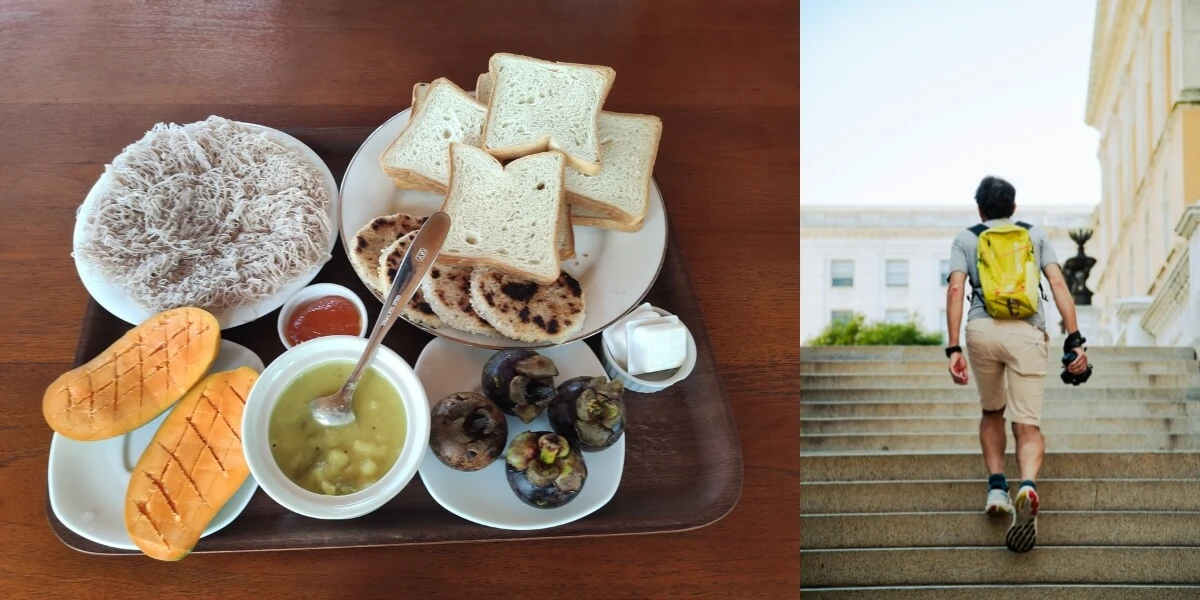
Entry Fees Sites like Sigiriya Rock (~$30 USD) or a Yala Safari ($60–$90 USD including the jeep) are significantly more expensive for foreigners than locals. These fees fund the conservation of our heritage, but they can eat a budget quickly.
Expert Tip: If your budget is tight, pick one "big" heritage site (Sigiriya) and swap the others for free or low-cost alternatives like Yapahuwa or a hike up Pidurangala.
3. Food and Drink: Eating Like a Local
This is where you can save the most money in 2026.
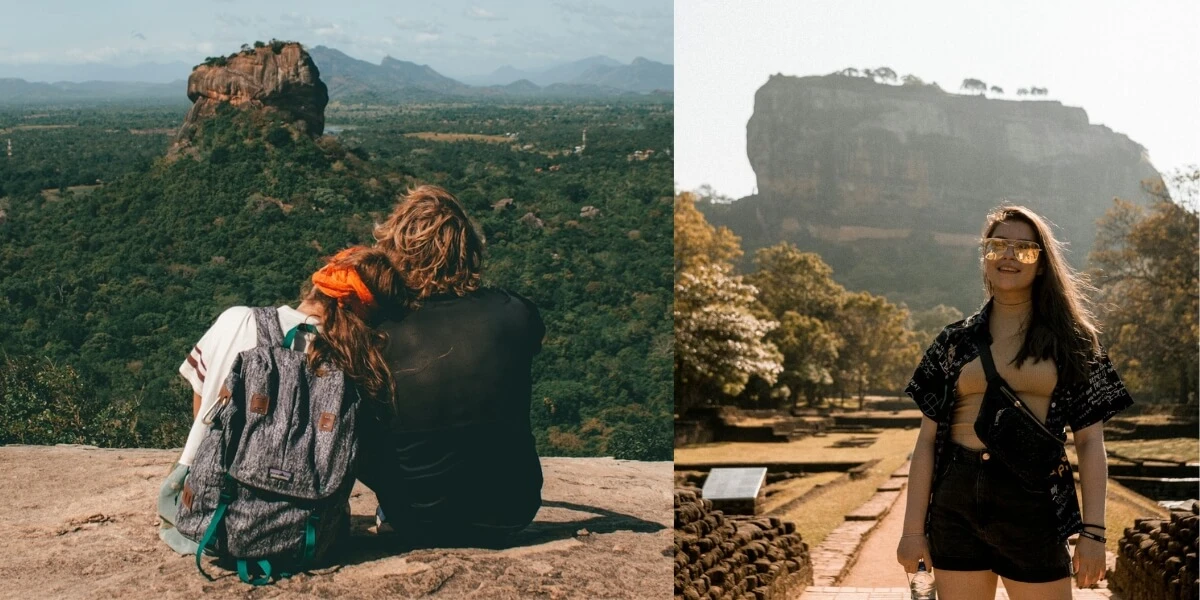
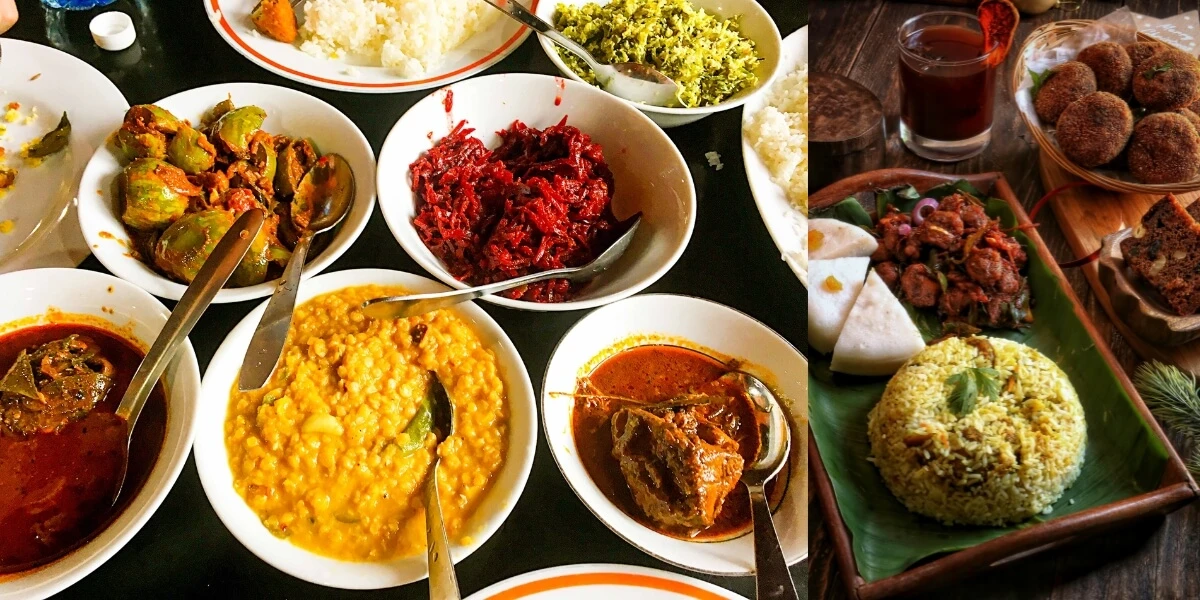
Local "Hotels": Don't be confused; in Sri Lanka, a "Hotel" is often a small local eatery. A massive plate of rice and curry here will cost you about $2–$4 USD.
The "Tourist" Cafe: In hubs like Mirissa or Ella, a Western-style avocado toast and coffee will set you back about $8–$12 USD.
Alcohol: Because of recent tax shifts, alcohol is pricier than you might expect. A local Lion Beer at a beach bar is about $1.10 USD, but imported spirits are taxed heavily.
4. Transport: The 2026 Logistics
In 2026, the way you move determines what you spend.
Public Transport: Buses and trains remain incredibly cheap (under $5 for most long-distance routes). However, they are crowded this February.
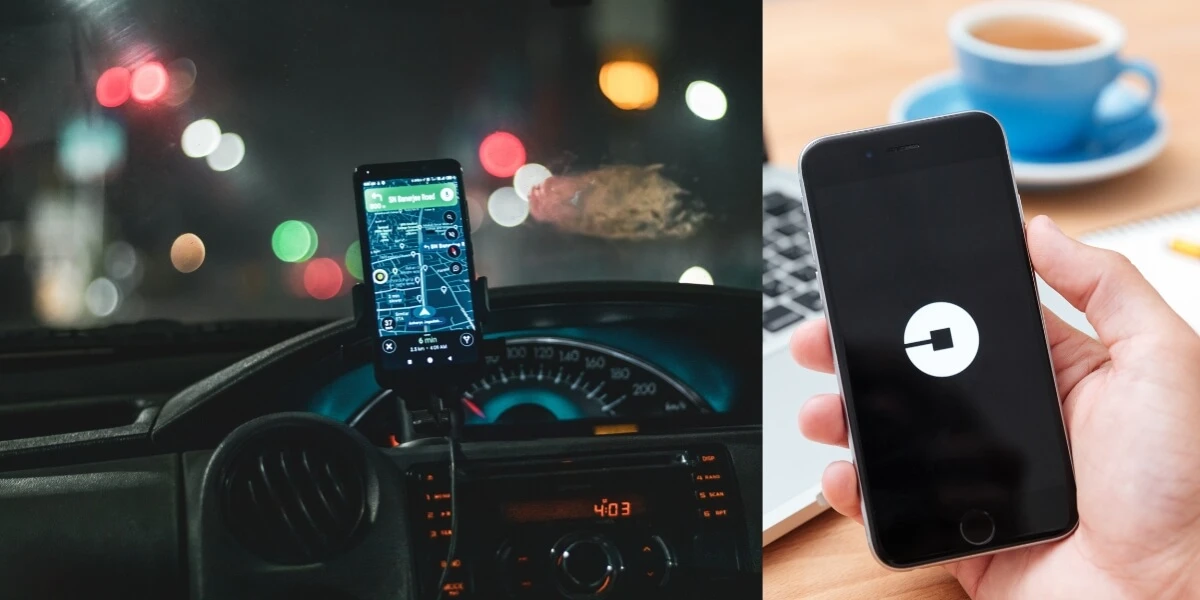
PickMe & Uber: In Colombo and Kandy, always use these apps. They prevent the "haggling headache" and give you the fair local rate.
Private Drivers: This is our most popular 2026 trend. Hiring a driver for a week (including fuel and their accommodation) costs about $50–$70 USD per day. For families or groups, this is actually more cost-effective than multiple train tickets and tuk-tuks.
5. Hidden Costs to Watch For
Service Charge: Most restaurants add a 10% service charge. Tipping on top of this is appreciated but not mandatory unless the service was exceptional.
Poya Days: Remember, the Full Moon Poya day this February means no alcohol sales. Plan your grocery run the day before!
The Verdict for February 2026: Sri Lanka remains one of the best value-for-money destinations in the world. You get the diversity of a continent on a small island. Be smart with your site choices, eat local for lunch, and you will find that the "Pearl of the Indian Ocean" is as affordable as it is beautiful.