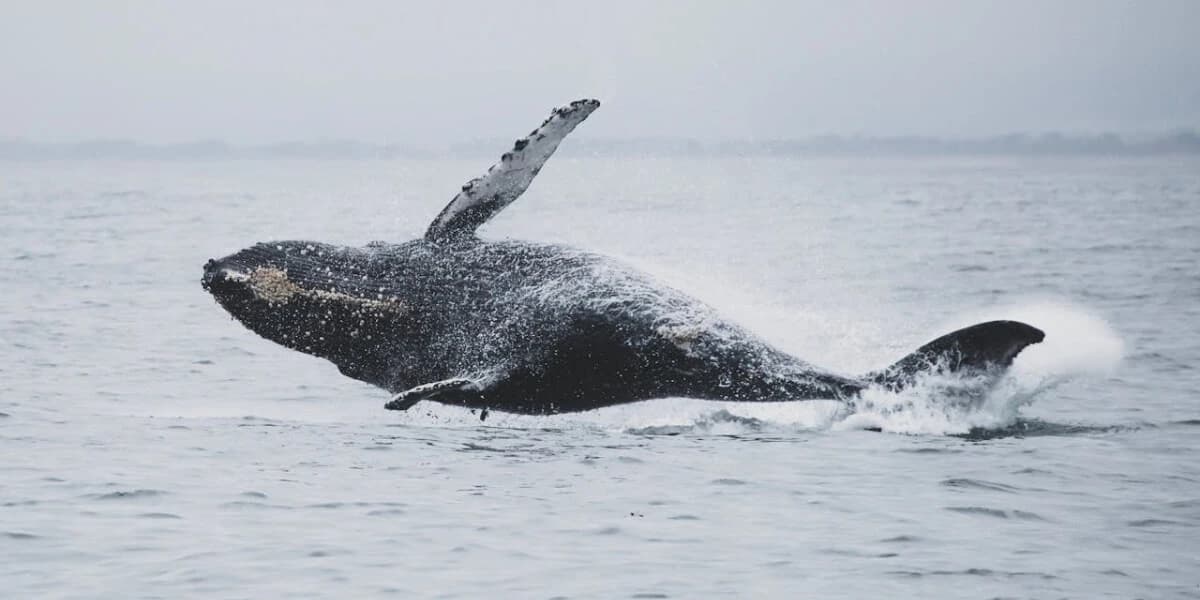
The 2026 Marine Report: Where are the Giants?
If you are standing on the southern docks this February, you are in luck. While Sri Lanka is famous for a year-round whale season, the location depends entirely on the "monsoon flip." As of today, the ocean is behaving exactly as we hoped for 2026.
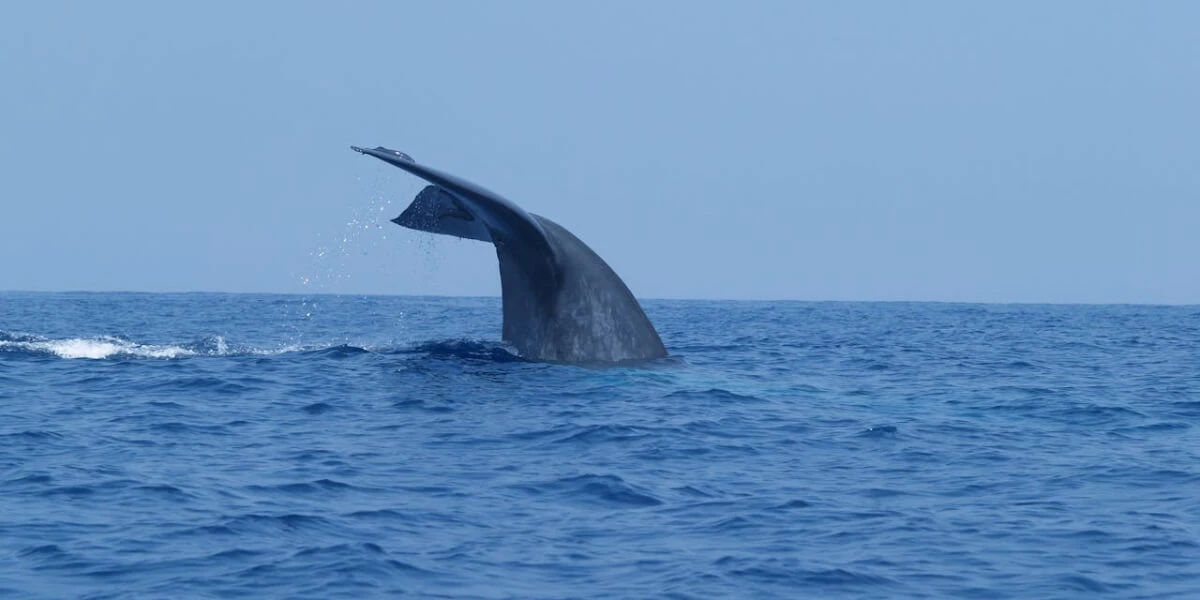
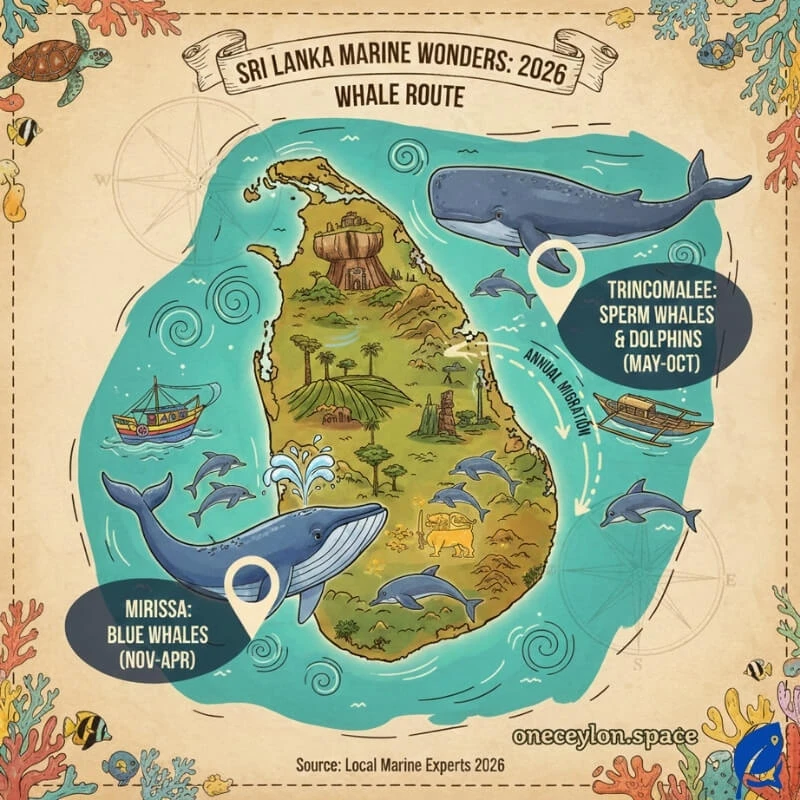
1. Mirissa: The Blue Whale Throne (Best Right Now)
February is the heart of the southern season. The "Maha" monsoon has settled, leaving the waters off Mirissa and Dondra Head like a mirror.
The Sightings: We are currently seeing a high concentration of Blue Whales just 10 to 15 nautical miles from the shore. This is the peak window before they begin their migration toward the east.
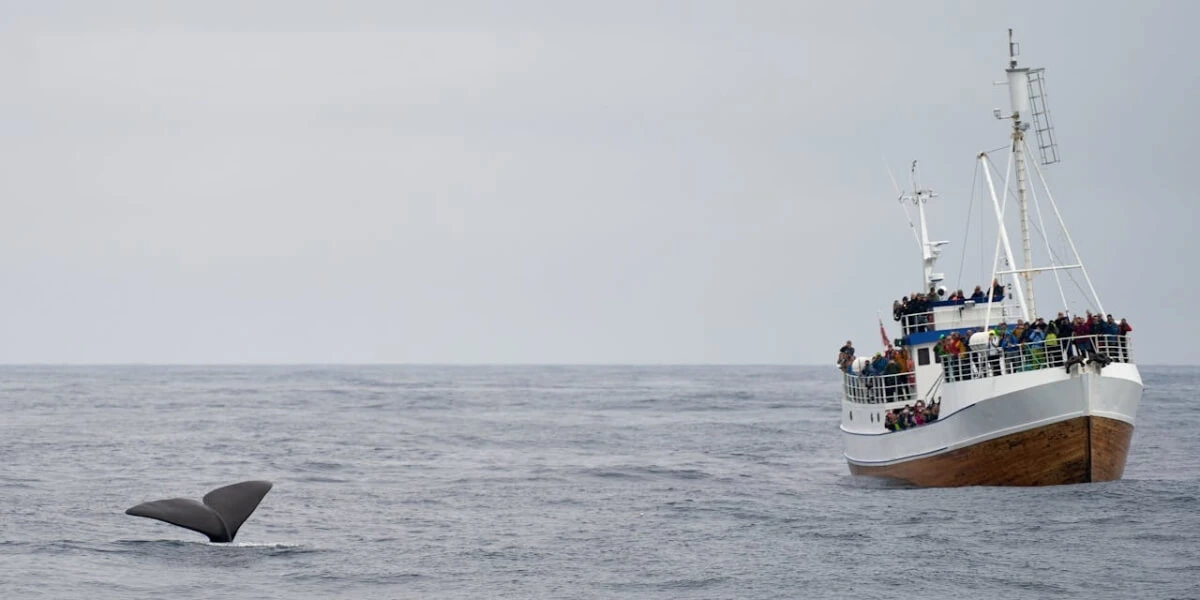
The Crowd Factor: Because 2026 is a record year, the harbor is busy. To have a soulful experience, I recommend booking a "Responsible Tourism" certified vessel. These boats carry fewer passengers and keep a respectful distance from the animals, which actually results in longer, better sightings because the whales stay on the surface longer when they don't feel crowded.
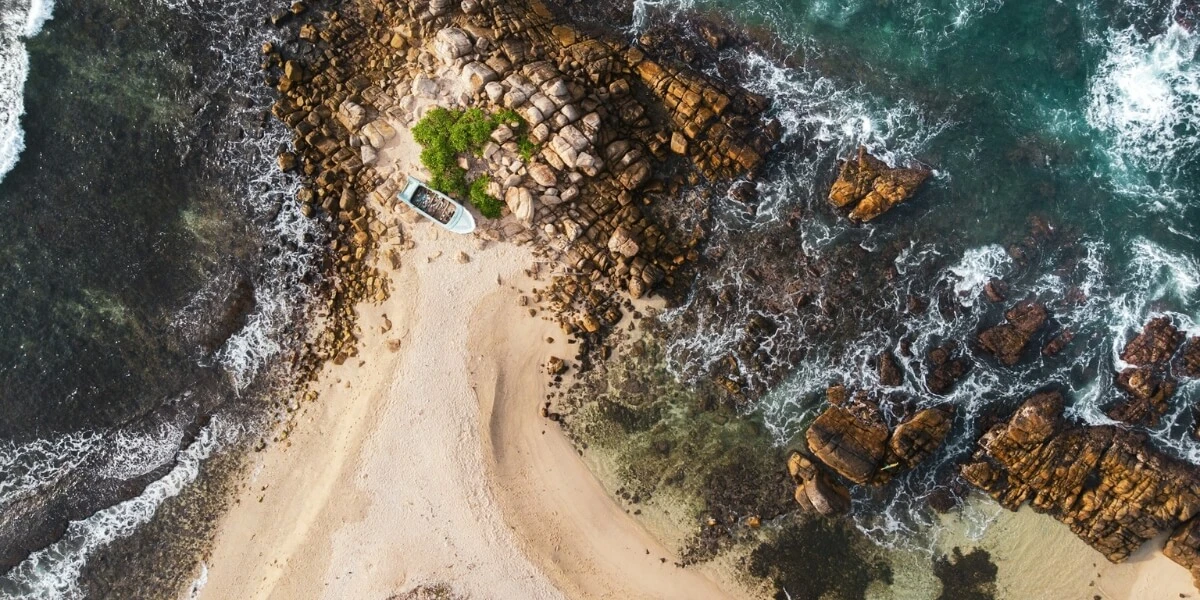
2. Trincomalee: The Rising Alternative
While the official "Trinco" season starts in May, 2026 has seen some early activity. If you prefer a quieter vibe and don't mind a slightly longer boat ride, the East Coast is starting to wake up.
Sperm Whale Bonus: While Mirissa is for Blue Whales, Trincomalee is the world’s playground for Sperm Whales. We’ve had reports of small pods appearing early this month near the deep submarine canyon.
The Atmosphere: If Mirissa feels too much like a party, Trincomalee offers a rugged, untouched feel. You might be the only boat in sight, which makes the encounter feel personal and profound.
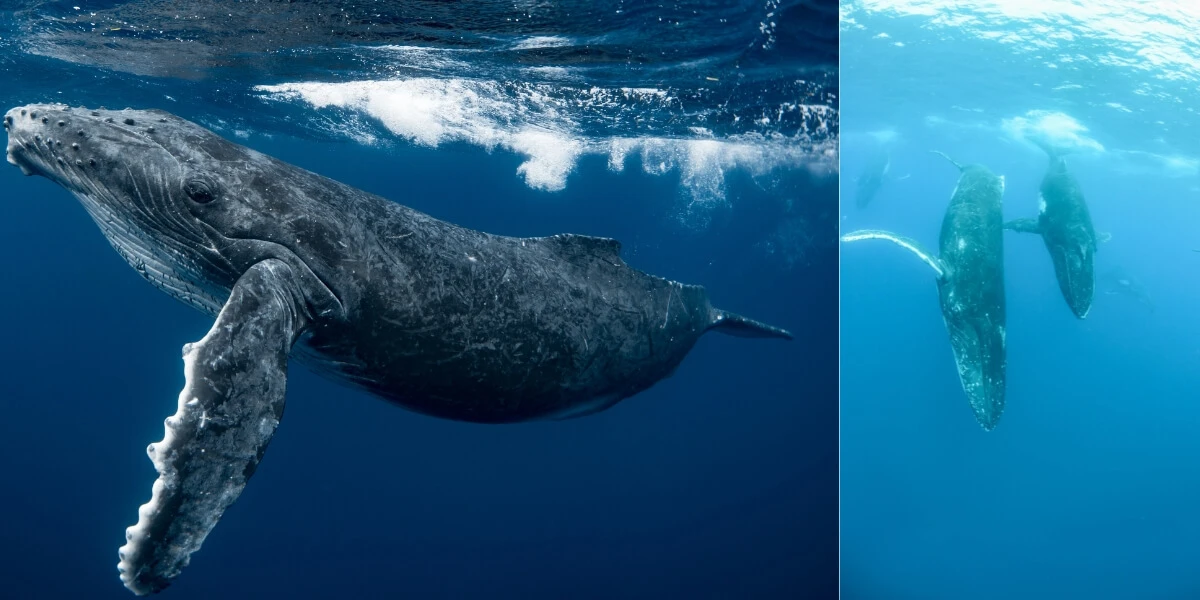
3. The "Ethical" Question: How to Choose a Boat
In 2026, the Sri Lankan Coast Guard and the Department of Wildlife have tightened the rules on "whale chasing." As a local, I beg you: Do not go with the cheapest boat.
Cheap operators often "rev" their engines and circle the whales, which
causes them to dive in stress. Look for operators who use sonar-friendly engines and provide a safety briefing. You’ll pay about $35 to $50 USD, but the experience is infinitely better for both you and the marine life.
4. Logistics: Seasickness and Sun
The Indian Ocean is powerful. Even on a "calm" February day, the swell can be tricky.
The Local Hack: Take your ginger tea or motion sickness tablet thirty minutes before you step on the boat. Once you are on the water, it is too late.
The 6:00 AM Rule: Most boats leave the Mirissa harbor by 6:30 AM. In 2026, the traffic at the harbor gate is high. Tell your driver to have you there by 6:00 AM so you can grab a good seat on the upper deck.
5. What Else is in the Water?
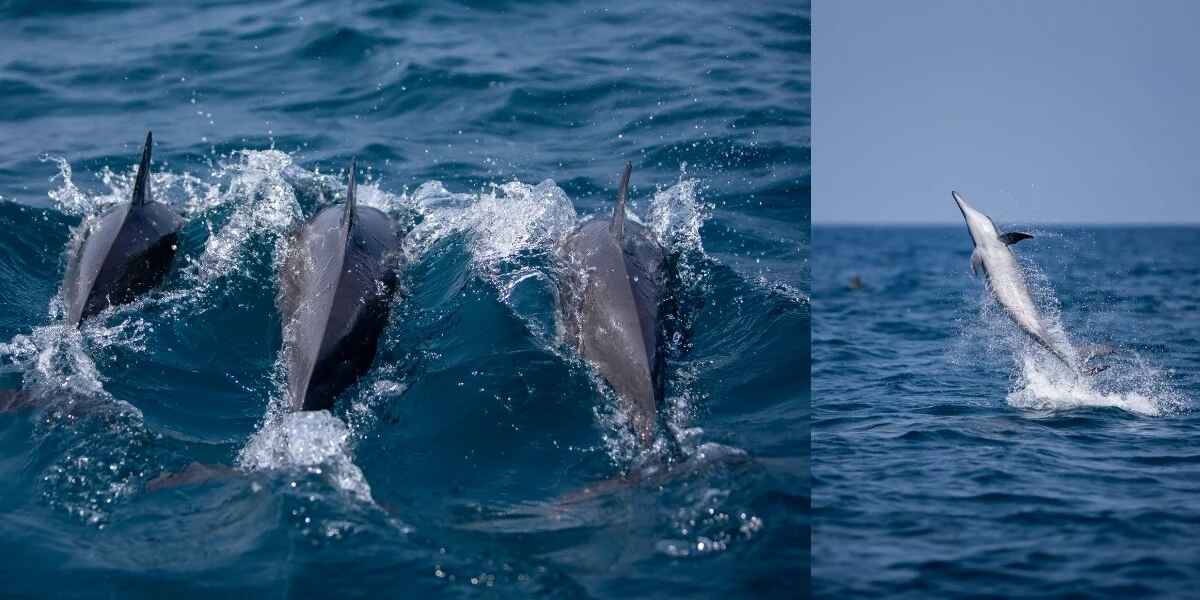
It isn't just about the whales. This month, we are seeing massive "super-pods" of Spinner Dolphins—sometimes numbering in the hundreds. If you are lucky, you might even spot a Whale Shark or a pod of Orcas, which have been making rare but exciting appearances off the coast of Galle this season.
The Verdict for February 2026: If you want the highest probability of seeing a Blue Whale, Mirissa is your destination. If you are traveling later in the year, or if you want to skip the 2026 tourist rush, save your ocean days for Trincomalee starting in May.
Places Mentioned(2)
Mirissa Beach
Mirissa Beach, Mirissa, Sri Lanka
Trincomalee whales & dolphins watching
No 5 sally sampathivo, Trincomalee, Sri Lanka
Tap a place card to see more details • Swipe to see all 2 places