I have always believed that the consumer is not a moron; she is your wife. Or, in this case, the discerning traveler is not a walking wallet; they are an explorer seeking truth, value, and a modicum of comfort.
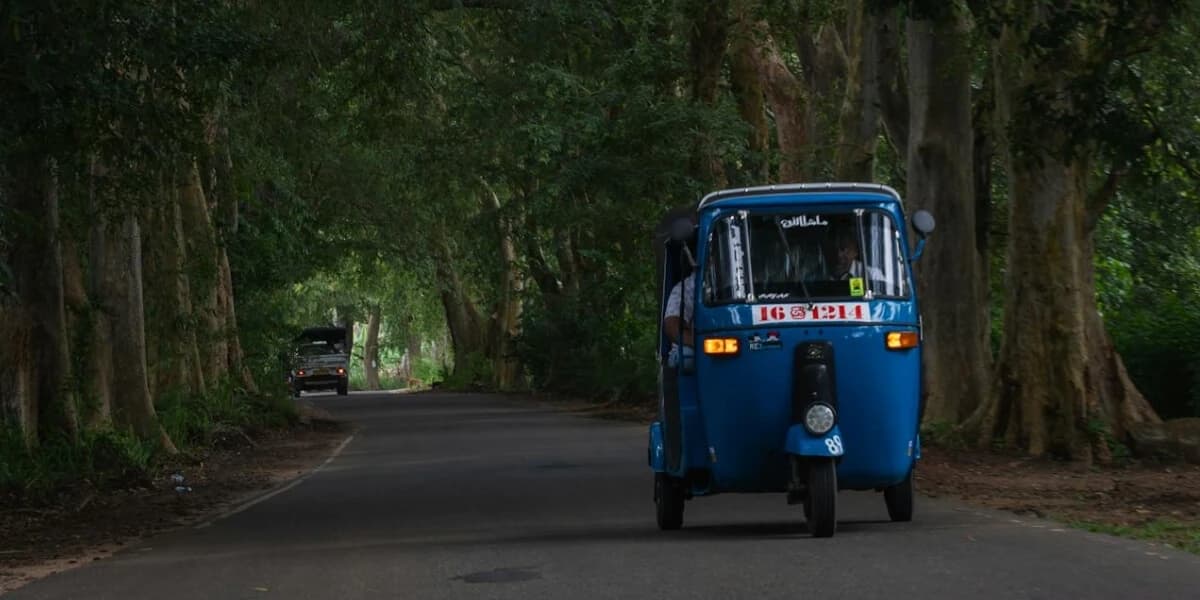
When you arrive in Sri Lanka, you are immediately confronted by a cacophony of sound, a riot of color, and a swarm of three-wheeled, motorized tricycles darting through the traffic like brightly painted beetles. These are the tuk-tuks.
For the uninitiated tourist, the tuk-tuk represents a daunting proposition. It is a vehicle entirely lacking in airbags, air conditioning, and, quite frequently, doors. Yet, to avoid the tuk-tuk is to miss the very heartbeat of the island.
This is not a mere travelogue. It is a manual. A strictly factual, deeply researched, and wholly unsentimental guide to mastering the tuk-tuk in Sri Lanka. If you wish to travel the island without being fleeced, without suffering unnecessary anxiety, and with a smile upon your face, I urge you to read on.
Chapter I: The Anatomy of the Sri Lankan Chariot
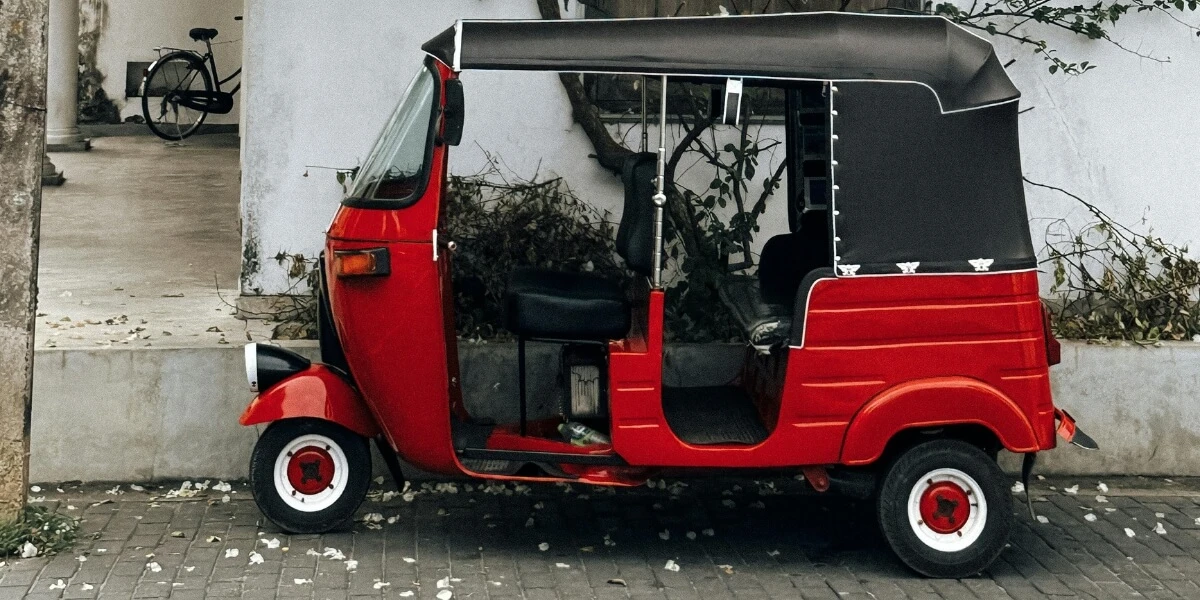
Before you step into a vehicle, you must understand what it is. The Sri Lankan tuk-tuk—officially a Bajaj RE three-wheeler, imported largely from India—is a marvel of rudimentary engineering.
It possesses a two-stroke or four-stroke engine that sounds precisely like clearing one's throat (hence the onomatopoeic name "tuk-tuk"). It seats three passengers comfortably, four uncomfortably, and five if you abandon all regard for the laws of physics.
But it is the interior where the true character lies. A tuk-tuk is a driver’s living room. You will find dashboards adorned with flashing LED lights, portraits of Che Guevara, statues of Lord Buddha or Ganesha, and sound systems capable of producing a volume of music entirely disproportionate to the size of the vehicle.
Do not be intimidated. This is mobile theatre. Enjoy the show.
Chapter II: The Economics of the Ride (Or, How Not to Be Robbed Blind)
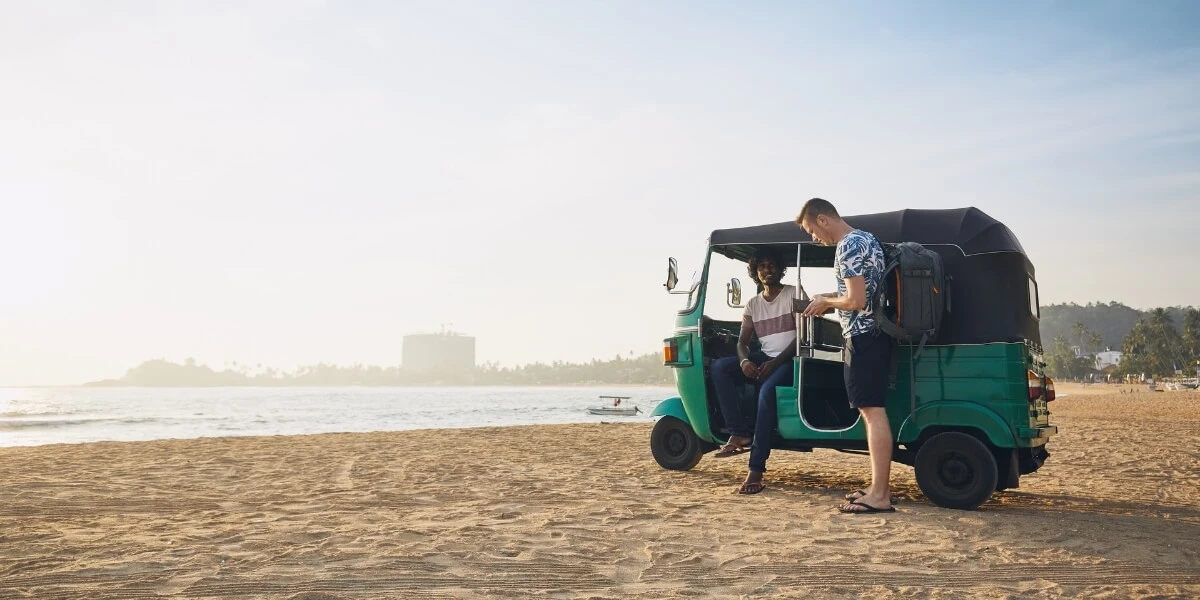
The greatest anxiety for any tourist is the fear of paying the "foreigner tax." Let us dispense with the romance and speak of money.
There are two types of tuk-tuks in Sri Lanka: those with meters, and those without.
1. The Metered Tuk-Tuk
In Colombo and major suburbs, you must insist on a metered taxi. Look for a sign on the roof or windshield that reads "Meter Taxi".
The Rule: When you enter, ensure the driver engages the meter. It is a small digital box near the dashboard. If he claims it is "broken," step out immediately and hail another. There is no shortage of inventory.
The Math: As of recent economic adjustments, the meter typically starts at a fixed rate for the first kilometer (roughly 100-120 LKR) and accrues a set rate for every subsequent kilometer (around 80-100 LKR). Always carry small denominations of rupees. A driver will rarely have change for a 5000-rupee note.
Also check OneCeylon's TukTuk Fair Price Reporter
2. The Unmetered Tuk-Tuk (The Art of the Haggle)
Outside of Colombo—in coastal towns like Mirissa, or cultural hubs like Kandy and Ella—meters are virtually non-existent. Here, you must negotiate.
Never enter without agreeing on a price. To do so is to surrender all leverage.
Ask a local first. Before leaving your hotel, ask the receptionist at One Ceylon what the standard fare is to your destination. Armed with this fact, approach the driver.
The Walk-Away: If a driver quotes an absurd price, smile politely, say no, and walk away. Nine times out of ten, the price will drop miraculously before you have taken five steps.
Chapter III: The Digital Revolution (PickMe and Uber)
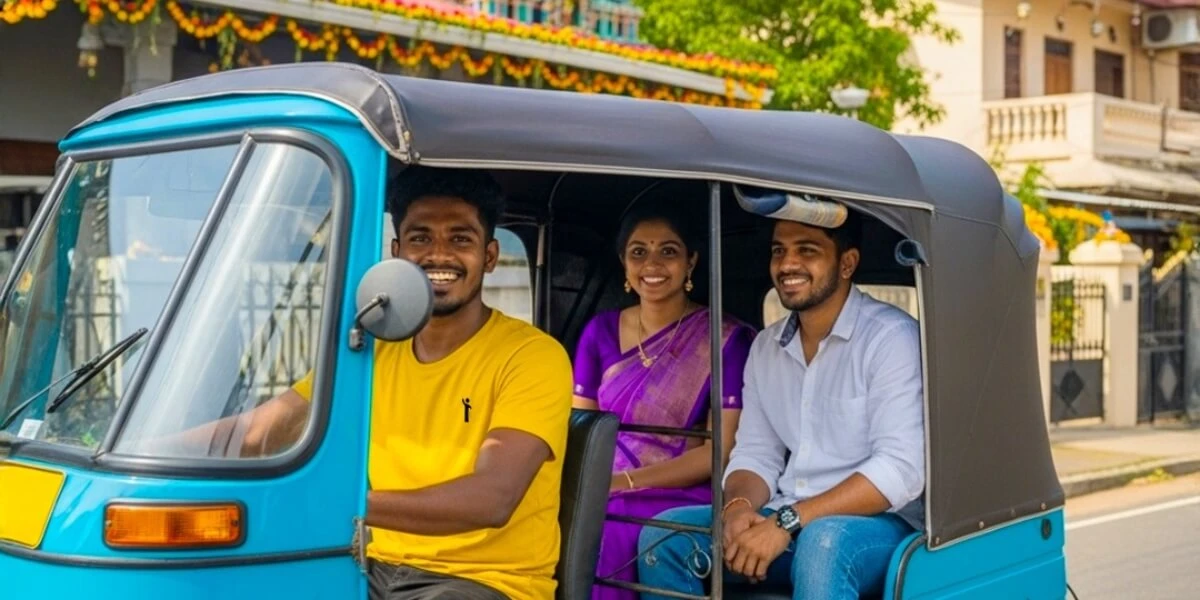
We live in the modern age, and so does Sri Lanka. If you despise negotiation, technology has provided your salvation.
Before you board your flight to Bandaranaike International Airport, you must download two applications: PickMe and Uber.
PickMe: This is the local champion. It is an extraordinary application, often more reliable than Uber outside of the capital. It allows you to summon a tuk-tuk with a predetermined fare. No haggling. No misunderstandings. The driver follows a GPS route.
Uber: Operates primarily in Colombo and the immediate coastal stretches.
A Word of Warning: In certain highly touristic areas (such as railway stations or specific beach strips), local "tuk-tuk mafias" aggressively guard their territory and may prevent PickMe or Uber drivers from picking you up. In these instances, you must walk a few hundred meters down the road to meet your digital chariot.
Chapter IV: The Rules of Engagement and Etiquette
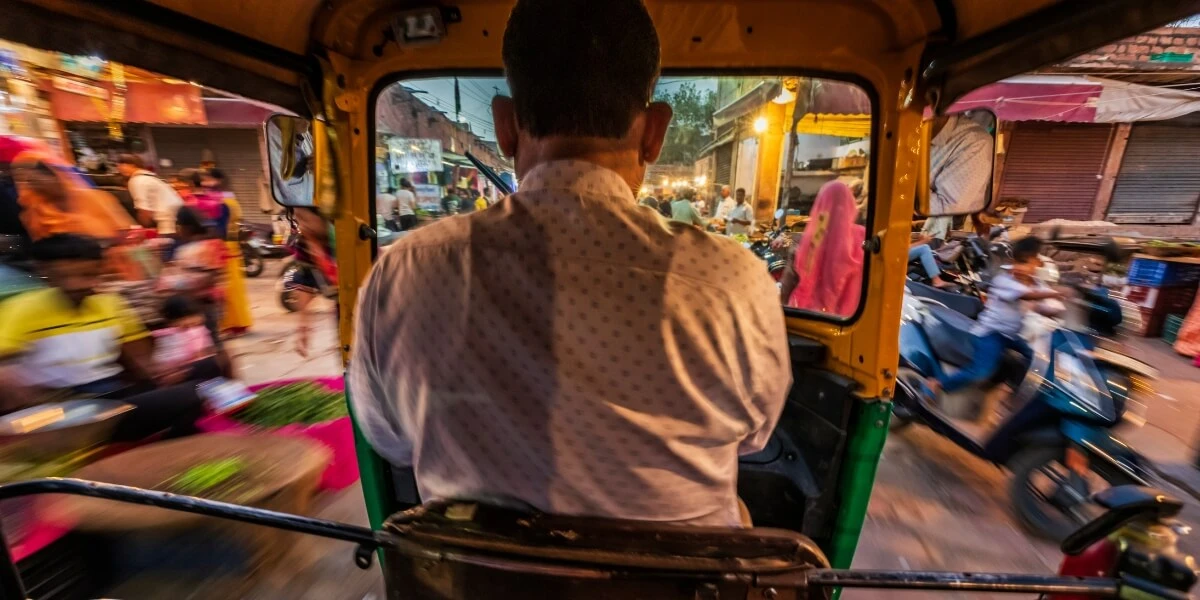
A gentleman or lady must always conduct themselves with decorum, even in the back of a bouncing tricycle.
Keep your limbs inside. Sri Lankan buses (the infamous "Red Demons" of the road) stop for no man, and certainly not for a protruding elbow.
Speak clearly, but do not shout. Many drivers speak excellent English; others know only the basics. Have your destination written down or loaded on Google Maps on your telephone.
Tipping is not mandatory, but it is polite. If a driver has navigated chaotic traffic with skill, or returned your dropped sunglasses, leaving the change (50 to 100 rupees) is a gesture of goodwill that goes a long way.
Hold on. The suspension on a tuk-tuk is aspirational rather than functional.
Chapter V: The Ultimate Adventure — Renting Your Own Tuk-Tuk
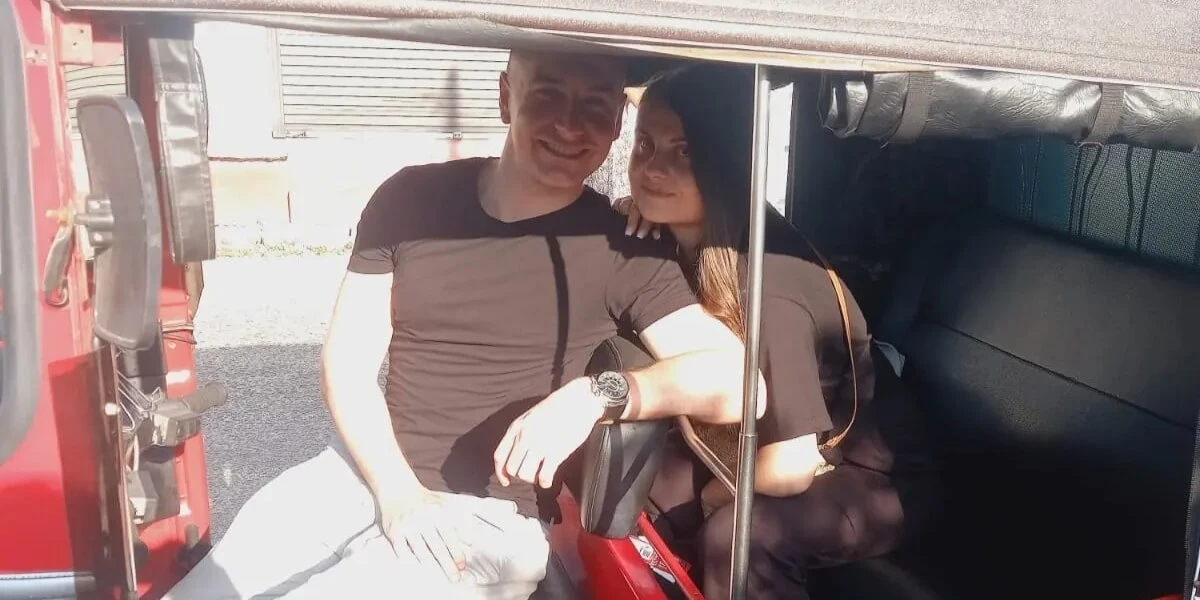
For a specific breed of traveler, being a passenger is insufficient. They wish to take the handlebars themselves. Renting a tuk-tuk and driving it across Sri Lanka has become a highly sought-after tourist experience. It is an exhilarating, utterly mad, and deeply rewarding endeavor.
However, one does not simply hop into a tuk-tuk and drive off into the sunset. There is bureaucracy to navigate.
The Bureaucracy of the Road
You cannot drive a tuk-tuk on an International Driving Permit (IDP) alone. You must obtain a specific endorsement from the Automobile Association of Ceylon (AAC) in Colombo.
The Smart Way: Several reputable rental companies (such as TukTuk Rental) will handle this excruciating paperwork for you prior to your arrival. You send them your documents, and they hand you the keys and the permit upon arrival.
The Hard Way: Spending half a day in a government office in Colombo. Avoid this.
Driving Survival Tactics
Driving a tuk-tuk is nothing like driving a car. It is a manual transmission operated entirely by the hands (the clutch and gears are on the left handlebar). Furthermore, the unspoken rules of the Sri Lankan road dictate that size equals right-of-way.
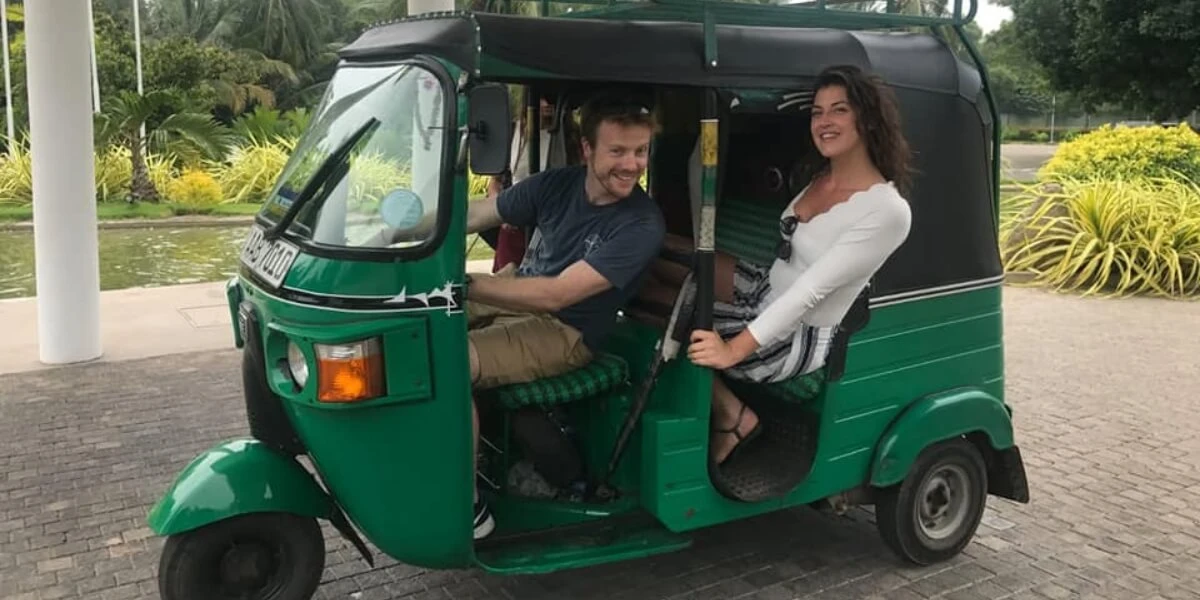
Buses and lorries are apex predators. You are near the bottom of the food chain. Drive defensively, use your horn to announce your presence (not out of anger, but as sonar), and avoid driving at night, when visibility is poor and wildlife often claims the tarmac.
Chapter VI: Iconic Routes to Conquer
Should you choose to hire a driver for a day or rent your own, certain routes demand to be experienced via three wheels:
The South Coast Cruise: From Galle through Unawatuna, Weligama, and down to Hiriketiya. You will drive with the Indian Ocean glittering on one side and lush palm forests on the other. Stop at roadside stands for King Coconuts (Thambili).
The Tea Country Ascents: Navigating the winding, misty roads around Ella, Nuwara Eliya, and Haputale. The tuk-tuk allows you to pull over instantly when a breathtaking view of a tea plantation reveals itself—something a train or a bus will not permit.
Conclusion: Embrace the Chaos
I cannot "sell" you the Sri Lankan tuk-tuk. It sells itself through sheer necessity and undeniable charm.
It is loud, it is breezy, and it places you directly in the sensory theater of the island. You will smell the roasting street food, feel the tropical humidity, and hear the daily life of Ceylon in a way that is impossible from behind the tinted glass of an air-conditioned van.
Do your research. Download the apps. Negotiate fairly. But above all, sit back, hold on tight, and enjoy the ride. It is, without a doubt, the most authentic way to move through this magnificent island.
Also read: Tuk Tuk Prices in Sri Lanka: The No-Nonsense Guide for 2026
Welcome to Sri Lanka. Welcome to One Ceylon.