The first time I had Sri Lankan rice and curry, I almost cried.
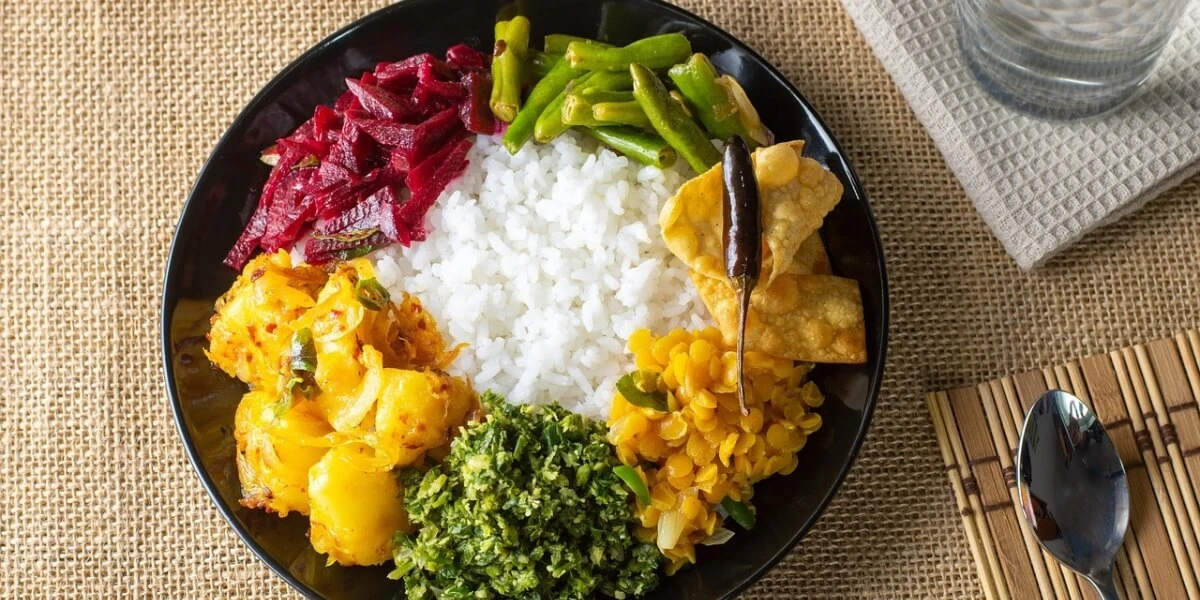
Not because it was spicy (though it was). Not because it was bad (it was the opposite). I almost cried because of the abundance of it. The waiter at a tiny canteen in Galle set down a mountain of rice in front of me, then proceeded to surround it with seven small bowls. Dal. Coconut sambol. Beetroot curry. Pumpkin curry. Green beans. A fried sprat fish dish. A pickled chili thing I couldn't identify.
Then he stepped back, smiled, and said, "Eat with your hand. Mix everything."
I paid 380 rupees. About a dollar and twenty cents.
And as I sat there at a plastic table on a humid afternoon, mixing rice and curry and beetroot and coconut with my fingers like the locals at the next table, I had one of those rare travel epiphanies: this is one of the great food cultures of the world, and almost nobody outside Sri Lanka knows about it.
Indian food gets all the press. Thai food gets the international restaurants. Vietnamese food has its global moment. Sri Lankan food sits quietly in the corner — distinct, ancient, fiercely flavoured, and waiting to be discovered.
If you're heading to Sri Lanka, or just curious about what people actually eat on this teardrop-shaped island in the Indian Ocean, this guide is for you. It's everything I wish someone had told me before my first bite.
First, Let's Clear Up a Common Misconception
Sri Lankan food is not Indian food.
I know it looks similar from the outside. The curries, the rice, the chilies, the coconut — yes, the visual vocabulary overlaps. But anyone who's actually eaten both will tell you they're distinctly different cuisines with different spice blends, different cooking techniques, and different soul.
Sri Lankan food is its own thing.
It draws on South Indian influences, especially in the Tamil regions of the north and east. It carries traces of Dutch, Portuguese, and British colonial history. The Malay community brought their own traditions. The Muslim Moor community contributed dishes that have become national favourites. The Burgher community (descendants of mixed European and Sri Lankan ancestry) gave the island some of its most beloved fusion dishes.
What ties it all together is a few constants: rice, coconut, fish, an obsession with spice, and a national love affair with that perfect bite where multiple flavours hit your palate at once.
If you've eaten only restaurant-style Indian food and you think you know what Sri Lankan food will taste like — trust me, you don't. Open your mouth. Let it surprise you.
So, What Do Sri Lankans Actually Eat?
Most Sri Lankans eat three meals a day, and the rhythm of those meals follows a pattern that's been remarkably consistent for centuries.
Breakfast (typically 6:30-8:00 AM): The morning meal is hearty and savoury. While Western tourists at hotels might get cornflakes and toast, what Sri Lankans actually eat for breakfast is dramatically more interesting — and often involves curry.
Lunch (typically 12:00-2:00 PM): The biggest meal of the day. This is when rice and curry takes centre stage. Most Sri Lankans eat lunch at home or pack a homemade meal to work. Office workers often grab a plastic-wrapped "lunch packet" from a local canteen — a mound of rice with two or three curries and a sambol, eaten in 15 minutes for under 400 rupees.
Dinner (typically 7:00-9:00 PM): Lighter than lunch, often featuring kottu, hoppers, string hoppers, or rice and curry again. Dinner is also when most Sri Lankans go out to eat, so this is when restaurants are busiest.
Between meals, there are short eats — savoury snacks that fuel the day. More on those in a moment.
The Backbone: Rice and Curry
Let's talk about the dish that defines Sri Lankan cuisine.
Rice and curry isn't really a single dish. It's a format. You get a heap of rice (usually white, sometimes red rice in more traditional or health-conscious places) surrounded by anywhere from three to eight smaller dishes. These will typically include:
A dal (lentil curry), almost always present, often made with red lentils, coconut milk, and tempered with mustard seeds, curry leaves, and onion
One or two vegetable curries — beetroot, pumpkin, jackfruit, eggplant, green beans, okra, snake gourd, or spinach. The variety is staggering and changes with what's seasonal
A protein curry — fish, chicken, mutton, prawns, or crab. Vegetarians might get a paneer-style curry, an extra dal, or a richer jackfruit preparation
A sambol — usually pol sambol (coconut sambol) or lunu miris (a fiery onion and chili relish)
A mallum — a finely chopped salad of greens, often gotu kola or kankun, mixed with grated coconut and lime
Maybe a papadum for crunch
Sometimes a small bowl of curd and treacle (yogurt with palm syrup) for dessert
You're meant to eat it all together. With your right hand. Mixing different curries with different spoonfuls of rice to create endless flavour combinations. The textures alternate between creamy and crunchy. The temperatures shift between hot and cool. The flavours bounce between sweet, sour, salty, bitter, pungent, and astringent — the six tastes that traditional Sri Lankan ayurvedic cooking aims to include in every meal.
A good Sri Lankan rice and curry is not one dish. It's an entire concert.
Prices range from about 250-500 LKR ($0.85-$1.70) at local canteens, up to 800-1,500 LKR ($2.70-$5) at mid-range restaurants, and 2,000+ LKR at hotel restaurants. The cheapest places often serve the best food.
Breakfast in Sri Lanka: Forget Toast
If you're staying at a Western-style hotel, you'll probably be offered a Western breakfast. Politely refuse and ask for the Sri Lankan breakfast. You will not regret it.
Here's what you might find on the table.
Hoppers (appa). These are bowl-shaped pancakes made from fermented rice flour and coconut milk. Imagine a thin, slightly sour crepe, formed into a bowl with crispy edges and a soft, almost spongy centre.
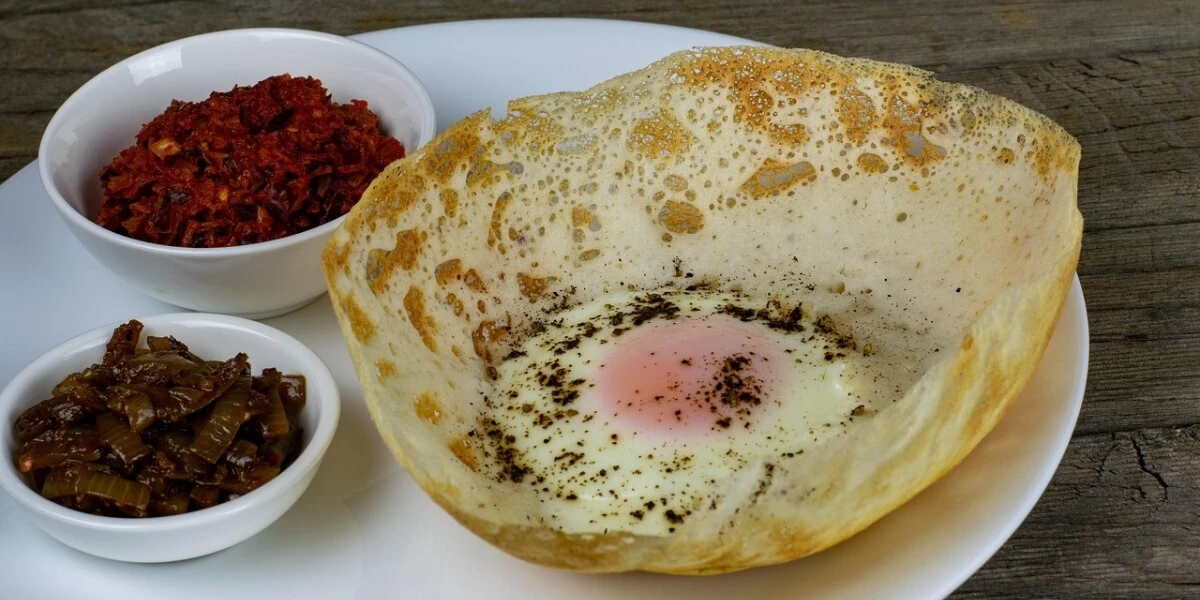
Egg hoppers have an egg cracked into the middle as it cooks, the yolk still runny when it lands on your plate. You eat them with coconut sambol and dal, scooping the curry up with bits of the bowl.
Hoppers are one of the great breakfast foods of Asia. Full stop.
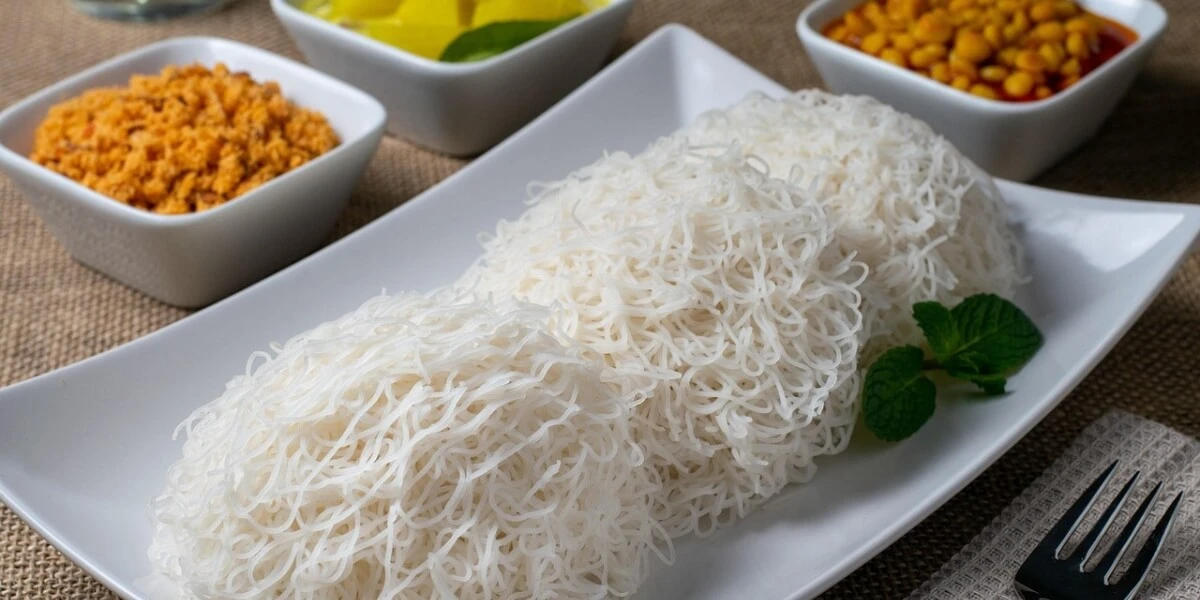
String hoppers (idiyappa). These are nests of steamed rice noodles, served in stacks of 5-15 depending on your appetite. They're soft, slightly chewy, and act as a vehicle for whatever curry and sambol you eat them with. Dal is the classic accompaniment, but coconut milk gravy (kiri hodi) is equally common.
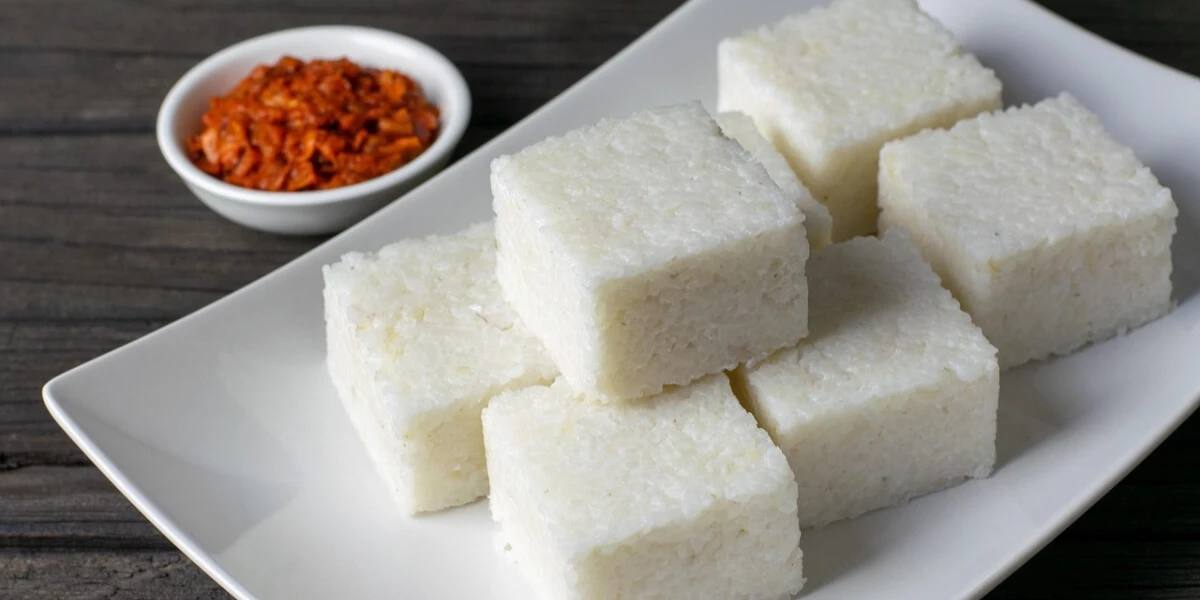
Kiribath (milk rice). This is rice slow-cooked in salted coconut milk until it turns soft, sticky, and porridge-like, then pressed into a tray and cut into diamond-shaped pieces. It's eaten on special occasions — New Year, weddings, the start of a new business, the birth of a child — but also just because. Served with lunu miris (the fiery onion-chili relish), it's a beautiful contrast of creamy and spicy.
Roti. Sri Lankan roti is different from Indian roti. The most common version is pol roti — a thick, slightly chewy flatbread made with grated coconut mixed into the dough. It's often eaten with sambol, lunu miris, or a lentil curry. There's also godhamba roti, a thin, flaky paratha-like bread that becomes the foundation for kottu (more on that shortly).
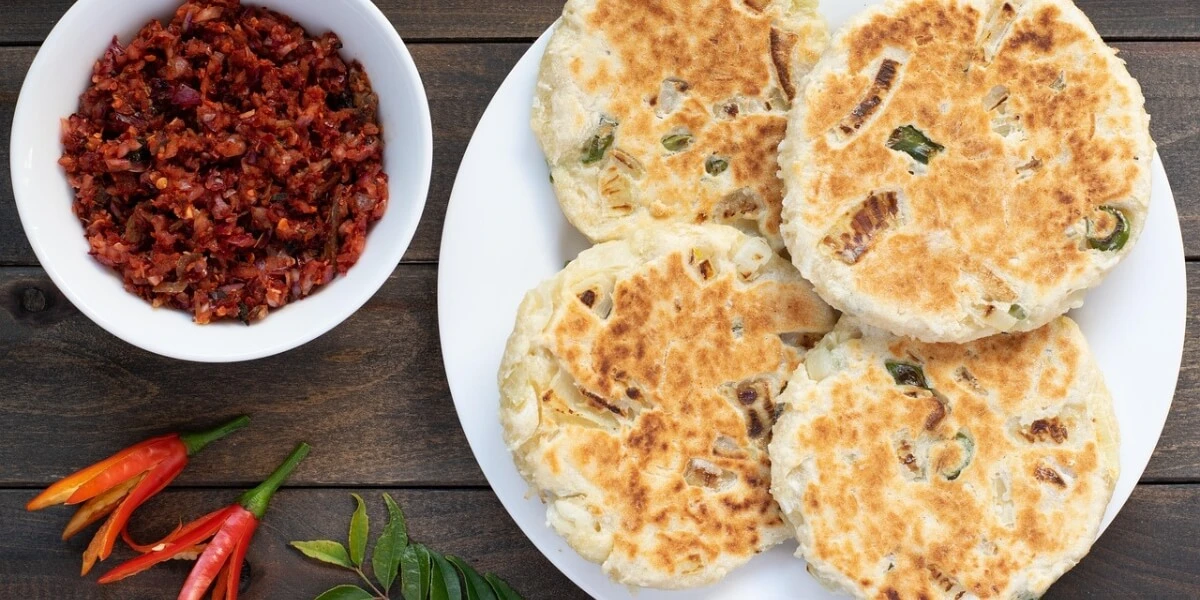
Roast paan. This is a Sri Lankan bread that looks like a slice of toasted Western loaf but tastes completely different — crispy outside, soft and slightly flaky inside. Eaten with dal and coconut sambol, it's one of the most quietly perfect breakfasts on the island.
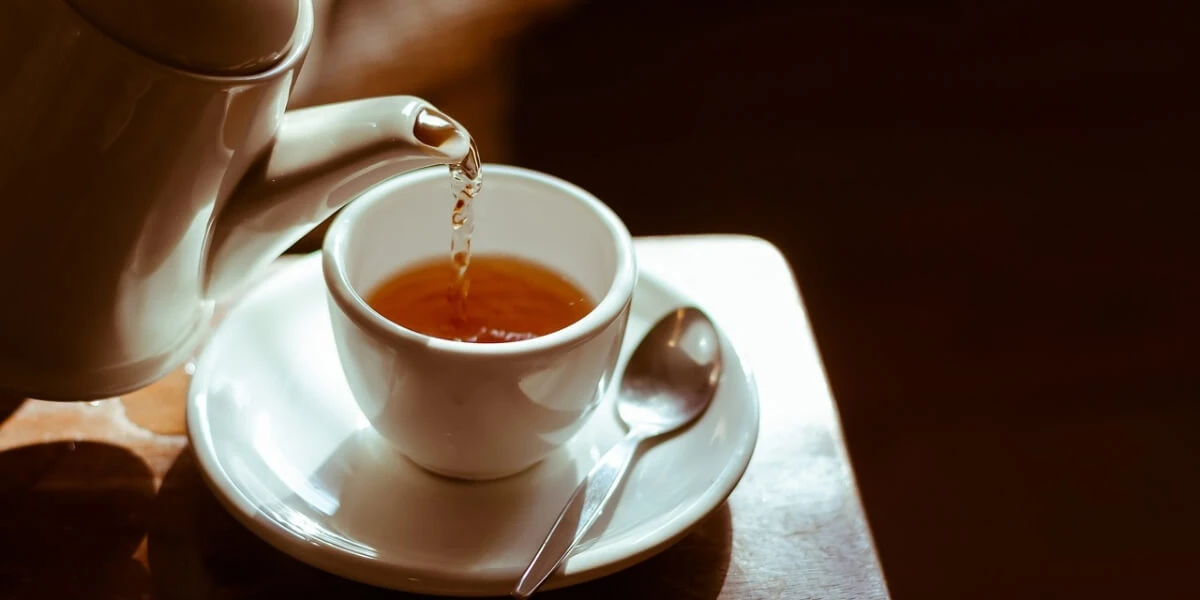
Tea. Of course tea. Sri Lanka is one of the world's great tea-producing nations, and tea is a religion here. Most Sri Lankans drink it strong, sweet, and milky. A small glass of plain milk tea costs around 50-100 LKR (under $0.40).
The Star of Late-Night Eating: Kottu
If there's one dish you have to try in Sri Lanka, it's kottu.
Kottu (also spelled kothu) is godhamba roti that's been chopped into small pieces on a hot griddle, then mixed with vegetables, eggs, your choice of meat (chicken, beef, mutton, seafood), and a handful of spices. The whole thing is stir-fried at high heat using two metal blades that the cook bangs against the griddle in a rapid, rhythmic clatter that you can hear from a block away.
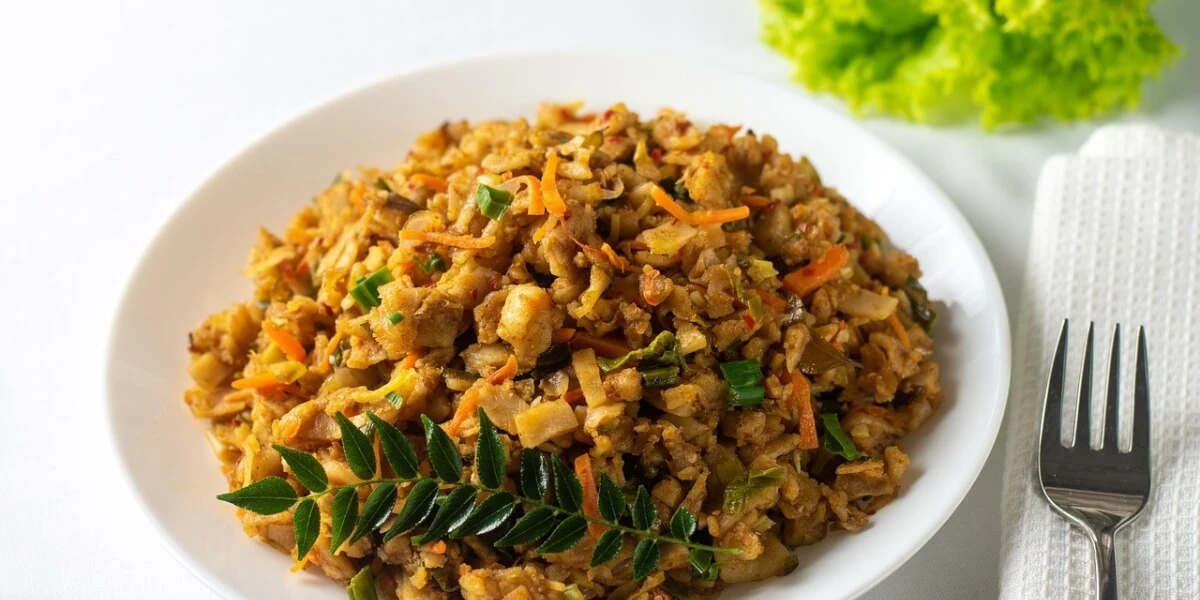
Walking through a Sri Lankan town in the evening, that tak-tak-tak-tak-tak of kottu being chopped is the soundtrack of dinnertime. It's primal. It's hypnotic. It tells you exactly where to eat.
Kottu is sometimes described as "Sri Lankan fast food" or "the cheeseburger of Sri Lanka." Both descriptions are true and both undersell it. A great kottu — the kind made by an expert hand at a roadside shop — is rich, smoky, savoury, and deeply satisfying. A plate costs about 400-700 LKR ($1.35-$2.40) depending on the protein.
There's also cheese kottu (yes, with melted cheese stirred in), dolphin kottu (named after the appearance, not the ingredient — it has extra cheese and egg), and the wonderfully named kottu balls (kottu shaped into compact balls and re-fried).
If you only eat one thing in Sri Lanka and you want it to be unforgettable, eat kottu late at night from a tiny roadside place where the cook is sweating over the griddle and the metal blades are flying. That's the real thing.
The Thing About Coconut
You cannot understand Sri Lankan food without understanding coconut.
Coconut is in almost everything. The milk goes into curries, breakfast porridges, desserts, and gravies. The grated flesh is the foundation of pol sambol — the omnipresent condiment of Sri Lankan tables. The oil is the cooking medium of choice in most home kitchens. The water is drunk straight from young king coconuts (thambili) sold by roadside vendors for under 200 LKR.
Even the trees themselves are central to daily life. In rural Sri Lanka, families often have a coconut tree in their yard, and a single tree can supply a household with milk, oil, sugar (yes, coconut treacle), and even toddy (a fermented alcoholic drink tapped from the flowers).
If you're allergic to coconut, Sri Lanka is going to be challenging. If you love it, you've found paradise.
Sambols: The Soul of Every Sri Lankan Meal
A sambol is a condiment, but calling it a condiment is like calling jazz "music with notes." It's accurate but it misses the point.
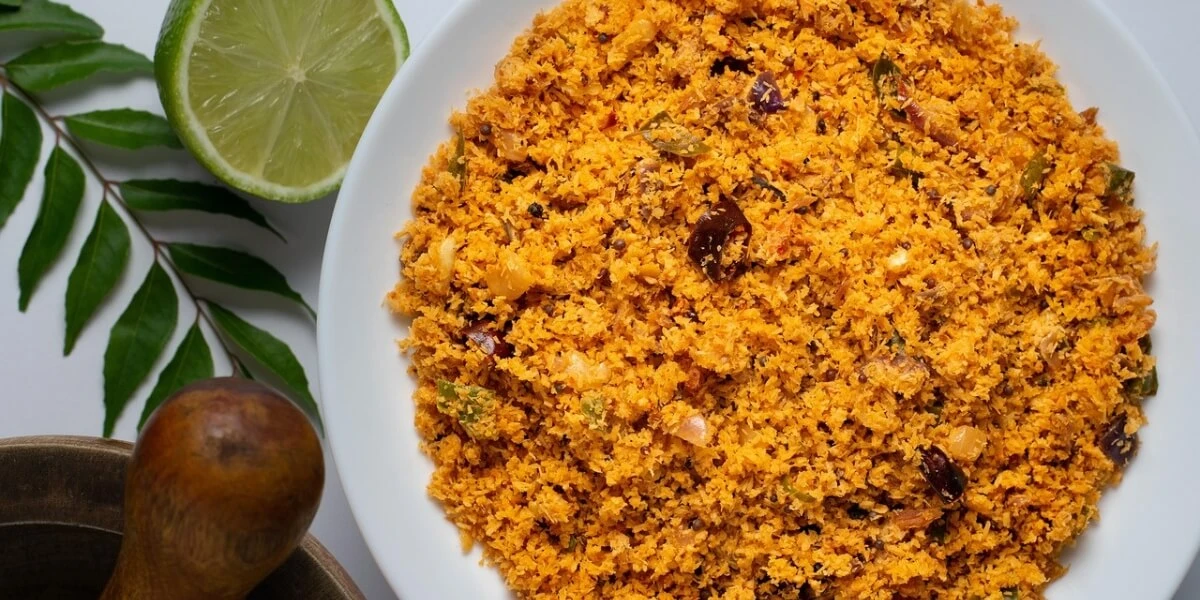
Pol sambol is the most famous. It's grated fresh coconut pounded with red chilies, dried Maldive fish flakes (yes, really — and they make all the difference), lime juice, salt, and sometimes a pinch of sugar. It's pinkish, fiery, slightly fishy, slightly sweet, and absolutely essential. A spoonful of pol sambol on your rice transforms the entire meal.
Lunu miris is even more intense. It's red onions and red chilies pounded together with salt, lime, and Maldive fish until they form a coarse, brick-red paste that will make your eyes water just looking at it. It's traditionally eaten with kiribath, hoppers, and roti.
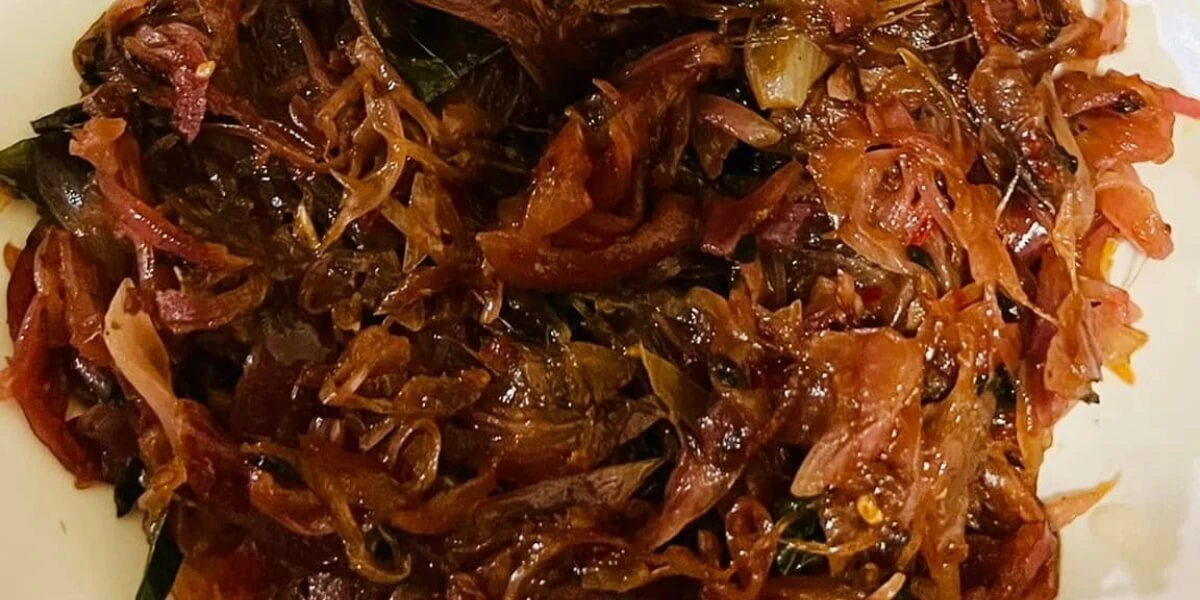
Seeni sambol is the sweet-savoury cousin. "Seeni" means sugar in Sinhala, and seeni sambol is a deeply caramelised onion preparation with chili, tamarind, sugar, and spices. It's complex, jammy, and addictive — the perfect filling for a roti or accompaniment to plain string hoppers.
Katta sambol is similar to pol sambol but spicier and rougher in texture, often without coconut.
Gotu kola sambol is a salad-like preparation of finely chopped pennywort leaves mixed with grated coconut, lime, and onions. It's fresh, slightly bitter, and one of the few green dishes you'll regularly see.
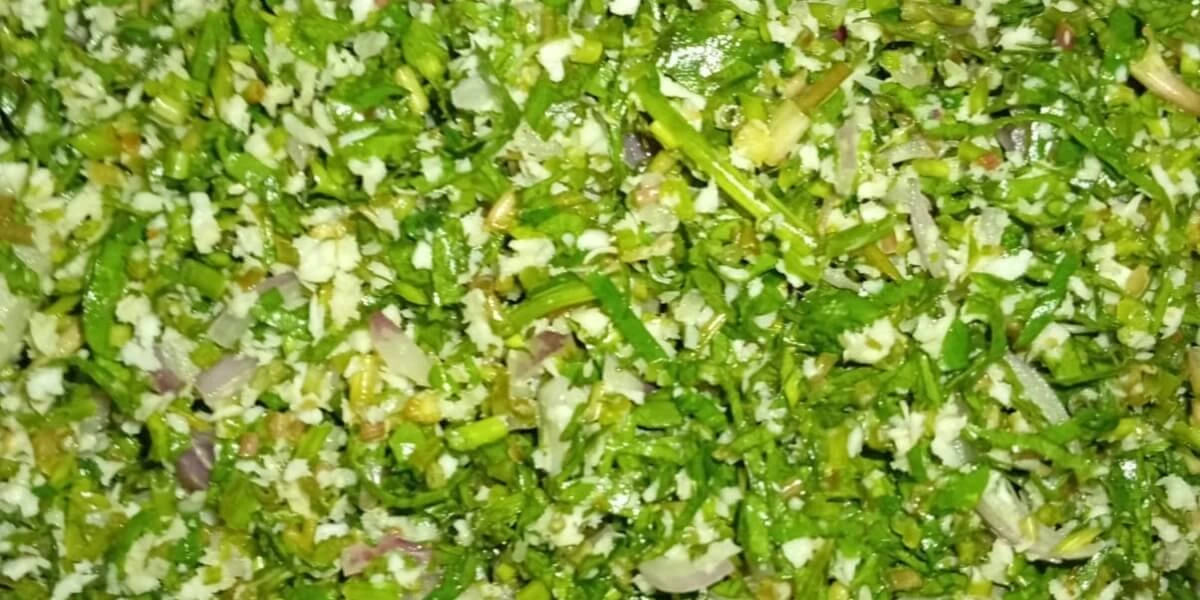
These aren't side dishes you can skip. They're the punctuation marks of Sri Lankan cuisine. Without them, nothing reads right.
Short Eats: The Snacks Between Meals
"Short eats" is the Sri Lankan English term for the savoury snacks you grab between meals — at bus stations, bakeries, roadside stalls, and during afternoon tea. They're cheap (usually 50-150 LKR each, well under a dollar), portable, and dangerously moreish.
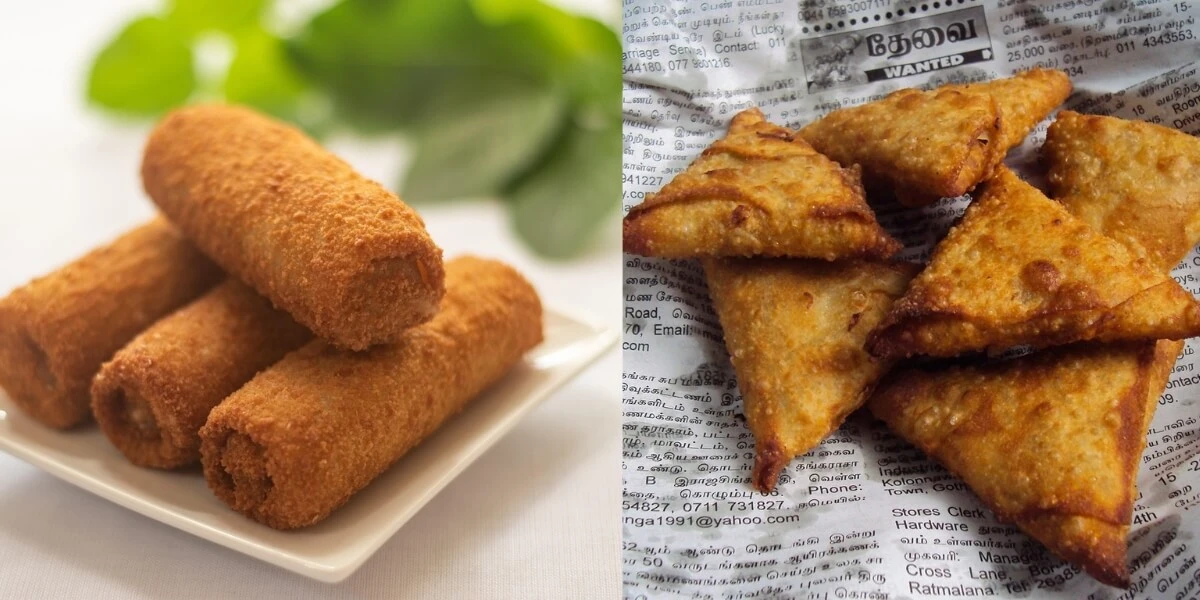
Some of the classics:
Fish buns — soft white bread rolls filled with spicy fish paste. Picture a fluffy dinner roll that punches you in the mouth.
Vegetable patties — flaky pastries shaped like small Cornish pasties, filled with curried potato and vegetables.
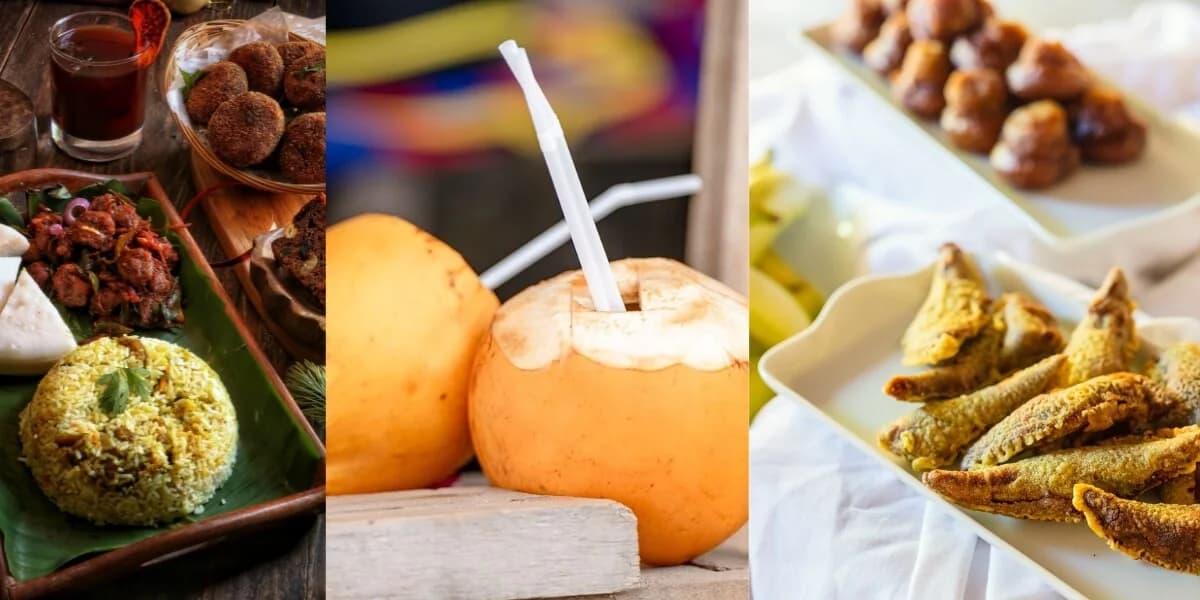
Cutlets — golf ball-sized fried snacks made with mashed potato, fish or chicken, and spices, breadcrumbed and deep-fried.
Samosas — yes, similar to the Indian version but often with a distinct Sri Lankan spice blend.
Rolls — thin pancakes wrapped around a spicy filling, breadcrumbed and fried. The "Chinese roll" (which has nothing to do with Chinese food) is a national obsession.
Egg rotis — a folded godhamba roti with egg, onion, and chili cooked inside. Cheap, hot, and perfect when you need something to eat right now.
A good Sri Lankan bakery in the late afternoon — when the short eats are coming hot out of the fryer and locals are crowding in for their evening tea snacks — is one of the most underrated cultural experiences on the island.
Is Sri Lankan Food Spicy?
Yes. And I'm not going to soften this for you.
Sri Lankan food is genuinely, seriously spicy. Spicier than Thai food.
Spicier than most Indian food. Sri Lankans grow up eating this level of heat from childhood, and it's woven into nearly every savoury dish.
But here's the thing: the spice isn't gratuitous. It's structural. Chili in Sri Lankan cooking is doing actual flavour work — sharpening, brightening, balancing the richness of coconut and the earthiness of the spices. A perfectly seasoned Sri Lankan curry isn't spicy for the sake of being spicy. It's spicy because that's how the flavour architecture holds up.
If you're not used to it, here's what helps:
Ask for "less spicy" or "no spicy." This works about half the time. Sri Lankans have very different definitions of mild than most foreigners do, so calibrate your expectations.
Eat with curd. Plain yogurt or curd (especially water buffalo curd, served with palm treacle for dessert) is a magical heat reliever.
Drink coconut water. Better than water for cooling your mouth.
Build your tolerance gradually. By day three or four, you'll find your palate has adjusted dramatically. What seemed unbearable on day one becomes pleasantly warm by the end of the week.
Don't avoid the spicy stuff. The whole point of Sri Lankan food is the explosion of flavour, and you'll miss most of it if you ask for everything mild. Push your limits.
Is Sri Lankan Food Good for Vegetarians?
Yes, surprisingly so. Sri Lankan cuisine is naturally vegetable-heavy, and many of the most beloved dishes are vegetarian by default.
A typical rice and curry meal will almost always include several vegetable curries — and many of them are extraordinary. Polos (young jackfruit curry) is one of my personal obsessions; the unripe jackfruit takes on a tender, almost meaty texture that absorbs spices beautifully. Beetroot curry is sweet, earthy, and pink. Pumpkin curry is rich and slightly sweet. Cashew curry is decadent. Eggplant moju is sweet, sour, and addictive.
Dal is everywhere, in every meal, every day.
For vegans, things are slightly trickier because of the heavy use of ghee in some preparations and the occasional appearance of dried fish in unexpected places (like sambols). But pure vegan options exist, and most restaurants will accommodate if you ask clearly.
The main challenge for vegetarians and vegans isn't finding food. It's finding salads. Sri Lankans don't eat salads the way Westerners do. Fresh raw vegetables aren't really a thing. Vegetables go in curries. If you want a fresh, crunchy salad, you'll struggle.
What Sri Lankans Drink
Tea. Always tea. Sri Lanka — historically known as Ceylon — is one of the world's great tea producers, and Ceylon tea is rightly famous. Most locals drink it as plain tea (no milk, sometimes with sugar) or milk tea (strong black tea with hot milk and lots of sugar). It's served in small glasses, often refilled multiple times.
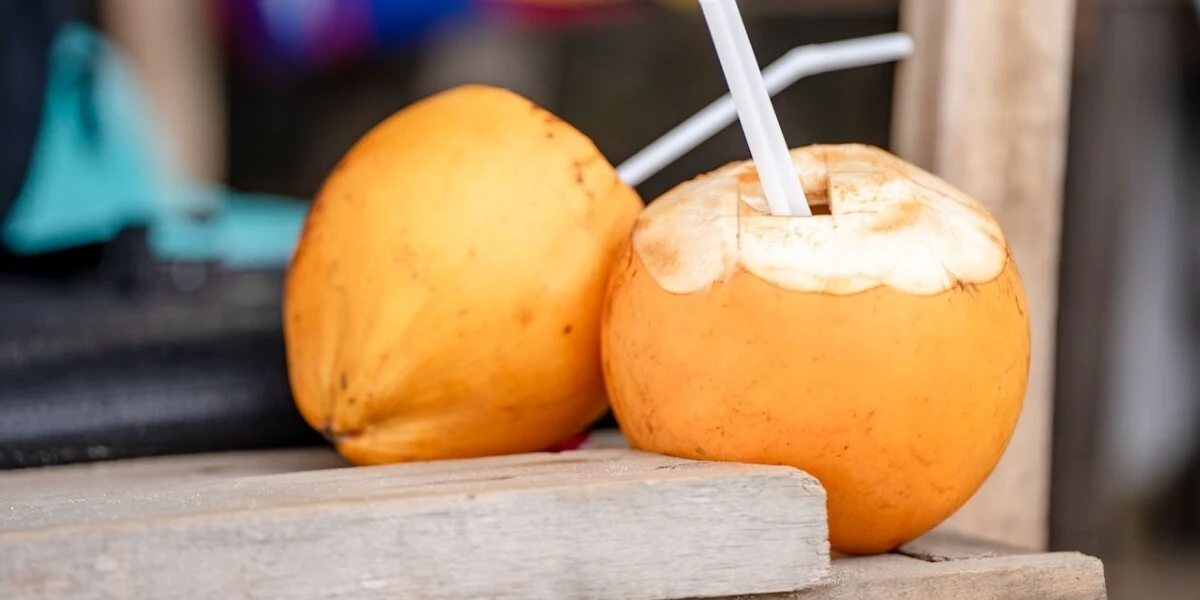
King coconut water (thambili). Roadside vendors hack open these orange-tinged coconuts with a machete and hand them to you with a straw. Cold, sweet, naturally hydrating, and perfect on a hot day.
Wood apple juice. A traditional Sri Lankan drink made from wood apples (a tart, custardy fruit). It's an acquired taste, but locals love it.
Falooda. A pink rose-flavoured milkshake with basil seeds, jelly, and ice cream. Brought by the Indian Muslim community and now a beloved dessert drink, especially in Colombo.
Lion Lager. The local beer. Not particularly distinguished, but cheap, cold, and exactly what you want after a long day of exploring.
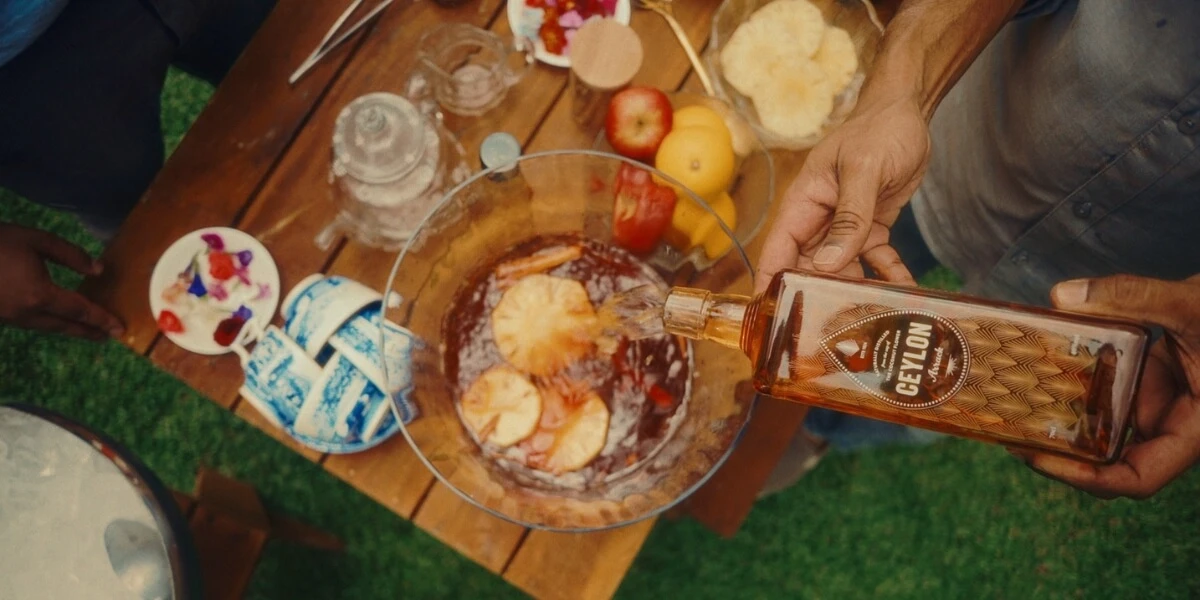
Arrack. Sri Lanka's traditional spirit, distilled from coconut palm sap. It tastes somewhere between rum and whiskey. Old Reserve and Ceylon Arrack are popular brands. Drunk neat, with cola, or with ginger beer. It's a part of Sri Lankan social life and worth at least one taste.
Where to Eat: My Honest Recommendations
The best Sri Lankan food is rarely in fancy restaurants. Here's where to actually eat to get the real experience.
Local canteens. Look for places where there's no English menu, the prices are written on a chalkboard, and it's full of Sri Lankan office workers at lunchtime. These are where you'll get authentic rice and curry for under 400 LKR. They're not pretty. The plastic chairs are mismatched. The fan barely works. The food will blow your mind.
Hela Bojun Hala. This is a chain of food courts run by women's cooperatives, set up across the island as a way to provide self-employment for local women. The food is genuinely traditional, made with care, and very affordable. There's one in Colombo's Independence Square, another in Kandy, and several in smaller towns. Highly recommended.
Hotel breakfasts (the local kind). If your hotel offers a Sri Lankan breakfast option, take it. You'll get hoppers, string hoppers, kiribath, and several curries — far more interesting than any continental spread.
Roadside roti shops. Egg rotis hot off the griddle for 100-200 LKR. Perfect for a late-night snack or quick lunch.
Homestays. If you stay at a homestay or guesthouse where the host cooks, ask if you can eat dinner with the family. Many will say yes for a small additional charge (500-1,000 LKR per person), and you'll get the best meal of your trip — plus the cultural exchange of eating with a Sri Lankan family.
So, Is Sri Lankan Food Good?
Let me answer this directly because it's one of the most-searched questions about the country.
Yes. Sri Lankan food is extraordinary. It's one of the most underrated cuisines in the world. It's flavourful, complex, deeply rooted in tradition, and extraordinarily diverse. Every region of the island has its own specialities. Every family has its own recipes. Every meal is an opportunity to experience something you haven't tasted before.
It's also genuinely cheap. You can eat like a king on $5 a day. You can find Michelin-worthy curries in shacks where the cook is a 70-year-old grandmother who's been making the same dish for fifty years.
The food is one of the best reasons to visit Sri Lanka. Not just a reason — one of the best reasons.
If you go expecting Indian food and find something different, don't be disappointed — be curious. If you find the spice intense, push through it. If a dish looks unfamiliar, order it anyway. The only mistake you can make in Sri Lanka is being timid with your fork (or, better yet, your fingers).
The One Thing I Want You to Remember
When I think back on my time in Sri Lanka, I don't remember the temples first. I don't remember the beaches first. I don't even remember the leopards.
I remember the food.
I remember a tiny shop in Ella where an elderly woman handed me a banana leaf packet of rice and curry to take on the train, and how the smell of it filled the entire carriage as I unwrapped it somewhere between the tea fields. I remember a fisherman in Mirissa cooking the morning's catch over an open fire and sliding it onto my plate with a grin. I remember the kottu cook in Galle whose blades moved so fast I couldn't follow them, and how the resulting dish tasted like the best version of itself.
I remember the warmth. The generosity. The way Sri Lankans share food the way other cultures share secrets — completely, joyfully, without holding anything back.
That's the real answer to what do Sri Lankans eat.
They eat together. They eat with their hands. They eat with intention. They eat food that has been cooked slowly, seasoned bravely, and served with love.
And if you're lucky enough to visit, they'll eat with you too.
Just bring an empty stomach and an open mind.
The rest, the island will take care of.
Also read: Sri Lankan Food: 21 Must-Try Dishes & Where to Eat Them (2026)
Most Sri Lankan dishes mentioned in this guide can be found at local canteens, family-run guesthouses, and the Hela Bojun Hala food courts across the country. For a deeper food experience, consider booking a cooking class in Kandy, Galle, or Ella — many homestays offer them for around 2,500-5,000 LKR per person, including a market visit and a full meal.
Places Mentioned(1)
Hela Bojun Hala Battaramulla
WW27+4MX, Battaramulla 10120, Sri Lanka
Tap a place card to see more details • Swipe to see all 1 places