I almost didn't go.
I'd seen the headlines. The economic crisis in 2022. The protests. The Easter attacks back in 2019. Cyclone Ditwah tearing through the hill country in late 2025. And then, just as 2026 rolled in, flight disruptions from the Middle East conflict started popping up in the news.
My mum sent me three different BBC articles in one week. Each one came with the same text: "Are you sure about this?"
I went anyway.
And within 48 hours of landing in Colombo, I realised something that no headline had prepared me for: Sri Lanka didn't feel dangerous. It felt like one of the warmest, most welcoming places I'd ever set foot in. A shopkeeper in Galle invited me in for tea before I'd even asked about his prices. A tuk tuk driver in Kandy refused to let me pay because "you are a guest in my country." A grandmother at a homestay in Ella made me rice and curry at midnight because I'd arrived late and she didn't want me going to bed hungry.
That's the Sri Lanka nobody writes news articles about.
But I understand the question. You're spending real money. You're flying a long way. Maybe you're bringing your family. You need to know the truth — not the brochure version, not the fear-mongering version, but the actual, grounded, honest answer.
So here it is.
The Short Answer
Yes, Sri Lanka is safe to travel in 2026.
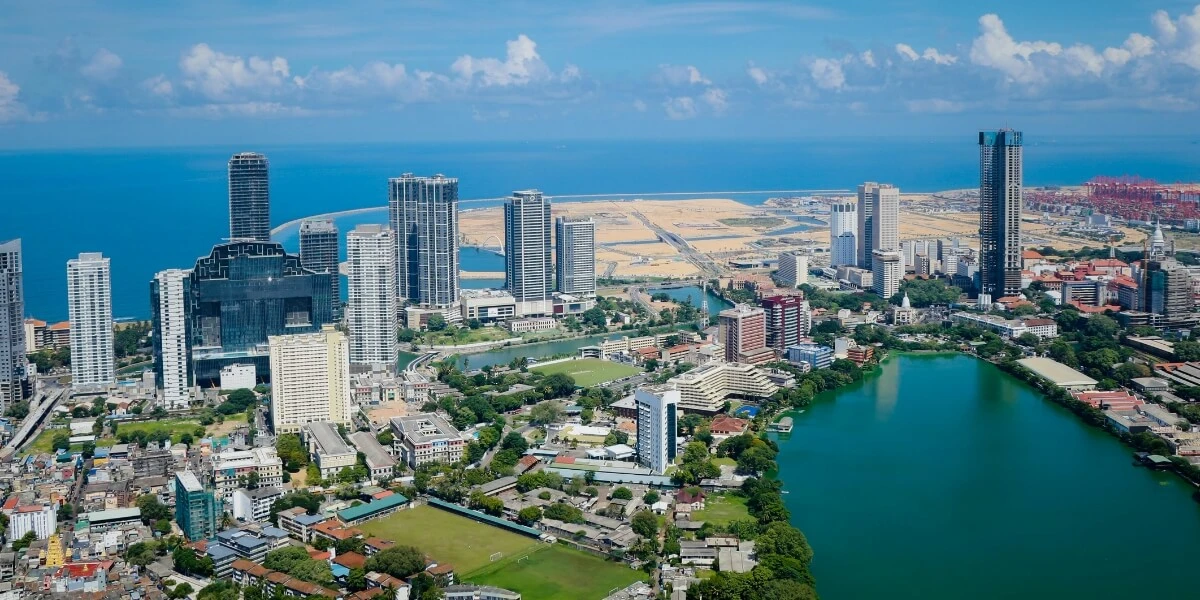
The country is politically stable, tourism infrastructure is fully operational, and millions of international visitors travel there each year without incident.
Sri Lanka recorded over 2.36 million tourist arrivals in 2025 — the highest in the country's history, surpassing even the pre-crisis record set in 2018. In the first two months of 2026 alone, more than 600,000 international travellers arrived. The government is targeting 3 million arrivals for the full year, a 27% increase.
Those are not the numbers of a country in crisis. Those are the numbers of a destination on the rise.
But "safe" doesn't mean "nothing to think about." Every country has risks, and informed travellers are safer travellers. So let's walk through what you actually need to know.
What the Official Travel Advisories Say
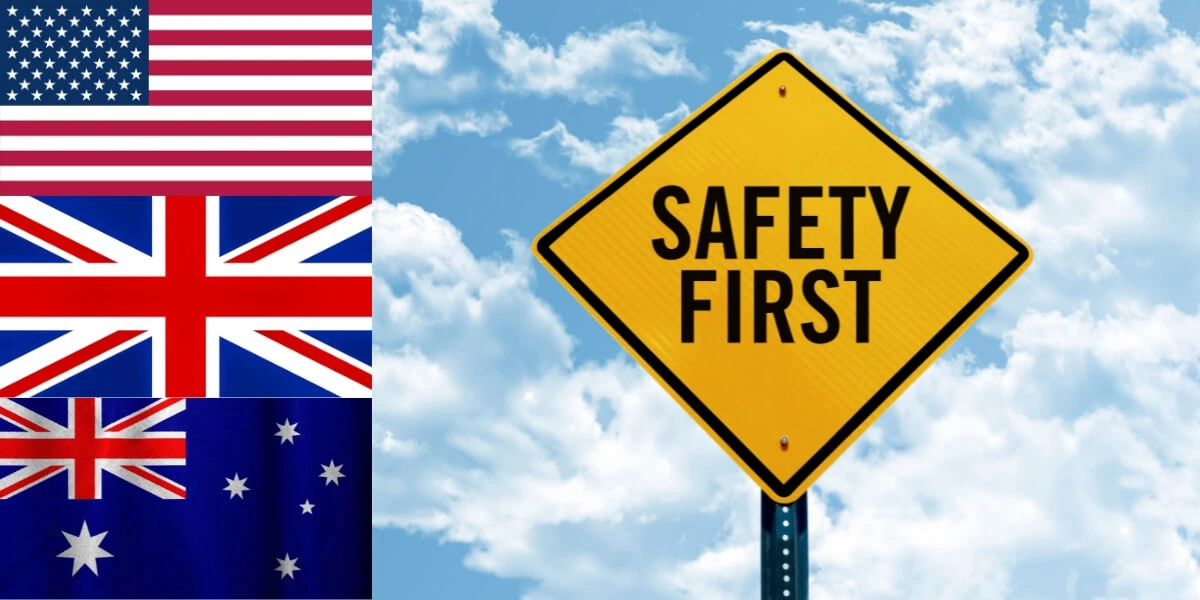
The three most widely referenced government travel advisories paint a consistent picture.
The United States State Department rates Sri Lanka at Level 2: "Exercise Increased Caution." For context, this is the same level given to the UK, France, Germany, Spain, and dozens of other popular tourist destinations. It's not a warning to stay away — it's a reminder to stay aware.
Australia's Smartraveller advises travellers to "exercise a high degree of caution" due to the possibility of public demonstrations and general security risks. Again, this is a standard advisory for much of Asia and is not specific to any active threat.
The UK's FCDO (Foreign, Commonwealth & Development Office) does not categorise Sri Lanka as a no-go destination. Its primary practical warning in early 2026 relates to flight disruptions through Middle Eastern hubs due to the regional conflict — a routing issue, not a destination safety issue.
The takeaway from all three: Sri Lanka is not being treated by any major Western government as an unsafe destination. The advisories recommend awareness, not avoidance.
The Things People Actually Worry About

Let's address the specific fears, one by one. Because vague anxiety is useless. Specific knowledge is power.
"What About the Economic Crisis?"
Sri Lanka went through a severe economic and political crisis in 2022. Fuel shortages, rolling blackouts, food price spikes, and mass protests led to the resignation of the president. It was real, it was serious, and it dominated international news.
That was three years ago. The situation has stabilised significantly since then. The economy is recovering. Fuel is available nationwide. Power cuts are no longer a daily reality. Hotels, restaurants, tourist attractions, and transport services all operate normally. Tourism revenue exceeded $3.2 billion in 2025, making it one of the country's largest sources of foreign exchange.
You will still see the aftereffects of the crisis — the economy is not fully recovered, and many Sri Lankans are still navigating rising costs. But for tourists, the infrastructure works. ATMs dispense cash. Restaurants serve food. Trains run. Life goes on, and it goes on with remarkable warmth and resilience.
"What About Terrorism?"
The 2019 Easter Sunday attacks, in which over 250 people were killed across churches and hotels in Colombo, Negombo, and Batticaloa, were devastating. They shattered Sri Lanka's tourism industry overnight and left deep scars on the national psyche.
Since then, the Sri Lankan government has dramatically increased security measures at hotels, airports, religious sites, and public venues. Visible security checkpoints are common at major tourist locations. The intelligence and security apparatus has been significantly strengthened.
No terrorist attack has occurred in Sri Lanka since 2019. Government advisories from the US, UK, and Australia all acknowledge a residual risk of terrorism — as they do for virtually every country on Earth — but none cite an imminent or specific threat.
Does this mean it could never happen again? No. No country can guarantee that. But the risk in Sri Lanka is no higher than in most of Europe, and the security response since 2019 has been substantial.
"What About Cyclone Ditwah?"
Cyclone Ditwah struck Sri Lanka in November 2025, causing significant damage in the central hill country — particularly around Kandy, Nuwara Eliya, and parts of the Ella region. Landslides, flooding, and infrastructure damage were real and serious.
Here's the current situation as of early 2026: the vast majority of the country — over 99% — is fully operational and open to tourists. Coastal areas, the south, the Cultural Triangle, and most tourist destinations were either unaffected or have fully recovered. The hill country has bounced back quickly, with Kandy, Nuwara Eliya, and Ella all welcoming visitors again.
Some rail infrastructure in the central mountains is still undergoing repairs. The Ambewela to Badulla section (which includes Ella) has been restored and trains are running. Other sections of the hill country rail line are being progressively repaired and are expected to be fully operational within the year.
Also read: Sri Lanka Hill Country Travel 2026: Post-Cyclone Updates and Train News
If you're planning to travel through the central highlands, check with your hotel or a local tour operator for the latest road and rail conditions. But for the overwhelming majority of itineraries, Cyclone Ditwah is not a reason to postpone your trip.
"What About the Middle East Conflict and Flights?"
This is probably the most relevant concern for travellers in early-to-mid 2026, and it's important to understand exactly what's happening.
The conflict in the Middle East has led to temporary airspace closures and flight disruptions, particularly for routes that transit through Gulf hubs like Dubai, Doha, and Abu Dhabi. Some flights from Colombo to Europe and beyond have been delayed, rerouted, or temporarily suspended.
Sri Lanka itself is not affected by the conflict.
The island is peaceful, and the disruption is purely about transit routing, not about conditions on the ground. Airlines operating to Sri Lanka are adjusting flight paths to avoid affected airspace, and direct routes from many countries continue to operate normally.
In fact, the confidence of international airlines tells its own story: British Airways has announced a new three-times-weekly Colombo service launching in late 2026, and Turkish Airlines is reportedly increasing its Colombo frequency. Airlines don't add new routes to destinations they consider risky.
The practical advice: if you're booking flights through Middle Eastern hubs, choose flexible tickets, consider alternative routing (direct flights or connections through Singapore, Kuala Lumpur, or Bangkok), and stay in touch with your airline for updates. Build a buffer day into both ends of your trip to absorb any schedule disruptions.
The Sri Lankan government has also implemented support measures for affected travellers, including free 14-day visa extensions for those stranded by flight cancellations.
What About Crime?
Let's talk about this honestly, because it matters.
Sri Lanka has a low rate of violent crime targeting tourists. Muggings, armed robberies, and violent assaults against foreign visitors are uncommon. You are statistically far safer walking around Colombo, Galle, or Kandy at night than you would be in many European or American cities.
Petty crime is the main concern. Pickpocketing can happen in crowded areas — bus stations, train platforms, markets, festivals. Bag-snatching from moving vehicles has been reported, particularly for items visible from the road (shoulder bags, phones in hand). Theft from hotel rooms and guesthouses happens occasionally, usually when valuables are left unsecured.
Scams are more common than crime. Tuk tuk overcharging is the most frequent issue. Gem shop hustles — where a friendly stranger befriends you and steers you toward a "special" gem or jewellery shop — are well-documented, particularly in Colombo and Kandy. Unsolicited tour guides may attach themselves to you at popular sites and then demand payment.
None of this is dangerous. It's annoying. And all of it is avoidable with basic awareness.
Also read: Sri Lanka Tourist Scams 2026: 14 Traps We Fell For (So You Don’t Have To)
Here's what works: use the PickMe ride-hailing app for fair tuk tuk fares. Keep valuables in a hotel safe. Carry your passport (or a photocopy) at all times, as it's legally required. Don't leave bags unattended. Be politely firm with unsolicited offers. And remember that the overwhelming majority of Sri Lankans you'll meet are genuinely kind, honest people who want you to enjoy their country.
Is Sri Lanka Safe for Solo Travellers?
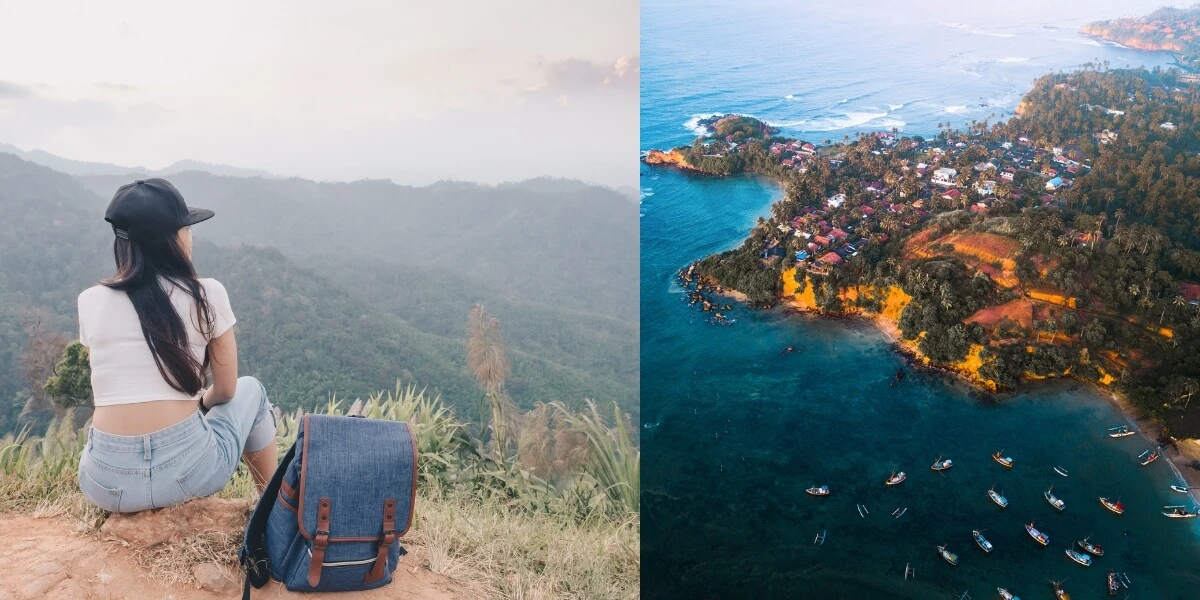
Yes. Sri Lanka is one of the most popular solo travel destinations in Asia, and for good reason. The tourist infrastructure is well established, English is widely spoken (especially in tourist areas), distances are short, and the backpacker trail is well trodden.
Solo travellers frequently report that Sri Lanka feels safer and more welcoming than expected. Locals are curious and friendly. Guesthouses are accustomed to solo guests. And the solo travel community — both in person and online — is large and active, making it easy to find travel companions along the way if you want them.
A few practical tips for solo travellers: share your itinerary with someone at home. Use ride-hailing apps instead of flagging random tuk tuks at night. Trust your instincts — if a situation feels off, walk away. And download offline maps, because mobile data coverage can be patchy in rural areas.
Is Sri Lanka Safe for Women?
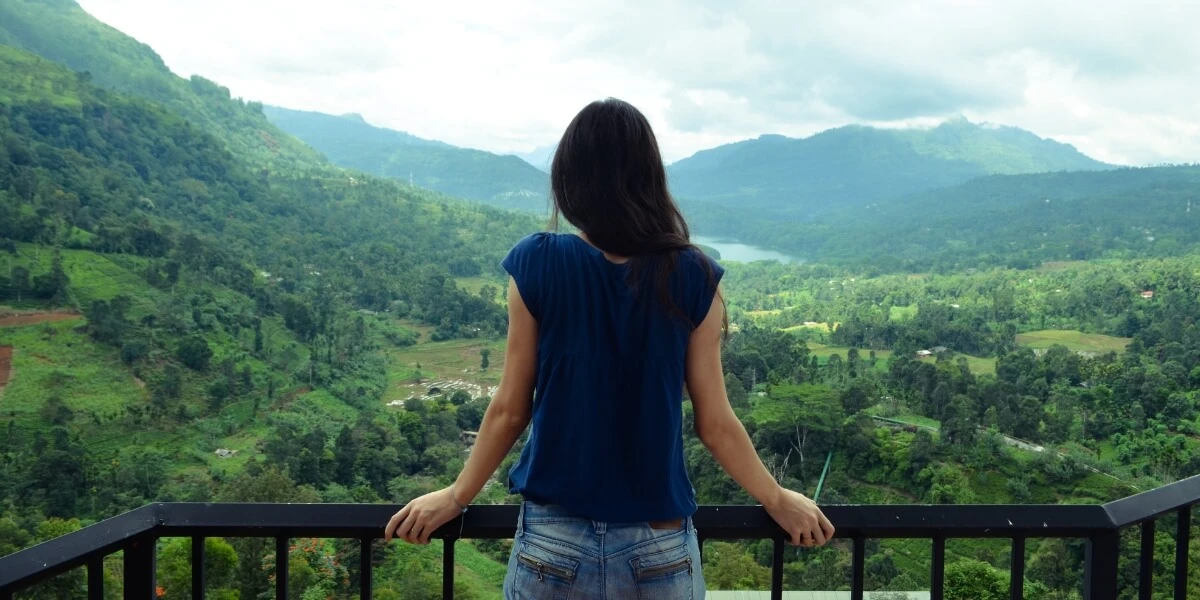
This is a question that deserves a thoughtful answer, because the experience of female travellers — particularly solo female travellers — is not identical to the general tourist experience.
Sri Lanka is generally considered one of the safer destinations in South Asia for women. Many solo female travellers report positive experiences, with locals being respectful, helpful, and genuinely hospitable.
Also read: Solo Female Travel in Sri Lanka: The Honest Guide That Doesn't Scaremonger or Sugarcoat (2026)
However, unwanted attention does occur. Staring, catcalling, and sexually suggestive comments have been reported, particularly in crowded areas, on public transport, and in beach towns. Physical harassment is less common but not unheard of.
Practical steps that help: dress modestly, particularly at temples and in rural areas (covering shoulders and knees is both respectful and practical). Use ride-hailing apps rather than flagging down tuk tuks alone at night. Sit near other women on buses and trains. Stay in well-reviewed accommodation — reading female travellers' reviews specifically can be very illuminating. And trust your instincts. If a situation feels uncomfortable, remove yourself from it without hesitation.
None of this should discourage women from visiting Sri Lanka. Thousands of solo female travellers explore the island every year and have wonderful experiences. But going in with eyes open means going in empowered.
Is Sri Lanka Safe for Families?
Absolutely. Sri Lanka is an excellent family destination, and many families — including those with young children — travel the island without issues.
The key considerations for families are practical rather than safety-related. Road travel can be bumpy and slow, so plan shorter driving days with kids. Sun protection is essential — the tropical sun is intense, especially in the dry zone and on the coast. Mosquito repellent is important, particularly at dawn and dusk. And while Sri Lankan food is delicious, it can be very spicy — most restaurants are happy to prepare milder versions for children if you ask.
Also read: Sri Lanka with Kids: The Family Guide for Parents Who Don't Want a Resort Holiday (2026)
For families doing safaris (Yala, Wilpattu, Udawalawe), the experience is generally safe and well-managed. Children must stay in the jeep at all times, and guides are experienced with family groups. Wildlife encounters are thrilling for kids, and the parks are one of the genuine highlights of any Sri Lanka trip.
Natural Hazards to Know About
Sri Lanka's biggest safety risks for tourists are not human — they're natural.
Ocean currents. Drowning is one of the leading causes of tourist fatalities in Sri Lanka. Rip currents are powerful and unpredictable, particularly along the south and west coasts. Not all beaches have lifeguards. Always ask locals about safe swimming conditions before entering the water, and never swim alone in unfamiliar spots.
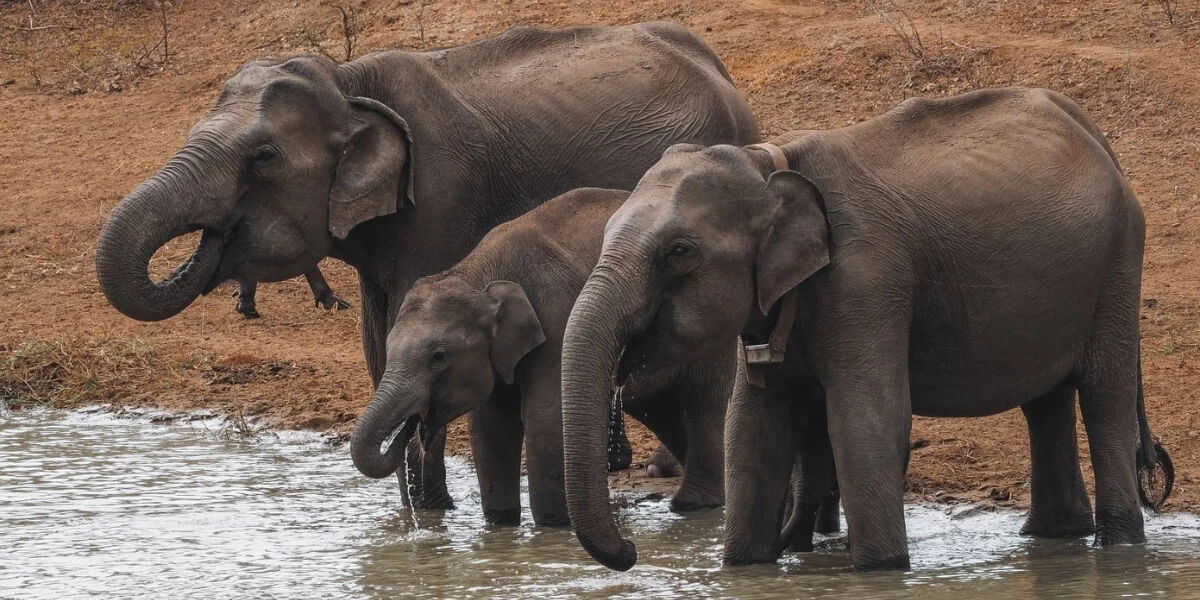
Wild elephants. Sri Lanka has a significant population of wild Asian elephants, and human-elephant encounters are not uncommon in rural and suburban areas — particularly around Anuradhapura, Polonnaruwa, Hambantota, and Sigiriya. Never approach, feed, or attempt to photograph wild elephants at close range. If you're driving (especially in a tuk tuk), avoid travelling on rural roads after dark, when elephant encounters are most likely.
Monsoon weather. Sri Lanka has two monsoon seasons: the southwest monsoon (May-September) affects the west and south coast, while the northeast monsoon (October-January) affects the east coast and hill country. Flooding, landslides, and road closures can occur during heavy monsoon rains, particularly in mountainous areas. Check weather conditions before travelling to the hill country, and heed local warnings.
Mosquito-borne illness. Dengue fever is present in Sri Lanka. Use insect repellent (DEET-based is most effective), wear long sleeves at dawn and dusk, and sleep under a net or in air-conditioned rooms where possible. If you develop a high fever during or after your trip, seek medical attention and mention your travel history.
Emergency Contacts You Should Save
Before you land, save these numbers in your phone.
The Sri Lanka Tourist Police hotline is 1912 — it's specifically for tourists and operates with English-speaking operators. For general emergencies, dial 110 (police) or 118/119 (ambulance/fire). If you're in Colombo, you can also reach the police at +94 11 269 1111.
The Sri Lanka government operates a mobile alert system that pushes emergency notifications to local SIM cards for floods, landslides, tsunamis, and major security events. Buying a local SIM at the airport (which costs just a few dollars) automatically enrols you in this system.
Travel insurance is strongly recommended and should cover medical emergencies, trip cancellation, and repatriation. Emergency medical treatment outside major cities can be limited, and evacuation to Colombo or international hospitals can be expensive.
Cultural Respect: The Safety You Create
There's one more dimension of safety that most guides overlook, and it's arguably the most important: the safety you create by being a respectful guest.
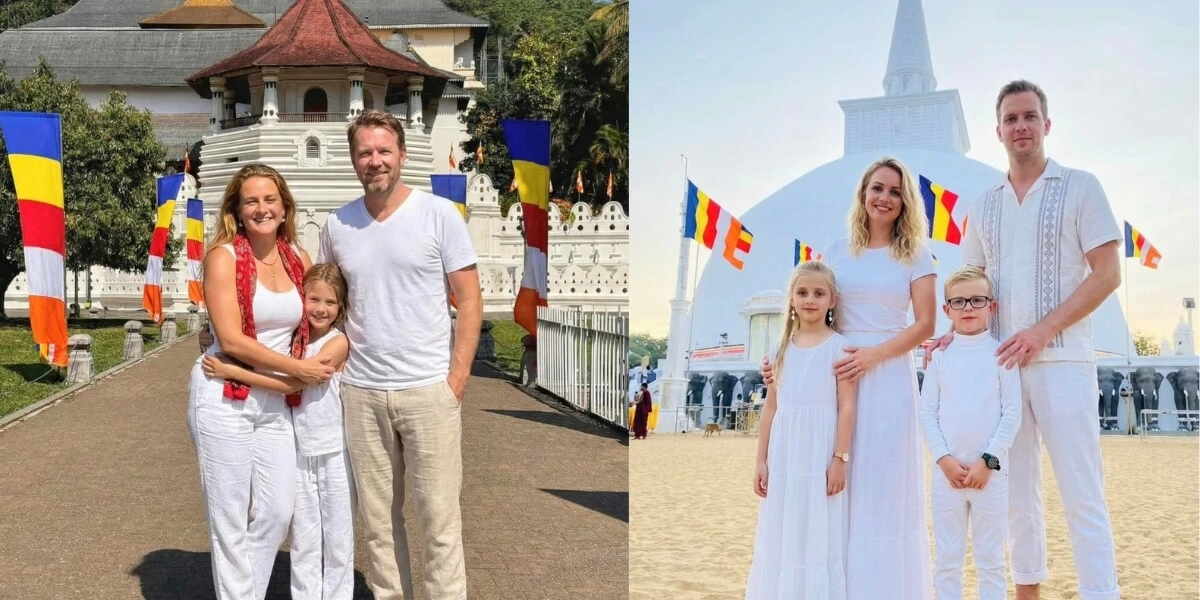
Sri Lanka is a predominantly Buddhist country with deep religious traditions. Disrespecting Buddhist images — including posing with your back to a Buddha statue for a photo — is a serious offence that can lead to arrest and fines. Visitors have been denied entry to the country because of visible Buddha tattoos. This is not exaggeration. It's law.
Cover your shoulders and knees when visiting temples. Remove shoes and hats before entering religious sites. Ask permission before photographing people, especially monks. Don't touch or climb on religious statues or monuments.
Public displays of affection are uncommon and can attract unwanted attention. Nude or topless sunbathing is not permitted. Same-sex sexual activity remains technically illegal under Sri Lankan law, though prosecutions are extremely rare.
Drug offences carry severe penalties, including lengthy prison sentences. The Prevention of Terrorism Act allows authorities to detain individuals without charge for extended periods for serious offences.
None of this is meant to scare you. It's meant to prepare you. The more respectfully you navigate Sri Lankan culture, the warmer and safer your experience will be. Respect begets welcome. And Sri Lankans are extraordinarily welcoming to those who show respect.
So Should You Go?
I'll tell you what I tell everyone who asks me this question.
Sri Lanka in 2026 is a country that has weathered civil war, a tsunami, terrorist attacks, a pandemic, an economic collapse, and a cyclone. And somehow — through all of that — it has emerged as one of Asia's strongest tourism recovery stories, with record-breaking visitor numbers and a government targeting 3 million arrivals this year.
The people haven't just survived. They've remained kind. Generous. Proud of their island and eager to share it.
Is it perfect? No. The roads are chaotic. The scams are real. The currents are dangerous. The spice level will test your limits.
But is it safe? Yes. As safe as Thailand. Safer than many parts of South America, Southern Europe, or the United States. And safer, perhaps, than your anxiety suggests.
The biggest risk of visiting Sri Lanka in 2026 isn't that something bad will happen.
It's that you'll fall so in love with the place that you'll start planning your second trip before you've finished the first.
That's the risk I took. And I'd take it again tomorrow.
This guide reflects conditions as of March 2026. For the latest official travel advisories, check US State Department, UK FCDO, or Australia Smartraveller. For on-the-ground tourism updates, contact the Sri Lanka Tourist Hotline at 1912.