Why Nomads Are Choosing Sri Lanka
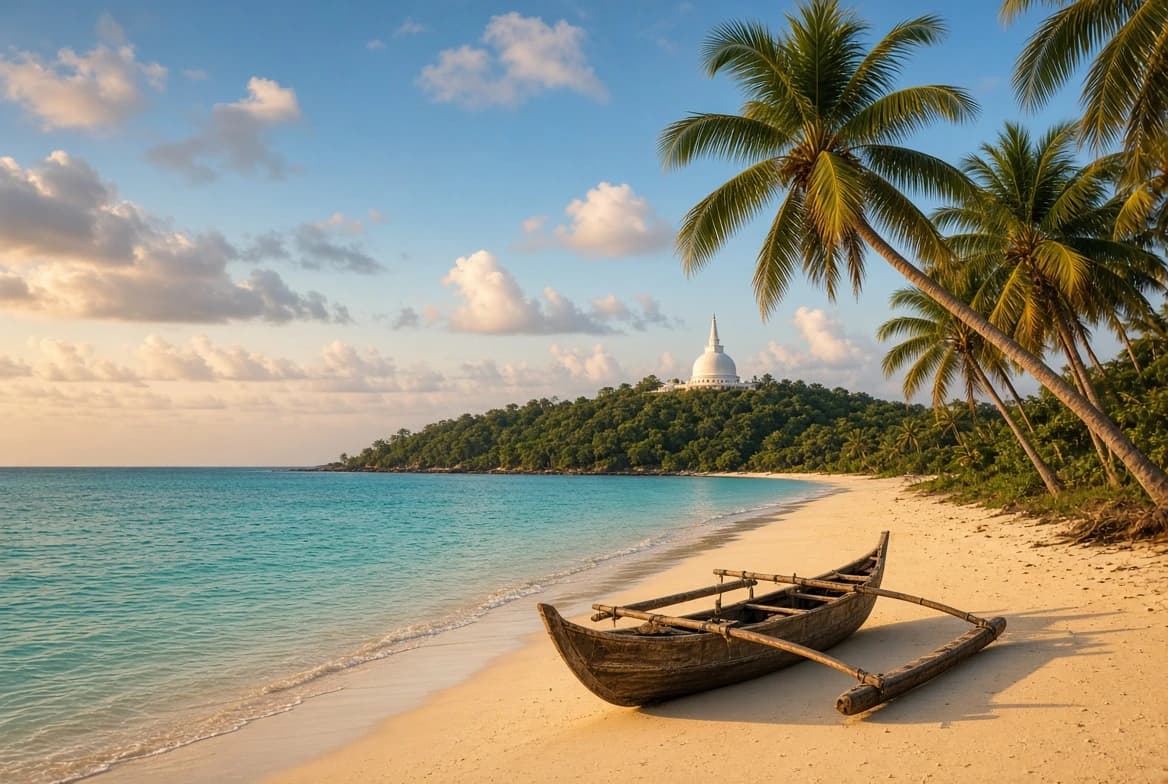
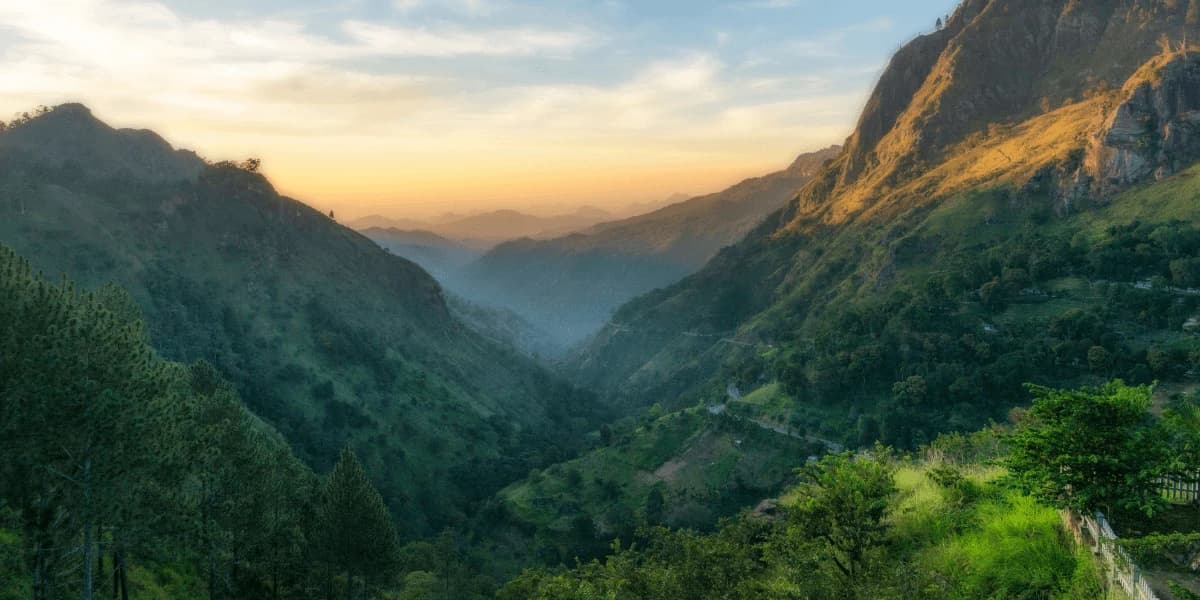
The pitch is compelling: a tropical island with year-round warm weather, a cost of living that makes Bali look expensive, a time zone (GMT+5:30) that overlaps comfortably with Europe and parts of Asia, English widely spoken in tourist areas, and a diversity of environments — beach, jungle, mountains, ancient cities — compressed into a country smaller than Scotland.
Add world-class surf, $2 rice-and-curry lunches, a growing café culture with actual good coffee, and a community of remote workers that's large enough to be social but small enough to feel genuine, and you start to understand why Sri Lanka keeps appearing on "next Bali" lists.
But Sri Lanka isn't Bali. Not yet. The infrastructure is less polished. The internet outside dedicated hubs can be unreliable. Power outages still occur outside Colombo. And the coworking scene, while growing rapidly, is concentrated in a handful of south-coast towns and the capital.
This guide is for nomads who want to understand the real picture — what works, what doesn't, and how to structure a stay that's both productive and enjoyable.
The Visa Situation (2026)
Sri Lanka launched a dedicated Digital Nomad Visa in early 2026, signalling the government's serious intent to attract remote workers.
The key details:
Duration: 12 months, with a pathway to renewal.
Income requirement: Minimum $1,500–2,000/month in provable foreign income (reports vary — the threshold was lowered from initial proposals to attract a broader range of applicants). You'll need to show proof of remote employment, freelance contracts, or business income from outside Sri Lanka.
Who qualifies: Remote employees, freelancers, and self-employed professionals aged 18+ who earn from clients or employers outside Sri Lanka. You cannot work for a local Sri Lankan employer.
Family: Spouses and dependent children can be included under the same visa, with per-person fees.
Perks: No local tax on foreign income. Multiple entries allowed. No minimum stay requirement per year (you can travel in and out). Ability to open a local bank account and sign rental agreements.
Application: Through the national immigration authorities. Processing reportedly takes 5–10 working days (improved from the initial 2–4 weeks).
The alternative: Many nomads still use the standard tourist ETA (30 days, extendable to 90 days, further extendable to 270 days). This has worked for years and continues to work, but it requires extensions and doesn't technically authorise remote work. The Digital Nomad Visa provides legal clarity and longer-term stability.
The honest caveat: The visa programme is new and still maturing. Rules, fees, and processes may evolve. Check the Sri Lanka Tourism Development Authority website or the ETA portal for the most current information before applying.
The Internet Reality
This is the section that matters most, and the one where most guides lie.
The truth: Sri Lanka's internet is adequate for remote work in dedicated spaces and frustrating everywhere else.
Fibre broadband (SLT-Mobitel Fiber): The gold standard. Available in Colombo and increasingly in south-coast towns. Coworking spaces and good hotels connected to fibre can deliver 50–100+ Mbps — fast enough for video calls, file transfers, and anything you'd normally do.
Mobile data (4G/5G): Dialog is the best network, with the strongest coverage island-wide. Mobitel is the runner-up. A 50GB data pack costs under $10 — absurdly cheap. 4G coverage is solid in populated areas, and 5G is expanding in Colombo. For most nomads, a Dialog SIM card is the essential backup (and sometimes the primary connection).
Guesthouse and hotel Wi-Fi: This is where expectations collide with reality. Outside of nomad-oriented accommodation, hotel Wi-Fi in Sri Lanka ranges from functional to useless. Many guesthouses advertise "free Wi-Fi" that delivers 2–5 Mbps on a good day and disconnects during video calls. Never rely on accommodation Wi-Fi for critical work without testing it first.
Power outages: Sri Lanka experiences periodic power cuts, particularly outside Colombo. They're usually brief (30 minutes to a few hours) but can disrupt a workday. Dedicated coworking spaces have generators. If you're working from accommodation, a fully charged laptop battery and a mobile hotspot are your insurance policy.
The practical strategy: Work from coworking spaces or nomad-friendly cafés for anything requiring reliable, fast internet (video calls, uploads, team collaboration). Use your accommodation Wi-Fi for lighter tasks (email, messaging, browsing). Keep your Dialog SIM loaded as a backup hotspot. This hybrid approach is how most productive nomads in Sri Lanka operate.
Monthly Costs: What It Actually Takes
Sri Lanka's cost of living has risen since the 2022 economic crisis but remains significantly below Southeast Asian nomad hubs like Bali or Thailand.
Budget Nomad ($900–1,200/month)
Accommodation ($300–500): A private room in a guesthouse or shared house. Fan-cooled. Near the beach in south-coast towns. Monthly rates negotiated directly with owners are cheaper than nightly bookings.
Food ($200–300): Eating mostly local — rice and curry for lunch ($2–3), hoppers or roti for breakfast ($1–2), local dinner ($2–4). Occasional café meals. Cooking at home if your accommodation has a kitchen.
Coworking ($50–100): Monthly passes at south-coast spaces, or free coworking at cafés and hostels with food/drink purchases.
Transport ($50–100): Scooter rental ($5–10/day) or tuk-tuks via PickMe.
SIM/data ($10–15): Dialog data pack.
Other ($100–150): Surf lessons, yoga, socialising, laundry, sundries.
Comfortable Nomad ($1,200–1,800/month)
Accommodation ($500–800): A one-bedroom apartment or comfortable studio with air conditioning, reliable Wi-Fi, and a work-friendly setup. In Colombo or Galle, expect the higher end. South-coast beach towns, the lower end.
Food ($300–400): Mix of local restaurants and cafés. Daily coffee at a specialty café ($3–5). Occasional seafood dinner.
Coworking ($80–150): Dedicated coworking membership with fast internet, generator backup, and a proper desk.
Transport ($100–150): Scooter or regular tuk-tuks.
Lifestyle ($200–300): Surf, yoga, weekends exploring, social activities.
Premium Nomad ($1,800–2,500+/month)
Accommodation ($700–1,200): A beachfront apartment, coliving space with premium amenities, or a boutique hotel on a monthly rate.
Food ($400–500): Eating wherever you want, including the best restaurants.
Coworking ($100–200): Premium spaces in Colombo (The Executive Centre, Hatch) or coliving-inclusive workspaces.
Everything else ($400–600): Private driver for weekend trips, surf coaching, spa, dining out.
The Bali comparison: A comfortable nomad lifestyle that costs $1,800–2,500/month in Bali costs $1,200–1,800 in Sri Lanka, with comparable or better quality of life outside of nightlife and restaurant variety.
Where to Base Yourself
The South Coast: Hiriketiya, Weligama, Ahangama
This is Sri Lanka's nomad heartland. The 30-kilometre stretch from Weligama through Ahangama to Hiriketiya concentrates the majority of the country's coworking spaces, coliving options, and remote-worker community.
Hiriketiya is the current epicentre — a compact horseshoe bay with surf, yoga, boutique cafés, and a growing number of coworking and coliving operations. Homebase Hiriketiya (coliving with dedicated workspace), Verse Collective (café-coworking hybrid in nearby Dickwella), and Slow Living by Nomadico (jungle coliving) are popular options. The vibe is bohemian, design-conscious, and heavily international.
Weligama is larger, busier, and more developed. Outpost Weligama is one of the most established coworking spaces in the country — beachfront, generator-backed, community events (ice baths, family dinners, networking). Flow Café and Nomad Café are popular laptop-friendly options. Weligama has the best beginner surf on the coast.
Ahangama sits between the two — quieter, fewer tourists, several good café-coworking spots (Focus Hub), and some of the best intermediate surf breaks in Sri Lanka.
Season: November to April (dry, sunny, best surf). May to October the south coast gets monsoon rain — most nomads shift to the east coast or depart.
Arugam Bay (May–September)
When the south coast shuts down for monsoon, some nomads migrate to Arugam Bay on the east coast. The coworking infrastructure is thinner (Wavehunters, Gypcey Lounge) but growing. The surf is world-class. The community is smaller and tighter. Wi-Fi is less reliable than the south coast.
Arugam Bay works for nomads who don't have daily video-call obligations and can tolerate occasional connectivity gaps.
Colombo
The pragmatic choice. Colombo has the best internet infrastructure in the country (fibre broadband widely available), the most established coworking spaces (Hatch, CO-LABs, The Executive Centre, The Work Loft), and the full range of urban amenities — international restaurants, hospitals, embassies, reliable transport.
The trade-off: Colombo doesn't have the beach-and-surf lifestyle. It's a working city, hot and humid, with traffic. Many nomads base in Colombo for a week or two at the start of their stay (visa admin, SIM card, orientation) before heading to the coast.
Galle
A compromise between Colombo's infrastructure and the south coast's lifestyle. Galle Fort has cafés, boutique hotels, and reasonable Wi-Fi. It's close to the south-coast surf towns (30–45 minutes to Weligama) but more culturally rich and architecturally interesting.
The coworking scene is less developed than Weligama/Hiriketiya, but several cafés welcome laptop workers and a few dedicated spaces have opened.
Ella and Kandy (Hill Country)
Beautiful for short stays but limited for long-term remote work. Café Wi-Fi exists (Café Chill in Ella) but formal coworking spaces are scarce. The cooler climate (20–25°C in Ella, pleasant after weeks of 30°C+ coastal heat) provides a welcome break. Best for writers, creatives, and anyone who can work asynchronously without regular video calls.
The Daily Rhythm
Most productive nomads in Sri Lanka settle into a pattern quickly:
6:00–7:00 AM: Surf or yoga (optional but strongly recommended — the community structures around these, and they prevent the isolated-laptop-hermit spiral).
8:00–8:30 AM: Breakfast at a café or accommodation. Coffee.
9:00 AM–1:00 PM: Focused work block. Coworking space, coliving desk, or nomad-friendly café with reliable Wi-Fi.
1:00–2:00 PM: Rice-and-curry lunch. $2–3 at a local place.
2:00–4:00 PM: Second work block (lighter tasks, emails, async communication). Or take the afternoon off — one of the perks of working for yourself.
4:00–6:00 PM: Beach, second surf session, explore, or continue working.
6:00 PM: Sunset from the beach or a rooftop bar.
7:00 PM onwards: Dinner, socialising, and the gradual realisation that you've been here for three weeks and haven't booked an onward flight.
Community
Sri Lanka's nomad community is collaborative rather than cliquey — a reflection of the scene's relative youth compared to established hubs like Bali or Lisbon.
Weekly events: Community dinners in Weligama (organised by Outpost and other spaces), creative meetups in Hiriketiya, startup-adjacent events in Colombo (Hatch runs pitch nights and workshops).
The social circuit: The south-coast nomad towns are small enough that you'll recognise faces within days. Surf lineups, yoga classes, and coworking spaces create natural social overlap. Solo nomads rarely stay solo for long.
Online: Facebook groups and WhatsApp communities for digital nomads in Sri Lanka are active and useful for accommodation recommendations, workspace reviews, and social coordination.
What Sri Lanka Does Better Than Bali
Cost. Comparable or better lifestyle at 60–70% of Bali's price.
Variety. Beaches, jungle, mountains, ancient cities, wildlife — all within a few hours of each other. Weekend trips from your base offer genuinely diverse experiences.
Community intimacy. The nomad community is large enough to be social but small enough to feel personal. You'll know people's names rather than moving through anonymous crowds.
Surf. Both coasts offer excellent waves, and the scene is less competitive and less crowded than Bali.
Cultural depth. 2,500 years of recorded history, UNESCO sites, living religious traditions, and a food culture that rewards exploration.
What Bali Does Better Than Sri Lanka
Internet reliability. Bali's average connection speeds and consistency are significantly better, especially outside dedicated spaces.
Coworking infrastructure. Bali has dozens of established, high-quality coworking spaces. Sri Lanka has a growing but still limited selection.
Nightlife and social variety. Bali's restaurant, bar, and nightlife scene is leagues ahead.
Established nomad ecosystem. Visa agents, coworking memberships, apartment rentals, and services purpose-built for nomads are more mature in Bali.
The verdict: Sri Lanka is better value and more adventurous. Bali is more convenient and more polished. Your choice depends on what you prioritise.
Practical Checklist
Before you arrive:
Apply for Digital Nomad Visa or standard ETA (depending on planned stay length)
Download PickMe, Google Maps, XE Currency
Arrange an eSIM (Airalo or Holafly) or plan to buy a Dialog SIM at the airport
Bring all electronics — replacement tech is expensive in Sri Lanka
Ensure travel insurance covers long stays and includes medical evacuation
Back up important work to the cloud (internet gaps happen)
On arrival:
Buy a Dialog SIM at the airport ($5–10 for generous data)
Withdraw cash from an ATM (cash economy outside tourist hubs)
Test accommodation Wi-Fi before committing to long stays (ask for a speed test)
Scout coworking options in your first few days
Ongoing:
Keep your laptop charged — power outages are real
Use mobile hotspot as Wi-Fi backup
Eat local at least once a day (budget and flavour both benefit)
Negotiate monthly rates for accommodation (30–50% cheaper than nightly)
Join the local nomad community early — information flows through people, not websites
This article is part of our comprehensive Sri Lanka travel series. For visa details, see our visa guide. For budget planning, see our budget guide. For the towns mentioned here, see our guides to Ella, Galle Fort, Arugam Bay, and Colombo. For the south coast surf scene, see our surfing guide.
Key Takeaways for Quick Reference:
Digital Nomad Visa (2026): 12 months, $1,500–2,000/month income requirement, no local tax on foreign income, family-friendly.
Monthly budget: $900–1,200 (budget), $1,200–1,800 (comfortable), $1,800–2,500+ (premium).
Best nomad bases: Hiriketiya (bohemian beach), Weligama (established surf-work scene), Colombo (best infrastructure).
Internet: Coworking spaces and fibre connections: fast and reliable. Guesthouse Wi-Fi: unreliable. Dialog 4G: essential backup.
Coworking spaces: Outpost (Weligama), Homebase and Verse Collective (Hiriketiya), Hatch and CO-LABs (Colombo).
Power outages: Occur outside Colombo. Coworking spaces have generators. Keep your laptop charged.
SIM card: Dialog. Buy at airport. 50GB for ~$10. Non-negotiable.
South coast season: November–April. Arugam Bay: May–September.
Time zone: GMT+5:30. Good overlap with Europe (3.5–5.5 hrs ahead) and Asia.
vs. Bali: Cheaper, more adventurous, smaller community, worse internet infrastructure.
The bottom line: Sri Lanka is excellent for nomads who value lifestyle and adventure over infrastructure perfection. Come with realistic internet expectations, a backup hotspot, and a willingness to adapt.